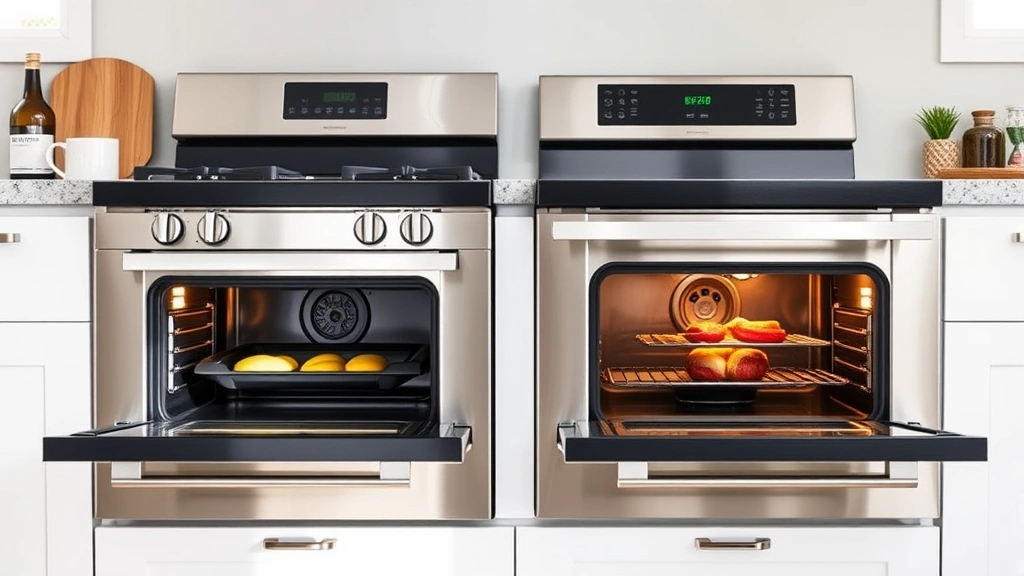
Gas vs Electric Ovens: Chef’s Honest Opinion on Performance, Efficiency & Sustainability
When it comes to choosing between a gas and electric oven, the decision goes far beyond personal preference—it involves performance, energy efficiency, environmental impact, and long-term costs. As someone who has spent years in professional kitchens and home cooking environments, I’ve developed a nuanced perspective on both technologies. This guide breaks down the real differences, helping you make an informed choice that aligns with your cooking style and sustainability goals.
The oven debate has intensified as homeowners become more conscious of their energy consumption and carbon footprint. Whether you’re renovating your kitchen, building a new home, or simply curious about your current setup, understanding the advantages and disadvantages of each option is essential. Let’s explore the honest truth about gas versus electric ovens from both culinary and environmental perspectives.
How Gas Ovens Work and Their Culinary Advantages
Gas ovens have been the backbone of professional kitchens for decades, and for good reason. They operate by burning natural gas or propane to create heat, which is then distributed throughout the cooking chamber. The immediate heat response—you turn the knob and feel warmth within seconds—is one of the primary reasons chefs prefer them.
From a cooking perspective, gas ovens offer several distinct advantages. The direct flame contact creates a unique cooking environment that many argue produces superior results for certain dishes. Bakers particularly appreciate the slightly humid environment gas combustion creates, which can result in better crust development on bread. The heat distribution tends to be more forgiving, with hot spots that experienced cooks learn to work around.
Temperature control in gas ovens is also immediate and responsive. You can adjust the flame in real-time, allowing for quick corrections if the oven runs too hot or cool. This responsiveness is invaluable when cooking multiple items at different temperatures or when precise timing is critical. However, this advantage comes with a caveat—gas ovens typically have less precise temperature consistency compared to modern electric models with digital controls.
The learning curve with gas ovens is steeper. Professional chefs spend years understanding the idiosyncrasies of their specific gas oven, learning where the hot spots are and how to work with them. This knowledge becomes second nature, but it requires dedication and practice.
Electric Ovens: Precision and Modern Efficiency
Electric ovens represent the modern approach to oven technology, utilizing electrical resistance heating elements to warm the cooking chamber. Unlike gas, electric ovens require a warm-up period, typically 15-20 minutes for full preheating, but once they reach temperature, they maintain it with remarkable precision.
The temperature consistency in electric ovens is exceptional. Most modern electric ovens maintain temperature within 5 degrees of the set point, making them ideal for tasks requiring precision like baking delicate pastries, meringues, or temperature-sensitive dishes. The even heat distribution comes from multiple heating elements—typically one above and one below—working in concert to maintain uniform temperatures throughout the chamber.
Electric ovens shine in baking applications. The dry, consistent heat environment produces excellent results for cookies, cakes, and pastries. Professional bakers often prefer electric ovens for their predictability, though some still favor gas for bread baking due to the humidity factor. The lack of combustion byproducts also means cleaner air quality in your kitchen—no nitrogen dioxide or other combustion gases being released into your cooking space.
Modern electric ovens come equipped with advanced features like convection fans, multiple heating modes, programmable settings, and smart home integration. These technological additions offer convenience and flexibility that gas ovens simply cannot match. The convection technology circulates hot air throughout the oven, reducing cooking times and improving browning consistency.
One significant advantage often overlooked is that electric ovens don’t require gas line installation or annual safety inspections. They’re simpler to install in most modern homes and don’t pose combustion-related risks.
Energy Efficiency Comparison
When examining energy efficiency, the comparison becomes more nuanced than many realize. Electric ovens are generally 70-80% efficient at converting energy into heat, meaning most of the electricity consumed actually heats your food. Gas ovens, by contrast, are typically 40-50% efficient because much of the heat escapes through the exhaust vent required for combustion byproduct removal.
However, this doesn’t tell the complete story. The source of your electricity matters enormously. If your electrical grid relies heavily on renewable energy sources like wind, solar, or hydroelectric power, an electric oven becomes significantly more sustainable. In regions powered primarily by fossil fuels, the efficiency advantage diminishes considerably. Learn more about sustainable energy solutions in your area to understand your grid’s composition.
Gas ovens benefit from the high energy density of natural gas. While less efficient in percentage terms, the actual energy cost per unit of heat is often lower than electricity in many regions. This is why professional kitchens frequently stick with gas despite the lower efficiency rating—the operational costs are often more favorable.
Electric ovens recover more quickly after you open the door, which is important when cooking multiple items or checking on food frequently. The heating elements respond immediately to demand, whereas gas flames may take slightly longer to reignite at full capacity.
For sustainability-conscious cooks, the efficiency calculation should include your region’s energy mix. Consult your local utility’s renewable energy percentage and factor this into your decision. In areas with high renewable penetration, electric ovens represent the greener choice. In regions still dependent on fossil fuels, the difference becomes less pronounced.
Environmental Impact and Carbon Footprint
The environmental considerations extend beyond simple efficiency ratings. Gas ovens produce direct emissions in your home, including carbon dioxide, water vapor, and nitrogen oxides. While modern gas appliances are more efficient than older models, they still release combustion byproducts that affect indoor air quality. The EPA provides guidelines on indoor air quality that highlight these concerns.
Electric ovens produce zero direct emissions in your home, contributing to better indoor air quality. However, the environmental impact depends entirely on how that electricity is generated. If powered by renewable sources, electric ovens are substantially cleaner. If powered by coal-fired plants, the environmental advantage largely disappears.
The production and lifecycle of both oven types also matter. Electric ovens typically require more materials for their components and electronics, while gas ovens are simpler mechanically. However, the operational phase—which spans 10-15 years for most ovens—dominates the environmental calculation, making the energy source far more significant than manufacturing impact.
Natural gas extraction and transportation also carry environmental costs. Methane leakage from gas infrastructure, though difficult to quantify precisely, represents a significant climate concern. The International Energy Agency documents methane emissions extensively, showing that gas infrastructure contributes meaningfully to overall emissions.
From a carbon footprint perspective, electric ovens powered by renewable electricity represent the lowest-impact option. In regions still transitioning their energy grids, the choice becomes more complex. Consider exploring your region’s energy composition and the advantages of natural gas compared to other fuel sources to make an informed decision.
Cost Analysis: Installation to Long-Term Operation
Installation costs vary significantly based on your existing infrastructure. If your kitchen already has a gas line, converting to electric requires new electrical wiring and potentially a circuit upgrade—often running $1,500-$3,000. Conversely, if you have electrical capacity available, a gas oven installation might require gas line installation, which typically costs $500-$1,500 but varies by location and distance from the main gas line.
The appliance cost itself has become more comparable over the years. Mid-range gas and electric ovens now occupy similar price points, with premium models available in both categories. Professional-grade gas ovens can be more expensive, while high-end electric ovens with advanced features command premium prices.
Operating costs depend on your local utility rates and cooking frequency. In most regions, natural gas costs less per unit of energy than electricity. However, because electric ovens are more efficient, the actual monthly cost difference is often modest—typically $10-$30 monthly difference depending on usage and local rates. Calculate your specific situation using your utility’s rate structure.
Maintenance costs favor electric ovens slightly. Gas ovens require annual professional inspections to ensure safe operation, particularly checking for gas leaks and proper ventilation. These inspections cost $100-$200 annually. Electric ovens need minimal maintenance beyond regular cleaning. However, when repairs are needed, electric ovens with complex electronics can be more expensive to fix than mechanical gas ovens.
Replacement considerations matter over a 20-30 year homeownership horizon. Gas ovens are mechanically simpler and often more repairable, potentially extending their lifespan. Electric ovens, while reliable, may face component failures as they age. The technology in electric ovens also becomes outdated faster, potentially pushing replacement before mechanical failure occurs.
Safety Considerations and Maintenance
Safety profiles differ between the two technologies. Gas ovens pose combustion risks if not properly maintained, including potential for gas leaks or carbon monoxide production if ventilation fails. These risks are manageable with proper installation and annual inspections, but they require vigilance. The Consumer Product Safety Commission regulates gas cooking appliances to minimize these risks.
Electric ovens eliminate combustion risks entirely. However, they present electrical hazards if improperly installed. Both require professional installation to ensure safety. The burn risk is comparable between technologies—both reach dangerous temperatures quickly and maintain them reliably.
Indoor air quality improvements come with electric ovens. Gas combustion produces nitrogen dioxide and other pollutants, even with proper ventilation. Studies indicate that gas cooking can create indoor air quality issues comparable to moderate outdoor air pollution. Electric ovens eliminate this concern entirely, making them preferable for those with respiratory sensitivities.
Maintenance requirements differ substantially. Gas ovens need annual professional servicing to check for leaks, verify proper combustion, and ensure safe operation. This preventative maintenance is essential. Electric ovens require minimal professional maintenance—primarily cleaning and occasional element replacement if they fail.
Ventilation requirements are more stringent for gas ovens. Proper exhaust systems must be installed and maintained to remove combustion byproducts. Electric ovens also benefit from ventilation, but it’s less critical for safety purposes and more about managing heat and cooking odors.
Making Your Choice: A Chef’s Final Verdict
After years of cooking with both types, my honest assessment is that neither is universally superior—the right choice depends on your priorities and circumstances.
Choose gas if: You prioritize responsive temperature control, enjoy the cooking experience of working with direct flame, have existing gas infrastructure, operate in a region with favorable gas pricing, and prefer mechanical simplicity. Gas remains excellent for high-volume cooking and professional applications. Explore our detailed comparison of gas versus diesel energy options for additional context on fuel comparisons.
Choose electric if: You prioritize precision and consistency, bake frequently, care about indoor air quality, live in a region with renewable energy sources, prefer lower maintenance requirements, and want advanced cooking features. Electric ovens are particularly suitable for modern kitchens prioritizing sustainability and technology integration.
Consider hybrid approaches: Some professional kitchens maintain both gas and electric ovens, using each for optimal applications. If you have the space and budget, this represents the ultimate flexibility. For most home cooks, however, choosing one requires prioritizing your most important factors.
The sustainability angle increasingly favors electric ovens, particularly as electrical grids continue transitioning toward renewable sources. Visit the SustainWise Hub Blog for ongoing coverage of sustainable kitchen choices and energy decisions.
My personal recommendation for environmentally conscious cooks: If your region’s electrical grid has more than 40% renewable energy, choose electric. If it’s below 30%, the environmental advantage disappears, and you can choose based on cooking preferences and cost. For those in between, the choice becomes a personal preference, as both options are reasonably sustainable.
Technology continues advancing rapidly. Electric ovens are becoming smarter and more capable yearly, while gas ovens remain mechanically stable but less innovative. For long-term satisfaction, consider whether you value cutting-edge features or timeless mechanical simplicity. Learn about advantages of electric technology more broadly to understand the trajectory of electric appliance development.
FAQ
Are electric ovens really more efficient than gas ovens?
In percentage terms, yes—electric ovens convert 70-80% of energy to heat versus 40-50% for gas. However, this doesn’t account for how electricity is generated. In regions with renewable energy, electric is substantially more efficient overall. In fossil fuel-dependent regions, the real-world advantage diminishes considerably.
Do gas ovens cook faster than electric?
Gas ovens heat up slightly faster due to immediate flame ignition, but electric ovens recover faster when the door opens. For most cooking tasks, the difference is negligible. Gas may have a slight advantage for very high-heat applications, while electric excels at maintaining consistent temperatures.
Which is better for baking?
Electric ovens generally provide superior baking results due to precise temperature consistency and even heat distribution. Gas ovens can produce excellent bread due to humidity benefits, but require more experience to master. For most baking applications, especially pastries and cakes, electric is preferable.
What’s the lifespan difference between gas and electric ovens?
Well-maintained gas ovens often last 15-20 years or longer due to mechanical simplicity. Electric ovens typically last 10-15 years, though this is improving as technology becomes more reliable. Proper maintenance significantly extends lifespan for both types.
How much money can I save switching from gas to electric?
Monthly savings depend on your utility rates and cooking frequency. Typically, expect $10-$30 monthly difference in operating costs, though this varies widely by region. Installation costs may offset operational savings for several years before breaking even.
Do electric ovens require special kitchen rewiring?
Most electric ovens require 240-volt circuits, which may require electrical upgrades costing $1,000-$3,000. Consult a licensed electrician to assess your current capacity before deciding.
Is it safe to use gas ovens for heating your home?
Absolutely not. Gas ovens should never be used as primary heat sources. They’re designed for cooking only, and using them for heating creates serious safety risks including carbon monoxide poisoning and fire hazards.
Which oven type is better for the environment?
Electric ovens powered by renewable electricity are significantly better environmentally. In regions with high renewable penetration (40%+), electric is the clear choice. In fossil fuel-dependent regions, the advantage is minimal, making gas acceptable from an environmental standpoint if other factors favor it.


