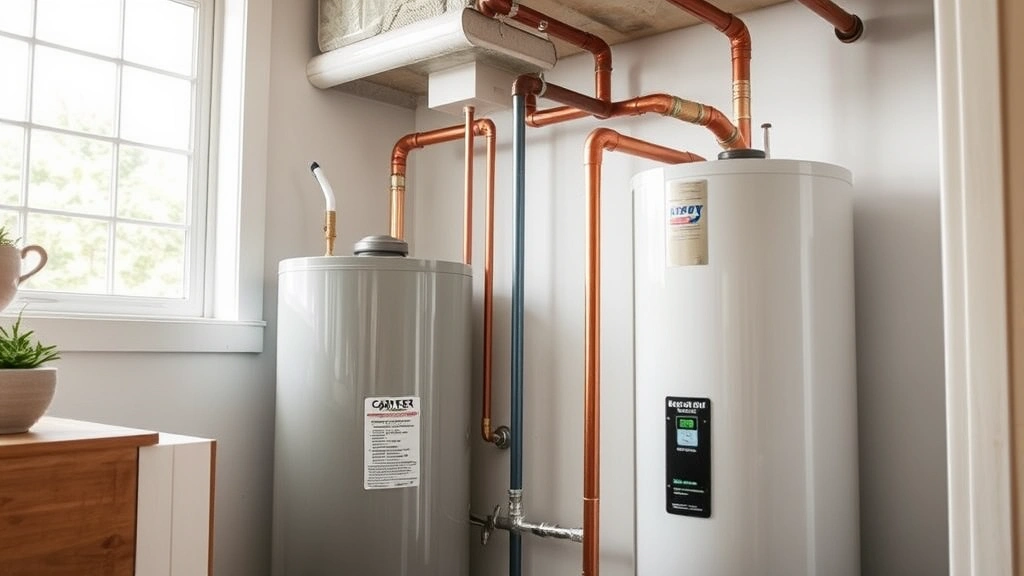
Gas Water Heating: Is It Eco-Friendly? A Comprehensive Analysis
Water heating accounts for approximately 17-21% of residential energy consumption in the United States, making it one of the largest energy expenditures in most households. Among the various heating technologies available, gas water heaters remain one of the most commonly installed systems, particularly in North America. However, the environmental impact of gas water heating has become increasingly scrutinized as homeowners and policymakers seek to reduce carbon footprints and transition toward cleaner energy solutions.
This comprehensive analysis examines whether gas water heating truly qualifies as an eco-friendly option. We’ll explore the environmental implications of gas-powered systems, compare them with alternative technologies, and provide actionable insights to help you make an informed decision about your home’s water heating needs. Understanding the nuances between different heating methods is essential for anyone committed to sustainable living while balancing practical and economic considerations.
Understanding Gas Water Heating Systems
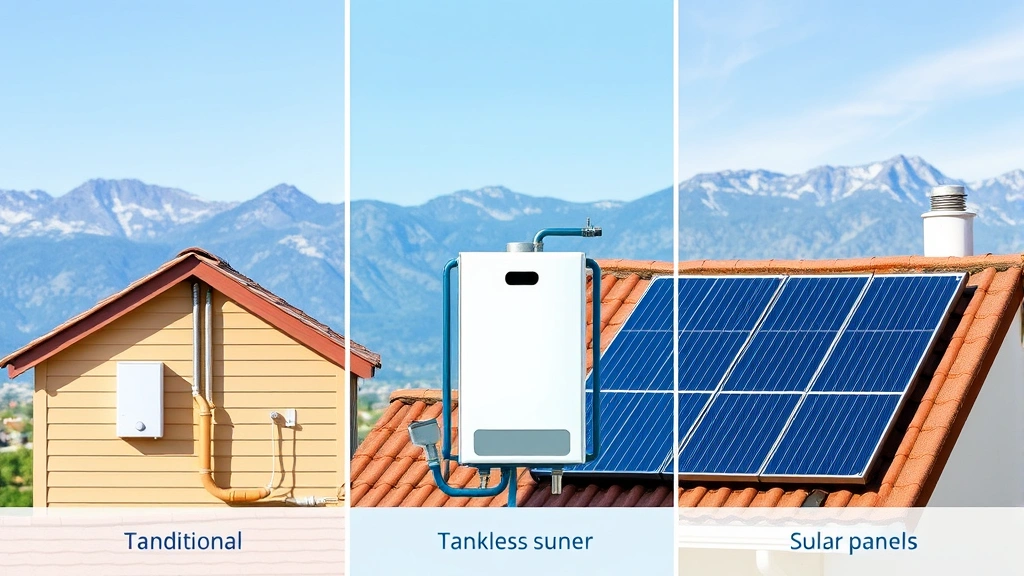
Gas water heaters utilize natural gas or propane combustion to heat water for residential and commercial applications. These systems come in two primary configurations: tank-based storage heaters and tankless (on-demand) units. Tank-based systems maintain a reservoir of hot water continuously, while tankless models heat water instantaneously as it flows through the unit.
The fundamental operation involves igniting natural gas or propane fuel within a combustion chamber, where the resulting heat transfers to water through metal heat exchangers. Modern units typically achieve efficiency ratings between 80-96%, meaning that 80-96% of the fuel’s energy content actually heats water, while the remainder escapes through venting systems.
Understanding the distinction between different gas heating technologies is crucial for evaluating their environmental footprint. Gas furnace installation principles share similarities with water heating systems, though they serve different purposes in home climate control. Both systems rely on combustion-based energy generation, which carries inherent environmental considerations.
Environmental Impact Assessment
The environmental implications of gas water heating extend beyond simple energy consumption metrics. A comprehensive assessment must consider multiple dimensions of ecological impact:
- Greenhouse Gas Emissions: Natural gas combustion releases carbon dioxide (CO2), methane (CH4), and nitrous oxide (N2O), all potent greenhouse gases contributing to climate change. A typical household gas water heater generates approximately 1.5-2 metric tons of CO2 annually.
- Methane Leakage: During extraction, processing, and distribution, natural gas infrastructure experiences methane leaks. Methane possesses 28-36 times the global warming potential of CO2 over a 100-year period, making these fugitive emissions particularly significant.
- Air Quality Degradation: Gas combustion produces nitrogen oxides (NOx) and particulate matter, contributing to indoor and outdoor air pollution. These emissions exacerbate respiratory conditions and environmental degradation.
- Water Consumption: While gas heating itself uses minimal water, the upstream processes of natural gas production and processing consume substantial quantities, impacting water availability in extraction regions.
- Resource Depletion: Natural gas is a finite fossil fuel. Continued reliance on gas heating perpetuates dependence on non-renewable resources and supports extractive industries with documented environmental and social impacts.
According to the U.S. Environmental Protection Agency (EPA), residential water heating represents a significant portion of household carbon emissions. The agency actively promotes energy-efficient alternatives as part of comprehensive climate mitigation strategies.
Carbon Emissions and Climate Considerations
The climate impact of gas water heating requires understanding both direct and indirect emissions. Direct emissions occur during fuel combustion in your home, while indirect emissions result from extraction, processing, transportation, and distribution of natural gas.
A standard 40-gallon gas water heater consuming approximately 40,000 BTU/hour generates roughly 1,500-2,000 pounds of CO2 annually, depending on usage patterns and system efficiency. For a household of four people, this represents a meaningful contribution to residential carbon footprints, typically accounting for 10-15% of total household emissions.
The upstream methane leakage problem compounds these direct emissions significantly. Research indicates that 1-5% of natural gas escapes as methane during extraction and distribution. Given methane’s potent warming effect, these fugitive emissions can increase the effective carbon footprint of gas heating by 25-40% when calculated using 20-year climate impact metrics.
Climate scientists emphasize that meeting global temperature targets requires rapid decarbonization of heating systems. The Intergovernmental Panel on Climate Change (IPCC) identifies building sector emissions reduction as critical for limiting warming to 1.5°C above pre-industrial levels. This context positions gas water heating as increasingly incompatible with climate objectives, despite its current prevalence.
Efficiency Ratings and Performance Metrics
When evaluating whether gas water heating qualifies as eco-friendly, efficiency metrics provide important context. Modern gas water heaters achieve significantly higher efficiency than older models, with Energy Factor (EF) ratings typically ranging from 0.80 to 0.96 for tank models and 0.82 to 0.96 for tankless units.
However, efficiency alone doesn’t determine environmental friendliness. A highly efficient gas heater still relies on fossil fuel combustion and contributes to greenhouse gas emissions. The distinction between operational efficiency and environmental sustainability is crucial: a system can operate efficiently while still producing substantial environmental harm.
Tankless gas water heaters offer superior efficiency compared to tank models by eliminating standby heat losses. Tank systems lose 20-40% of energy maintaining water temperature when heating isn’t occurring, whereas tankless units only heat water on demand. This efficiency advantage translates to approximately 10-15% energy savings for average households, though actual savings depend on usage patterns.
Comparing gas versus electric water heater performance reveals that while gas systems may offer marginal efficiency advantages in some contexts, these benefits diminish as electricity grids incorporate increasing renewable energy generation. In regions with clean energy sources, electric heat pump water heaters substantially outperform gas alternatives from an environmental perspective.
Comparing Gas to Alternative Water Heating Technologies
A meaningful assessment of gas water heating’s eco-friendliness requires comparison with viable alternatives:
Electric Resistance Water Heaters: Traditional electric heating offers lower upfront costs and high operational efficiency. However, their environmental impact depends entirely on electricity grid composition. In coal-heavy regions, electric heaters may produce similar emissions to gas systems, while in areas with renewable energy, they prove substantially cleaner.
Heat Pump Water Heaters: These systems extract heat from ambient air and transfer it to water using refrigerant cycles, achieving efficiency ratings exceeding 2.0 EF. A heat pump water heater consumes 50-70% less energy than electric resistance heaters and 40-50% less than gas systems. When powered by renewable electricity, they represent among the lowest-impact water heating options available.
Solar Water Heating: Solar thermal systems harness renewable energy directly, generating zero operational emissions. Modern solar water heaters can provide 50-80% of annual hot water needs in most climates, with backup gas or electric heating for cloudy periods. Initial installation costs remain substantial, but lifetime operational emissions are minimal.
Hybrid Systems: Combining solar pre-heating with heat pump or efficient gas backup creates optimal performance across seasons. These systems maximize renewable energy utilization while maintaining reliability, though they require careful system design and sizing.
Sustainable energy solutions increasingly prioritize electrification with renewable power sources, positioning heat pump water heaters as the preferred technology for climate-conscious homeowners. This transition aligns with broader decarbonization strategies across residential sectors.
Cost-Benefit Analysis for Homeowners
Environmental considerations must be balanced with economic realities for most homeowners. Gas water heaters present a complex cost-benefit picture:
Installation and Equipment Costs: Gas water heaters typically cost $800-$1,500 installed, compared to $1,200-$2,000 for electric heat pumps and $2,500-$5,000 for solar systems. This significant upfront cost advantage favors gas installations, particularly for budget-conscious households.
Operating Costs: Gas heating typically costs $400-$600 annually, while electric heat pumps average $250-$400 and solar systems with backup heating cost $100-$300 after accounting for renewable energy generation. Over a 15-20 year system lifespan, these operational savings compound substantially.
Return on Investment: Heat pump water heater payback periods range from 7-12 years depending on local energy rates and incentives. Solar systems typically require 12-18 years to achieve payback, though federal tax credits and state incentives significantly improve these timelines.
Incentive Programs: Federal tax credits covering 30% of heat pump and solar water heater costs, combined with state rebates and utility incentives, substantially improve the financial case for alternatives. The U.S. Department of Energy maintains current incentive information to help homeowners evaluate their options.
For environmentally committed households, the long-term cost-benefit calculation favors alternative technologies despite higher upfront expenses. However, budget constraints may necessitate maintaining existing gas systems while planning future upgrades.
Improving Gas Water Heater Sustainability
If replacing your gas water heater isn’t immediately feasible, several strategies can improve the environmental performance of existing systems:
Upgrade to Tankless Systems: Replacing a tank water heater with a tankless model reduces energy consumption by 10-15% while occupying less space. Tankless units eliminate standby losses and provide endless hot water, improving both efficiency and user satisfaction.
Optimize System Performance: Proper maintenance including annual flushing to remove sediment buildup, insulation of hot water pipes, and thermostat calibration ensures your system operates at peak efficiency. These measures cost $100-$200 annually but yield significant energy savings.
Reduce Hot Water Consumption: Installing low-flow showerheads, fixing leaks promptly, and adjusting water heater thermostats to 120°F (49°C) reduce energy demands without sacrificing comfort. Behavioral changes often provide the fastest emissions reductions available to homeowners.
Implement how to save energy at home strategies: Comprehensive household energy management including improved insulation, weatherization, and smart thermostat installation creates synergistic benefits that enhance water heating efficiency improvements.
Renewable Gas Alternatives: Some utilities now offer biogas or renewable natural gas (RNG) options, which utilize biomass or waste-derived methane. While more sustainable than conventional natural gas, RNG remains less optimal than electrification with renewable electricity.
Future of Water Heating Technology
The trajectory of water heating technology clearly points toward electrification with renewable energy integration. Several emerging trends will shape the future landscape:
Grid Decarbonization: As electricity grids incorporate increasing renewable generation, the environmental advantage of electric and heat pump systems grows substantially. This trend accelerates the environmental case for transitioning away from gas heating.
Advanced Heat Pump Development: Next-generation heat pumps operating efficiently in cold climates, offering faster heating, and integrating with smart home systems are becoming increasingly common. These improvements address historical limitations that deterred adoption in certain regions.
Energy Storage Integration: Coupling water heating with battery storage systems enables optimization of renewable energy utilization, allowing households to heat water during periods of peak solar generation or grid clean energy supply.
Building Code Evolution: Forward-thinking jurisdictions are implementing building codes requiring heat pump or electric heating in new construction, effectively phasing out gas systems. This regulatory trend reflects scientific consensus on climate imperatives and will accelerate market transformation.
The Natural Resources Defense Council (NRDC) and other environmental organizations actively advocate for policies supporting this transition, recognizing water heating decarbonization as essential for meeting climate targets.
FAQ
Is gas water heating considered environmentally friendly?
Gas water heating is not considered environmentally friendly by modern sustainability standards. While modern gas systems achieve high operational efficiency (80-96%), they still rely on fossil fuel combustion, produce significant greenhouse gas emissions, and contribute to climate change. Direct emissions average 1.5-2 metric tons of CO2 annually per household, plus indirect emissions from methane leakage during gas extraction and distribution. Heat pump and solar alternatives prove substantially more sustainable.
How do gas water heaters compare to electric alternatives?
Gas and electric water heaters’ environmental comparison depends on electricity grid composition. In regions with clean energy, electric heat pump water heaters consume 40-50% less energy than gas systems while producing zero operational emissions. Traditional electric resistance heaters use slightly more energy than gas but may still prove cleaner in renewable-heavy grids. Gas versus electric water heater comparisons should account for local energy sources rather than assuming gas superiority.
What are tankless gas water heaters’ environmental benefits?
Tankless gas water heaters reduce energy consumption by 10-15% compared to tank models by eliminating standby heat losses. They occupy less space and provide endless hot water on demand. However, they still rely on fossil fuel combustion and produce greenhouse gas emissions. While operationally superior to tank systems, tankless gas units remain less sustainable than heat pump or solar alternatives.
Can I improve my gas water heater’s environmental performance?
Yes, several strategies improve gas water heater sustainability: upgrading to tankless systems, maintaining proper operation through annual flushing, insulating hot water pipes, installing low-flow fixtures, reducing water heater thermostat settings to 120°F, and considering renewable natural gas options where available. These improvements reduce emissions but don’t eliminate the fundamental environmental concerns inherent to fossil fuel heating.
What’s the most eco-friendly water heating option?
Solar thermal water heating systems powered by photovoltaic electricity represent the most eco-friendly option, generating zero operational emissions. Heat pump water heaters powered by renewable electricity rank second, offering excellent efficiency and low emissions. Hybrid systems combining solar pre-heating with heat pump backup optimize performance year-round. For immediate improvements without major investment, high-efficiency electric heat pumps provide the best balance of environmental benefit and affordability.
Is it worth replacing my gas water heater now?
Replacement worthiness depends on your system’s age, efficiency, and your financial situation. If your water heater exceeds 12-15 years, replacement becomes increasingly justified as efficiency degradation increases operating costs. Heat pump water heaters offer payback periods of 7-12 years through energy savings, accelerated by federal tax credits (30%) and state incentives. For climate-conscious households, replacement sooner rather than later aligns with environmental values, though budget constraints may necessitate deferring upgrades.
What does the EPA recommend for water heating?
The EPA recommends ENERGY STAR certified water heaters meeting strict efficiency standards. The agency actively promotes heat pump water heaters as superior alternatives to gas systems, offering guidance on selecting and installing high-efficiency units. Federal incentive programs and energy efficiency resources support homeowners transitioning toward cleaner heating technologies.


