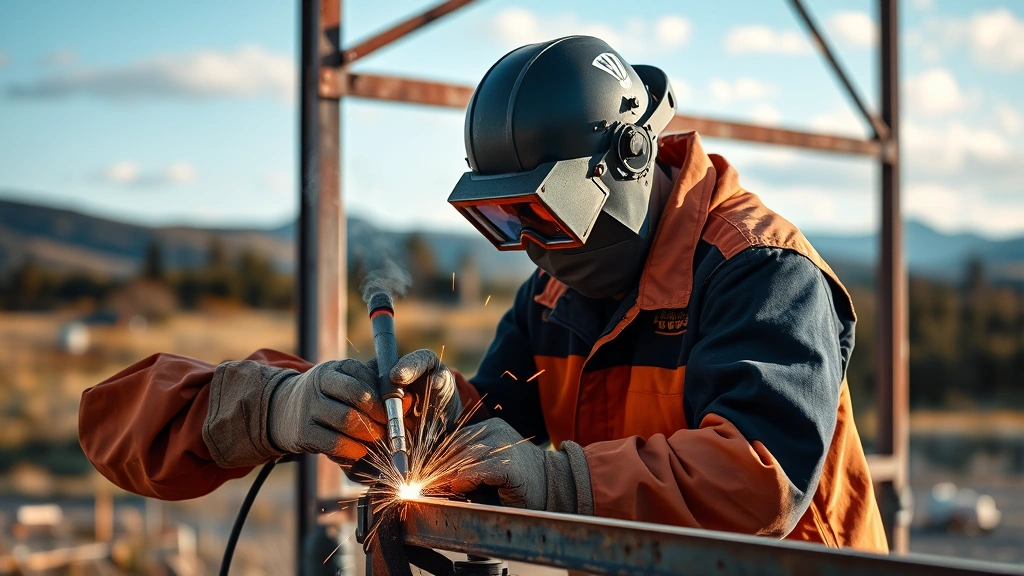
Is Gas Welding Eco-Friendly? Expert Analysis of Environmental Impact
Gas welding, also known as oxy-fuel welding, has been a cornerstone of metal fabrication and construction for over a century. Yet as environmental concerns intensify globally, professionals and businesses increasingly question whether this traditional welding method aligns with modern sustainability goals. The answer is nuanced—gas welding presents both environmental challenges and surprising advantages when compared to alternative methods.
Understanding the ecological footprint of gas welding requires examining emissions, energy consumption, resource depletion, and waste generation. This comprehensive analysis explores the environmental realities of gas welding operations, compares them with electric and other welding alternatives, and identifies best practices for minimizing ecological impact in welding operations.
How Gas Welding Works and Its Basic Environmental Profile
Gas welding utilizes a fuel gas—typically acetylene, propane, or natural gas—combined with oxygen to create a flame reaching temperatures around 3,000 degrees Celsius. This thermal energy melts metal edges together, creating strong joints. The process is relatively simple, portable, and requires minimal equipment compared to electric welding systems.
From an environmental perspective, gas welding presents a mixed profile. On one hand, it produces direct combustion emissions that contribute to air pollution and greenhouse gas release. On the other hand, the technology requires less infrastructure, lower upfront energy investment, and can utilize renewable fuel sources in certain applications. Understanding these trade-offs is essential for evaluating whether gas welding qualifies as an environmentally responsible practice.
The fundamental environmental impact of any gas welder operation depends on several factors: the type of fuel gas used, operational efficiency, ventilation systems, frequency of use, and regulatory compliance with emission standards. A well-maintained gas welding setup in a properly ventilated facility presents significantly lower environmental risk than poorly managed operations.
Emissions and Air Quality Impact
Gas welding generates several categories of emissions that affect air quality and climate. Carbon dioxide from fuel combustion contributes directly to greenhouse gas concentrations, while nitrogen oxides (NOx) form when fuel burns at high temperatures, contributing to ground-level ozone and acid rain. Additionally, gas welding produces particulate matter, including metal fumes and smoke, which pose respiratory health risks to workers and nearby populations.
According to research from the EPA Air Quality Division, welding operations are significant contributors to indoor air pollution in industrial settings. A single gas welder can emit approximately 0.5 to 1.5 kilograms of CO2 per hour of operation, depending on fuel type and efficiency. Over a year, a busy welding shop could generate emissions equivalent to several automobiles.
The specific emissions profile varies by fuel type. Acetylene welding produces more soot and particulate matter than propane welding, though both generate considerable CO2. Natural gas welding produces relatively cleaner combustion but remains a fossil fuel source. These emissions have both local air quality impacts—affecting workers and surrounding communities—and global climate implications.
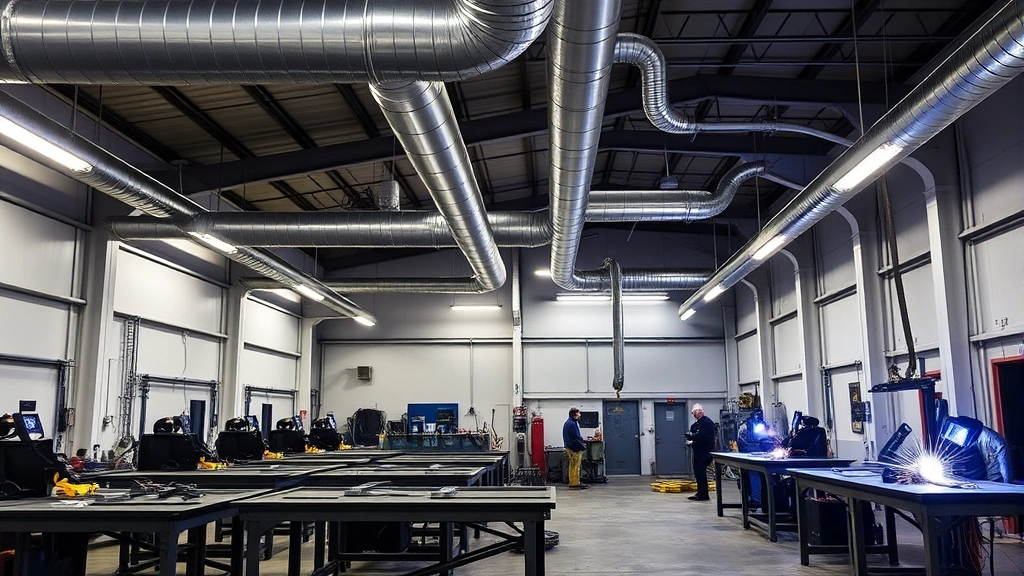
Proper ventilation systems significantly reduce exposure risks. Local exhaust ventilation directly above welding stations can capture 80-95% of fumes before they disperse into the breathing zone. However, even with adequate ventilation, the fundamental carbon emissions from fuel combustion remain a sustainability concern.
Energy Consumption Comparison
When evaluating whether gas welding is eco-friendly, energy consumption analysis reveals important distinctions from other welding methods. Gas welding requires two distinct energy inputs: the fuel gas itself and oxygen, which must be produced, compressed, and transported. This dual-source requirement creates an energy footprint before any welding even begins.
Producing industrial oxygen through air separation requires significant electrical energy—approximately 0.3-0.5 kilowatt-hours per cubic meter. Acetylene production is even more energy-intensive, requiring calcium carbide processing or hydrocarbon cracking. When you factor in compression, storage, and distribution to job sites, the total energy input for gas welding becomes substantial.
However, gas welders themselves are relatively efficient at converting fuel energy into welding heat. The thermal efficiency of oxy-fuel welding ranges from 20-30%, meaning 20-30% of the fuel energy actually goes into melting metal, while the remainder dissipates as heat and waste. This efficiency rate is comparable to or sometimes better than certain electric welding processes, though gas versus electric comparisons reveal that electricity sourcing matters significantly for overall environmental impact.
The portability of gas welding equipment offers an often-overlooked energy advantage. Mobile gas welders require no on-site electrical infrastructure, reducing construction energy demands for temporary welding operations. For remote job sites or emergency repairs, gas welding may actually consume less total energy than establishing electrical power systems for electric welders.
Gas Welding vs Electric Welding
Comparing gas welding to electric welding methods—including MIG (Metal Inert Gas), TIG (Tungsten Inert Gas), and stick welding—requires examining multiple environmental dimensions. The choice between methods involves trade-offs that don’t yield a universally “greenest” answer.
Electric welding advantages: Electric welders produce zero direct combustion emissions at the point of use. If powered by renewable electricity sources, electric welding becomes significantly more sustainable than gas welding. Electric processes also offer superior weld quality consistency, reducing rework and material waste. MIG and TIG welding achieve higher deposition rates, meaning less time and energy per completed joint.
Gas welding advantages: Gas welding requires no electrical grid connection, beneficial in areas with unreliable power infrastructure or remote locations. The equipment is simpler, requires minimal maintenance, and can operate indefinitely without electrical supply. For certain applications—particularly outdoor work, field repairs, and artistic metalwork—gas welding’s independence from electrical systems provides genuine sustainability advantages.
The environmental verdict depends on electricity sources. In regions powered primarily by renewable energy, electric welding clearly outperforms gas welding. In areas reliant on fossil fuel power plants, the advantage diminishes. A comprehensive evaluation of sustainable energy solutions reveals that electricity’s carbon intensity varies dramatically by location—from near-zero in hydroelectric regions to 0.8+ kg CO2 per kilowatt-hour in coal-dependent areas.
For most industrial operations in developed nations, switching from gas welding to electric welding powered by grid electricity represents a net environmental benefit, assuming the grid includes renewable components. However, the transition cost and operational changes must be weighed against incremental environmental gains.
Resource Depletion and Sustainability Concerns
Gas welding depends on finite fossil fuel resources, creating long-term sustainability questions. Both acetylene and propane are derived from petroleum and natural gas—non-renewable resources extracted through environmentally damaging processes. Beyond the combustion emissions, resource extraction for fuel production causes habitat disruption, water pollution, and ecosystem damage.
Acetylene production through calcium carbide processing generates considerable waste products, including calcium hydroxide slurry that requires proper disposal. Propane and natural gas extraction involves hydraulic fracturing in many modern operations, which carries environmental risks including groundwater contamination and methane leakage. These upstream impacts, often invisible to end-users, significantly increase gas welding’s true environmental footprint.
Oxygen, while technically renewable (derived from atmospheric air), requires energy-intensive industrial production. Cryogenic air separation plants consume substantial electricity and produce their own emissions. The complete resource consumption picture for gas welding extends far beyond the visible welding flame.
In contrast, electric welding powered by renewable sources—solar, wind, or hydroelectric—represents genuine sustainability. Some progressive welding shops have installed solar panels specifically to power their electric welding operations, creating truly low-carbon welding capabilities. This renewable-powered approach represents the future of sustainable welding technology.
Waste Management in Gas Welding Operations
Gas welding generates multiple waste streams requiring proper management. Metal slag—the byproduct of melted filler material and base metal oxidation—accumulates on work surfaces and must be cleaned and disposed of. While slag can sometimes be recycled into construction materials or abrasives, much ends up in landfills.
Spilled and leaked gases represent another waste concern. Acetylene and propane leaks not only waste resources but contribute to atmospheric pollution. Proper equipment maintenance and storage protocols are essential for minimizing losses. Studies indicate that poorly maintained gas welding facilities can lose 5-15% of purchased gases through leaks.
Used gas cylinders require recycling or refurbishment. Empty acetylene and propane cylinders are typically returned to suppliers for refilling, creating a circular supply system. However, damaged or corroded cylinders may end up in scrap metal recycling or, worse, in landfills if not properly managed.
Consumable electrodes and filler materials are used up during welding and cannot be recovered. Choosing filler materials that match the base metal composition reduces incompatibility waste and improves joint longevity, indirectly reducing environmental impact by producing longer-lasting welds requiring less future repair work.
Proper ventilation system maintenance is critical for waste management. Filters collecting metal particulates must be regularly replaced and disposed of properly, as they often contain hazardous materials. Some facilities have implemented filter recycling programs to recover valuable metals before disposal.
Best Practices for Eco-Conscious Gas Welders
For professionals committed to minimizing environmental impact while using gas welding technology, several evidence-based best practices emerge from sustainability research.
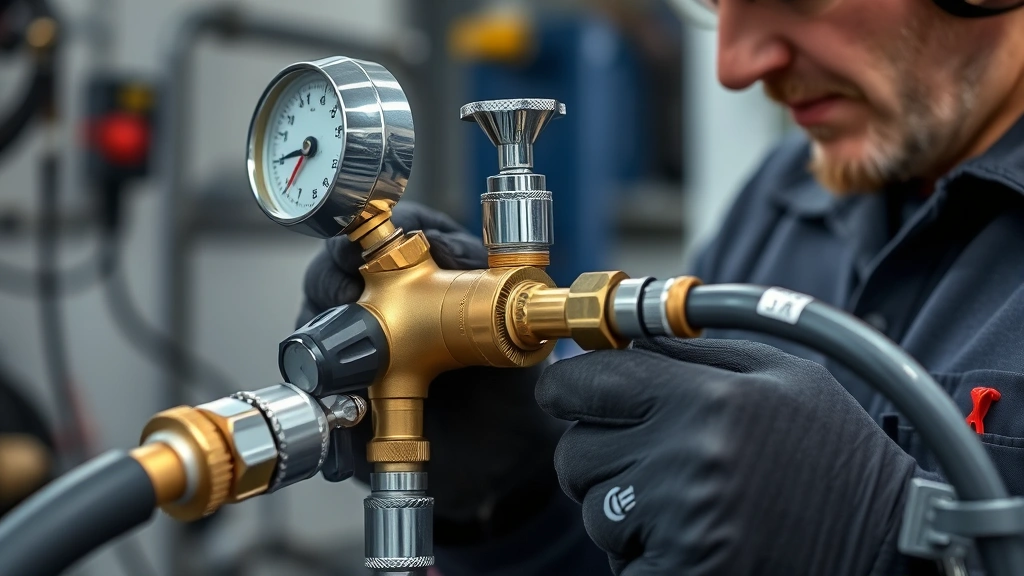
- Regular equipment maintenance: Well-maintained gas welders operate more efficiently, reducing fuel consumption and emissions. Regular inspections of hoses, regulators, and connections prevent costly leaks. A quarterly maintenance schedule typically reduces gas loss by 50-70%.
- Operator training and technique: Skilled gas welders produce higher-quality joints on the first attempt, reducing rework and material waste. Investment in professional development resources pays environmental dividends through reduced scrap rates.
- Ventilation optimization: Installing and maintaining effective local exhaust ventilation directly above welding stations dramatically reduces air quality impacts. Capture efficiency should exceed 80% for responsible operations.
- Fuel selection: Where feasible, propane welding produces fewer particulates than acetylene. Natural gas welding, where infrastructure exists, offers slightly cleaner combustion. Evaluating advantages of natural gas for specific applications can guide fuel choices.
- Material efficiency: Optimizing joint design to minimize filler material consumption directly reduces waste and environmental impact. Computer-aided design analysis can identify material-efficient configurations.
- Waste segregation: Separating metal slag, used consumables, and other waste streams enables proper recycling and recovery, diverting materials from landfills.
- Transition planning: For permanent installations, developing a transition strategy toward electric welding powered by renewable electricity represents a long-term sustainability commitment.
Future of Sustainable Welding Technology
The welding industry is actively developing more sustainable alternatives to traditional gas welding. Hybrid welding systems combining gas and electric processes are emerging, offering efficiency advantages while reducing fuel consumption. These systems use gas primarily for shielding while electric arcs provide primary heat, achieving superior weld quality with lower overall energy input.
Renewable-powered electric welding represents the most promising sustainability direction. Welding shops investing in on-site solar or wind generation can achieve near-zero-emission operations. Battery-powered portable electric welders are advancing rapidly, enabling field work without combustion fuels.
Advanced materials research is developing low-temperature welding techniques and adhesive bonding alternatives that could eventually reduce or eliminate high-temperature welding requirements for certain applications. Carbon fiber composite joints and other innovations may reshape the welding industry within decades.
Digitalization and AI optimization enable real-time monitoring of gas welding operations, automatically adjusting parameters for maximum efficiency and minimum waste. Smart gas welders equipped with sensors can reduce fuel consumption by 15-25% compared to manually operated equipment.
Industry standards and certifications are increasingly incorporating environmental criteria. The International Organization for Standardization (ISO) and environmental management standards now include welding operation requirements. Facilities seeking ISO 14001 certification must demonstrate continuous improvement in welding environmental performance.
Regulatory pressure continues mounting globally. The European Union’s Emissions Trading System now includes industrial welding operations, creating financial incentives for emissions reduction. Similar regulations are spreading to other developed nations, making gas welding less economically attractive unless operators implement significant efficiency improvements.
FAQ
Is gas welding completely non-eco-friendly?
No. While gas welding produces direct emissions and depends on fossil fuels, it’s not inherently worse than all alternatives. In specific contexts—remote locations, emergency repairs, or areas with carbon-intensive electricity grids—gas welding may be the most practical choice. However, for permanent installations in areas with reliable electrical infrastructure and renewable energy sources, electric welding is generally more sustainable.
What’s the carbon footprint of a typical gas welding operation?
A moderate-use gas welder operating 4 hours daily generates approximately 2-3 metric tons of CO2 annually from fuel combustion alone. When including upstream emissions from fuel production, oxygen generation, and equipment manufacturing, the total environmental impact reaches 3-4 metric tons CO2 equivalent annually—comparable to driving a passenger vehicle 8,000-12,000 kilometers.
Can gas welding ever be truly sustainable?
Gas welding cannot be carbon-neutral using fossil fuel sources. However, synthetic fuels produced from renewable sources (green hydrogen or biofuels) could theoretically enable sustainable gas welding in the future. Currently, no commercially viable green fuel gases exist for welding applications, though research continues.
How does propane welding compare to acetylene welding environmentally?
Propane welding produces cleaner combustion than acetylene, generating fewer particulates and slightly lower overall emissions. However, both are fossil fuels with similar carbon intensity. The choice between them should consider specific application requirements rather than viewing either as significantly more sustainable than the other.
What’s the most eco-friendly welding method available today?
Electric welding powered by renewable electricity (solar, wind, or hydroelectric) represents the lowest-emission option. MIG and TIG welding with renewable power sources achieve near-zero operational emissions. For maximum sustainability, combine renewable-powered electric welding with optimized techniques that minimize rework and material waste.
Should my business switch from gas to electric welding for environmental reasons?
The decision depends on multiple factors: your electricity grid’s carbon intensity, available capital for equipment transition, operational requirements, and timeline. In regions with renewable-heavy electricity grids, switching provides immediate environmental benefits. In coal-dependent regions, benefits are smaller but still positive. Consult with sustainability professionals and compare your specific local conditions before making capital investments.
Are there regulations requiring reduced emissions from gas welding?
Regulations vary significantly by location. The European Union, California, and increasingly other jurisdictions have implemented air quality standards affecting welding operations. Many areas require proper ventilation systems and emission monitoring. Check your local environmental agency requirements, as compliance costs often provide financial justification for upgrading to more efficient equipment.


