Is Electric Car Emission-Free? Science Explains
Electric vehicles have revolutionized transportation discourse, yet a critical question persists: are they truly emission-free? While electric cars produce zero tailpipe emissions, the complete picture involves examining the entire lifecycle—from electricity generation to manufacturing and disposal. Understanding this nuance is essential for making informed decisions about advantages of electric vehicles and their genuine environmental impact.
The answer isn’t simply yes or no. Electric vehicles represent a significant advancement in reducing transportation-related greenhouse gases, but their environmental footprint depends heavily on the energy grid’s composition, manufacturing processes, and regional electricity sources. This comprehensive analysis explores the science behind electric car emissions, debunking myths while acknowledging real challenges.
Understanding Tailpipe Emissions vs. Lifecycle Emissions
Electric vehicles produce absolutely zero tailpipe emissions—no nitrogen oxides, particulate matter, or carbon dioxide emerges from their exhaust pipes. This represents a monumental shift from internal combustion engines that release harmful gases and gasses directly into our atmosphere. However, the absence of tailpipe emissions doesn’t automatically mean zero environmental impact.
Lifecycle emissions encompass all greenhouse gases produced during a vehicle’s existence, including manufacturing, electricity generation for charging, and end-of-life recycling. When analyzing whether electric cars are truly emission-free, scientists examine this broader perspective. Manufacturing an electric vehicle, particularly its battery, generates significant carbon emissions upfront. A typical lithium-ion battery pack requires energy-intensive mining, processing, and assembly operations.
The critical metric is the break-even point—the mileage at which an EV’s lower operational emissions offset its higher manufacturing emissions. Research from International Council on Clean Transportation demonstrates that most EVs achieve this within 15,000 to 30,000 miles, depending on local electricity sources. After this threshold, electric vehicles operate with substantially lower emissions than gasoline counterparts.
Understanding definition of sustainability helps contextualize why this matters: sustainable solutions must consider environmental impact across entire product lifecycles, not merely isolated stages.
The Role of Electricity Grids in EV Emissions
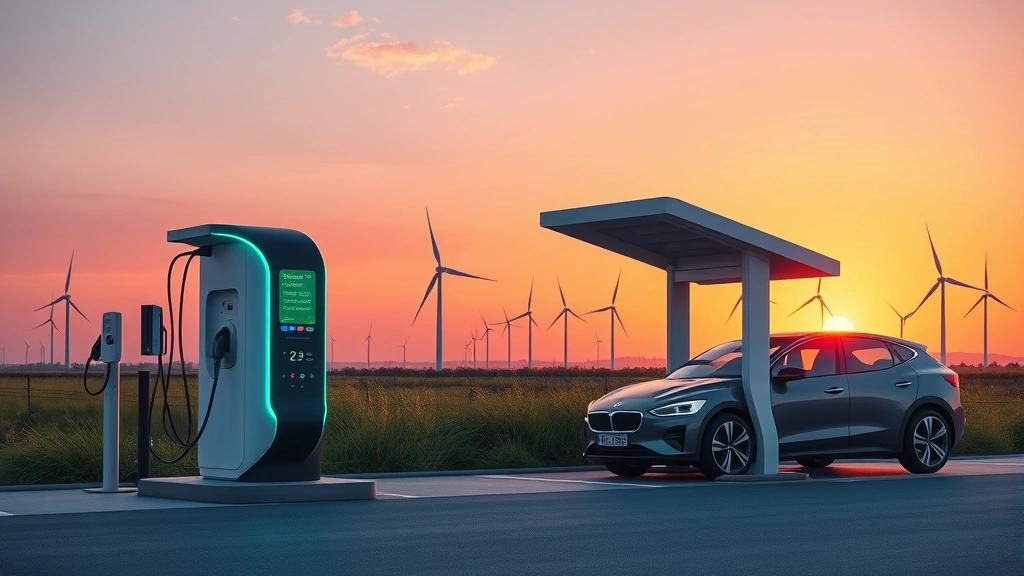
The electricity grid’s composition fundamentally determines whether electric cars function as genuinely clean transportation. In regions powered predominantly by renewable energy sources—solar, wind, and hydroelectric—electric vehicles operate with minimal emissions. Conversely, grids relying heavily on fossil fuel power plants generate significantly more emissions per kilowatt-hour.
Consider these grid realities: a coal-heavy grid produces approximately 1,000 grams of CO2 per kilowatt-hour, while a renewable-heavy grid produces fewer than 100 grams. An electric vehicle charging on renewable-powered infrastructure represents fundamentally different environmental performance than one charged on coal-dependent grids. This distinction explains why location matters tremendously when evaluating EV environmental credentials.
The scientific consensus, supported by EPA research on electric vehicles, confirms that even in regions with mixed-source grids, EVs produce fewer lifecycle emissions than gasoline vehicles. Even charging from a 50% coal grid results in lower emissions than comparable gasoline cars.
Progressive grid modernization—increasing renewable energy percentages annually—means future EV emissions will decrease continuously. This trajectory distinguishes electric vehicles from gasoline cars, whose emissions remain static. As grids decarbonize, every previously purchased EV automatically becomes cleaner without any mechanical modification.
Manufacturing and Battery Production Impact
Battery manufacturing represents the most energy-intensive and emission-heavy stage of EV production. Extracting lithium, cobalt, and nickel requires substantial energy and generates mining-related environmental concerns. Processing these raw materials into battery cells demands significant electrical input, typically produced from regional grids.
A standard electric vehicle battery (60-100 kWh capacity) generates approximately 2-8 tons of CO2 emissions during manufacturing, depending on production location and energy sources. This substantial upfront carbon debt creates the break-even calculation discussed earlier. However, innovations in battery technology continuously improve manufacturing efficiency.
Current developments include:
- Dry electrode coating reduces manufacturing energy by 10-15% while improving battery performance
- Recycling programs recover 90%+ of battery materials, reducing future mining demands
- Localized production decreases transportation emissions and leverages regional renewable energy
- Solid-state batteries promise higher energy density with potentially lower manufacturing emissions
The automotive industry increasingly recognizes battery sustainability as crucial. Major manufacturers now publish carbon footprint reports detailing manufacturing emissions and improvement initiatives. This transparency enables consumers to compare environmental performance across brands and models.
Comparing EVs to Gasoline Vehicles
Scientific analysis consistently demonstrates that electric vehicles produce substantially fewer lifecycle emissions than gasoline-powered cars, even accounting for manufacturing differences. A typical mid-size EV generates 50-70% fewer emissions over its lifetime compared to equivalent gasoline vehicles, depending on grid composition.
The emissions comparison breaks down as follows:
- Manufacturing phase: EV slightly higher due to battery production
- Operational phase: EV dramatically lower, especially as electricity grids decarbonize
- End-of-life phase: EV potentially lower due to battery recycling value
Gasoline vehicles emit 4-6 tons of CO2 annually from fuel combustion alone. Even in coal-heavy regions, an EV charged from that grid produces fewer total emissions. As electricity grids transition toward renewable sources, this advantage exponentially increases.
Consider that sustainable energy solutions increasingly dominate grid expansion. New electrical generation capacity comes almost exclusively from renewables, meaning the grid powering today’s EVs becomes progressively cleaner yearly. This fundamental difference—EVs improving with time while gasoline cars remain static—represents a paradigm shift in transportation sustainability.
The average gasoline vehicle produces 4.6 metric tons of CO2 annually. An EV in a typical U.S. grid (roughly 40% renewable) produces approximately 1.5 metric tons annually. This 67% reduction dramatically impacts cumulative emissions over vehicle lifespans.
Regional Variations in EV Cleanliness
Electric vehicle environmental performance varies significantly by geography. An EV charged in California, powered 60% by renewables, operates far cleaner than one charged in West Virginia, where coal represents 85% of electricity generation. Understanding these regional differences helps consumers make location-specific decisions.
Grid composition varies dramatically across regions:
- Pacific Northwest: 70%+ hydroelectric and wind, extremely clean EV operation
- California: 60%+ renewable energy, strong EV environmental advantage
- Texas: 30% wind with growing solar, improving EV cleanliness
- Midwest: 20-40% renewable mix, moderate EV advantage
- Coal-dependent regions: 10-20% renewable, still cleaner than gasoline but less dramatically
Fortunately, this regional disparity continuously narrows. Every state experiences grid decarbonization, with renewable capacity expanding nationwide. States without significant renewable generation increasingly adopt solar and wind, progressively improving EV environmental performance.
Consumers in coal-heavy regions should recognize that even suboptimal grids deliver environmental benefits. An EV charged from West Virginia’s coal-heavy grid still produces 30-40% fewer emissions than gasoline vehicles. Additionally, driving an EV creates economic incentive for grid modernization and renewable investment in those regions.
The Future of Cleaner Electricity
The trajectory of electricity generation strongly favors electric vehicles. Renewable energy capacity grows exponentially while coal generation declines. This trend means every EV purchased today will become progressively cleaner throughout its operational life—a dynamic advantage gasoline vehicles cannot match.
Projections indicate that by 2035, most U.S. grids will source 70-80% of electricity from renewable sources. This transformation fundamentally changes EV environmental performance. A vehicle purchased today and driven for 15 years will operate in an increasingly clean-energy environment, continuously improving its sustainability profile.
Advanced technologies amplify this advantage:
- Vehicle-to-grid (V2G) technology allows EVs to stabilize renewable energy integration by storing excess solar and wind generation
- Smart charging optimizes charging during peak renewable production periods
- Battery storage systems complement grid-scale renewable deployment
- Bidirectional charging transforms EVs into distributed energy resources
Explore green technology innovations reshaping energy systems. Electric vehicles represent only one component of comprehensive decarbonization strategies. When integrated with renewable energy expansion and grid modernization, EVs become increasingly powerful climate solutions.
The scientific evidence from National Renewable Energy Laboratory confirms that electric vehicles will become cleaner over time as grids decarbonize. This self-improving characteristic distinguishes them from all other transportation technologies.
Addressing Common Misconceptions
Several myths persist about electric vehicle emissions. Addressing these misconceptions with scientific evidence clarifies the genuine environmental picture. One widespread claim suggests that coal power plants offset EV benefits—this oversimplifies complex energy systems.
While coal plants do generate significant emissions, modern power plants operate with 40-45% efficiency. Gasoline engines operate at 20-30% efficiency. This efficiency gap means EVs powered by coal plants still produce fewer emissions than direct combustion vehicles. Furthermore, coal represents decreasing percentages of most grids, making this comparison increasingly irrelevant.
Another misconception concerns battery recycling. Critics suggest that battery disposal creates toxic waste and environmental hazards. Modern lithium-ion battery recycling recovers 90-95% of valuable materials, including lithium, cobalt, and nickel. Recycled materials reduce future mining demands and manufacturing emissions, creating circular economy benefits.
Some claim that manufacturing emissions make EVs worse than gasoline cars. While manufacturing does generate emissions, the break-even point occurs relatively quickly—typically within 15,000-30,000 miles. Over a vehicle’s 200,000+ mile lifespan, operational efficiency dominates the emissions calculation, favoring EVs substantially.
Understanding these nuances requires examining complete scientific analyses rather than isolated claims. International Energy Agency reports consistently confirm that electric vehicles deliver genuine environmental benefits compared to gasoline vehicles across all scenarios and grid compositions.
Making Sustainable Transportation Choices
Choosing an electric vehicle represents a meaningful step toward personal sustainability. However, maximizing environmental benefits requires complementary actions. Explore how to save energy at home, including strategies for charging EVs during renewable generation peaks.
Consider these optimization strategies:
- Charge during off-peak hours when renewable generation typically peaks (early morning, windy periods)
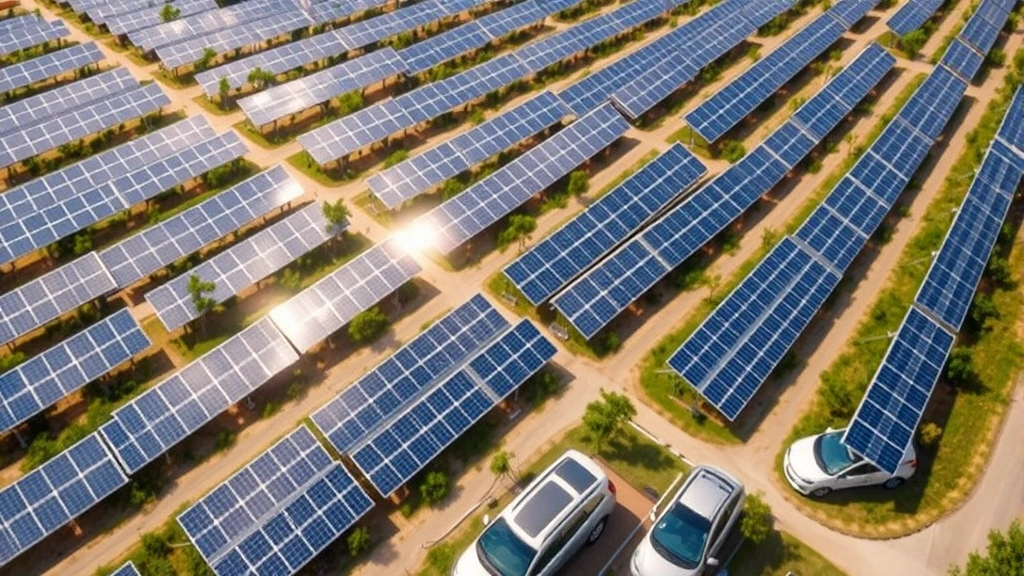
- Install home solar to directly power EV charging with zero-emission electricity
- Use public charging networks powered by renewable sources
- Combine EV ownership with reduced driving through remote work and transit alternatives
- Support grid modernization initiatives in your region
The comprehensive picture reveals that electric vehicles are not perfectly emission-free—nothing manufactured and operated in current systems achieves absolute zero. However, they represent dramatically superior environmental performance compared to gasoline vehicles and continuously improve as electricity grids decarbonize.
Visit the SustainWise Hub Blog for additional sustainability resources and practical guidance on eco-conscious living choices.
FAQ
Are electric cars completely emission-free?
Electric vehicles produce zero tailpipe emissions but generate lifecycle emissions through electricity generation, manufacturing, and battery production. However, their total lifetime emissions are 50-70% lower than gasoline vehicles, and this advantage increases as electricity grids decarbonize.
What about the electricity used to charge electric vehicles?
Electricity sources vary by region. In renewable-heavy areas, EV charging produces minimal emissions. Even in coal-dependent regions, EVs produce fewer emissions than gasoline cars because power plants operate more efficiently than internal combustion engines. Grid decarbonization continuously improves EV environmental performance.
Do battery manufacturing emissions offset EV benefits?
Battery manufacturing generates substantial upfront emissions, but EVs achieve break-even within 15,000-30,000 miles. Over a vehicle’s 200,000+ mile lifespan, operational efficiency dramatically outweighs manufacturing impacts. Battery recycling further reduces future manufacturing emissions.
How do EVs compare to hybrid vehicles?
Pure electric vehicles produce fewer lifecycle emissions than hybrids, particularly in regions with cleaner electricity grids. While hybrids offer advantages for specific use cases, EVs deliver superior environmental performance and will improve continuously as grids decarbonize.
Can I make my EV completely emission-free?
You can substantially reduce or eliminate EV charging emissions by installing rooftop solar, using public charging powered by renewables, or choosing utilities offering 100% renewable energy plans. These strategies transform EV operation into genuinely zero-emission transportation.
What happens to EV batteries at end-of-life?
Modern lithium-ion batteries undergo sophisticated recycling processes recovering 90-95% of valuable materials. Second-life applications repurpose degraded batteries for stationary energy storage before recycling. This circular approach reduces mining demands and manufacturing emissions for future vehicles.


