
Chlorine Gas Leak: Safety Measures at Grand Canyon
The Grand Canyon, one of America’s most iconic natural wonders, attracts millions of visitors annually who seek to experience its breathtaking vistas and geological significance. However, like many popular destinations with infrastructure supporting tourism and water treatment operations, the Grand Canyon region faces potential industrial hazards that demand rigorous safety protocols. A chlorine gas leak incident at or near the Grand Canyon exemplifies the critical importance of understanding chemical safety, emergency response procedures, and environmental protection measures in sensitive ecosystems.
Chlorine gas, widely used in water disinfection and sanitation processes throughout hospitality facilities and municipal water systems, poses serious health and environmental risks when released uncontentedly. Understanding the mechanisms of such incidents, their potential consequences, and the comprehensive safety measures required to prevent and respond to chlorine gas leaks is essential for protecting both human health and the pristine natural environment of the Grand Canyon region.
Understanding Chlorine Gas and Its Uses
Chlorine gas (Cl₂) remains one of the most widely utilized chemicals in modern water treatment and sanitation applications. At the Grand Canyon, water treatment facilities serving lodges, visitor centers, and residential areas rely on chlorine-based disinfection to eliminate harmful pathogens and maintain safe drinking water standards. The chemical’s effectiveness at neutralizing bacteria, viruses, and other microorganisms makes it indispensable for public health protection.
However, chlorine’s utility comes with inherent risks. As a toxic gas denser than air, chlorine settles in low-lying areas and can cause severe respiratory damage upon inhalation. The chemical’s corrosive nature demands specialized storage containers, handling equipment, and trained personnel. Facilities managing chlorine must implement multiple layers of protection to prevent accidental releases that could compromise worker safety and contaminate the surrounding environment.
When considering how to reduce your environmental footprint, it’s crucial to recognize that industrial safety directly impacts ecological preservation. Proper chemical management prevents soil contamination, water pollution, and ecosystem disruption that could take decades to remediate in sensitive areas like the Grand Canyon.
The Grand Canyon Incident: Context and Details
The Grand Canyon region, encompassing both the national park and surrounding communities, maintains multiple water treatment systems essential for supporting tourism infrastructure and year-round residents. These facilities operate continuously to provide safe potable water to lodges, campgrounds, administrative buildings, and employee housing throughout the expansive park area.
Any chlorine gas leak incident at Grand Canyon facilities represents a potential emergency requiring immediate activation of comprehensive response protocols. Such incidents typically occur due to equipment malfunction, storage container corrosion, improper handling procedures, or maintenance failures. The consequences extend beyond immediate worker exposure to include potential threats to visitor safety, environmental contamination, and disruption of essential services.
Understanding the specific circumstances of any chlorine incident requires examining maintenance records, equipment inspection histories, staff training documentation, and environmental monitoring data. Facilities must maintain detailed logs of all chemical storage, handling, and usage to identify patterns indicating maintenance needs or procedural deficiencies.
Health Impacts of Chlorine Gas Exposure
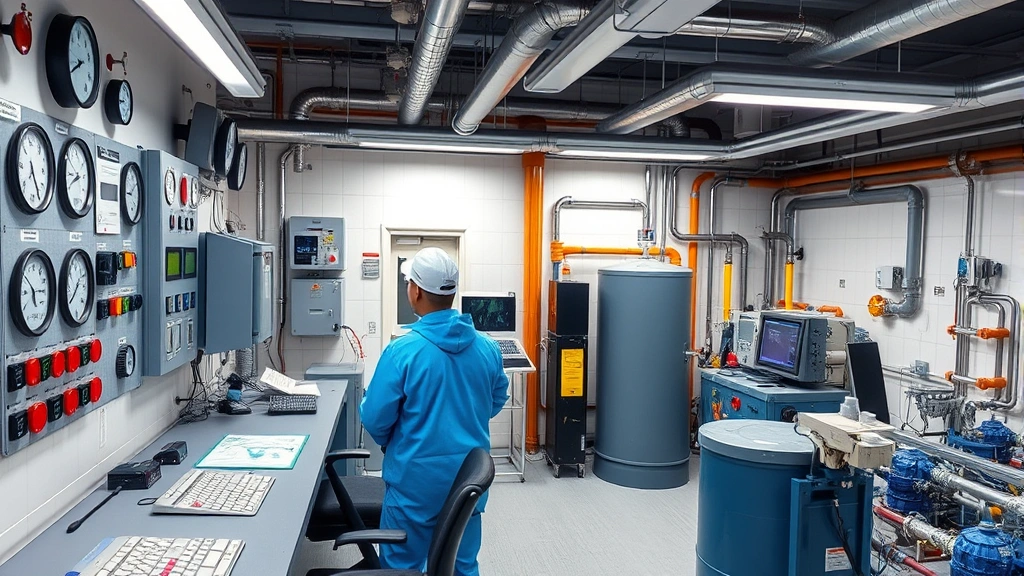
Chlorine gas exposure produces immediate and potentially severe health effects depending on concentration levels and duration of contact. Even brief exposure to elevated chlorine concentrations can trigger acute respiratory distress, characterized by coughing, wheezing, chest tightness, and difficulty breathing. Individuals with pre-existing asthma, bronchitis, or other respiratory conditions face elevated vulnerability to severe reactions.
At the Grand Canyon, where visitors include elderly individuals, children, and people with compromised immune systems, chlorine exposure represents a public health emergency requiring immediate evacuation and medical intervention. Skin and eye contact with chlorine gas causes chemical burns and temporary vision impairment. Prolonged exposure at high concentrations can result in pulmonary edema, a life-threatening condition where fluid accumulates in lung tissue, preventing oxygen absorption.
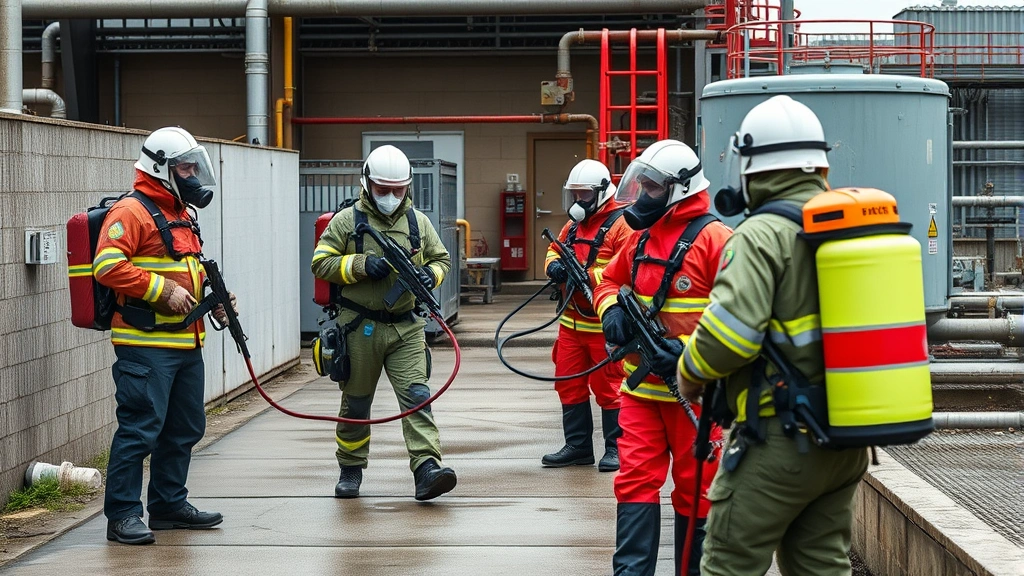
Workers directly handling chlorine face occupational exposure risks that demand rigorous personal protective equipment (PPE) protocols, including respiratory protection, chemical-resistant clothing, gloves, and face shields. Medical surveillance programs should monitor worker health indicators and provide baseline respiratory function assessments to detect early signs of chronic exposure effects.
First responders and emergency medical personnel require specialized training in recognizing and treating chlorine exposure symptoms. Treatment protocols emphasize immediate removal from contaminated areas, oxygen administration, and supportive care to manage respiratory distress. Understanding sustainable energy solutions includes recognizing that cleaner industrial processes reduce reliance on hazardous chemicals like chlorine.
Emergency Response Protocols
Effective response to chlorine gas leaks demands pre-established procedures, trained personnel, and accessible emergency resources positioned strategically throughout the facility. Water treatment plants at Grand Canyon should maintain comprehensive emergency action plans detailing evacuation routes, assembly points, communication procedures, and medical response protocols.
Initial response steps include immediately activating facility alarms to alert occupants of the hazard, initiating evacuation of affected areas, and notifying emergency services. Designated personnel with specialized training in hazardous materials response should attempt to locate and isolate the leak source using calibrated detection equipment. Depending on leak severity and location, responders may attempt to close isolation valves or deploy emergency containment measures.
Communication systems must reliably transmit information to all facility occupants, nearby visitors, and external emergency responders. Multiple notification channels—including audible alarms, public address systems, text alerts, and radio communications—ensure message delivery despite potential communication infrastructure damage. The Grand Canyon’s remote location necessitates particularly robust backup communication systems to reach emergency services across distances that may exceed 100 miles.
Medical response teams should establish treatment zones for exposed individuals, prioritizing those exhibiting severe respiratory distress. Oxygen therapy, intravenous fluids, and medications to reduce airway inflammation represent standard treatment modalities. Evacuation to regional medical facilities capable of providing advanced respiratory support, including mechanical ventilation, may be necessary for severely affected individuals.
Prevention and Safety Infrastructure
Preventing chlorine gas leaks requires comprehensive facility design, equipment selection, maintenance programs, and operational procedures that eliminate or substantially reduce release probability. Modern water treatment facilities employ secondary containment systems where chlorine storage containers sit within impermeable basins designed to capture any leaked material before it can enter the environment.
Storage area design should incorporate ventilation systems that rapidly remove any airborne chlorine gas, directing it away from occupied spaces and toward atmospheric dispersal in areas with minimal population exposure. Emergency eyewash stations and safety showers must be immediately accessible throughout chemical handling areas, allowing workers to decontaminate rapidly if exposure occurs.
Equipment selection emphasizes corrosion-resistant materials, redundant safety systems, and fail-safe mechanisms that default to safe conditions during power loss or system malfunction. Chlorine injection systems should employ check valves preventing backflow, regulators limiting pressure, and automated shutoff mechanisms responding to detection of abnormal conditions.
Regular maintenance schedules address equipment aging, corrosion progression, and wear patterns that could compromise containment integrity. Facilities should conduct hydrostatic testing of storage containers at manufacturer-recommended intervals, typically every five to ten years, to verify structural integrity. Inspection programs should examine gaskets, seals, and connection points where leaks frequently originate.
Worker training programs must exceed minimum regulatory requirements, incorporating hands-on practice with emergency equipment, simulated leak response scenarios, and regular refresher training to maintain skill proficiency. Certification programs verifying competency in chlorine handling should be renewed periodically to ensure personnel maintain current knowledge of safety procedures and best practices.
Environmental Protection Measures
Chlorine gas leaks pose direct threats to the Grand Canyon’s sensitive ecosystems and water resources. The Colorado River, flowing through the canyon, supports aquatic life and provides water for downstream communities across Arizona, Nevada, California, and Mexico. Any chlorine contamination could disrupt aquatic ecosystems and compromise water quality for millions of people.
Environmental monitoring programs should establish baseline measurements of air and water quality parameters near water treatment facilities. Continuous or frequent sampling enables rapid detection of chlorine or its byproducts entering surface waters or groundwater. Monitoring data informs facility operation adjustments and identifies potential leak sources before major incidents occur.
Secondary containment systems must prevent leaked chlorine from entering soil or groundwater. Impermeable liners in containment basins, combined with drainage systems directing captured material to treatment areas where chlorine can be neutralized through chemical reaction with alkaline solutions, protect subsurface environments. Regular integrity inspections verify that liners remain undamaged and drainage systems function properly.
Implementing green technology innovations in water treatment offers alternatives to traditional chlorine-based disinfection. Ultraviolet light, ozone generation, and advanced oxidation processes eliminate pathogens without introducing hazardous chemicals requiring dangerous handling procedures. Transitioning toward these alternative technologies represents a long-term sustainability strategy reducing both safety risks and environmental impacts.
Regulatory Framework and Compliance
Chlorine handling at Grand Canyon facilities falls under stringent federal and state regulatory frameworks. The Occupational Safety and Health Administration (OSHA) establishes workplace exposure limits and requires employers to implement controls maintaining chlorine concentrations below permissible exposure limits. The Environmental Protection Agency (EPA) regulates chlorine storage and handling under the Risk Management Program (RMP) rule, requiring facilities to develop comprehensive risk assessments and prevention programs.
The Hazardous Chemical Storage regulations mandate secondary containment systems, emergency response procedures, and regular safety audits. Arizona Department of Environmental Quality (ADEQ) implements state-level oversight, conducting inspections and enforcing compliance with storage and handling standards.
Facilities must maintain current permits documenting their chlorine storage quantities, handling procedures, and safety measures. Permit renewal processes require updated risk assessments and certifications that safety systems remain functional. Failure to maintain compliance exposes facility operators to substantial civil penalties and potential criminal liability if negligence contributes to injury or environmental damage.
Regular third-party safety audits conducted by qualified professionals external to facility operations provide objective assessment of compliance status and identification of improvement opportunities. Audit reports should document findings, recommendations, and timelines for corrective actions, with facility management demonstrating commitment to implementing suggested improvements.
Community Preparedness and Education
Effective response to chlorine emergencies requires community-wide preparedness extending beyond facility personnel to include first responders, medical providers, and the general public. Emergency management agencies should coordinate training programs familiarizing law enforcement, fire departments, and emergency medical services with chlorine hazards, detection methods, and decontamination procedures.
Public education initiatives should inform Grand Canyon visitors and nearby residents about chlorine hazards, recognition of potential leak indicators (such as distinctive pungent odors), and appropriate response actions. Community members should understand that immediate evacuation away from affected areas represents the safest response, moving toward higher ground where chlorine gas concentrations diminish due to dispersion and atmospheric mixing.
Communication systems should reliably reach all stakeholders during emergencies. Text alert systems, social media notifications, local news media coordination, and public address systems ensure rapid dissemination of critical information during unfolding incidents. Clear messaging emphasizing specific evacuation directions prevents confusion that could delay response or direct people toward contaminated areas.
Mutual aid agreements between Grand Canyon facilities and regional emergency response organizations establish clear protocols for resource sharing, personnel deployment, and medical surge capacity during major incidents. Regular joint training exercises and tabletop simulations maintain organizational readiness and identify procedural gaps requiring attention before actual emergencies occur.
Considering advantages of electric vehicles and cleaner technologies reflects broader sustainability principles applicable to industrial operations. Facilities should continuously evaluate technological advances enabling transition away from hazardous chemical dependencies toward safer, more sustainable alternatives.
Best Practices and Industry Standards
The chemical industry has developed comprehensive best practice guidelines synthesizing lessons from decades of operational experience and accident investigations. The American Chemistry Council and Chlorine Institute publish detailed guidance documents addressing storage, handling, transportation, and emergency response procedures that exceed minimum regulatory requirements.
Facilities should adopt preventive maintenance programs exceeding manufacturer recommendations, recognizing that critical safety equipment warrants conservative replacement schedules prioritizing reliability over cost minimization. Predictive maintenance techniques utilizing vibration analysis, thermal imaging, and chemical composition monitoring identify equipment degradation before failures occur, enabling planned replacement during scheduled maintenance windows rather than emergency response situations.
Personnel qualification programs should require extensive training before individuals handle chlorine independently. Mentorship arrangements pairing experienced workers with newer staff facilitate knowledge transfer and ensure consistent application of safety procedures. Documentation systems tracking individual training completion, certifications, and competency assessments create accountability and enable identification of personnel requiring refresher instruction.
Incident reporting systems should encourage transparent documentation of near-misses, minor releases, and procedural deviations without punitive consequences that discourage reporting. Analysis of these reports identifies systemic issues and minor problems before they escalate into major incidents. Root cause analysis methodologies examine incident sequences, identifying human factors, equipment failures, and procedural inadequacies contributing to adverse events.
Return to the blog home to explore additional sustainability topics and environmental safety information relevant to protecting our natural treasures.
FAQ
What are the primary symptoms of chlorine gas exposure?
Acute chlorine exposure produces respiratory symptoms including coughing, wheezing, chest tightness, and difficulty breathing. Eye and skin contact causes chemical burns and irritation. Severe exposure can result in pulmonary edema, a life-threatening condition requiring immediate medical intervention. Individuals experiencing any of these symptoms should immediately evacuate to fresh air and seek medical evaluation.
How long does chlorine gas persist in the atmosphere after a leak?
Chlorine gas dispersal depends on atmospheric conditions, wind patterns, and leak magnitude. In open environments with moderate air movement, chlorine concentrations diminish rapidly as the gas disperses and mixes with surrounding air. However, in calm conditions or areas with poor ventilation, chlorine can persist for extended periods. Detection equipment enables monitoring of gas concentrations to determine when areas are safe for reoccupancy.
What should visitors do if they suspect a chlorine leak at Grand Canyon facilities?
Visitors noticing distinctive pungent chlorine odors or experiencing respiratory symptoms should immediately move away from the suspected leak source, preferably toward higher ground where gas concentrations are lower. They should alert facility staff or security personnel about their observations. Following facility evacuation procedures and instructions from emergency responders ensures personal safety and assists with coordinated response efforts.
How frequently should chlorine storage containers be inspected?
Regulatory standards require hydrostatic testing of chlorine storage containers at manufacturer-recommended intervals, typically every five to ten years. However, visual inspections should occur regularly—at minimum monthly—to detect obvious corrosion, damage, or deterioration. Facilities exceeding regulatory minimums through more frequent inspections demonstrate commitment to safety and identify problems before they compromise containment integrity.
Are there safer alternatives to chlorine-based water disinfection?
Yes, alternative disinfection technologies including ultraviolet light, ozone generation, and advanced oxidation processes effectively eliminate pathogens without the safety risks associated with chlorine gas handling. While these alternatives require different equipment and operational expertise, they eliminate hazardous chemical storage requirements and reduce environmental risks. Progressive facilities increasingly transition toward these safer technologies as part of comprehensive sustainability strategies.
What training do water treatment facility workers receive regarding chlorine safety?
Comprehensive training programs address chlorine properties, hazard recognition, proper handling procedures, personal protective equipment selection and use, emergency response protocols, and decontamination procedures. Hands-on practice with equipment, simulated leak scenarios, and regular refresher training maintain skill proficiency. Certification programs verify competency, with renewal requirements ensuring personnel maintain current knowledge of evolving best practices and regulatory requirements.


