Gas Station Snacks: Healthy Picks by Nutritionists
Stopping at a gas station doesn’t mean compromising your health or environmental values. While convenience stores are notorious for stocking ultra-processed foods laden with artificial ingredients, sodium, and added sugars, nutritionists have identified numerous options that support both your wellness goals and sustainable living practices. Making informed snack choices during travel reduces packaging waste, supports better nutrition, and aligns with mindful consumption habits that benefit our planet.
The average American visits a gas station roughly once a week, and many purchase snacks during these trips. This frequent touchpoint presents an opportunity to normalize healthier eating patterns and reduce the environmental impact of disposable packaging. By understanding which options deliver genuine nutritional value, you can fuel your body efficiently while making choices that reflect your commitment to sustainability and personal wellbeing.

Why Gas Station Nutrition Matters
Convenience stores capture approximately $200 billion in annual sales, with snacks representing a significant portion of purchases. The decisions you make at these locations compound over time, affecting energy levels, metabolism, and long-term health outcomes. Nutritionists emphasize that strategic snacking—choosing foods with balanced macronutrients and minimal processing—stabilizes blood sugar, prevents overeating at subsequent meals, and maintains sustained energy during travel or busy workdays.
Beyond personal health, your snacking choices carry environmental implications. Single-use packaging from processed snacks contributes to the 35 million tons of plastic waste Americans generate annually. When you reduce your environmental footprint through mindful consumption, you’re addressing a critical aspect of sustainability. Gas station snacking represents a concrete opportunity to align daily habits with environmental responsibility, making each purchase a vote for the food systems and packaging practices you want to support.
Travel and transportation often involve gas station visits, creating a natural connection to broader sustainability conversations. If you’re interested in advantages of electric vehicles, you likely appreciate holistic approaches to reducing impact. This extends to every decision you make, including what you consume during your journey.
Protein-Rich Snack Options
Protein is essential for sustained satiety, muscle maintenance, and stable blood glucose levels. Nutritionists consistently recommend protein-focused snacks as the foundation of healthy convenience store choices. Hard-boiled eggs, available at virtually all modern gas stations, provide approximately 6 grams of complete protein per egg, along with choline for cognitive function and lutein for eye health. These shelf-stable options require no refrigeration and come in minimal packaging.
Beef jerky and turkey jerky offer concentrated protein—typically 10-15 grams per serving—with minimal added ingredients when you select brands without excessive sugars or sodium. Look for products listing meat as the first ingredient, with fewer than 5 additional components. Grass-fed and sustainably sourced options increasingly appear in progressive convenience stores, reflecting consumer demand for ethically produced proteins that support better animal welfare and land management practices.
String cheese and individual cheese portions deliver calcium, vitamin B12, and protein in portable formats. While these contain some saturated fat, the nutritional density justifies inclusion in balanced snacking strategies. Greek yogurt cups, now stocked at most gas stations, provide 15-20 grams of protein alongside probiotics that support digestive health. The creamy texture satisfies cravings while delivering genuine nutritional substance.
Roasted chickpeas and lentil-based snacks represent emerging protein options that appeal to plant-forward eaters. These legume-based products offer fiber alongside protein, creating a more balanced macronutrient profile than conventional options. They typically come in compostable or recyclable packaging, aligning with sustainable living principles discussed across the SustainWise Hub Blog.
Nuts, Seeds, and Natural Fats
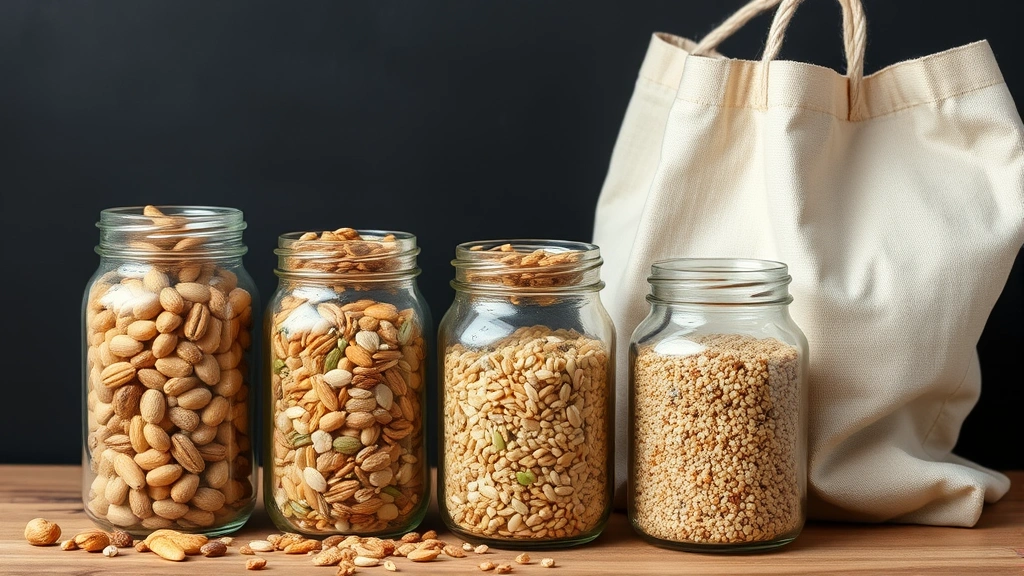
Nuts and seeds represent nutritionist-approved staples because they combine healthy monounsaturated and polyunsaturated fats with protein and fiber. A quarter-cup serving of almonds provides 6 grams of protein, 3.5 grams of fiber, and vitamin E for antioxidant protection. Walnuts contain omega-3 fatty acids that reduce inflammation and support cardiovascular health. Most gas stations stock individual nut packets, though bulk sections at some locations allow you to bring reusable containers, dramatically reducing packaging waste.
Sunflower seeds and pumpkin seeds deliver magnesium, zinc, and selenium—minerals many Americans consume in insufficient quantities. These seeds offer satisfying crunch and genuine nutritional density. Mixed nuts without added oils or excessive salt provide variety and nutrient diversity, though you should verify sodium content, as some commercial mixes contain 200+ milligrams per small serving.
Nut butters in portable packets—almond, peanut, or cashew—pair excellently with whole grain crackers or fruit. Two tablespoons of natural nut butter provides 7-8 grams of protein and healthy fats that slow digestion and extend satiety. Nutritionists recommend selecting versions without added sugars, palm oil, or hydrogenated fats, reading ingredient lists carefully to distinguish between truly natural products and those with misleading marketing.
Pumpkin seeds specifically contain compounds that may support prostate health and improve sleep quality due to their tryptophan content. Sunflower seeds offer selenium and copper for immune function. The variety available in modern convenience stores means you can rotate options, ensuring diverse micronutrient intake while keeping snacking interesting and enjoyable.
Fresh and Whole Food Choices
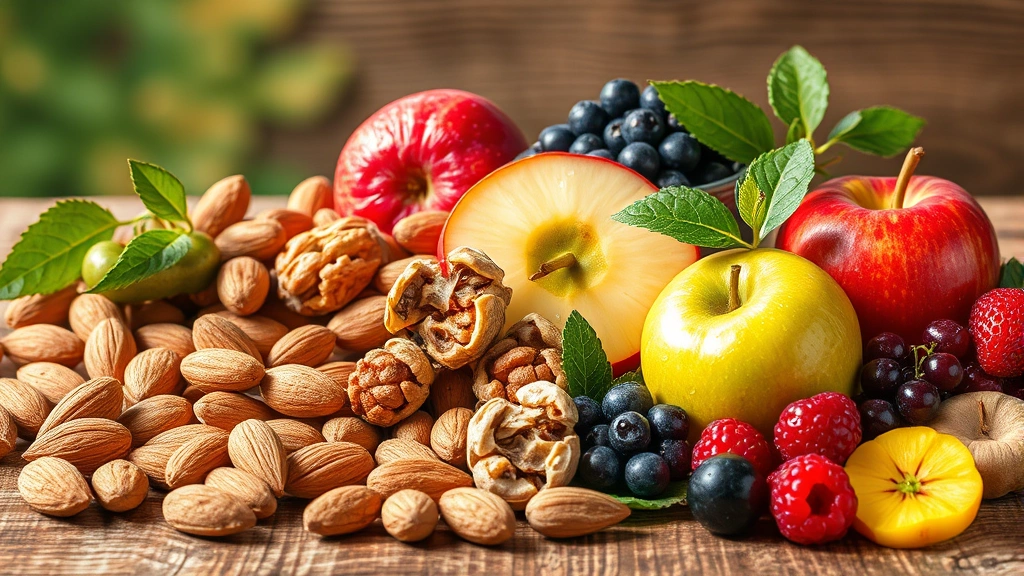
Progressive gas stations increasingly stock fresh produce sections alongside traditional snack aisles. Apples, bananas, oranges, and berries provide natural sugars, fiber, vitamins, and phytonutrients without processing or added ingredients. A banana offers potassium for heart health and muscle function, plus resistant starch that supports digestive health. The natural packaging—fruit skin—eliminates waste entirely, making produce the most sustainable snacking option available.
Pre-packaged vegetable trays with hummus or ranch dip deliver fiber, vitamins, and minerals while satisfying crunchy texture cravings. Carrots, celery, broccoli, and peppers provide volume and nutrients with minimal calories, allowing guilt-free snacking. The dips contribute protein and flavor satisfaction, though you should verify sodium content and ingredient quality in commercial versions.
Whole grain crackers paired with natural cheese or nut butter create balanced snacks combining complex carbohydrates, protein, and healthy fats. This combination provides sustained energy release and prevents the blood sugar crashes associated with refined carbohydrates. Many specialty convenience stores now stock sprouted grain crackers and seed-based options with superior nutritional profiles compared to conventional white crackers.
Dark chocolate containing 70% cacao or higher delivers antioxidants, including flavonoids that improve blood flow and cardiovascular function. A small square satisfies sweet cravings while providing genuine health benefits. Look for fair-trade certified options supporting ethical chocolate production and sustainable farming practices in cacao-growing regions.
Hydration and Beverage Alternatives
Water remains the optimal choice, yet many gas stations now offer filtered water dispensers or bottled options. Sparkling water provides hydration with satisfying carbonation, often without added sugars or artificial sweeteners. Flavored seltzers appeal to those seeking taste variety, though you should verify that flavoring comes from natural sources rather than artificial chemicals.
Unsweetened tea—both hot and cold—delivers hydration alongside antioxidants and minimal calories. Green tea provides L-theanine for calm focus, while black tea offers slightly more caffeine for sustained energy. Many stations stock these options, though you may need to request unsweetened versions rather than heavily sugared bottled varieties.
Coconut water provides electrolytes—potassium, sodium, and magnesium—making it superior to plain water for extended travel or physical activity. Natural coconut water without added sugars contains roughly 50 calories per serving and supports hydration more effectively than sugar-laden sports drinks. The relatively high potassium content (about 600 milligrams per cup) benefits cardiovascular function.
Plant-based milk alternatives like almond, oat, or pea milk increasingly appear in convenience store coolers. These options provide protein (especially pea milk at 8 grams per serving), calcium, and vitamin D when fortified. They support those with dairy sensitivities while offering lower environmental impact than conventional dairy, as plant-based milk production requires substantially less water and generates fewer greenhouse gas emissions.
Reading Labels Like a Nutritionist
Nutritionists recommend using the Nutrition Facts label systematically, checking four critical areas: serving size, calories, sodium, and added sugars. Serving size determines whether the nutritional information reflects the entire package or just a portion—many snacks contain multiple servings in deceptively small packages. A snack claiming “100 calories” might actually deliver 300 if the package contains three servings.
Added sugars should remain below 5 grams per serving for snacks, with ideally zero grams being the target. The ingredient list reveals whether sweetness comes from whole fruit, honey, or artificial sweeteners. Items listing sugar in the first three ingredients typically deliver excessive quantities. Sodium content should stay below 300 milligrams per serving for snacks, as excessive sodium contributes to hypertension and cardiovascular strain.
The ingredient list itself tells the story of processing level. Products with fewer than five recognizable ingredients generally represent better choices than those with lengthy lists of chemical additives. If you cannot pronounce or recognize ingredients, your body may struggle to process them efficiently. Artificial colors, flavors, and preservatives offer no nutritional benefit and may trigger sensitivities in susceptible individuals.
Fiber content deserves attention, as snacks containing 3+ grams of fiber support digestive health and extend satiety. Look for whole grain certifications, which verify that at least 51% of grain content consists of whole grains rather than refined flour. The American Heart Association seal indicates products meeting specific nutritional standards, though you should still verify independently using the Nutrition Facts label.
Sustainable Snacking Practices
Beyond selecting nutritious individual items, the practice of sustainable snacking involves strategic planning and conscious consumption. Bringing reusable containers from home allows you to purchase bulk nuts or seeds from progressive convenience stores, eliminating single-use packaging entirely. This approach reduces waste while typically lowering costs compared to pre-packaged options.
Supporting gas stations that prioritize sustainability demonstrates market demand for better practices. Some chains now offer organic options, locally sourced produce, and compostable packaging. Your purchasing patterns influence which products receive shelf space, gradually shifting the snacking landscape toward healthier, more sustainable options. As you explore sustainable energy solutions in other life areas, consider how snacking choices contribute to your overall environmental impact.
Choosing snacks with minimal or recyclable packaging reduces the waste burden associated with convenience store consumption. Glass containers, aluminum cans, and cardboard all recycle effectively, while plastic films and multi-material combinations present disposal challenges. When possible, select individual items in aluminum or glass over plastic-wrapped alternatives.
Planning ahead prevents impulsive unhealthy choices. Identifying your preferred options before arriving at the station ensures you make deliberate decisions rather than reactive ones. Keeping a list of approved snacks mentally cataloged reduces decision fatigue and increases the likelihood of selecting nutritious options. Many nutritionists recommend eating a balanced meal before travel to reduce snacking urgency, allowing you to make more thoughtful choices when you do stop.
Consider the transportation context when snacking. If you’re driving an electric vehicle, you’re already making a significant environmental commitment. Extending that consciousness to snacking choices creates comprehensive sustainability. Similarly, if you’re interested in grilling burgers on gas grill at home, you understand the importance of fuel choices and environmental considerations across different contexts.
Building community awareness about healthy gas station snacking creates cultural shifts. Discussing your discoveries with friends and family normalizes these choices, gradually increasing demand for better options. Social media sharing of healthy convenience store finds creates informal networks supporting sustainable, nutritious snacking practices across broader populations.
FAQ
What’s the best protein snack at a typical gas station?
Hard-boiled eggs and beef jerky represent the most universally available high-protein options, each delivering 6-15 grams of protein in minimal packaging. Greek yogurt cups and string cheese provide excellent alternatives with added calcium. Roasted chickpeas offer plant-based protein for those seeking vegetarian options.
How can I reduce packaging waste when buying gas station snacks?
Bring reusable containers to stations with bulk sections for nuts and seeds. Choose individual whole fruits, which require no packaging. Select items in glass, aluminum, or cardboard rather than plastic films. Some stations now offer package-free options or allow customers to use personal containers.
Are artificial sweeteners in diet drinks okay for regular consumption?
While generally recognized as safe by regulatory agencies, research on long-term artificial sweetener consumption remains ongoing. Nutritionists recommend water, unsweetened tea, or sparkling water as primary beverages, using artificially sweetened options occasionally rather than daily. Natural sweeteners like stevia present alternatives, though moderation remains advisable.
What should I look for on nutrition labels when selecting snacks?
Prioritize: serving size verification, added sugars below 5 grams, sodium under 300 milligrams, and ingredients you recognize. Aim for snacks with 3+ grams of fiber and at least some protein. Avoid products with artificial colors, flavors, or preservatives when possible.
How do gas station snack choices connect to broader sustainability?
Frequent gas station visits create opportunities to reduce packaging waste, support ethical food production, and normalize healthier consumption patterns. These choices reflect values you express through other decisions, from reducing your environmental footprint comprehensively. Individual choices accumulate into market signals that influence what retailers stock and produce.
What about allergies and dietary restrictions at gas stations?
Modern convenience stores increasingly accommodate diverse dietary needs, stocking nut-free snacks, dairy-free options, and gluten-free choices. Always verify labels for allergen information, as cross-contamination during manufacturing sometimes occurs. Nuts, seeds, and whole fruits generally present lower allergen risks than processed items, though individual sensitivities vary.


