
Are HEB Gas Prices Sustainable? Analyst Insight
H-E-B, one of Texas’s largest grocery retailers, operates a network of fuel centers across the Lone Star State, serving millions of customers annually. As consumers increasingly scrutinize both pricing and environmental impact, a critical question emerges: are HEB gas prices truly sustainable from both economic and ecological perspectives? This analysis examines the intersection of HEB’s fuel pricing strategy, their commitment to sustainability initiatives, and the broader implications for conscious consumers seeking greener alternatives.
The sustainability conversation around gasoline extends beyond simple price comparisons. It encompasses environmental responsibility, carbon footprint reduction, corporate transparency, and the transition toward cleaner energy sources. HEB’s positioning in this landscape reveals important insights about how traditional retailers are adapting—or failing to adapt—to the climate crisis while maintaining competitive pricing structures.

Understanding HEB’s Fuel Pricing Strategy
HEB Gas, operated through HEB’s fuel centers, has traditionally competed on price competitiveness within regional markets. The company’s pricing model reflects broader industry trends: wholesale crude oil costs, refining expenses, distribution logistics, and retail margin management. However, true sustainability pricing should incorporate environmental externalities—costs that conventional pricing models systematically ignore.
HEB’s fuel prices typically align with regional averages, fluctuating based on crude oil markets, seasonal demand, and local competition. The company offers loyalty rewards through its Clubcard program, incentivizing repeat purchases. While this strategy maximizes customer retention and market share, it raises questions about whether discounted fuel pricing actually promotes sustainable consumer behavior or encourages increased fuel consumption.
From a pure pricing perspective, HEB remains competitive. However, sustainability requires examining whether competitive pricing reflects the true environmental cost of fossil fuel consumption. Current gasoline prices generally fail to account for climate change impacts, air pollution health effects, or ecosystem degradation—externalities that economists estimate add $1-3 per gallon to the true cost of conventional fuel.
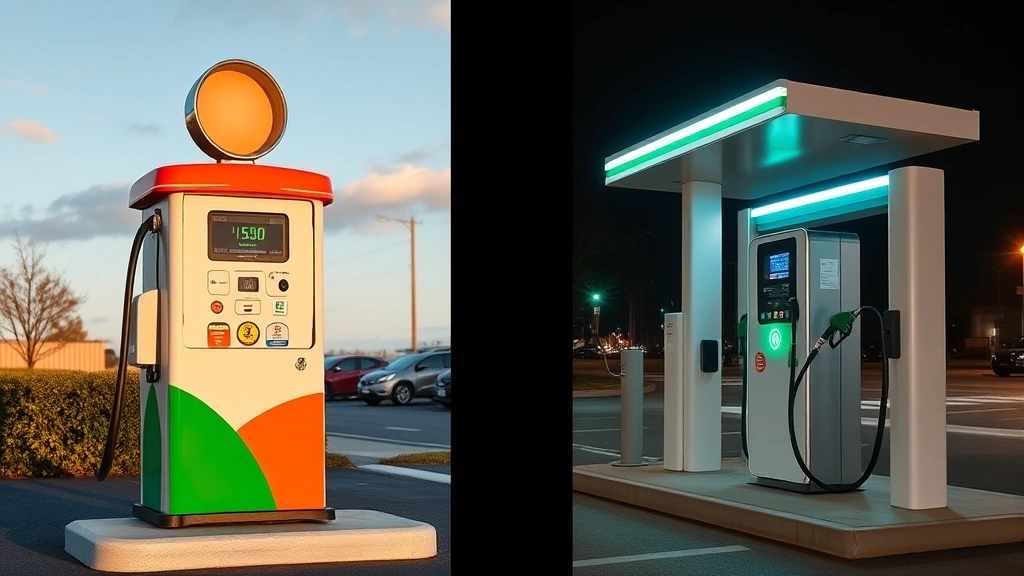
The Environmental Impact of Conventional Gasoline
Conventional gasoline combustion represents a primary contributor to greenhouse gas emissions and air pollution. When HEB customers purchase gasoline at the pump, they’re not simply buying fuel—they’re participating in a system that generates significant environmental consequences. A single gallon of gasoline produces approximately 20 pounds of carbon dioxide when burned, contributing directly to climate change.
Beyond carbon emissions, gasoline combustion releases nitrogen oxides, volatile organic compounds, and particulate matter that degrade air quality, particularly in urban areas surrounding HEB fuel centers. These pollutants cause respiratory diseases, cardiovascular problems, and premature mortality, creating public health costs that aren’t reflected in HEB’s pricing structure.
The extraction, refining, and transportation of gasoline also generate significant environmental damage: oil spills, groundwater contamination, habitat destruction, and energy-intensive processing. The EPA’s climate impact assessments document these comprehensive environmental costs, yet they remain externalized from consumer pricing at fuel pumps.
HEB’s participation in conventional fuel distribution perpetuates this system. While the company cannot single-handedly transform energy infrastructure, its pricing strategy and lack of prominent alternative fuel promotion implicitly endorse continued fossil fuel dependence. This raises a fundamental sustainability question: can any conventional gasoline pricing be considered sustainable when it ignores systemic environmental harms?
HEB’s Sustainability Initiatives and Green Commitments
HEB has implemented various sustainability programs across its operations, though fuel center practices receive limited attention in official communications. The company has committed to reducing operational emissions, implementing renewable energy in stores, and improving supply chain sustainability. However, these initiatives exist somewhat disconnected from fuel retail operations.
The company’s sustainable energy solutions focus primarily on store operations rather than customer fuel choices. HEB has installed solar panels at select locations and improved energy efficiency in facilities, demonstrating corporate commitment to renewable energy. Yet this contrasts sharply with fuel center operations, which continue selling conventional gasoline without prominent promotion of alternatives.
HEB’s corporate responsibility reports emphasize community engagement, food sustainability, and operational efficiency. However, they largely omit discussion of fuel center environmental impacts or plans to transition toward cleaner fuel options. This gap suggests that sustainability commitments, while genuine in some areas, haven’t extended comprehensively to fuel retail—the most visible point of customer fossil fuel consumption.
The company faces structural incentives that complicate sustainability transitions: fuel centers generate significant profit margins, fuel loyalty programs drive grocery store traffic, and transitioning infrastructure requires substantial capital investment. These economic realities explain HEB’s cautious approach but also demonstrate how market incentives can misalign with environmental sustainability.
Comparing HEB Gas to Alternative Fuel Options
Electric vehicles represent the most significant alternative to conventional gasoline, and their expansion directly impacts fuel center relevance. The advantages of electric vehicles include zero direct emissions, lower operating costs, and substantially reduced environmental impact over vehicle lifecycles.
Currently, HEB fuel centers do not prominently feature alternative fuel infrastructure. Unlike some forward-thinking retailers, HEB has not installed extensive electric vehicle charging networks at fuel centers—a missed opportunity to position itself as a comprehensive sustainable mobility provider. This contrasts with competitors and retailers in other regions actively building EV charging infrastructure.
Ethanol-blended fuels (E10, E85) represent another alternative available at some fuel stations. While ethanol reduces petroleum dependence, questions persist about net environmental benefits when accounting for agricultural inputs, land use changes, and processing energy. HEB’s fuel offerings typically include standard blends but limited emphasis on alternative fuel options.
Biodiesel and other renewable fuels remain niche offerings at most convenience fuel retailers. HEB’s limited promotion of these alternatives reflects broader industry patterns where conventional gasoline remains dominant despite environmental drawbacks. The U.S. Department of Energy’s bioenergy programs continue advancing sustainable fuel technologies, yet retail adoption lags significantly behind technical capabilities.
The sustainability comparison becomes clear: HEB gas prices appear competitive only when evaluating narrow financial metrics. When environmental and health externalities are included, alternative fuels and electric vehicles offer superior sustainability value, even accounting for higher upfront vehicle costs and current charging infrastructure limitations.
Consumer Behavior and Sustainable Choices
HEB’s pricing strategy influences consumer behavior in ways that merit sustainability analysis. Discounted fuel prices through Clubcard rewards incentivize fuel purchases, potentially increasing driving frequency and vehicle miles traveled. From a sustainability perspective, cheaper fuel that encourages increased consumption undermines climate goals.
Behavioral economics demonstrates that price signals profoundly influence consumption patterns. When HEB offers competitive or discounted fuel pricing, consumers rationally respond by purchasing more fuel and driving more frequently. While this maximizes HEB’s fuel center revenue, it contradicts sustainability objectives requiring reduced transportation emissions.
Conscious consumers seeking sustainable options face difficult choices at HEB fuel centers. The company’s limited promotion of alternatives, combined with competitive conventional gasoline pricing, creates an environment where environmentally responsible choices become economically disadvantaged. This structural misalignment between pricing incentives and sustainability goals represents a significant barrier to consumer behavior change.
Research from environmental organizations demonstrates that price mechanisms powerfully shape transportation choices. Carbon pricing frameworks proposed by climate economists specifically target this dynamic—making fossil fuels more expensive to internalize environmental costs and shift consumer behavior toward sustainable alternatives.
The Future of Retail Fuel Centers
HEB fuel centers face existential questions as transportation electrifies and climate imperatives intensify. The long-term viability of conventional fuel retail depends on delayed vehicle electrification transitions. Forward-thinking retailers recognize this reality and are diversifying offerings.
Progressive fuel retailers are transforming into mobility hubs: installing EV charging networks, offering alternative fuels, and repositioning as comprehensive transportation solution providers. HEB has begun exploring some initiatives but lags behind industry leaders in comprehensive transformation. This strategic delay presents both risks and opportunities.
The transition timeline matters significantly. Current projections suggest conventional vehicles will comprise the majority of U.S. fleets for 15-25 years, meaning fuel centers remain economically viable medium-term. However, this window is closing. Companies that transition proactively position themselves advantageously; those that delay risk stranded assets and obsolescence.
HEB’s corporate sustainability goals should explicitly address fuel center transformation. International Energy Agency projections indicate accelerating electrification requiring substantial infrastructure investment. HEB has opportunity to lead this transition or risk becoming a laggard in retail fuel services.
Practical Recommendations for Eco-Conscious Drivers
For consumers concerned about sustainability, several practical strategies can reduce reliance on HEB gas purchases:
- Transition to electric vehicles: Where feasible and affordable, switching to EVs eliminates direct fuel consumption. Electric vehicle advantages extend beyond environmental impact to include lower operating costs and improved driving experiences.
- Optimize driving behavior: Reduce unnecessary trips, combine errands, and utilize public transportation when available. This directly reduces fuel consumption regardless of fuel source or pricing.
- Support retailers advancing sustainability: Patronize fuel retailers installing EV charging infrastructure and promoting alternative fuels. Market demand drives corporate behavior change.
- Advocate for policy change: Support carbon pricing, fuel efficiency standards, and transportation electrification policies that restructure economic incentives toward sustainability.
- Explore best gas station snacks options: When purchasing fuel, consider healthy gas station snacks reducing packaged waste and supporting personal health alongside environmental sustainability.
- Monitor HEB’s sustainability progress: Engage with the company regarding fuel center environmental initiatives, requesting transparent reporting and aggressive transition timelines.
- Explore green technology innovations transforming our future: Stay informed about emerging sustainable technologies that may align with evolving transportation options.
Consumers should recognize that individual purchasing decisions, while important, cannot substitute for systemic change. True sustainability requires corporate and policy transformation, not merely individual consumer optimization. However, consumer demand does influence corporate strategy, making purchasing choices a meaningful lever for change.
The Sustainability Verdict
After comprehensive analysis, HEB gas prices cannot be considered sustainable when evaluated against rigorous environmental and climate standards. The company offers competitive pricing within conventional fuel markets, but this competitiveness reflects an economic system that systematically underprices fossil fuels by externalizing environmental costs.
HEB’s limited alternative fuel promotion, absence of aggressive EV charging infrastructure, and continued emphasis on conventional gasoline distribution indicate that sustainability remains peripheral to fuel center operations. While the company has implemented commendable initiatives elsewhere, fuel retail practices lag behind climate imperatives and industry best practices.
Consumers seeking sustainable transportation options should view HEB fuel centers as a temporary bridge toward electrified mobility rather than a long-term sustainable solution. The most sustainable fuel is the fuel not consumed—achieved through vehicle electrification, reduced driving, and transformed transportation systems.
HEB has opportunity to lead fuel retail transformation by aggressively investing in EV infrastructure, promoting alternative fuels, and transparently reporting fuel center environmental impacts. Whether the company seizes this opportunity will determine whether it remains relevant as transportation systems evolve toward sustainability.
Visit the SustainWise Hub Blog for additional insights on sustainable consumer choices and environmental responsibility.
FAQ
Are HEB gas prices lower than competitors?
HEB fuel prices typically align with regional market averages, varying by location and market conditions. Clubcard discounts provide modest savings for loyal customers, but price differences with competitors remain marginal. Sustainability considerations should extend beyond narrow price comparisons.
Does HEB offer electric vehicle charging?
HEB has implemented limited EV charging infrastructure compared to competitors. The company has not aggressively pursued charging network expansion, representing a significant gap in sustainability positioning and customer service offerings.
What is the environmental cost of gasoline that HEB prices don’t reflect?
Economists estimate environmental externalities add $1-3 per gallon to true gasoline costs when accounting for climate change, air pollution health effects, ecosystem damage, and infrastructure impacts. HEB’s pricing reflects only market costs, not full environmental expenses.
Can I offset HEB fuel consumption through other actions?
While carbon offsetting programs exist, they cannot substitute for direct emissions reduction. The most effective approach involves reducing fuel consumption through vehicle electrification, driving behavior optimization, and transportation system changes.
What should consumers do if concerned about fuel sustainability?
Consider transitioning to electric vehicles, reducing driving frequency, supporting retailers advancing sustainability infrastructure, and advocating for policy changes that internalize environmental costs into fuel pricing.
Is HEB planning fuel center sustainability improvements?
Public information regarding comprehensive fuel center transformation plans remains limited. Consumers can contact HEB directly requesting transparency about EV charging expansion and alternative fuel infrastructure investments.


