Boost Honda Pilot MPG: Expert Tips to Maximize Fuel Efficiency
The Honda Pilot is a popular three-row SUV known for its reliability, spacious interior, and family-friendly features. However, like most vehicles in its class, fuel consumption can be a significant concern for owners looking to reduce both expenses and environmental impact. Understanding how to optimize your Honda Pilot’s gas mileage isn’t just about saving money at the pump—it’s about making a conscious choice toward reducing your carbon footprint and contributing to a more sustainable lifestyle.
Whether you’re commuting daily or planning weekend adventures, improving your Honda Pilot’s fuel efficiency requires a combination of mechanical maintenance, driving habits, and smart vehicle management. This comprehensive guide explores proven strategies that can help you achieve better gas mileage while extending your vehicle’s lifespan and minimizing its environmental consequences. By implementing these expert tips, many Honda Pilot owners report improvements of 10-15% in their overall fuel economy.
Understanding Your Honda Pilot’s Fuel Economy Baseline
Before implementing any improvements, it’s essential to establish your vehicle’s current fuel economy baseline. The EPA estimates for Honda Pilot models vary depending on the year, generation, and drivetrain configuration. Most recent Honda Pilot models achieve approximately 19-22 MPG in combined driving conditions, with highway driving typically yielding better results than city driving.
To calculate your actual fuel economy, fill your gas tank completely, note the odometer reading, and drive normally until your next fill-up. Record the miles traveled and gallons needed to refill. This real-world measurement often differs from EPA estimates because it accounts for your specific driving patterns, climate, and vehicle condition. Tracking this metric monthly helps you identify whether your optimization efforts are working effectively.
Understanding the definition of sustainability in the context of vehicle ownership means recognizing that fuel efficiency directly correlates with environmental responsibility. By improving your Honda Pilot’s gas mileage, you’re reducing greenhouse gas emissions and contributing to cleaner air quality in your community. This aligns with broader efforts to reduce your environmental footprint through everyday transportation choices.
Tire Maintenance and Pressure Optimization
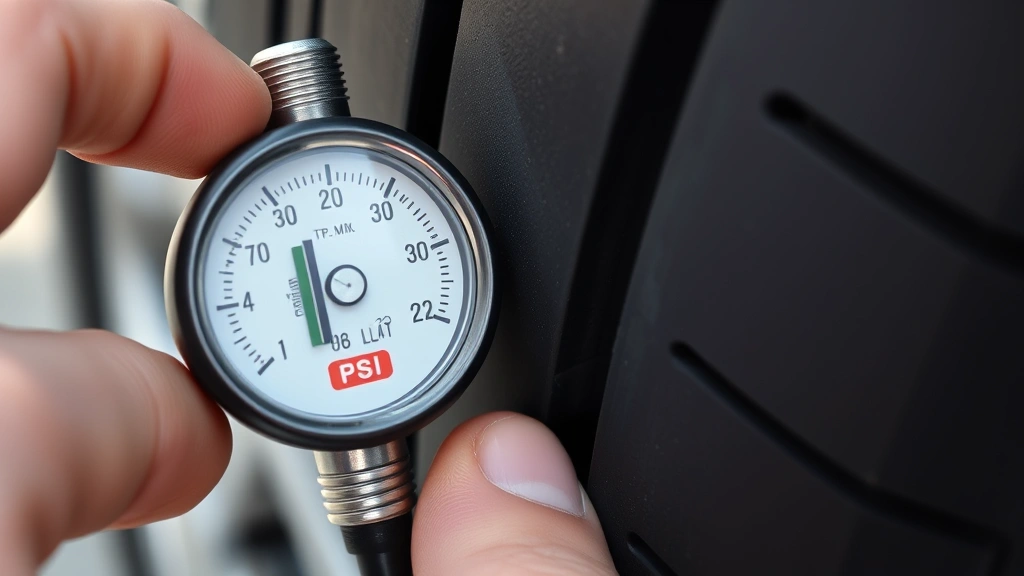
Tire condition is one of the most overlooked factors affecting fuel efficiency. Under-inflated tires create increased rolling resistance, forcing your engine to work harder and consume more fuel. According to the EPA’s Green Vehicles guide, properly inflated tires can improve fuel economy by up to 3%.
Check your Honda Pilot’s tire pressure monthly and before long trips. The recommended pressure is printed on a sticker inside the driver’s door jamb—not on the tire sidewall, which indicates maximum pressure. Most Honda Pilots require 32-36 PSI depending on the model year. Invest in a quality digital tire pressure gauge for accurate readings, and check pressures when tires are cold (before driving or at least three hours after driving).
Beyond pressure, tire selection matters significantly. Low rolling resistance tires are specifically designed to reduce friction with the road surface. While they cost slightly more initially, the fuel savings over the tire’s lifespan typically offset the premium. Look for tires with the UTQG rating indicating low rolling resistance, and rotate your tires every 5,000-7,000 miles to ensure even wear and consistent performance.
Wheel alignment also impacts fuel economy. Misaligned wheels increase drag and tire wear, reducing efficiency. Have your alignment checked annually or if you notice uneven tire wear patterns or steering pull. This preventive maintenance ensures your Honda Pilot operates at peak efficiency.
Engine Performance and Regular Maintenance
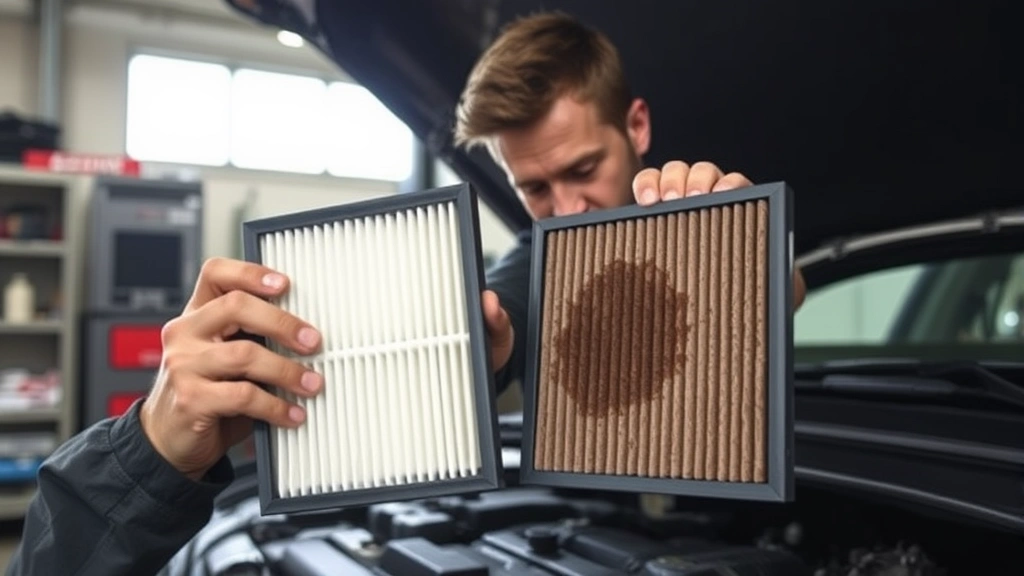
A well-maintained engine operates more efficiently and uses less fuel. The Honda Pilot’s engine requires regular attention to maintain optimal performance. Start with the air filter—a clogged air filter restricts airflow to the engine, reducing efficiency. Replace your engine air filter every 15,000-30,000 miles, or more frequently if you drive in dusty conditions.
Oil changes are equally critical. Using the manufacturer-recommended oil grade and changing oil at specified intervals keeps your engine running smoothly. Thicker oil creates more friction and reduces fuel economy, so follow Honda’s specifications precisely. Synthetic oils often provide better fuel economy than conventional oils while offering extended drain intervals.
Spark plugs significantly influence engine efficiency. Worn spark plugs cause incomplete combustion, wasting fuel. Modern Honda Pilots typically use long-life spark plugs lasting 100,000+ miles, but inspecting them during regular maintenance ensures they’re firing properly. Carbon buildup on intake valves can also reduce efficiency—consider professional fuel system cleaning every 40,000-60,000 miles.
The fuel filter plays a vital role in engine health. A restricted fuel filter forces your fuel pump to work harder, reducing efficiency. Most Honda Pilots have fuel filters lasting 30,000-50,000 miles. Additionally, using quality fuel with detergents helps prevent deposit formation in your fuel injectors, maintaining optimal spray patterns and combustion efficiency.
Exploring sustainable energy solutions extends beyond electric vehicles—proper maintenance of your current vehicle is an immediate, practical step toward efficiency. Regular engine maintenance reduces emissions and improves reliability, extending your vehicle’s useful life and reducing the environmental impact of manufacturing replacement vehicles.
Driving Habits That Improve Fuel Efficiency
Your driving behavior has profound effects on Honda Pilot fuel economy. Aggressive acceleration and hard braking waste fuel significantly. Instead, accelerate smoothly and gradually, allowing the engine to reach optimal operating conditions without excessive fuel consumption. Think of acceleration as a gentle pressure increase rather than a sudden demand.
Maintaining steady speeds improves fuel economy dramatically. Highway driving at constant speeds of 50-55 MPH uses considerably less fuel than speeds above 65 MPH. Wind resistance increases exponentially with speed, and aerodynamic drag becomes the primary resistance force at highway speeds. Reducing speed by just 5-10 MPH can improve fuel economy by 7-14%.
Avoid unnecessary idling. Modern engines use less fuel starting than idling for extended periods. If you’ll be stopped for more than 10 seconds, turn off the engine. This applies to drive-throughs, waiting for passengers, and traffic delays. Some newer Honda Pilot models feature automatic stop-start technology that does this automatically.
Plan your routes strategically. Combining errands into one trip reduces total driving distance and allows your engine to reach optimal operating temperature, improving efficiency. Cold starts consume more fuel, so warming up your Honda Pilot briefly before driving also helps. Avoid rush hour traffic when possible—stop-and-go driving dramatically reduces fuel economy compared to steady-state driving.
Use cruise control on highways to maintain consistent speeds without unconscious speed fluctuations. This feature prevents the subtle acceleration-deceleration cycles that waste fuel. However, avoid using cruise control on hilly terrain where the system might accelerate excessively to maintain set speeds.
Weight Reduction and Cargo Management
Every pound your Honda Pilot carries requires fuel to move. Remove unnecessary items from your vehicle—roof racks, cargo carriers, and excess equipment should only be installed when needed. Roof-mounted cargo carriers significantly increase aerodynamic drag, reducing fuel economy by 5-25% depending on speed and carrier design.
If you must carry cargo, place heavier items inside the cabin rather than on roof racks, minimizing aerodynamic impact. Distribute weight evenly throughout the vehicle to maintain proper suspension geometry and handling characteristics. Towing trailers substantially increases fuel consumption—expect 20-40% reductions in fuel economy when towing, depending on trailer weight and aerodynamics.
Keep your fuel tank at moderate levels rather than always topping it off. A full tank adds approximately 50-75 pounds to your vehicle weight. While this seems minor, it compounds over time. Some drivers maintain half-tank levels for daily driving, refueling only before long trips when fuel availability might be uncertain.
Advanced Technology Features for Better MPG
Modern Honda Pilots include sophisticated technology designed to optimize fuel economy. The Real Time AWD system engages all-wheel drive only when necessary, using front-wheel drive during normal driving to reduce mechanical losses. Understand when this system activates and avoid conditions triggering unnecessary AWD engagement.
Eco Driving Assist provides real-time feedback on your driving efficiency. This feature alerts you to aggressive acceleration or braking, helping you develop fuel-efficient habits. Pay attention to these indicators and adjust your driving style accordingly. Over time, you’ll internalize these efficient driving patterns.
Familiarize yourself with your Honda Pilot’s multi-information display, which shows instantaneous fuel economy. Watching this real-time feedback helps you understand how different driving actions affect efficiency. Experiment with different driving styles and note how acceleration, braking, and speed changes impact your MPG readings.
Some Honda models offer hybrid powertrains, dramatically improving fuel economy through electric motor assistance and regenerative braking. If you’re considering a new Honda Pilot, comparing advantages of electric vehicles and hybrid options might reveal long-term fuel and environmental benefits justifying the initial investment.
Aerodynamics and Vehicle Modifications
Wind resistance becomes the dominant force opposing your Honda Pilot’s motion at highway speeds. Reducing aerodynamic drag improves fuel economy proportionally. Keep windows closed during highway driving—open windows increase drag more than air conditioning operation. Modern air conditioning systems have minimal efficiency impact compared to the aerodynamic penalty of open windows.
Avoid aftermarket modifications that increase drag, such as oversized tires, lifted suspensions, or bulky fender flares. These modifications might enhance appearance but significantly reduce fuel economy. Conversely, wind deflectors and streamlined roof racks minimize aerodynamic penalties compared to traditional designs.
Ensure your Honda Pilot’s undercarriage is clean and undamaged. Broken plastic trim, damaged mud flaps, or loose components create turbulence and increase drag. Regular inspections of undercarriage components ensure smooth airflow beneath your vehicle.
Seasonal Considerations and Environmental Factors
Cold weather reduces fuel economy by 10-20% compared to moderate temperatures. Cold engines operate less efficiently, and winter fuel blends have different properties affecting combustion. Additionally, block heaters improve cold-start efficiency in extremely cold climates. Allow your Honda Pilot to warm up briefly before driving in winter conditions.
Snow and ice increase rolling resistance and reduce traction, requiring more energy to maintain speed. Winter tires provide better traction than all-season tires, potentially offsetting some efficiency losses. However, winter tire rolling resistance slightly exceeds all-season tires. The safety benefits of winter tires in snow conditions outweigh minor efficiency reductions.
High altitude reduces engine efficiency because thinner air contains less oxygen for combustion. If you live or frequently drive at high elevations, expect 5-10% reductions in fuel economy. This is a natural consequence of physics rather than a maintenance issue.
Air density affects fuel economy—humid air is actually less dense than dry air, and high air temperatures reduce density further. These seasonal factors are beyond your control but explain why fuel economy varies throughout the year. Track your fuel economy seasonally to establish realistic baselines for different conditions.
Visit the U.S. Department of Energy’s Fuel Economy website for detailed information about your specific Honda Pilot model year and how environmental factors affect efficiency ratings.
FAQ
What is the average fuel economy for a Honda Pilot?
Most Honda Pilot models achieve 19-22 MPG combined, with EPA estimates varying by model year and drivetrain. Real-world fuel economy depends on driving habits, maintenance condition, and environmental factors. Your actual mileage may differ from EPA estimates.
Can I improve Honda Pilot fuel economy without expensive modifications?
Yes. Most fuel economy improvements come from maintenance and driving habits, which cost little or nothing. Proper tire pressure, regular maintenance, smooth acceleration, and steady speeds provide the greatest benefits with minimal investment.
Does using premium gasoline improve fuel economy?
No. Honda Pilots are designed for regular octane fuel. Premium gasoline provides no fuel economy benefit and wastes money. Use the fuel grade specified in your owner’s manual.
How much does cruise control improve fuel economy?
Cruise control maintains steady speeds without unconscious acceleration-deceleration cycles. On highways, this typically improves fuel economy by 5-10%. Benefits are greatest on flat terrain; hilly roads may show less improvement.
Does air conditioning significantly reduce fuel economy?
Air conditioning increases fuel consumption by approximately 5-10%, depending on outside temperature and system efficiency. However, opening windows at highway speeds creates more drag than running the AC. In most cases, closed windows with air conditioning provides better fuel economy.
What tire pressure should I use for my Honda Pilot?
Check the sticker on your driver’s door jamb for the manufacturer-recommended pressure, typically 32-36 PSI. Never use the pressure printed on tire sidewalls, which indicates maximum pressure. Maintain proper pressure monthly for optimal fuel economy and tire lifespan.
How often should I replace my air filter?
Replace your engine air filter every 15,000-30,000 miles, or more frequently if driving in dusty environments. A clogged air filter reduces fuel economy and engine performance. Check your air filter during routine maintenance.
Can proper wheel alignment improve fuel economy?
Yes. Misaligned wheels increase rolling resistance and tire wear, reducing efficiency. Have your alignment checked annually or if you notice uneven tire wear or steering pull. Proper alignment also improves safety and tire longevity.
What is the impact of towing on Honda Pilot fuel economy?
Towing dramatically reduces fuel economy—expect 20-40% reductions depending on trailer weight and aerodynamics. The engine works significantly harder, and aerodynamic drag increases substantially. Only tow when necessary and use aerodynamic trailer designs.
How does driving speed affect fuel economy?
Fuel economy decreases significantly at speeds above 50-55 MPH. Each 5 MPH increase above this threshold reduces fuel economy by approximately 7-14%. Highway driving at moderate speeds provides the best fuel economy for highway miles.
Improving your Honda Pilot fuel economy through these expert strategies benefits both your wallet and the environment. For more insights into sustainable transportation and environmental responsibility, explore our comprehensive resources on sustainable practices. Every gallon of fuel saved represents reduced emissions and a smaller environmental footprint—making these optimization efforts genuinely meaningful contributions to planetary health.


