
Gas Prices at Sam’s Club: Worth the Drive? A Sustainability Perspective
When it comes to saving money on fuel, Sam’s Club has long been a go-to destination for budget-conscious consumers. With membership-based pricing and competitive rates, many drivers wonder: how much is gas at Sam’s Club, and is it actually worth the trip? This question becomes even more nuanced when we consider the environmental impact of your fuel choices and driving habits. Understanding the true cost of gas—both financially and ecologically—requires looking beyond the pump price to examine fuel consumption, vehicle efficiency, and sustainable transportation alternatives.
In today’s climate-conscious world, every fuel purchase carries implications beyond your wallet. Whether you’re a regular Sam’s Club shopper or considering membership primarily for gas savings, this comprehensive guide explores current pricing trends, membership benefits, cost-benefit analysis, and how your fuel decisions fit into a broader sustainability framework. We’ll help you make informed choices that balance savings with environmental responsibility.
Current Sam’s Club Gas Pricing
Sam’s Club gas prices typically range from $0.15 to $0.40 per gallon cheaper than national averages at traditional gas stations, though exact prices fluctuate based on crude oil markets, regional demand, and local competition. As of recent market data, Sam’s Club members enjoy some of the most competitive fuel prices available at warehouse retailers. However, these prices vary significantly by location, with urban areas and regions with higher competition generally offering better rates than rural locations.
The pricing strategy at Sam’s Club is designed to encourage membership and increase overall store traffic. Gas stations at Sam’s Club locations operate on razor-thin profit margins, sometimes even at a loss, to drive membership value perception. This means that while you’re saving on fuel, Sam’s Club benefits from the increased likelihood that you’ll purchase groceries, household items, and other products during your visit. Understanding this business model helps explain why their gas prices remain so competitive compared to traditional retailers.
Real-time pricing information can be accessed through the Sam’s Club mobile app, which displays current gas prices at your nearest location. Many members check prices before heading to the pump, allowing them to make strategic decisions about when to fill up. Some savvy shoppers even time their gas purchases with promotional events or fuel-discount days when Sam’s Club offers additional savings to members.
When comparing green gas options, Sam’s Club has also begun offering premium and mid-grade fuel options at various locations, though availability varies. For those interested in exploring sustainable energy solutions, understanding your current fuel costs provides a baseline for calculating the return on investment in alternative fuel vehicles.

Membership Costs and Savings
Sam’s Club offers tiered membership levels, with the standard Gold membership costing approximately $60 annually and the premium Plus membership at around $120 per year. To determine whether a Sam’s Club membership pays for itself through gas savings alone, you need to calculate your potential annual fuel consumption and savings.
Let’s break down the math: If you drive an average of 12,000 miles annually and your vehicle gets 25 miles per gallon, you’ll purchase approximately 480 gallons of gas per year. If Sam’s Club saves you $0.25 per gallon compared to your nearest alternative, that’s a savings of $120 annually—which covers your Gold membership cost entirely. For many households, this calculation favors Sam’s Club membership, especially when combined with savings on other products.
However, the membership analysis becomes more complex when you factor in the drive distance to your nearest Sam’s Club location. If you must drive 20 miles out of your way to purchase gas, you’re consuming fuel and generating emissions just to save money on fuel. This is where the sustainability question becomes critical. A longer commute to reach cheaper gas may negate the financial benefit and certainly increases your overall carbon footprint.
The Plus membership tier includes additional benefits such as extra discounts on select items, cash back rewards, and discounted services. For frequent shoppers who purchase beyond just gas, the Plus membership often delivers better overall value. Many members report that the combination of gas savings and general merchandise discounts justifies the higher annual cost.
When evaluating membership value, consider your complete household purchasing patterns. If you already shop at Sam’s Club for groceries and household essentials, adding gas to your routine becomes a natural extension with minimal additional effort. Conversely, if you’re considering membership primarily for gas savings, you should calculate whether the savings justify the membership fee plus the additional driving required.
How Sam’s Club Gas Prices Compare to Competitors
Sam’s Club faces competition from other warehouse retailers and discount gas providers. Costco, another major warehouse club, typically offers comparable or slightly lower prices at their gas stations, though their membership fees are higher ($65 for Gold, $130 for Executive). BJ’s Wholesale Club provides competitive pricing in regions where they operate, particularly on the East Coast. Traditional gas station chains like Shell, Chevron, and BP rarely match warehouse prices, though their premium brands may offer quality advantages that some drivers value.
Fuel quality and additives represent another dimension of comparison beyond price. Major oil companies invest in branded gasoline with additional detergents and engine-cleaning additives, which they claim improve vehicle performance and longevity. Sam’s Club uses fuel from major suppliers but typically doesn’t include proprietary additive packages. For most drivers with modern vehicles, the difference is negligible, though some luxury car manufacturers recommend Top Tier gasoline specifically.
Regional variations significantly impact the comparison. In areas with robust competition between multiple warehouse clubs and discount fuel retailers, prices cluster tightly together. In rural regions with fewer options, Sam’s Club may offer the only significantly discounted fuel available. Checking local prices through the Sam’s Club app before making purchasing decisions ensures you’re getting the best available rate in your area.
The convenience factor also deserves consideration. Even if another retailer offers slightly cheaper gas, if Sam’s Club is on your regular route or located near other errands, the convenience value may outweigh a penny-per-gallon difference. Time spent searching for marginally cheaper fuel can offset small financial savings when you factor in your hourly value.
Environmental Impact of Your Fuel Choices
While Sam’s Club offers financial savings, understanding the environmental impact of fuel consumption provides critical context for your purchasing decisions. Every gallon of gasoline burned releases approximately 19.6 pounds of carbon dioxide equivalent into the atmosphere, contributing to climate change. This means that the 480 gallons an average driver purchases annually generates roughly 9,408 pounds of CO2 emissions—equivalent to the annual carbon sequestration of approximately 150 tree seedlings grown for 10 years.
The environmental cost of your drive to Sam’s Club factors directly into the equation. If your nearest Sam’s Club is 15 miles away, and you drive there once weekly for gas, you’re adding 780 miles annually just to purchase fuel. At 25 miles per gallon, this represents an additional 31 gallons of fuel consumption and 608 pounds of CO2 emissions—entirely for the purpose of saving money on the fuel itself. This illustrates how convenience and location proximity significantly impact the true environmental cost of warehouse club gas purchasing.
Beyond direct emissions, gasoline extraction, refining, and transportation generate additional environmental impacts including habitat disruption, water pollution, and energy consumption. Choosing to drive less overall—whether through carpooling, route optimization, or vehicle selection—provides more substantial environmental benefits than optimizing fuel prices at different retailers.
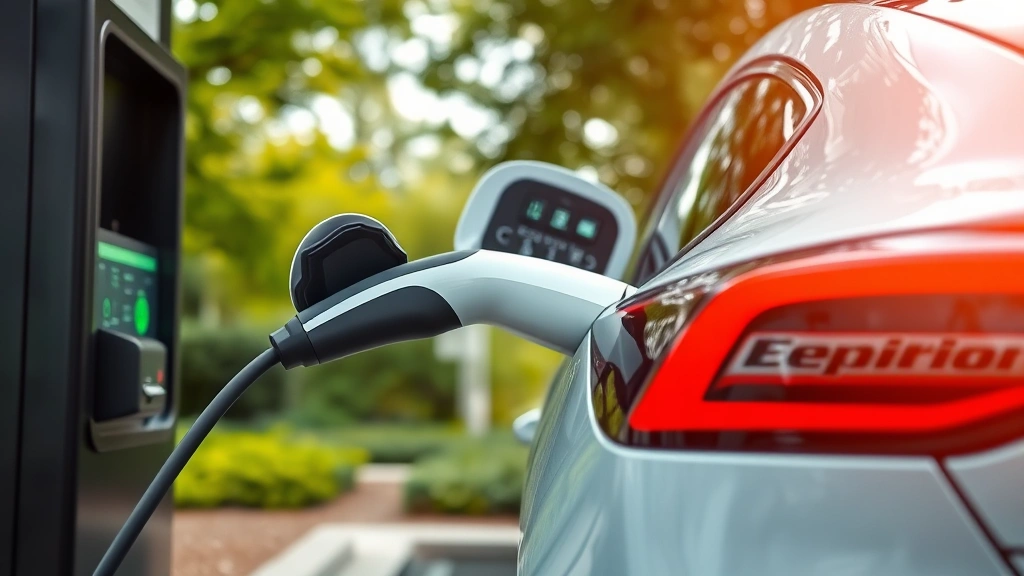
For those genuinely concerned about environmental impact, exploring advantages of electric vehicles offers a path to eliminate direct fuel emissions entirely. While EVs still require electricity generation, grid-sourced power increasingly comes from renewable sources, making electric vehicles substantially cleaner than gasoline-powered alternatives over their lifetime.
The EPA’s Green Vehicle Guide provides resources for comparing the environmental impact of different vehicle types and fuel choices, helping you make decisions aligned with your sustainability values.
Sustainable Transportation Alternatives
Rather than optimizing where you purchase gasoline, consider whether you can reduce fuel consumption through alternative transportation methods. Public transportation, carpooling, biking, and walking eliminate or reduce individual vehicle emissions while often saving money compared to vehicle ownership and fuel costs.
Public transit systems in urban and suburban areas provide reliable alternatives to personal vehicle use. Monthly transit passes often cost less than monthly fuel expenses for a single vehicle, and they eliminate the stress of driving and parking. For those with flexible work arrangements, remote work options eliminate commuting entirely, generating maximum environmental and financial benefits.
Carpooling and ridesharing arrangements split fuel costs and emissions among multiple passengers, effectively reducing per-person environmental impact by 50-75% depending on the number of participants. Many employers offer carpool matching services, and communities increasingly provide incentives for shared transportation participation.
For shorter trips and favorable weather, bicycling and walking provide zero-emission transportation while delivering health benefits through physical activity. Many communities have invested in bike infrastructure and pedestrian pathways that make these options increasingly practical for daily transportation needs.
Hybrid vehicles represent a bridge technology between traditional gasoline engines and full electric vehicles. They recover energy normally lost during braking and use electric motors for low-speed driving, improving fuel efficiency by 20-35% compared to conventional vehicles. This means fewer total gallons purchased annually, reducing both fuel costs and emissions regardless of where you buy gas.
For those ready to transition away from gasoline entirely, electric vehicles offer zero tailpipe emissions and increasingly competitive total cost of ownership when factoring in fuel and maintenance savings. Many electric vehicles qualify for federal and state tax credits that offset purchase price premiums.
Tips to Maximize Your Gas Savings
If you decide that Sam’s Club membership aligns with your financial and sustainability goals, these strategies will help you maximize savings:
- Check prices before driving: Use the Sam’s Club mobile app to view current prices at your nearest location and avoid trips when prices are higher than alternatives
- Combine with other shopping: Time your gas purchases with grocery shopping to reduce total driving trips and maximize membership value across product categories
- Optimize vehicle efficiency: Maintain proper tire pressure, regular maintenance, and smooth driving habits to maximize fuel economy and reduce total gallons purchased
- Plan fuel purchases strategically: Fill up when prices are lowest and when you’re already planning to visit Sam’s Club for other reasons
- Monitor fuel quality: While Sam’s Club fuel is reliable, using premium grades occasionally (per manufacturer recommendations) can optimize engine performance
- Track your savings: Calculate actual savings including membership fees and driving distances to ensure the arrangement truly benefits your budget
- Consider membership timing: Purchase memberships during promotional periods when Sam’s Club offers discounted or extended memberships
Beyond these tactical approaches, the definition of sustainability reminds us that true value extends beyond financial metrics to include environmental and social considerations. Making purchasing decisions with full awareness of their broader impacts creates a foundation for genuinely sustainable living.
Visiting the EPA’s Fuel Economy website provides detailed information about your specific vehicle’s fuel consumption and environmental impact, helping you understand the baseline against which all fuel-saving strategies operate.
FAQ
What is the average gas price at Sam’s Club right now?
Sam’s Club gas prices vary by location but typically range from $0.15 to $0.40 per gallon below national averages. Check the Sam’s Club mobile app for real-time prices at your nearest location, as prices fluctuate daily based on crude oil markets.
Do you need a Sam’s Club membership to buy gas?
Yes, a valid Sam’s Club membership is required to purchase gas at their stations. However, non-members can sometimes purchase gas at Sam’s Club using a gift card, though this option is not universally available at all locations.
Is Sam’s Club gas cheaper than Costco?
Prices are typically comparable between Sam’s Club and Costco, with either retailer potentially offering better rates depending on location and current market conditions. Costco memberships cost more ($65-$130 versus $60-$120 for Sam’s Club), so compare total value including membership fees.
How often should I fill up at Sam’s Club to make membership worthwhile?
For most average drivers consuming 480 gallons annually at $0.25 per gallon savings, a single fill-up monthly is sufficient to justify the Gold membership cost. However, factor in your driving distance to the nearest location to ensure the calculation remains positive.
Does Sam’s Club offer premium or diesel fuel?
Many Sam’s Club locations offer regular, mid-grade, and premium gasoline. Diesel availability varies by location. Check with your nearest Sam’s Club to confirm which fuel grades are available.
Can I use my Sam’s Club gift card for gas?
Sam’s Club gift cards can be used for gas purchases at some locations, though policies vary. Contact your local Sam’s Club to confirm whether gift cards are accepted at their fuel station.
What is the environmental impact of driving to Sam’s Club for gas?
The environmental impact depends on your driving distance. If you drive more than 5-10 miles out of your way, the additional fuel consumption and emissions may offset the benefits of cheaper gas. Calculate your specific situation to determine the true environmental cost.
Are there sustainable alternatives to purchasing gas at warehouse clubs?
Yes—the most sustainable approach is reducing fuel consumption through public transit, carpooling, biking, walking, or transitioning to electric vehicles. These methods eliminate or dramatically reduce emissions compared to optimizing where you purchase gasoline.
How does Sam’s Club gas quality compare to major brands?
Sam’s Club fuel meets all EPA standards and comes from major suppliers. While it may lack proprietary additive packages found in branded fuel, most modern vehicles perform identically on Sam’s Club gas. Premium brands are primarily beneficial for high-performance vehicles with specific requirements.
Should I prioritize gas savings over environmental considerations?
The most sustainable approach balances financial responsibility with environmental impact. If Sam’s Club membership is convenient and doesn’t require excessive driving, it can be part of a sustainability strategy. However, reducing overall fuel consumption through transportation alternatives provides greater environmental benefits than optimizing fuel prices.


