Dispose Old Gas Safely: Expert Tips Inside
Old gasoline sitting in your garage, shed, or storage tank poses serious environmental and safety risks. Whether you’ve inherited fuel from last season’s lawn equipment, forgotten about gas stored for emergencies, or have fuel left over from a project, proper disposal is essential. Gasoline degrades over time, becoming unstable and potentially hazardous. Beyond the immediate dangers of fire and explosion, improper disposal contaminates soil and groundwater, harming ecosystems and public health. This comprehensive guide walks you through safe, legal, and environmentally responsible methods for disposing of old gas.
Understanding why proper disposal matters is the first step toward becoming an environmentally conscious household. When gasoline oxidizes and breaks down, it releases volatile organic compounds (VOCs) that contribute to air pollution and ground-level ozone formation. Additionally, improper disposal can lead to environmental contamination that takes years to remediate. By following expert recommendations, you protect your family, your property, and the planet while staying compliant with local regulations.
Why Old Gas Becomes Dangerous
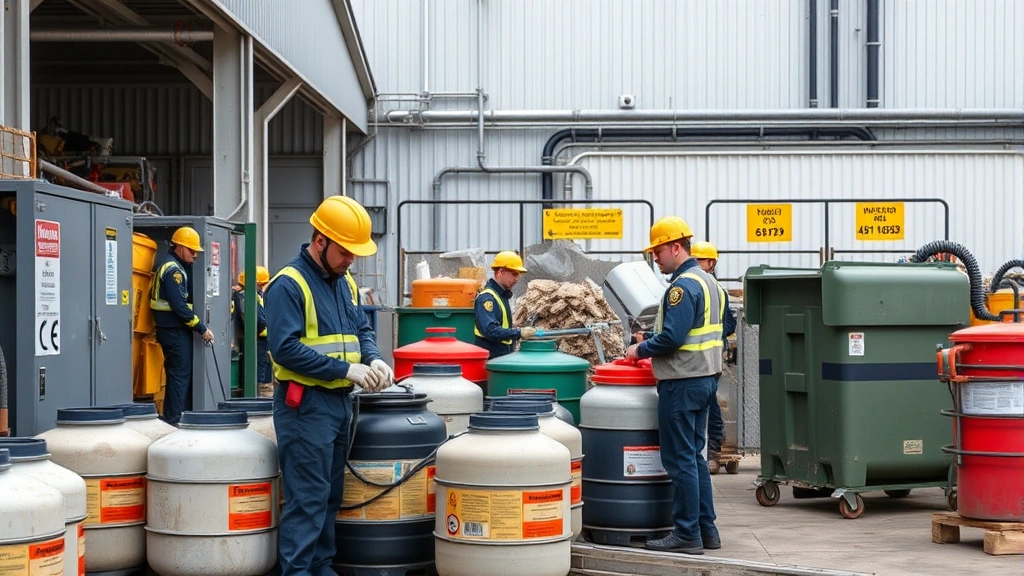
Gasoline doesn’t last forever. Over time, chemical compounds in fuel break down through oxidation, creating varnish, gum, and sediment. This degradation process accelerates in warm environments, with direct sunlight, and when containers aren’t properly sealed. Old gas becomes increasingly unstable, making it difficult or impossible to ignite in engines, while simultaneously becoming more hazardous to handle and store.
The dangers of degraded gasoline extend beyond mechanical failure. Separated fuel components can spontaneously combust at lower temperatures than fresh gasoline, increasing fire risk during storage and transport. Vapor buildup in containers can create explosive atmospheres. Additionally, the chemical breakdown products are toxic to inhale and absorb through skin contact. For environmental stewardship, understanding definition of sustainability means recognizing that responsible waste management protects both human health and natural systems.
Gasoline stored beyond six months typically shows signs of degradation, with the process accelerating after one year. You can identify old gas by its darker color, strong solvent smell, or visible separation of components. Once degraded, the fuel loses octane rating and combustibility, making it unsuitable for most engines and requiring specialized disposal.
Legal Requirements for Disposal
Regulations governing gasoline disposal vary significantly by location, with federal oversight from the Environmental Protection Agency (EPA) and state-specific requirements adding complexity. Most jurisdictions classify used or old gasoline as hazardous waste, meaning improper disposal carries legal penalties ranging from fines to criminal charges. Understanding your local regulations before disposing of old gas protects you legally and environmentally.
The EPA considers gasoline a hazardous waste due to its flammability and potential to contaminate groundwater. Many states require household hazardous waste disposal permits or mandate use of licensed facilities. Some municipalities prohibit disposal in regular trash or down drains under any circumstances. Contact your local environmental agency, waste management facility, or household hazardous waste program to determine specific requirements in your area.
Businesses and commercial operations face stricter regulations than households. If you’re disposing of large quantities, generator status requirements may apply. Documenting disposal through manifests and certificates of destruction protects you legally and demonstrates environmental responsibility. Always obtain written confirmation from disposal facilities, keeping records for at least three years as many regulations require.
Safe Storage Before Disposal
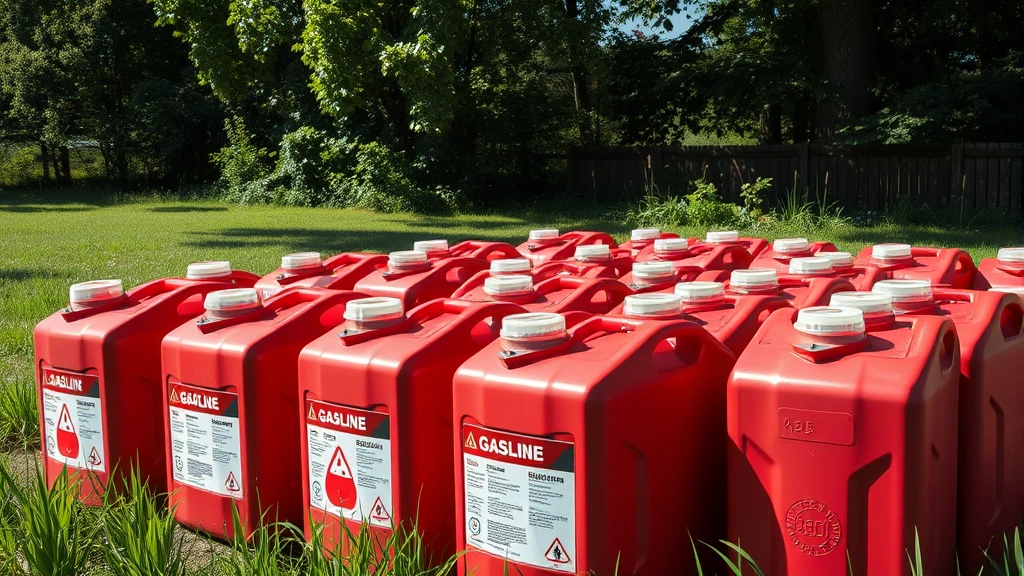
Proper storage of old gas before disposal minimizes risks to your household and environment. Gasoline must remain in approved containers—typically red metal or plastic cans specifically designed for fuel storage. Never store gas in glass bottles, plastic milk jugs, or unapproved containers, as these don’t provide adequate protection against vapors or leaks.
Store containers in well-ventilated areas away from heat sources, direct sunlight, and ignition sources. Ideal storage locations include outdoor sheds, garages with good airflow, or designated hazardous material storage areas. Keep containers tightly sealed to prevent vapor escape and water infiltration. Label all containers clearly with “OLD GASOLINE” and the date stored, ensuring family members and visitors understand the contents.
Never store gasoline indoors, in basements, or near living spaces. Vapors accumulate in enclosed areas, creating health hazards and explosion risks. If you must store fuel temporarily, the maximum recommended duration is 30 days in a cool location before professional disposal becomes necessary. Implement how to reduce your environmental footprint strategies by minimizing storage duration and moving toward disposal promptly.
Professional Disposal Options
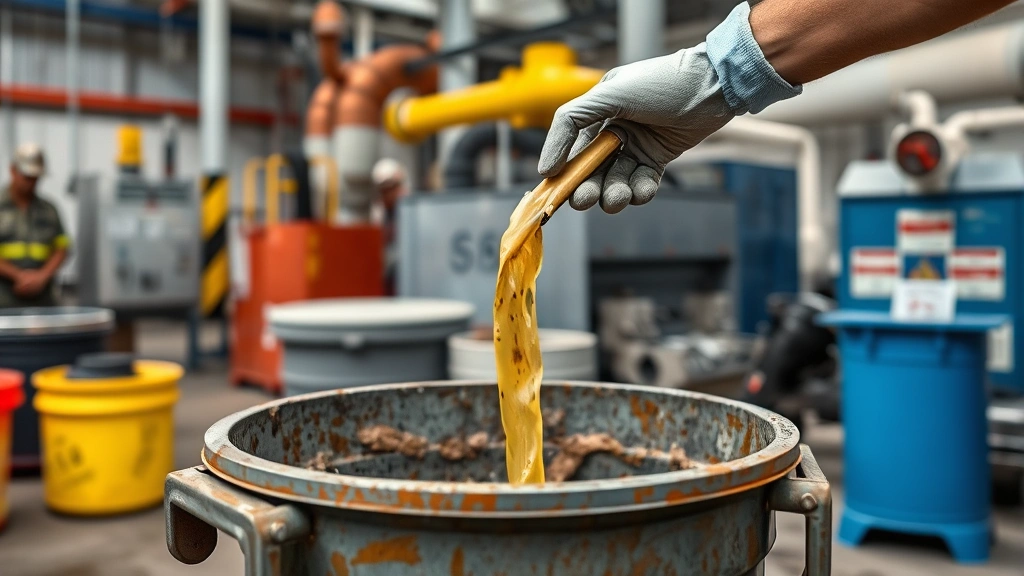
Professional disposal represents the safest and most legally compliant method for disposing of old gas. Certified hazardous waste facilities possess proper equipment, expertise, and environmental controls to handle fuel safely. These facilities either recycle the gasoline into usable products or incinerate it under controlled conditions, minimizing environmental impact.
Household hazardous waste collection programs operate in most communities, typically offering free or low-cost disposal services. These programs accept small quantities of old gasoline from residents, making them ideal for homeowners. Contact your local waste management authority, environmental protection agency, or visit Earth911.com to locate nearby collection events and facilities. Many communities organize quarterly or semi-annual collection days specifically for hazardous household materials.
Service stations and automotive retailers like AutoZone, Advance Auto Parts, and Jiffy Lube often accept old gasoline for disposal, sometimes offering the service free or for a nominal fee. Call ahead to confirm acceptance and any quantity limits. Some fuel delivery companies that service home heating oil tanks also accept old gasoline. Professional disposal ensures compliance with principles of sustainability by employing environmentally sound practices and preventing contamination.
Environmental remediation companies specialize in hazardous waste disposal for larger quantities. While typically more expensive than municipal programs, they provide documentation and handle complex disposal scenarios. For businesses or significant fuel quantities exceeding household limits, professional remediation ensures regulatory compliance and proper environmental stewardship.
DIY Disposal Methods
While professional disposal is always recommended, some DIY methods exist for small quantities of old gasoline under specific circumstances. Never attempt these methods without proper safety equipment, knowledge, and local authorization. Always verify local regulations permit DIY disposal before proceeding, as many jurisdictions strictly prohibit any home disposal methods.
One controlled method involves mixing old gasoline with fresh fuel in small quantities, diluting it sufficiently to restore usability. This approach works only for slightly degraded gas, not for heavily oxidized fuel. The ratio should never exceed 25% old gas to 75% fresh fuel, and the mixture must be tested in a small engine first before using in your vehicle. This method reduces waste but requires careful judgment about fuel condition.
For very small quantities where professional disposal isn’t accessible, some sources suggest controlled burning in an approved outdoor location, though this remains controversial and illegal in many areas. This method should only be considered as an absolute last resort after confirming local legality. The combustion must occur in a safe location away from structures, vegetation, and water sources, with fire suppression equipment nearby. Never attempt this without proper training and authorization.
Another approach involves allowing old gas to completely evaporate in a safe outdoor location, though this releases volatile organic compounds into the atmosphere and isn’t environmentally responsible. Spreading fuel on soil or concrete to allow evaporation causes environmental contamination. These DIY methods pale in comparison to the simplicity and safety of professional disposal, making them genuinely last-resort options only.
Preventing Gas Degradation
The best approach to old gas disposal is preventing its creation in the first place. Proper fuel storage practices extend gasoline shelf life significantly, reducing waste and disposal needs. Understanding sustainable energy solutions includes managing fuel responsibly to minimize environmental impact and resource waste.
Store gasoline in cool, dark locations maintaining temperatures between 50-85°F. Temperature fluctuations accelerate oxidation, so avoid areas experiencing extreme seasonal variations. Keep containers sealed tightly and away from direct sunlight, which accelerates chemical breakdown. Consider storing fuel in underground tanks or insulated containers that provide better temperature stability than exposed surface storage.
Use fuel stabilizers designed to extend gasoline shelf life, typically adding 12-24 months of usability. These chemical additives prevent oxidation and gum formation, maintaining fuel quality during storage. Add stabilizer immediately after purchasing fuel intended for long-term storage, following product instructions carefully. Popular options include Sta-Bil, PRI-G, and Marvel Mystery Oil, available at automotive retailers and hardware stores.
Implement a fuel rotation system for seasonal equipment like lawn mowers, generators, and boats. Use the oldest fuel first (FIFO method), ensuring fuel never exceeds six months of storage. Document storage dates on containers and maintain an inventory system. This approach minimizes waste while ensuring equipment operates with fresh fuel. For how to save energy at home applications involving generators, proper fuel management ensures reliability while reducing disposal needs.
Consider purchasing fuel in smaller quantities more frequently rather than storing large amounts. This approach reduces degradation risk and minimizes waste. For seasonal equipment, drain tanks completely before extended storage periods, or use fuel completely before seasons end. These preventive strategies reduce the frequency of disposal needs while supporting environmental responsibility.
FAQ
How long can gasoline be safely stored?
Fresh gasoline remains stable for approximately three to six months under ideal storage conditions. With fuel stabilizers, shelf life extends to one year or slightly beyond. After one year, degradation accelerates significantly, making the fuel unsuitable for most engines. Storage duration depends heavily on temperature, light exposure, and container quality, with cool, dark conditions extending usability.
Can I mix old gas with new gasoline?
Small quantities of slightly degraded gas can be mixed with fresh fuel at ratios not exceeding 25% old to 75% new gas. This dilution approach restores some usability for slightly oxidized fuel. However, heavily degraded or separated gasoline should never be mixed, as contamination can damage engines. Always test mixed fuel in small equipment first before using in vehicles.
What are the health risks of handling old gasoline?
Old gasoline releases volatile organic compounds (VOCs) that cause dizziness, headaches, respiratory irritation, and neurological effects with prolonged exposure. Skin contact can cause dermatitis and absorption of toxic compounds. Vapors accumulate in enclosed spaces, creating health hazards and explosion risks. Always handle old gas in well-ventilated areas with appropriate personal protective equipment including gloves and eye protection.
Is it illegal to pour old gas down the drain?
Yes, pouring gasoline down drains is illegal in virtually all jurisdictions and causes severe environmental damage. Gasoline contaminates groundwater, harms aquatic ecosystems, and persists in the environment for years. Penalties range from significant fines to criminal charges. Always dispose of old gas through approved facilities or professional services.
What should I do if gasoline spills during storage or transport?
Immediately evacuate the area and call emergency services if the spill is large (more than one gallon). For small spills, ventilate the area thoroughly, avoid creating sparks or flames, and contain the spill with absorbent materials like kitty litter or sand. Never use water to clean gasoline spills. Properly dispose of contaminated materials through hazardous waste programs. Large spills require professional environmental remediation.
Can old gasoline be recycled?
Yes, professional recycling facilities can recycle old gasoline into usable fuel products or process it for other industrial applications. Certified hazardous waste facilities employ advanced technologies to separate, purify, and recycle fuel components. This approach recovers valuable resources while preventing environmental contamination, making it preferable to incineration or other disposal methods.