Table of Contents
Introduction
Plastic waste is everywhere. And I mean everywhere—choking our oceans, cluttering our streets, and slowly but surely making its way into our food chain. If you’ve ever felt overwhelmed looking at your overflowing recycling bin or guilty about grabbing yet another plastic water bottle, you’re not alone. The good news? There’s a lot we can do about it, and it doesn’t require turning your life upside down.
Here’s what’s really happening: mountains of single-use plastics—those grocery bags, water bottles, and takeout containers we barely think about—are wreaking havoc on our planet. Marine life is paying the price, ecosystems are struggling, and frankly, so are we. Understanding how to reduce water pollution becomes crucial when you realize just how much plastic waste ends up contaminating our water sources. But here’s the thing: once you start seeing the real impact and learn about simple daily plastic use reduction habits, you’ll be amazed at how small changes can ripple into something much bigger.
Let’s be honest—cutting back on plastic isn’t always easy. We live in a convenience-driven world where everything comes wrapped, packaged, and ready to toss. You’re rushing through the grocery store, and those reusable bags are sitting in your car. Again. We’ve all been there. But what if I told you that those little slip-ups don’t matter as much as the consistent choices you make? Simple swaps like carrying a reusable water bottle or saying no to plastic straws might seem small, but they add up. This connects beautifully with broader changes happening across industries—take sustainability in the fashion industry, where companies are finally waking up to their plastic problem too. It’s all connected, and that’s actually encouraging because it means your choices matter more than you think.
Now, here’s where it gets really interesting. Individual action is powerful, but it’s not the whole story. We need bigger players stepping up—governments banning single-use plastics, companies rethinking their packaging, communities organizing cleanup efforts that actually make a dent. Think about it: when we protect environments from plastic pollution, we’re also safeguarding the wildlife that calls those places home. That’s why understanding how to protect endangered species ties directly into this plastic conversation. Clean habitats mean healthier ecosystems, which means a healthier planet for all of us. It’s not just about policy—it’s about creating a world where both people and wildlife can thrive.
What You’ll Learn in This Guide
Ready to become part of the solution? This guide will give you everything you need to tackle plastic waste head-on, whether you’re just starting out or looking to take your efforts to the next level. Here’s what we’ll cover together:
- Understanding Plastic Waste and Its Impacts: We’ll break down what plastic waste really is, how it builds up in our environment, and why it’s such a threat to both ecosystems and human health.
- Practical Reduction Strategies: You’ll discover realistic ways to reduce, reuse, and recycle plastic in your everyday life—strategies that actually work without making you feel like you’re living in the stone age.
- Community and Policy Engagement: Learn about the initiatives and policies that are making real change happen, and find out how you can get involved (it’s easier than you think).
- When to Seek Expert Advice: Sometimes you need backup—we’ll point you toward resources, organizations, and experts who can help amplify your impact.
What I love about this approach is how everything connects. Your personal choices inspire your neighbors, community efforts influence policy, and policy changes make it easier for everyone to make better choices. It’s a beautiful cycle when it works.
Coming up, we’ll break down the different types of plastic waste you encounter daily and show you exactly how to handle each one. You’ll get step-by-step methods for building sustainable habits that actually stick, plus real examples of communities and policies that are winning this fight. And if you’re curious about how businesses are stepping up, check out sustainability in supply chain management—it’s fascinating to see how companies are rethinking everything from sourcing to shipping.
By the time you finish reading, you’ll have practical tools, insider knowledge, and honestly? You’ll feel hopeful. Because when you know what to do and why it matters, taking action becomes the natural next step.
So let’s dive in and turn that plastic problem into your environmental success story.
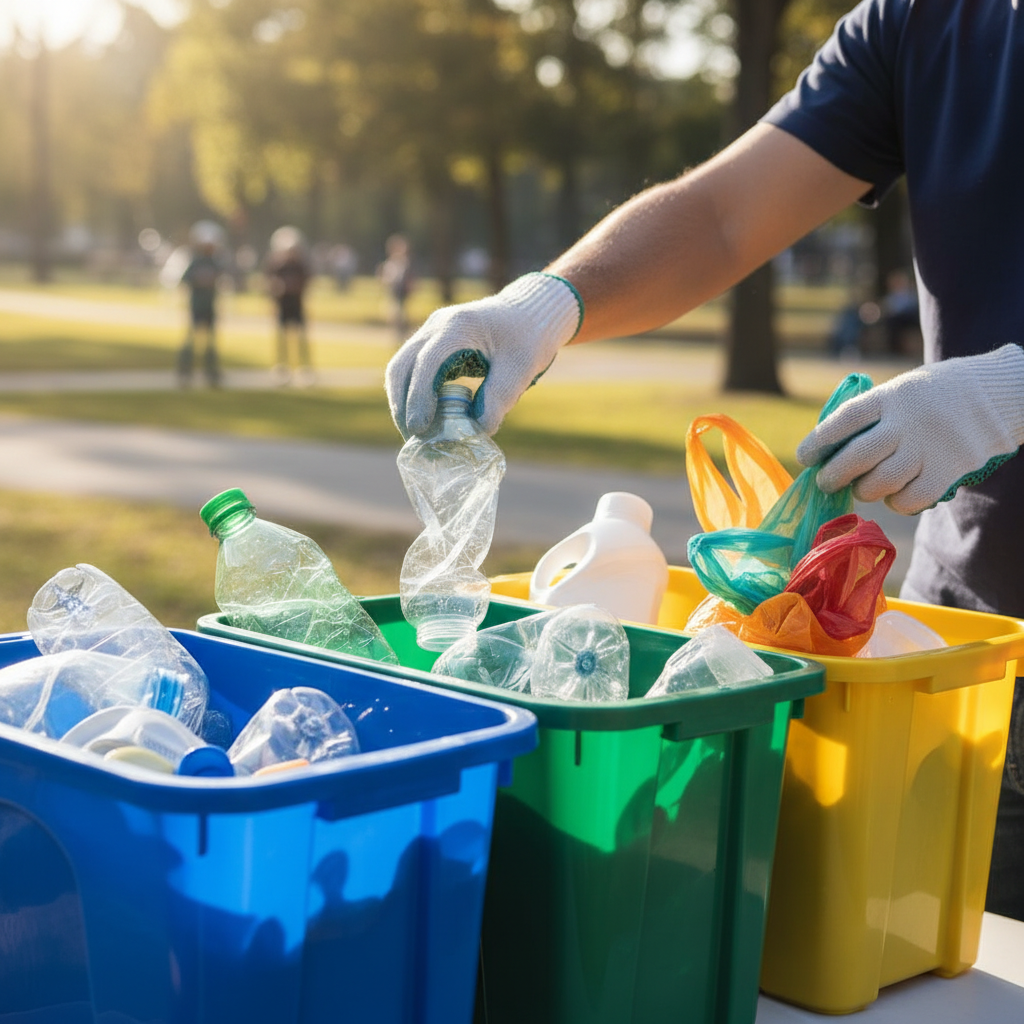
So we’ve talked about why plastic waste is such a big deal—now let’s dig into what we’re actually dealing with here. The reality is pretty sobering: plastic waste comes from everywhere, shows up in places you’d never expect, and sticks around way longer than any of us would like. But here’s the thing—once you understand how this whole mess works, you can actually do something meaningful about it. We’re going to break down the different types of plastic waste that are cluttering up our world and then get into the practical stuff—real strategies you can use to shrink your plastic footprint and live more sustainably.
Understanding Plastic Waste and Its Environmental Impact
Let’s start with the basics. When we talk about plastic waste, we’re looking at everything from that plastic water bottle you grabbed at lunch to those tiny fragments you can’t even see floating in the ocean. Single-use plastics are the obvious culprits—straws, bags, food containers that get tossed after one use. Then there’s microplastics (those microscopic pieces that are everywhere now), plus all that packaging wrapped around basically everything we buy.
Here’s what’s really frustrating: plastic doesn’t break down the way organic stuff does. That takeout container? It’s going to outlive you, your kids, and probably their kids too. And while it’s sitting there in some landfill or floating in the ocean, it’s causing real problems. Wildlife mistakes it for food, gets tangled up in it, or has their habitats destroyed by it. The chemicals leach into soil and water. It’s a mess that keeps getting worse.
But wait—there’s another layer to this that might surprise you. All this plastic pollution is actually making climate change worse. When ecosystems like forests and oceans get clogged up with plastic debris, they can’t do their job of absorbing carbon dioxide as effectively. Plus, making and disposing of plastic releases greenhouse gases. So when you cut back on plastic waste, you’re not just helping with pollution—you’re fighting climate change too. Want to see how this connects to bigger sustainability efforts? Check out these sustainable agriculture techniques that work hand-in-hand with reducing plastic waste.
The climate connection goes deeper than most people realize. Every piece of plastic we produce requires energy (usually from fossil fuels), and every piece we throw away either sits in a landfill releasing methane or gets incinerated, pumping CO2 into the atmosphere. It’s all connected—plastic pollution, climate change, biodiversity loss. That’s why tackling plastic waste isn’t just about cleaning up beaches (though that’s important too). It’s about rethinking how we consume and dispose of materials. For a bigger picture view of how all these environmental issues connect, the principles of sustainability offer a great framework for understanding eco-friendly decision-making.
Key Aspects of Plastic Waste to Consider
Okay, so what are we actually dealing with here? Let me break down the main types of plastic waste you should know about:
- Single-Use Plastics: This is the low-hanging fruit. We’re talking about items designed to be used once and tossed—plastic utensils, straws, shopping bags, food containers. They make up a huge chunk of the plastic waste problem. The good news? They’re also the easiest to avoid. Simple swaps like bringing your own bag or using a reusable water bottle can make a real dent in the amount of plastic waste you create.
- Microplastics: These are the sneaky ones—tiny plastic particles that come from bigger pieces breaking down over time. They’re in our water, our food, even in the air we breathe. You can’t see them, but they’re everywhere. Marine animals eat them thinking they’re food, and they’re showing up in human bodies too. The scary part? Once they’re out there, they’re almost impossible to clean up.
- Plastic Packaging: Walk down any grocery store aisle and you’ll see what I mean. Everything is wrapped, sealed, or contained in plastic. Food, electronics, toys—you name it. This is where innovation really matters. Companies are starting to develop better packaging materials and improve recycling systems, but we still have a long way to go.
- Ecological and Climate Effects: The environmental damage goes way beyond what you see in those heartbreaking photos of sea turtles. Plastic waste releases toxic chemicals that poison soil and water. It disrupts entire ecosystems. And as I mentioned, it’s making climate change worse by interfering with natural carbon absorption processes. Understanding these ripple effects helps you see why your individual choices really do matter.
Once you grasp these different aspects, it becomes clearer how your daily decisions—what you buy, how you dispose of things, what alternatives you choose—can actually make a difference. And that brings us to the practical stuff: what can you actually do about all this?
Practical Strategies to Reduce Plastic Waste in Daily Life and Community Actions
Here’s where things get hopeful. Yes, the plastic waste problem is huge, but there are real, actionable things you can do about it. It starts with the classic trio: reduce, reuse, recycle. But let’s be honest—it’s more nuanced than that slogan makes it sound.
The most powerful changes happen when individual actions add up to community-wide shifts. Think about it: when enough people start bringing reusable bags to the store, stores stop automatically handing out plastic ones. When communities demand better recycling programs, local governments respond. Your choices matter, but they matter even more when they’re part of a bigger movement. Speaking of bigger movements, understanding sustainability in supply chain management shows how responsible sourcing and consumption choices create ripple effects throughout entire industries.
Communities can amplify individual efforts in powerful ways. Local policies banning single-use plastics, educational programs in schools, organized beach cleanups—these initiatives create a culture where environmental stewardship becomes the norm, not the exception. When you support these efforts or get involved yourself, you’re helping build the systematic changes we need to really tackle this problem.
Key Practical Ways to Reduce Plastic Waste
Ready to make some real changes? Here are the strategies that actually work:
- Reduce Plastic Usage: This is your biggest opportunity. Start by identifying the single-use plastics you use most—maybe it’s takeout containers, plastic bags, or bottled water. Then find alternatives you can actually stick with. Cloth shopping bags, stainless steel water bottles, glass food containers. The key is making swaps that fit your lifestyle. Don’t try to change everything at once; pick one or two items and build from there.
- Reuse Plastic Items: Before you toss something plastic, ask yourself: could this have another life? Plastic containers make great storage for garage items or craft supplies. Large yogurt containers are perfect for starting seedlings. Glass jars (which often have plastic lids) are fantastic for bulk buying and food storage. Getting creative with reuse not only keeps items out of the waste stream—it also helps you become more aware of how much plastic you’re actually bringing home.
- Recycle Properly: This one’s trickier than it sounds. Different communities have different recycling rules, and putting the wrong stuff in the recycling bin can actually contaminate entire batches. Take some time to learn your local guidelines. Clean containers before recycling them. Know which numbers are accepted in your area. And remember—recycling is better than throwing something away, but it’s still not as good as not using it in the first place.
- Advocate for Policy and Community Initiatives: Don’t underestimate your power as a citizen. Support candidates and policies that prioritize environmental protection. Join or start community initiatives like plastic-free challenges or local cleanup events. Contact businesses you frequent and ask about their packaging choices. When companies see customer demand for sustainable options, they respond. Your voice matters more than you think.

Here’s the reality about plastic waste: it’s everywhere, and it’s wreaking havoc on our planet. We’ve covered a lot of ground in this guide—from those massive piles of single-use plastics you see in documentaries to the tiny microplastics that are literally floating in our drinking water right now. (Yes, even the water you just drank probably had some.) These materials don’t just disappear when we’re done with them. They stick around for centuries, choking wildlife, messing with entire ecosystems, and pumping out greenhouse gases as they slowly break down. Understanding this isn’t meant to overwhelm you—it’s about giving you the power to make different choices.
But here’s what gives me hope: we actually know how to fight this thing. The classic trio of reduce, reuse, and recycle? It works when people actually do it. And it’s not just about individual action—though that absolutely matters. We’re seeing real change happen when communities ban plastic bags, when companies finally start using better packaging, and when people organize beach cleanups that turn into movements. These efforts create ripple effects that spread from neighborhood to neighborhood, generation to generation. The key is combining what you do personally with bigger systemic changes that tackle the root of the problem.
Now that you understand how serious plastic pollution really is, let’s talk about what you can do next. Start by checking out these effective ways to reduce water pollution—because cleaning up our water sources goes hand-in-hand with reducing plastic contamination. You’ll also want to learn about strategies to protect endangered species, since healthy biodiversity helps ecosystems bounce back from the damage plastic waste causes. Don’t overlook sustainable agriculture techniques either—these farming practices cut down on plastic use while keeping our soil and water systems healthier. And since plastic production is a major source of greenhouse gases, you’ll want to explore practical methods to reduce greenhouse gas emissions to tackle the climate side of this problem too.
Taking these steps gives you real ways to make a difference in the fight against plastic waste. Remember, every time you choose the reusable option or support a plastic-free business, you’re not just helping the environment—you’re showing others that this stuff matters. You’ve got the knowledge now. You know what’s at stake and what actually works. So use it. Because honestly? We need everyone on board if we’re going to turn this around and leave future generations a planet they can actually thrive on.
Frequently Asked Questions
-
What are the simplest ways to reduce plastic waste daily?
- Start by using reusable bags, bottles, and containers. Avoid single-use plastics like straws and cutlery, and choose products with minimal or sustainable packaging.
-
Is recycling enough to solve the plastic waste problem?
- Recycling helps but isn’t sufficient alone. Reducing plastic use and reusing items are critical to shrink overall waste and prevent pollution.
-
How can community programs help with plastic reduction?
- Community programs raise awareness, organize cleanups, and support policy change, amplifying individual efforts for widespread impact.
-
What role do sustainable agriculture and conservation play in reducing plastic waste?
- They promote eco-friendly practices that protect ecosystems, reduce plastic inputs, and maintain biodiversity essential for environmental balance.