
Can Inert Gases Be Sustainable? A Chemist’s Comprehensive Insight
Inert gases—helium, argon, neon, xenon, and krypton—are chemical elements that rarely react with other substances, making them invaluable across countless industries. From welding and electronics manufacturing to medical applications and scientific research, these noble gases play critical roles in modern technology. But as sustainability concerns reshape how we evaluate industrial practices, a compelling question emerges: can the extraction, production, and use of inert gases align with environmental responsibility? This article explores the complex relationship between inert gas applications and sustainable development from a chemist’s perspective.
The sustainability question surrounding inert gases isn’t straightforward. Unlike carbon-intensive energy sources, inert gases themselves don’t contribute to greenhouse gas emissions during use. However, their extraction, separation, liquefaction, and transportation involve significant energy consumption and environmental considerations. Understanding these nuances requires examining the complete lifecycle of inert gases, from atmospheric sourcing to industrial application, while considering emerging technologies that promise to make their production more sustainable.
Understanding Inert Gases and Their Sources
Inert gases, scientifically known as noble gases, occupy Group 18 of the periodic table and possess complete electron shells that make them chemically stable and non-reactive. This fundamental property makes them extraordinarily useful across industries, yet understanding their sustainability requires first examining where these gases originate.
Atmospheric Sourcing: The primary source of most inert gases is Earth’s atmosphere. Argon comprises approximately 0.93% of air, making it the third most abundant gas after nitrogen and oxygen. Helium exists in trace amounts (0.0005%), while neon, krypton, and xenon are even rarer. This atmospheric abundance initially seems advantageous for sustainability—we’re essentially harvesting naturally occurring resources rather than mining finite deposits. However, extracting these gases from air requires substantial energy investment.
Helium presents a unique case. While it’s produced through atmospheric extraction, significant quantities come from natural gas extraction as a byproduct. This connection to fossil fuel industries complicates helium’s sustainability profile, as its production depends on natural gas operations. The U.S. Strategic Petroleum Reserve maintains a helium reserve, recognizing the element’s critical importance and limited alternative sources.
Other inert gases like argon and neon are primarily extracted through air separation units (ASUs) that liquefy atmospheric air. This process, while energy-intensive, doesn’t deplete non-renewable resources in the traditional sense. The gases remain in the atmosphere; we’re simply capturing and concentrating them for industrial use.
Current Production Methods and Environmental Impact
The industrial separation of inert gases from air involves sophisticated cryogenic processes that have been refined over more than a century. Understanding these methods illuminates both the environmental challenges and opportunities for improvement.
Cryogenic Air Separation: The most common method for producing argon, neon, and krypton involves cooling atmospheric air to extremely low temperatures (-180°C or lower) until gases liquefy. This fractional distillation process separates components based on their different boiling points. Nitrogen boils at -196°C, oxygen at -183°C, and argon at -186°C, allowing precise separation.
The energy demands of this process are substantial. Cryogenic liquefaction requires significant electricity input to power compressors and maintain ultra-cold conditions. Depending on the energy grid’s composition, this electricity may come from fossil fuels, renewable sources, or a mix. In regions with clean energy infrastructure, inert gas production carries a substantially lower carbon footprint than in areas relying on coal or natural gas power plants.
Helium Extraction: Helium extraction from natural gas deposits involves different processes. Natural gas contains helium in concentrations typically between 0.1% and 2%. Extracting helium requires specialized equipment and often involves cryogenic separation or adsorption techniques. The sustainability concern here is direct: helium extraction depends on natural gas drilling operations. When natural gas is extracted for energy purposes, helium can be recovered as a valuable byproduct. However, when helium demand is the primary driver, natural gas wells may be opened specifically for helium, creating additional environmental impacts associated with drilling and potential methane leakage.
According to research from the U.S. Geological Survey, helium reserves are finite and geographically concentrated, primarily in Texas, Oklahoma, and internationally in Qatar and Russia. This concentration raises concerns about supply security and the environmental footprint of extraction operations.
Energy Consumption in Gas Separation and Liquefaction
The energy intensity of inert gas production represents the primary sustainability challenge. Quantifying this impact requires examining specific energy requirements and comparing them to the value delivered.
Electricity Requirements: Producing one cubic meter of liquid argon requires approximately 0.6-0.8 kilowatt-hours of electricity, depending on the air separation unit’s efficiency and design. Modern ASU facilities operate at 40-50% thermodynamic efficiency, meaning substantial energy is lost as heat. For a typical large-scale ASU producing 100,000 cubic meters of argon daily, annual electricity consumption could exceed 20-30 million kilowatt-hours.
This energy consumption is substantial, but context matters. When electricity comes from renewable sources—wind, solar, hydroelectric, or nuclear power—the carbon footprint drops dramatically. A facility powered by renewable energy produces inert gases with minimal greenhouse gas emissions. Conversely, facilities powered by coal or natural gas contribute meaningfully to carbon emissions.
Cryogenic System Losses: Even during storage and transport, liquid inert gases experience boil-off losses due to heat transfer. Liquid argon typically loses 1-2% of its volume daily during storage, requiring energy to re-liquefy or accept product loss. Advanced insulation technologies and vacuum-jacketed containers reduce these losses, but they cannot eliminate them entirely. This inherent inefficiency represents a sustainability cost that researchers continue addressing through materials science innovations.
Transportation of liquefied gases adds another energy layer. Cryogenic tanker trucks and rail cars require specialized infrastructure and energy-intensive operations. Long-distance transport increases the overall energy footprint per unit of gas delivered, making localized production preferable from a sustainability perspective.
Industrial Applications and Sustainability Trade-offs
The sustainability equation for inert gases becomes more nuanced when examining their industrial applications. While production carries environmental costs, the benefits these gases provide often justify those costs from a lifecycle perspective.

Welding and Metal Fabrication: Argon and helium are essential for high-quality welding in industries ranging from aerospace to automotive to renewable energy infrastructure. These gases provide inert atmospheres that prevent oxidation and contamination, producing superior welds with greater strength and durability. Consider induction versus gas heating methods—while induction offers advantages in some applications, gas-based systems remain essential for specific industrial processes.
The sustainability argument here is compelling: using inert gases in welding enables production of higher-quality components that last longer, reducing the need for replacement and repair. A wind turbine blade welded with argon shielding will perform more reliably over its 20-25 year lifespan, ultimately supporting renewable energy deployment. Similarly, electric vehicle battery casings and structural components require precision welding that inert gases facilitate.
Electronics and Semiconductor Manufacturing: Silicon wafer production, integrated circuit manufacturing, and flat-panel display fabrication all depend critically on inert gas atmospheres. These processes require extremely pure environments where even trace reactive gases would cause defects. Argon and nitrogen provide the necessary inert atmosphere for chemical vapor deposition, ion implantation, and other semiconductor processes.
From a sustainability perspective, semiconductor manufacturing enables the digital economy, renewable energy monitoring systems, electric vehicle controls, and countless technologies supporting sustainability. The inert gases consumed represent a small fraction of the total environmental impact of these manufacturing processes, which are increasingly adopting renewable energy sources and water recycling systems.
Medical and Scientific Applications: Argon plasma scalpels in surgical applications, cryogenic preservation of biological samples, and research applications of inert gases serve critical purposes. The quantities consumed are relatively small compared to industrial applications, but the value delivered—human health, scientific advancement, medical innovation—justifies the resource expenditure.
Recycling and Recovery Systems
A significant sustainability opportunity lies in recycling and recovering inert gases from industrial processes. Currently, many industrial applications release inert gases to the atmosphere after use, representing both an economic and environmental loss.
Gas Recovery Technologies: Advanced facilities increasingly implement gas recovery systems that capture exhaust streams and return gases to production cycles or to customers for reuse. In semiconductor manufacturing, specialized recovery systems can capture 60-80% of process gases, reducing both raw material consumption and atmospheric release.
Cryogenic recovery systems use cold traps and absorption techniques to recover helium and argon from welding operations and manufacturing exhaust. These systems require capital investment and energy input but often achieve payback periods of 2-5 years through material savings alone. The environmental benefit extends beyond the economic calculation.
Closed-Loop Systems: Progressive industries are implementing closed-loop inert gas systems where gases circulate through processes repeatedly before eventual release or recycling. Aerospace manufacturers and high-precision electronics firms pioneered these approaches, demonstrating that closed-loop operation reduces consumption by 30-50% while improving product quality.
Barriers to Widespread Adoption: Despite the economic and environmental benefits, many smaller industrial operations haven’t adopted recovery systems due to high capital costs and technical complexity. Supporting policy frameworks and financial incentives could accelerate adoption across industries, significantly reducing overall inert gas consumption.
Emerging Sustainable Technologies
The chemistry and materials science communities are actively developing technologies to make inert gas production more sustainable. These innovations address the fundamental energy intensity challenge.
Improved Air Separation Units: Next-generation ASU designs incorporate advanced materials, optimized heat exchangers, and innovative thermodynamic cycles that improve efficiency toward 55-60% of theoretical maximum. These improvements reduce electricity requirements by 10-15% compared to conventional systems. When deployed globally, such efficiency gains would translate to substantial energy savings and emissions reductions.
Renewable-Powered Facilities: An increasing number of new air separation facilities are being constructed with direct connections to renewable energy sources. Companies and industrial operators are investing in wind and solar farms specifically to power gas separation operations. This approach decouples inert gas production from fossil fuel electricity grids, fundamentally improving the sustainability profile. The sustainable energy solutions available today make renewable-powered gas production economically viable in many markets.
Membrane Separation Technologies: Polymer membranes and advanced materials are being developed for selective gas separation at lower temperatures than cryogenic processes. While still in development stages, membrane-based separation could eventually reduce energy requirements by 20-40% compared to cryogenic methods. Research institutions and industrial companies are investing heavily in this technology.
Helium Conservation Initiatives: Recognizing helium’s finite supply and critical importance, the U.S. Department of Energy and international bodies are promoting helium conservation and recovery programs. These initiatives encourage industries to implement helium recovery systems and develop alternative processes where possible. Some applications are shifting toward other gases or alternative technologies, reducing helium demand.
The green technology innovations transforming our future increasingly incorporate inert gas production improvements, recognizing their role in enabling sustainable industrial practices.
Comparing Inert Gases to Alternative Solutions
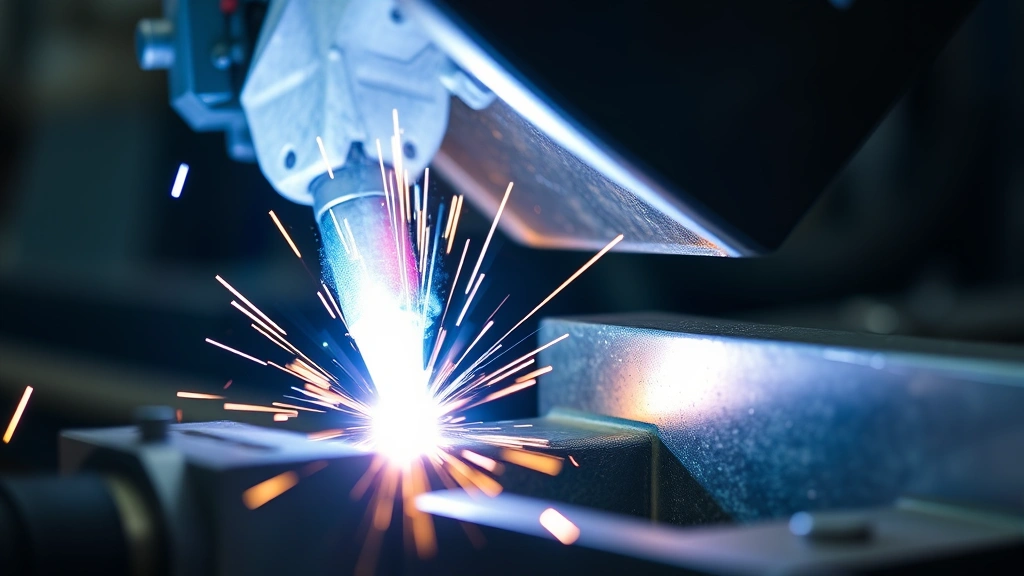
Welding Alternatives: In some welding applications, alternatives to inert gas shielding exist. Flux-cored and self-shielded welding processes eliminate the need for inert gases but often produce lower-quality welds with more defects, porosity, and contamination. From a lifecycle perspective, the superior quality of inert-gas-shielded welds often justifies the resource expenditure. Additionally, understanding gas applications in various contexts demonstrates how essential these gases are across industries.
Semiconductor Processing Alternatives: No viable alternatives exist for many semiconductor manufacturing steps that require inert atmospheres. Attempting to substitute or eliminate inert gases would compromise product quality and yields, making manufacturing uneconomical. In this sector, inert gases are genuinely irreplaceable.
Helium Alternatives: Helium’s unique properties—lowest boiling point of any element, exceptional thermal conductivity, and inertness—make it irreplaceable for many cryogenic and scientific applications. Some research institutions are exploring alternative cooling methods for specific applications, but helium remains essential for MRI machines, nuclear magnetic resonance spectroscopy, and particle physics research. Conservation and recycling represent more practical sustainability strategies than replacement.
Comparative Lifecycle Analysis: Comprehensive lifecycle assessments of industrial processes show that using inert gases often represents a small percentage of overall environmental impact. For example, producing a semiconductor chip involves multiple processes consuming water, energy, and materials. Inert gas consumption typically accounts for 2-5% of the total environmental footprint. This context suggests that optimizing inert gas production sustainability, while important, should be balanced with addressing larger impact sources.
However, the EPA’s climate impact assessments emphasize that cumulative emissions from numerous industries collectively drive climate change. Even small improvements across many sectors contribute meaningfully to sustainability goals.
The Sustainability Verdict: A Nuanced Conclusion
Can inert gases be sustainable? The answer is: yes, but with important caveats and ongoing improvement requirements.
Current Status: Inert gases produced from atmospheric air using renewable electricity represent sustainable industrial inputs. Their production consumes energy, but not non-renewable resources in the traditional sense. The energy intensity remains the primary sustainability challenge, but this challenge is addressable through technology improvements and renewable energy adoption.
Helium presents a more complex case due to its finite supply and dependence on natural gas extraction. However, even helium can be considered sustainable in a circular economy framework emphasizing recovery and recycling rather than virgin extraction.
Path Forward: The sustainability of inert gases improves through several parallel efforts: efficiency improvements in air separation technology, transition to renewable-powered production facilities, implementation of gas recovery systems, and helium conservation initiatives. Industrial users also bear responsibility for optimizing consumption and recovering gases from exhaust streams.
Comparative Value: In many applications, inert gases enable production of superior products with longer lifespans and better performance, creating positive lifecycle value despite production energy costs. Supporting renewable energy infrastructure and sustainable advantages of electric vehicles and other technologies often depends directly on reliable inert gas supply for manufacturing.
The chemistry perspective reveals that inert gases are not inherently unsustainable—rather, their sustainability depends entirely on how we produce them and how efficiently we use them. As industrial operations increasingly adopt renewable energy and implement recovery systems, inert gas production will become progressively more sustainable. This trajectory demonstrates that even essential industrial inputs can align with environmental responsibility through thoughtful technology development and strategic implementation.
FAQ
What is the most sustainable inert gas?
Argon is arguably the most sustainable because it’s abundant in the atmosphere (0.93%) and doesn’t depend on fossil fuel extraction like helium does. When produced using renewable electricity, argon production carries minimal environmental impact.
How much energy does inert gas production consume?
Large-scale air separation units require 0.6-0.8 kilowatt-hours of electricity per cubic meter of liquid argon produced. Facilities processing 100,000 cubic meters daily consume 20-30 million kilowatt-hours annually, equivalent to the electricity needs of 2,000-3,000 homes.
Can inert gases be recycled?
Yes, advanced recovery systems can capture 60-80% of inert gases from industrial exhaust streams. However, widespread adoption of these systems remains limited due to capital costs and technical requirements.
Is helium sustainable?
Helium presents sustainability challenges due to finite reserves and dependence on natural gas drilling. However, conservation initiatives and recovery programs are improving the situation. Using recycled helium and developing alternative technologies for non-critical applications supports sustainability.
Why can’t we use alternatives to inert gases?
In many applications—semiconductor manufacturing, precision welding, cryogenic research—inert gases are chemically irreplaceable. Their unique properties make alternatives impractical or impossible for these critical functions.
Are inert gases contributing to climate change?
Inert gases themselves are not greenhouse gases and don’t contribute to climate change when used. However, the electricity consumed in their production may come from fossil fuel sources, indirectly contributing to emissions. Renewable-powered production eliminates this indirect impact.
How can industries improve inert gas sustainability?
Key strategies include implementing gas recovery systems, transitioning to renewable-powered production facilities, adopting more efficient air separation technologies, optimizing consumption processes, and supporting helium conservation initiatives.


