
Grill Burgers Sustainably: Expert Tips Inside
Grilling burgers on a gas grill is an American pastime, but it doesn’t have to come at the expense of environmental responsibility. Whether you’re hosting a backyard gathering or cooking a weeknight meal, sustainable grilling practices can significantly reduce your carbon footprint while delivering delicious results. From sourcing ethical beef to optimizing fuel efficiency, this comprehensive guide explores how to master the art of grilling burgers with environmental consciousness at the forefront.
The good news? Grilling sustainably doesn’t require sacrificing flavor or convenience. By implementing thoughtful strategies—such as choosing regeneratively-raised beef, minimizing fuel waste, and composting organic byproducts—you can transform your grilling routine into an eco-friendly practice. Let’s explore the intersection of culinary excellence and environmental stewardship.

Choosing Sustainable Beef for Your Burgers
The foundation of sustainable burger grilling begins long before you fire up your gas grill. Beef sourcing represents the most significant environmental impact of your grilling experience, accounting for substantial greenhouse gas emissions and land use. According to EPA research on greenhouse gas emissions, livestock production contributes significantly to methane release.
When selecting meat for your burgers, prioritize beef from producers practicing regenerative agriculture or sustainable ranching. Look for certifications including:
- Grass-fed and grass-finished: Cattle raised primarily on pasture rather than grain-based feedlots, reducing feed production impacts
- Certified Humane: Ensures animal welfare standards and often correlates with better environmental practices
- Carbon Neutral Certified: Producers offsetting emissions through verified environmental programs
- Local and regional sources: Reducing transportation emissions through shortened supply chains
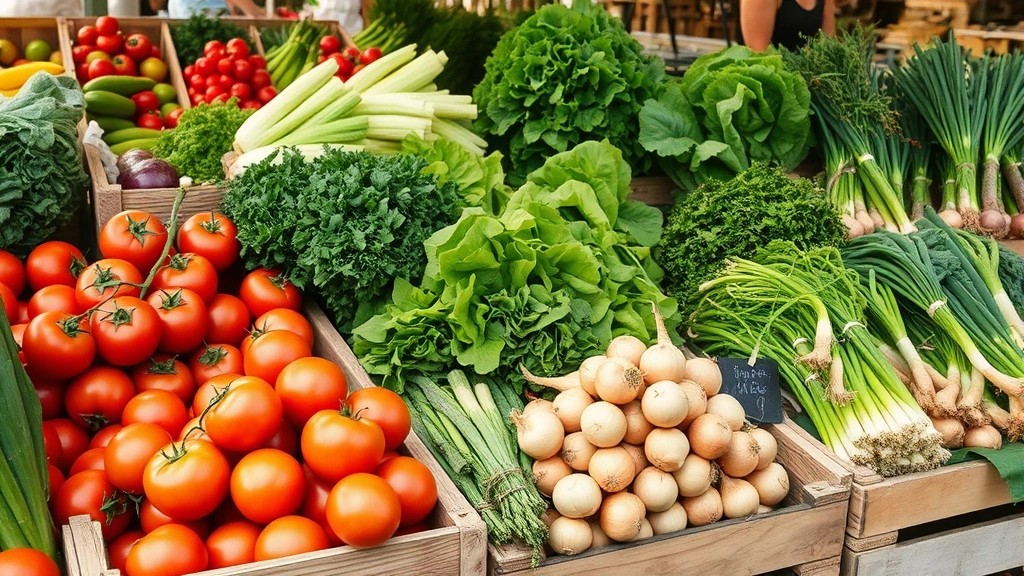
Consider visiting local farmers’ markets or establishing direct relationships with regional ranchers. This approach not only supports sustainable agriculture but often yields superior flavor profiles and fresher meat for your gas grill cooking. Many sustainable lifestyle resources now provide directories connecting consumers with ethical meat producers.
Optimizing Your Gas Grill for Efficiency
Your gas grill’s efficiency directly impacts fuel consumption and environmental impact. A well-maintained grill uses less propane or natural gas, reducing both your carbon footprint and fuel costs. Begin with these optimization strategies:
Grill Maintenance Protocol:
- Clean grates thoroughly after each use to ensure optimal heat transfer and prevent flare-ups requiring additional fuel
- Inspect burner ports monthly, clearing any blockages that reduce flame consistency
- Check seals around the grill door and lid, ensuring heat retention and fuel efficiency
- Replace damaged thermometers with accurate models to prevent temperature guessing
- Keep exterior surfaces clean and reflective for improved heat distribution
When grilling burgers specifically, preheat your grill for only 10-15 minutes rather than the common 20-30 minute practice. Modern gas grills reach optimal cooking temperature quickly; extended preheat wastes fuel unnecessarily. Use your grill’s thermometer to confirm proper temperature (approximately 375-400°F for burger grilling) before placing patties on the grates.
Consider investing in a grill cover to protect your equipment and maintain heat retention capabilities. A well-insulated grill requires less fuel to maintain cooking temperatures throughout your grilling session.
Fuel Management and Storage Best Practices
Proper propane or natural gas management extends beyond the grill itself. Understanding how long gas remains viable for grilling prevents waste and ensures consistent performance. Propane doesn’t degrade over time, but improper storage can introduce contaminants and reduce efficiency.
Sustainable Fuel Storage Guidelines:
- Store propane tanks in cool, shaded locations away from direct sunlight, which increases internal pressure
- Keep tanks upright and secure, preventing potential leaks or accidents
- Store tanks outdoors or in well-ventilated spaces, never in enclosed areas
- Maintain at least three feet of clearance around tanks for safety and inspection purposes
- Check tank valves monthly for corrosion or damage that might cause leaks
Monitor your fuel level before grilling to avoid mid-session depletion. Running out of fuel mid-cook forces you to restart the grilling process, wasting both time and energy. Many hardware stores offer exchange programs for propane tanks, ensuring proper recycling of old containers. This sustainable energy approach keeps hazardous materials from landfills.
If using natural gas, ensure your grill connection remains secure and leak-free. Even small leaks represent wasted resources and potential safety hazards. Test connections annually using soapy water—bubbles indicate leaks requiring professional attention.
Preparing Burger Patties Sustainably
Burger preparation significantly impacts both sustainability outcomes and grilling results. Proper patty formation ensures even cooking, reducing fuel waste from overcooking.
Sustainable Burger Preparation Techniques:
- Minimize additives: Use only high-quality beef, salt, and pepper. Avoid fillers, breadcrumbs, or egg binders that reduce meat quality and increase processing waste
- Form patties by hand: Avoid mechanical grinders when possible, reducing energy consumption and equipment waste
- Create uniform thickness: Quarter-pound patties with consistent dimensions cook evenly, preventing some areas from burning while others remain undercooked
- Indent the center: A small thumb-press in each patty’s center prevents bulging during cooking, ensuring even heat distribution
- Chill patties before grilling: Cold patties hold together better and cook more evenly, reducing fuel requirements
Handle meat minimally before cooking. Excessive manipulation compacts the meat structure, resulting in dense, tough burgers requiring longer cooking times. Gentle shaping with minimal pressure creates lighter, more flavorful results.
Prepare patties shortly before grilling rather than hours in advance. Fresh patties maintain superior texture and moisture content, cooking more efficiently on your gas grill.
Mastering the Grilling Technique
Proper technique transforms your gas grill experience into an efficient, sustainable cooking process. Correct grilling methodology reduces fuel consumption while improving burger quality.
Essential Gas Grill Burger Technique:
- Preheat appropriately: Heat your grill to 375-400°F, verified with an accurate thermometer. Avoid the common mistake of excessive preheating
- Oil the grates: Lightly oil grates using a high-heat oil to prevent sticking and reduce meat waste from tearing
- Place patties on direct heat: Position burgers directly over flame for proper searing and crust development
- Resist the urge to press: Never press patties with a spatula—this squeezes out flavorful juices and extends cooking time, wasting fuel
- Flip only once: Cook approximately 3-4 minutes per side for medium doneness. Multiple flips increase cooking time and fuel consumption
- Use a meat thermometer: Verify doneness (160°F internal temperature) rather than guessing, preventing overcooking
- Rest before serving: Allow patties to rest 2-3 minutes after grilling, improving flavor and texture while reducing perceived need for additional cooking
Monitor burger progress visually rather than constantly flipping. Reduced manipulation means shorter cooking times and lower fuel consumption. Gas grills typically cook burgers in 6-8 minutes total, making them an efficient cooking method compared to charcoal alternatives.
Reducing Waste During Grilling
Comprehensive waste reduction transforms grilling into a truly sustainable activity. Thoughtful waste management practices minimize environmental impact beyond fuel efficiency.
Zero-Waste Grilling Practices:
- Compost vegetable scraps: Onions, lettuce, tomato trimmings, and other burger accompaniments belong in compost bins rather than landfills
- Reuse cooking oils: Strain oil used for grate preparation and store for future grilling sessions
- Minimize packaging: Purchase meat from local sources using minimal packaging, or bring reusable containers to butchers
- Eliminate single-use items: Use reusable plates, utensils, and napkins rather than disposable alternatives
- Save grease responsibly: Collect rendered fat in containers for proper disposal rather than pouring down drains
- Recycle containers: Ensure all packaging materials find their way into appropriate recycling streams
Consider implementing a closed-loop food system for your grilling events. Yard waste and food scraps become compost feeding gardens that grow burger accompaniments for future grilling sessions. This cyclical approach embodies true sustainability principles.
Sustainable Sides and Accompaniments
Complete your sustainable grilling experience by thoughtfully selecting burger accompaniments. Side dishes and toppings significantly impact the overall environmental footprint of your meal.
Choose locally-sourced vegetables whenever possible. Farmers’ market tomatoes, lettuce, and onions typically require minimal transportation and packaging compared to supermarket alternatives. Visit your local farmers’ market regularly to identify seasonal produce options offering optimal freshness and sustainability.
Consider plant-based alternatives to traditional burger toppings. While cheese and bacon add flavor, incorporating vegetable-based condiments—homemade vegetable salsas, herb-based spreads, or grilled vegetable medleys—reduces overall meat consumption and associated environmental impacts.
Sustainable Burger Topping Ideas:
- Grilled portobello mushroom caps as meat-free alternatives or complements
- Homemade vegetable pickles using garden produce
- Fresh herbs from home gardens or local sources
- Locally-sourced artisanal cheeses supporting regional producers
- Organic condiments minimizing pesticide and fertilizer impacts
Whole grain buns from local bakeries typically offer superior sustainability profiles compared to mass-produced supermarket alternatives. Many bakeries now embrace sustainable practices including comprehensive sustainability definitions guiding their operations.
For beverages, serve water, locally-produced beer, or organic drinks in reusable containers. Avoid single-use plastic bottles and aluminum cans when possible, or ensure proper recycling of unavoidable disposable containers.
FAQ
What temperature should I grill burgers on a gas grill?
Grill burgers at 375-400°F for optimal results. Verify temperature using an accurate thermometer rather than guessing. This temperature range creates proper crust development while ensuring thorough cooking throughout the patty. High-heat grilling typically completes burgers in 6-8 minutes.
How long should I preheat my gas grill before cooking burgers?
Preheat your gas grill for 10-15 minutes only. Modern grills reach optimal cooking temperature quickly; extended preheat unnecessarily wastes fuel. Verify proper temperature with your grill’s thermometer before placing burgers on the grates.
Should I press burgers while grilling?
Never press burgers with a spatula while grilling. Pressing squeezes out flavorful juices, compacts the meat structure, and extends cooking time—all negatively impacting both quality and fuel efficiency. Use a spatula only for flipping.
How many times should I flip burger patties?
Flip burger patties only once during grilling. Cook approximately 3-4 minutes per side for medium doneness. Excessive flipping extends cooking time and wastes fuel. Use a meat thermometer (160°F internal temperature) to verify doneness rather than relying on appearance or guessing.
What’s the most sustainable beef choice for burgers?
Choose grass-fed, grass-finished beef from regenerative agriculture operations when possible. Look for Certified Humane, Carbon Neutral Certified, or local producer options. According to The Nature Conservancy’s regenerative agriculture resources, these practices significantly reduce environmental impact compared to conventional feedlot operations.
Can I use my gas grill year-round sustainably?
Yes, gas grills operate efficiently year-round. In cold weather, allow slightly longer preheat times and monitor fuel consumption more carefully. Winter grilling requires minimal additional fuel when your grill is properly maintained. Ensure your equipment remains protected from harsh weather elements to maintain long-term efficiency.
How do I know when my propane tank needs refilling?
Monitor propane levels before each grilling session to avoid mid-cook depletion. Weigh your tank periodically, comparing current weight to the empty weight stamped on the tank bottom. Many propane suppliers offer exchange programs or refill services. Check the Propane Council’s resources for certified refill locations in your area.
What’s the environmental impact difference between gas and charcoal grilling?
Gas grilling typically produces lower emissions than charcoal grilling due to superior fuel efficiency and reduced cooking time requirements. However, charcoal offers sustainability advantages when sourced from responsibly-managed forests. Both methods prove more sustainable than many assume when proper techniques and sourcing practices are implemented.


