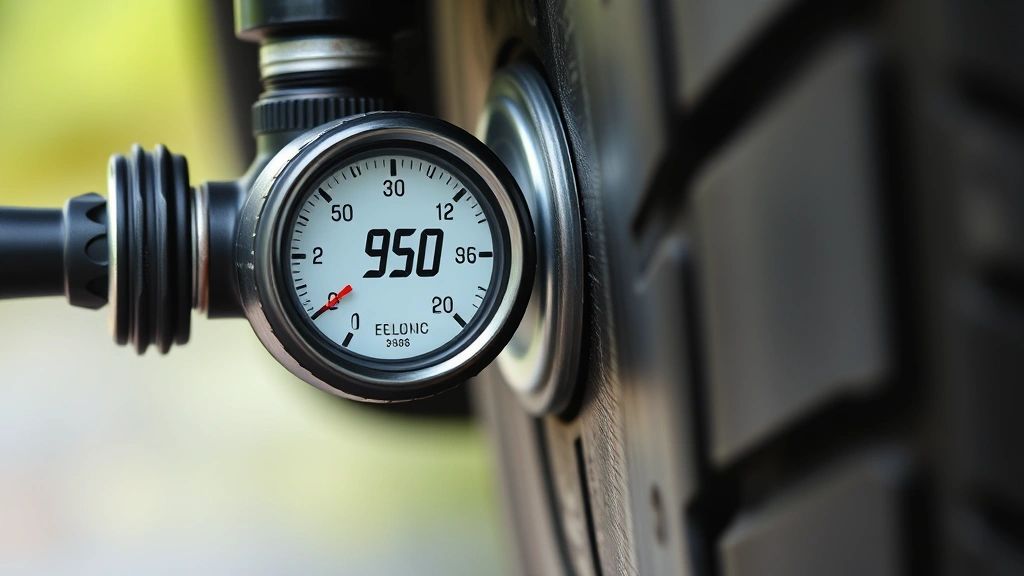
Inflate Tires Sustainably: Expert Tips & Tricks for Eco-Conscious Drivers
Proper tire inflation is one of the simplest yet most impactful ways to reduce your vehicle’s environmental footprint while improving fuel efficiency and safety. Many drivers overlook this basic maintenance task, not realizing that underinflated tires can increase rolling resistance, forcing your engine to work harder and consume more fuel. By learning how to put air in tires at a gas station correctly and maintaining optimal pressure, you’re taking a meaningful step toward sustainable driving practices that benefit both your wallet and the planet.
The connection between tire maintenance and environmental sustainability runs deeper than most people realize. When your tires operate at the manufacturer-recommended pressure, your vehicle achieves better fuel economy, which directly translates to reduced carbon emissions. This simple habit aligns with broader efforts to reduce your environmental footprint and demonstrates how everyday maintenance decisions contribute to climate action. Whether you drive a traditional gasoline vehicle or are considering the advantages of electric vehicles, proper tire inflation remains essential for optimal performance and sustainability.
Understanding Tire Pressure and Environmental Impact
Tire pressure directly affects your vehicle’s fuel consumption and emissions profile. When tires are underinflated by just 1 PSI (pound per square inch), your fuel economy decreases by approximately 0.3 percent. While this might seem minimal, consider that millions of drivers operating with underinflated tires collectively waste billions of gallons of fuel annually, contributing significantly to unnecessary carbon emissions. The Environmental Protection Agency (EPA) emphasizes that proper tire maintenance is one of the most cost-effective ways to improve fuel efficiency.
Overinflated tires present their own sustainability challenges. Excessive pressure reduces tire lifespan, requiring more frequent replacements and increasing the overall environmental cost of tire manufacturing, transportation, and disposal. The tire manufacturing process is energy-intensive and generates significant waste, making tire longevity an important sustainability consideration. By maintaining optimal pressure, you extend tire life, reduce waste, and minimize the environmental impact of tire production cycles.
The relationship between tire pressure and rolling resistance is fundamental to understanding sustainable driving. Rolling resistance is the force required to keep tires rolling, and it increases dramatically with underinflation. This increased resistance forces your engine to burn more fuel, releasing additional greenhouse gases into the atmosphere. By maintaining proper tire pressure, you’re actively reducing your vehicle’s contribution to climate change while improving performance and safety simultaneously.
Step-by-Step Guide to Inflating Tires at Gas Stations
Step 1: Locate Your Vehicle’s Recommended Tire Pressure
Before visiting a gas station, you need to know your vehicle’s correct tire pressure specification. This information is not found on the tire itself but rather on a placard located inside your driver’s side door jamb, on the door itself, or sometimes in your vehicle’s owner manual. The tire sidewall shows the maximum pressure the tire can safely hold, which is different from your vehicle’s recommended pressure. Always follow the manufacturer’s recommendation, as this pressure is calibrated for your vehicle’s weight, suspension, and handling characteristics.
Step 2: Check Current Tire Pressure
Most modern gas stations have air pump stations, typically located near the fuel pumps or in dedicated tire service areas. Before connecting the pump, use a tire pressure gauge to check your current tire pressure. Many gas stations provide free tire gauges, or you can purchase an inexpensive digital gauge for home use. Remove the valve cap from your tire by turning it counterclockwise, then firmly press the gauge onto the valve stem. The reading will indicate how much air you need to add.
Step 3: Connect the Air Pump
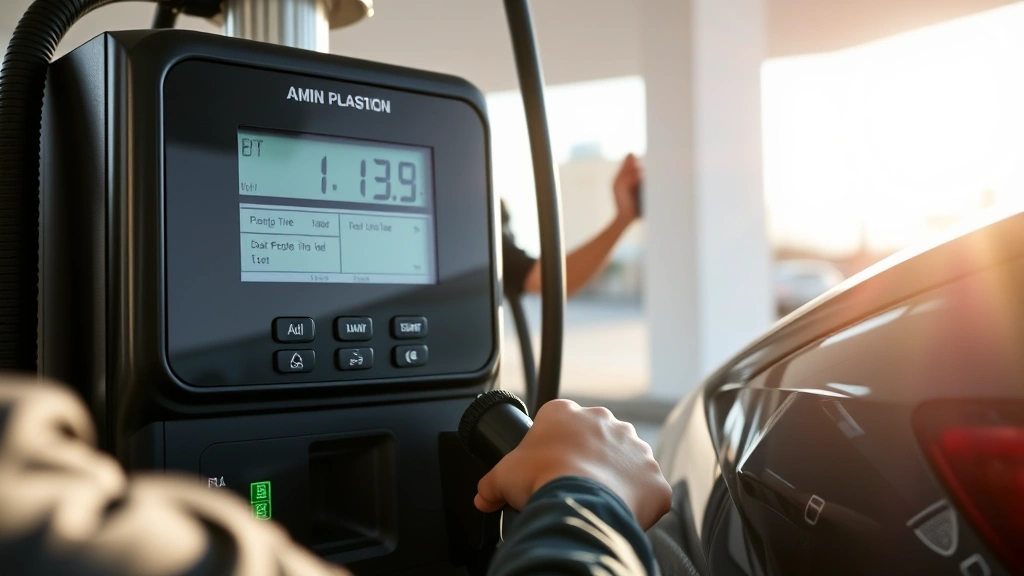
Once you’ve identified how much air is needed, connect the air pump hose to your tire’s valve stem. Press firmly to create a tight seal; you should hear a slight hissing sound if the connection is secure. Many modern gas station pumps have digital displays that show your tire’s current pressure and allow you to set your target pressure. Set your desired PSI on the pump’s interface.
Step 4: Inflate to Recommended Pressure
Activate the pump by pressing the designated button or lever. The pump will automatically stop when your tire reaches the target pressure you’ve set. Some older pumps require manual monitoring, so watch the gauge carefully and release the handle when you reach the desired pressure. Avoid overinflating, as this can damage your tire and negatively impact your vehicle’s handling and fuel efficiency.
Step 5: Verify and Replace Valve Caps
After inflation, disconnect the pump and immediately check the pressure with your gauge to confirm it matches your target. Replace the valve cap by turning it clockwise until snug. Repeat this process for all four tires, and don’t forget your spare tire, which should also be checked periodically and maintained at the pressure specified in your owner’s manual.
Finding the Right Tire Pressure for Your Vehicle
The correct tire pressure for your vehicle is determined by its manufacturer and is based on extensive engineering and testing. This pressure is typically between 28-35 PSI for most passenger vehicles, though some larger vehicles or performance cars may require higher pressures. The placard on your driver’s side door jamb will clearly display the recommended cold tire pressure, which should be checked when tires haven’t been driven for at least three hours or driven less than one mile at moderate speeds.
Temperature significantly affects tire pressure, with pressure increasing approximately 1 PSI for every 10-degree Fahrenheit increase in temperature. This means seasonal changes can affect your tire pressure, and you should check and adjust accordingly during transitions between summer and winter. Cold weather particularly impacts tire pressure, which is why many drivers notice warning lights illuminating on their dashboards during winter months. Understanding this relationship helps you maintain consistent pressure year-round and supports your sustainable energy solutions efforts by optimizing vehicle efficiency.
Different driving conditions may warrant slight pressure adjustments within the manufacturer’s recommended range. Heavy loading, such as carrying passengers and cargo, may require pressures at the higher end of the recommended range, while lighter loads can be maintained at the lower end. Always stay within the manufacturer’s specifications and never exceed the maximum pressure listed on the tire sidewall, which represents the tire’s structural limit, not a recommended operating pressure.
Best Practices for Sustainable Tire Maintenance
Sustainable tire maintenance extends far beyond simply inflating tires to the correct pressure. A comprehensive approach includes regular rotation, alignment checks, and monitoring for wear patterns that might indicate underlying issues. Tire rotation, typically performed every 5,000-7,000 miles, ensures even wear across all four tires, extending their lifespan and reducing waste. Proper wheel alignment prevents excessive wear and improves fuel efficiency by reducing rolling resistance.
Investing in high-quality, durable tires with good fuel efficiency ratings supports sustainability by reducing replacement frequency and minimizing environmental impact. Look for tires with low rolling resistance ratings, which are designed to reduce energy loss and improve fuel economy. The National Highway Traffic Safety Administration (NHTSA) provides tire ratings that help consumers make informed purchasing decisions aligned with efficiency and sustainability goals.
Regular inspections for damage, punctures, and abnormal wear patterns help identify problems early before they require tire replacement. Maintaining proper tire pressure is part of a holistic approach to vehicle maintenance that includes regular oil changes, air filter replacements, and engine tune-ups. These practices collectively improve fuel efficiency and reduce emissions, contributing to your overall commitment to sustainable living. For those considering alternative fuel options, understanding tire maintenance principles applies equally to electric vehicles, which benefit significantly from properly inflated tires.
Common Mistakes to Avoid
One of the most common mistakes drivers make is confusing the tire sidewall maximum pressure with the vehicle’s recommended pressure. The sidewall pressure represents the tire’s maximum safe operating limit, not the ideal pressure for daily driving. Always reference your vehicle’s manufacturer placard, which specifies the correct pressure for optimal performance, safety, and fuel efficiency.
Another frequent error is checking tire pressure when tires are hot, immediately after driving or in direct sunlight. Hot tires naturally have higher pressure readings due to air expansion, which can lead to overinflation if you adjust pressure at this time. Always check pressure when tires are cold for the most accurate reading. Additionally, many drivers neglect to check their spare tire, which should be maintained at the pressure specified in your owner’s manual to ensure it’s ready if needed.
Ignoring tire pressure monitoring system (TPMS) warnings is a critical mistake that many drivers overlook. Modern vehicles are equipped with sensors that alert you when tire pressure drops below safe levels. These warnings should never be ignored, as they indicate a safety issue and reduced fuel efficiency. Address tire pressure issues immediately to maintain optimal performance and environmental sustainability.
Failing to account for seasonal pressure changes is another common oversight. As temperatures drop in winter, tire pressure decreases naturally, and many drivers find themselves with underinflated tires during cold months. Conversely, summer heat can increase pressure. Checking and adjusting pressure seasonally ensures consistent performance and fuel efficiency throughout the year, supporting your commitment to reducing environmental impact through sustainable driving habits.
Tools and Equipment You’ll Need
A quality tire pressure gauge is the most essential tool for maintaining proper tire pressure. Digital gauges are more accurate and easier to read than analog versions, typically costing between $15-40. Stick gauges are less expensive but less reliable, while dial gauges offer a middle ground in price and accuracy. Keeping a gauge in your vehicle ensures you can check pressure anytime, anywhere.
Portable tire inflators offer convenience for home use and emergency situations. Battery-powered or rechargeable inflators are more sustainable than relying solely on gas station pumps, as they reduce your need to visit stations and minimize energy consumption. Quality portable inflators cost between $30-100 and provide the flexibility to maintain proper pressure without leaving home. Some models include pressure gauges and preset pressure settings for added convenience.
An air compressor for home use is an excellent investment if you maintain multiple vehicles or prefer regular pressure checks. Plug-in compressors are affordable and reliable, while portable models offer flexibility. Having a home compressor reduces dependency on gas station pumps and supports your sustainable lifestyle by enabling regular maintenance that extends tire life and optimizes fuel efficiency.
A tire tread depth gauge helps monitor tire wear and determines when replacement is necessary. Maintaining tires until they’re genuinely worn out, rather than replacing them prematurely, reduces waste and environmental impact. Tread depth should be at least 2/32 of an inch for safe operation, though many experts recommend replacement at 4/32 of an inch for better traction and safety.
Seasonal Tire Pressure Adjustments
Winter presents unique challenges for tire pressure maintenance. Cold temperatures cause air to contract, reducing tire pressure by approximately 1 PSI for every 10-degree Fahrenheit drop. Many drivers experience TPMS warnings during winter months as pressure naturally decreases. Rather than waiting for warnings, proactively check and adjust pressure as seasons change. Maintaining proper winter pressure is crucial for safety and traction on snow and ice.
Spring and fall transitions require attention as well. As temperatures warm in spring, tire pressure increases, potentially leading to overinflation if you don’t adjust accordingly. Similarly, as temperatures cool in fall, pressure decreases. Checking pressure during seasonal transitions ensures consistent performance and fuel efficiency year-round. This routine maintenance aligns with broader sustainability practices and demonstrates commitment to reducing your environmental footprint through responsible vehicle maintenance.
Summer heat can significantly increase tire pressure, potentially pushing it above recommended levels. High-performance driving or highway trips in hot weather can cause tire temperatures and pressure to rise further. Monitor pressure carefully during summer months and avoid adjusting pressure when tires are hot. If you must adjust, account for pressure increase due to heat and target a slightly lower cold pressure to achieve the correct hot pressure.
Altitude changes also affect tire pressure, though this is often overlooked. Driving from sea level to high elevations can cause pressure to increase as external atmospheric pressure decreases. If you’re traveling to significantly higher elevations, you may need to reduce tire pressure slightly. Conversely, driving to lower elevations may require pressure increases. While these adjustments are minor, understanding these relationships demonstrates comprehensive knowledge of tire maintenance and commitment to optimal vehicle performance.
FAQ
How often should I check my tire pressure?
Check tire pressure at least monthly and before long trips. Many experts recommend checking every two weeks to maintain optimal pressure and catch slow leaks early. Seasonal changes and temperature fluctuations may necessitate more frequent checks, particularly during winter months when pressure naturally decreases.
Can I inflate tires in extreme cold or hot weather?
Avoid checking or inflating tires immediately after driving or in direct sunlight, as heat increases pressure readings. For the most accurate adjustment, check pressure when tires are cold. In extreme cold, you may need to check pressure more frequently, as cold temperatures cause pressure to drop. Always allow tires to cool before making pressure adjustments.
What’s the difference between PSI and BAR?
PSI (pounds per square inch) and BAR are both units of pressure measurement. One BAR equals approximately 14.5 PSI. Most North American vehicles use PSI, while many international vehicles and some technical specifications use BAR. Always use the units specified on your vehicle’s manufacturer placard to ensure accurate pressure.
Is it safe to drive on slightly underinflated tires?
Driving on underinflated tires is unsafe and unsustainable. Underinflation reduces fuel efficiency, increases emissions, generates excessive heat that can lead to blowouts, and accelerates tire wear. Even slight underinflation of 5-10 PSI significantly impacts performance and safety. Maintain proper pressure for optimal vehicle operation and environmental responsibility.
How do I know if I have a slow leak?
If your tire pressure drops more than 1-2 PSI per month, you likely have a slow leak. Check the tire for visible punctures, cracks, or damage. If no visible damage is apparent, visit a tire shop for professional inspection. Slow leaks can often be repaired, extending tire life and reducing waste. Addressing leaks promptly supports sustainable tire maintenance practices.
Can tire pressure affect my vehicle’s handling?
Yes, tire pressure significantly affects handling, steering response, and overall vehicle stability. Underinflated tires cause soft, mushy handling and increased steering effort, while overinflated tires create a harsh ride and reduced traction. Proper pressure ensures optimal handling, safety, and comfort. This is another reason why maintaining manufacturer-recommended pressure is essential for both safety and sustainability.
Should I adjust tire pressure for different loads?
Vehicle manufacturers provide load-specific tire pressure recommendations in your owner’s manual or on the door jamb placard. When carrying heavy loads, you may need to inflate tires to the higher end of the recommended range to prevent overloading and maintain proper handling. Always stay within manufacturer specifications and never exceed maximum tire pressure.
What’s the best time to check tire pressure?
The best time is when your vehicle has been parked for at least three hours or driven less than one mile at moderate speeds. This ensures tires are cold and pressure readings are accurate. Morning before driving is ideal, as tires have cooled overnight. Avoid checking immediately after driving or in direct sunlight when heat artificially inflates pressure readings.


