
Is Intermountain Gas Sustainable? Comprehensive Analysis of Their Environmental Impact
Intermountain Gas Company serves over 400,000 customers across Idaho and Oregon, making it a significant energy provider in the Pacific Northwest. As consumers increasingly prioritize environmental responsibility, the question of whether Intermountain Gas operates sustainably has become increasingly important. This analysis examines the company’s operational practices, environmental commitments, and how they compare to industry standards and evolving sustainability expectations.
The energy sector faces mounting pressure to reduce carbon emissions and transition toward cleaner fuel sources. Natural gas, while cleaner than coal, remains a fossil fuel with inherent environmental challenges. Understanding Intermountain Gas’s sustainability efforts requires examining their infrastructure investments, methane management practices, renewable energy integration, and corporate accountability measures.
Intermountain Gas Overview and Market Position
Intermountain Gas Company operates as a regulated utility serving residential, commercial, and industrial customers throughout Idaho and eastern Oregon. The company has maintained operations since 1928, establishing itself as a foundational energy provider for the region. With headquarters in Boise, Idaho, the company manages extensive pipeline infrastructure delivering natural gas to approximately 400,000 customers across 29,000 square miles of territory.
As a regulated utility, Intermountain Gas operates under oversight from the Idaho Public Utilities Commission and the Oregon Public Utility Commission. This regulatory framework establishes baseline safety, reliability, and increasingly, environmental standards. The company’s business model depends on natural gas consumption, which creates inherent tension with sustainability goals that emphasize reduced fossil fuel usage.
Understanding Intermountain Gas’s sustainability requires recognizing that natural gas renewable energy characteristics differ significantly from truly renewable sources. The company operates within constraints of providing reliable energy while gradually transitioning toward more sustainable practices. Their market position as a regional utility gives them influence over energy consumption patterns affecting thousands of households and businesses.
Natural Gas and Environmental Impact
Natural gas produces approximately 50% fewer carbon dioxide emissions than coal when burned for electricity generation, positioning it as a transitional fuel in climate strategies. However, this classification as renewable remains controversial among environmental scientists. Methane, the primary component of natural gas, possesses a global warming potential 84-86 times greater than carbon dioxide over a 20-year period, according to recent climate research.
The environmental impact of natural gas extends beyond combustion emissions. Methane leakage throughout extraction, processing, transportation, and distribution phases contributes significantly to atmospheric warming. Studies indicate that methane leakage rates ranging from 1-5% can offset natural gas’s climate benefits compared to coal. Intermountain Gas, as a distributor, cannot control upstream extraction practices but bears responsibility for minimizing losses within their distribution network.
Fugitive emissions represent a critical sustainability concern for gas utilities. These unintended releases occur through pipeline connections, valve operations, and aging infrastructure. A single small leak may seem insignificant, but aggregate losses across thousands of miles of pipeline create substantial environmental consequences. The company’s commitment to detecting and repairing leaks directly impacts their overall sustainability profile.
Recent atmospheric measurements and natural gas news coverage increasingly highlight methane’s climate impact. Regulatory bodies have begun implementing stricter emissions monitoring requirements, pushing utilities toward greater transparency and accountability regarding their environmental footprint.
Intermountain Gas Sustainability Initiatives
Intermountain Gas has implemented several programs addressing sustainability concerns, though their scope and effectiveness warrant examination. The company has invested in pipeline modernization projects designed to reduce methane leakage. These infrastructure upgrades replace older pipe segments prone to corrosion and deterioration, which represent significant sources of fugitive emissions.
The company’s energy efficiency programs encourage customers to reduce consumption through rebates on efficient appliances, weatherization assistance, and conservation education. These initiatives align with broader sustainable energy solutions that emphasize demand reduction rather than supply expansion. By helping customers use less energy, Intermountain Gas reduces the total volume of natural gas requiring extraction and transportation.
Intermountain Gas participates in the American Gas Association’s efforts to develop renewable gas pathways, including biogas and hydrogen blending research. These emerging technologies could theoretically reduce the carbon intensity of natural gas distribution. However, most renewable gas projects remain in early development stages, with limited commercial deployment affecting overall company sustainability metrics.
The company has also committed to workforce development and community investment programs. While not directly environmental, these social sustainability measures contribute to comprehensive corporate responsibility. Supporting local economic development and employee welfare represents part of a holistic sustainability approach.
Methane Emissions Management
Methane detection and repair programs form the backbone of Intermountain Gas’s emissions management strategy. The company conducts regular leak surveys using specialized equipment to identify fugitive emissions. Once identified, crews prioritize repairs based on leak severity, with the largest emissions sources receiving immediate attention.
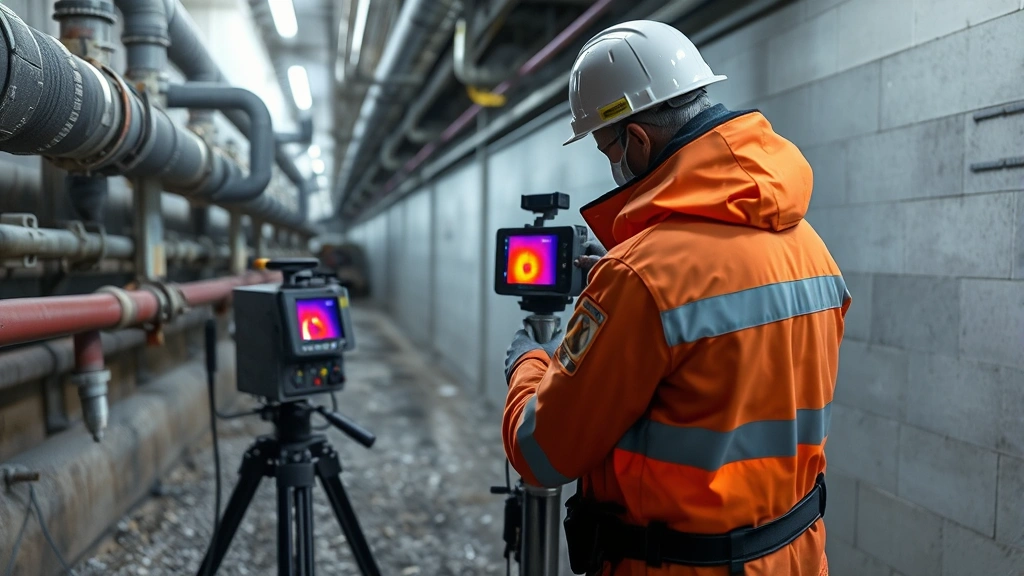
Advanced detection technologies, including infrared cameras and portable gas chromatographs, enable more accurate leak quantification. Intermountain Gas has gradually adopted these tools across their service territory, improving their ability to identify and address emissions sources. However, comprehensive deployment of cutting-edge detection technology across 29,000 square miles of service territory requires substantial capital investment.
The company’s repair response times and completion rates directly impact emissions outcomes. Faster repair completion reduces the duration of methane release, decreasing overall atmospheric impact. Industry best practices recommend completing identified leaks within 30-60 days, though some utilities achieve faster timelines. Intermountain Gas’s performance against these benchmarks remains important for sustainability assessment.
Pipeline replacement programs represent long-term methane management strategies. Older cast iron and unprotected steel pipes are more susceptible to corrosion and leakage than modern plastic pipes. By systematically replacing aging infrastructure, Intermountain Gas reduces baseline leak rates. However, pipeline replacement represents capital-intensive work competing against other infrastructure priorities.
Regulatory compliance requires reporting fugitive emissions to state and federal authorities. EPA natural gas emissions standards establish minimum requirements, though these standards have evolved significantly in recent years. Intermountain Gas’s reporting transparency and emissions reduction progress provide measurable indicators of their sustainability commitment.
Infrastructure and Modernization Efforts
Intermountain Gas operates approximately 23,000 miles of pipeline infrastructure, representing one of the largest distribution networks in the western United States. This extensive system requires continuous maintenance, repair, and strategic modernization. Infrastructure condition directly impacts both operational efficiency and environmental performance.
The company has invested substantially in Supervisory Control and Data Acquisition (SCADA) systems that monitor pipeline pressure, flow rates, and system integrity in real-time. These monitoring systems enable rapid detection of anomalies indicating potential leaks or operational issues. Enhanced monitoring capabilities support faster response times and more precise maintenance targeting.
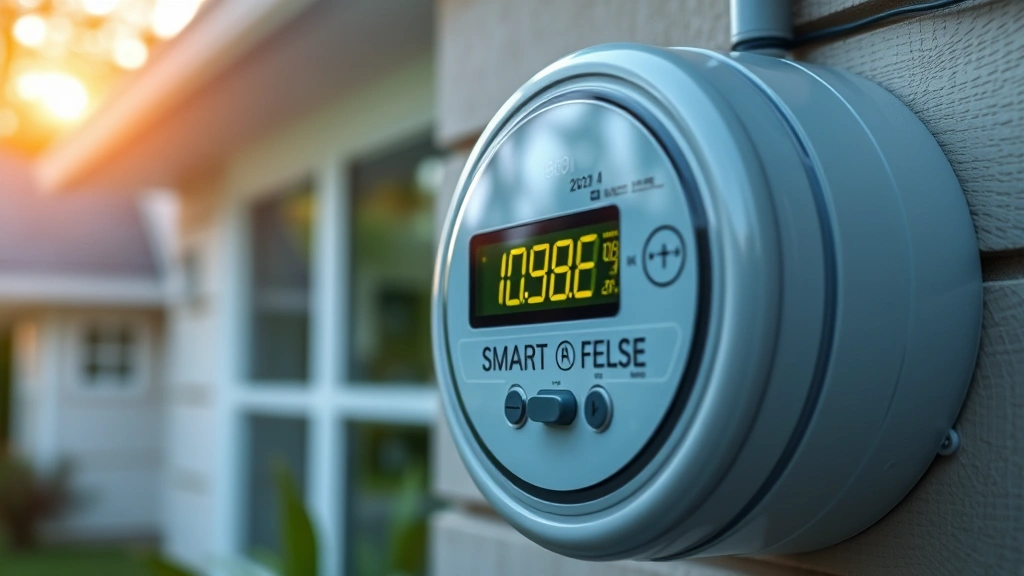
Smart meter technology deployment represents another modernization initiative. These devices provide customers with detailed consumption data, enabling better energy management. When customers understand their usage patterns, they often modify behavior to reduce consumption. Widespread smart meter adoption supports energy-saving strategies at home by providing actionable consumption information.
Cathodic protection systems prevent pipeline corrosion, extending infrastructure lifespan and reducing leak potential. By maintaining protective coatings and electrical systems, Intermountain Gas minimizes the deterioration that naturally occurs in underground metal pipes. This preventive approach proves more cost-effective and environmentally beneficial than reactive repairs.
System pressurization optimization represents a less visible but significant modernization effort. By maintaining appropriate pressure levels throughout the distribution network, utilities reduce fugitive emissions at connection points and valve stations. Intermountain Gas has implemented pressure management technologies across their system, contributing to incremental emissions reductions.
Comparison with Industry Standards
Intermountain Gas’s sustainability performance should be evaluated against comparable utilities and industry benchmarks. The American Gas Association, Interstate Natural Gas Association of America, and state regulatory commissions establish performance standards for utility operations. Comparing Intermountain Gas’s metrics to these standards provides context for assessing their sustainability commitment.
Methane emissions intensity, measured as emissions per unit of gas delivered, serves as a key performance indicator. Industry averages typically range from 0.3-1.0% of total throughput, though top performers achieve lower rates. Intermountain Gas’s specific emissions intensity data should be compared against these benchmarks to assess relative performance.
Pipeline replacement rates represent another comparative metric. Utilities replacing 1-2% of their pipeline annually are generally considered proactive in infrastructure modernization. Slower replacement rates suggest aging infrastructure likely to generate higher fugitive emissions. Faster replacement demonstrates commitment to emissions reduction through infrastructure improvement.
Customer efficiency program participation rates vary significantly among utilities. Utilities achieving 15-25% customer participation in energy efficiency programs typically demonstrate stronger sustainability commitment. Lower participation rates may indicate insufficient marketing, incentive levels, or customer awareness efforts.
Corporate transparency regarding emissions reporting and sustainability goals provides additional comparative context. Utilities publishing comprehensive sustainability reports with specific emissions reduction targets demonstrate greater accountability than those providing minimal disclosure. Third-party verification of emissions data strengthens credibility compared to unverified self-reporting.
Intermountain Gas’s performance relative to these benchmarks helps contextualize whether their sustainability efforts represent industry leadership, average practice, or lagging performance. This comparison reveals whether the company is advancing sustainability or maintaining status quo practices.
Customer Energy Efficiency Programs
Intermountain Gas offers various customer programs designed to reduce energy consumption and associated emissions. These initiatives represent important sustainability mechanisms by decreasing overall natural gas demand rather than increasing supply.
Residential efficiency programs provide rebates for upgrading to high-efficiency furnaces, water heaters, and appliances. Customers replacing older equipment with modern alternatives can reduce consumption by 15-30%, depending on upgrade efficiency. These programs lower customer utility bills while reducing energy production requirements.
Weatherization assistance helps low-income customers improve home insulation, seal air leaks, and upgrade heating systems. These interventions reduce heat loss and associated energy demand. By supporting economically disadvantaged populations, weatherization programs advance both environmental and social sustainability objectives.
Commercial and industrial efficiency programs target larger energy users through facility audits, equipment upgrades, and operational optimization recommendations. Businesses implementing these recommendations often achieve 10-20% consumption reductions while improving operational efficiency and reducing costs.
Educational initiatives promoting energy conservation awareness complement financial incentive programs. When customers understand the environmental and economic benefits of conservation, they’re more likely to adopt sustainable behaviors. School partnerships and community outreach extend these educational efforts to broader populations.
However, utility efficiency programs face inherent limitations. The utility’s revenue model depends on gas sales volume, creating potential conflicts between efficiency promotion and financial performance. This structural tension can limit program ambition compared to utilities with different business models or those operating in decoupling regulatory frameworks that separate profits from sales volume.
Future Sustainability Outlook
Intermountain Gas’s future sustainability will depend on how they navigate the energy transition toward cleaner sources. Several factors will shape their trajectory over coming decades.
Renewable gas development represents one potential pathway. Biogas from organic waste, hydrogen produced through renewable electricity, and synthetic methane could theoretically replace fossil natural gas. Intermountain Gas’s investment in research and pilot projects around these technologies indicates recognition of their potential importance. However, scaling renewable gas to meet current demand levels remains technically and economically uncertain.
Electrification trends threaten traditional natural gas utility business models. Heat pumps, electric resistance heating, and induction cooking provide efficient alternatives to gas-powered appliances. As advantages of electric vehicles and electric heating become more apparent, customer demand for natural gas may decline. Utilities like Intermountain Gas must adapt to this transition or face declining market share.
Regulatory evolution will increasingly pressure utilities toward stronger emissions reductions. State climate goals, including the Pacific Northwest’s clean energy standards, establish declining carbon intensity requirements. Intermountain Gas will face growing pressure to reduce methane emissions and transition toward lower-carbon energy sources.
Customer expectations regarding corporate sustainability continue rising. Younger consumers and businesses prioritizing environmental responsibility may choose alternative energy sources or pressure regulators to impose stricter requirements on utilities. This evolving social context creates incentives for proactive sustainability improvements.
Technological advances in leak detection, pipeline monitoring, and renewable gas production will provide new tools for improving sustainability performance. Intermountain Gas’s willingness to invest in and adopt emerging technologies will significantly influence their future sustainability profile.
The company’s long-term viability may depend on successfully transitioning from a traditional fossil fuel utility toward a broader energy services provider. This could include renewable gas distribution, hydrogen infrastructure development, energy efficiency services expansion, and potentially even renewable electricity distribution partnerships.
FAQ
Is Intermountain Gas a renewable energy company?
No, Intermountain Gas primarily distributes natural gas, a fossil fuel. While natural gas produces fewer emissions than coal, it is not renewable. The company does not generate electricity or produce renewable energy directly, though they support some renewable gas research initiatives.
What is Intermountain Gas’s methane emissions rate?
Specific current methane emissions data should be obtained directly from the company’s sustainability reports or regulatory filings. The company reports emissions data to state regulatory commissions, which is typically available through public records requests or agency websites.
Does Intermountain Gas offer renewable energy options?
Intermountain Gas does not directly distribute renewable energy. However, customers in their service territory may have access to renewable electricity through other providers or community solar programs. The company does invest in renewable gas research and development initiatives.
How can I reduce my natural gas consumption?
Check Intermountain Gas’s website for available energy-saving programs. Common strategies include upgrading to efficient furnaces and water heaters, improving home insulation, sealing air leaks, using programmable thermostats, and maintaining heating systems properly.
What is Intermountain Gas doing about climate change?
The company has implemented methane leak detection and repair programs, invested in pipeline modernization, developed customer efficiency programs, and participated in industry renewable gas research. However, their core business remains fossil fuel distribution, which inherently conflicts with aggressive climate action goals.
How does Intermountain Gas compare to other utilities?
Comparison requires examining specific metrics like methane emissions intensity, pipeline replacement rates, customer efficiency program participation, and sustainability reporting transparency. Detailed comparisons should reference publicly available data from regulatory commissions and company reports.
What are sustainable energy solutions beyond natural gas?
Alternatives include renewable electricity (solar, wind), heat pumps, geothermal heating, energy efficiency improvements, and emerging renewable gases. A comprehensive transition typically requires combining multiple approaches rather than relying on single solutions.
Is natural gas sustainable long-term?
Natural gas represents a transitional fuel cleaner than coal but incompatible with long-term climate goals limiting warming to 1.5-2°C. Most climate scenarios require nearly complete decarbonization of heating and electricity by 2050, meaning natural gas cannot play a significant long-term role in sustainable energy systems.


