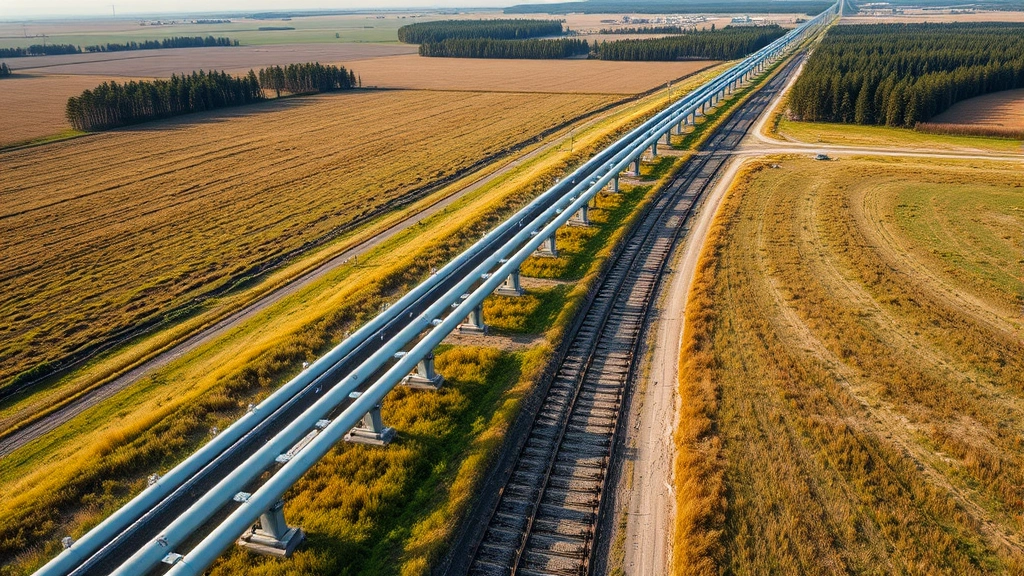
Propane vs Natural Gas: Which Is More Sustainable?
When it comes to heating your home, powering your appliances, or fueling your business, the choice between propane and natural gas represents a critical decision with environmental implications. Both fossil fuels are widely used across North America, yet they differ significantly in their extraction, distribution, efficiency, and overall sustainability profiles. Understanding these differences helps consumers and businesses make informed choices that align with their environmental values while maintaining practical energy needs.
The debate over liquid propane versus natural gas isn’t simply about cost or convenience—it’s fundamentally about carbon footprint, energy density, infrastructure requirements, and long-term environmental impact. As climate consciousness grows, many households and organizations are evaluating which fuel source offers a genuinely more sustainable path forward, or whether transitioning to renewable alternatives represents the optimal choice for reducing their environmental footprint.
Understanding Propane and Natural Gas
Propane and natural gas are both hydrocarbon-based fossil fuels, but they exist in different physical states and come from distinct sources. Natural gas is primarily methane (CH₄) and exists as a gas at atmospheric temperature and pressure. It’s extracted from underground reservoirs, often alongside crude oil, and transported through extensive pipeline networks to homes and businesses. Propane, conversely, is a byproduct of natural gas processing and crude oil refining. It’s liquefied under pressure for storage and transportation, then vaporized when used as fuel.
The origin of these fuels matters for sustainability assessment. Natural gas comes from dedicated wells and geological formations, while propane is essentially a byproduct—meaning some environmental impact is already incurred during oil and natural gas production. This distinction influences the overall carbon accounting of each fuel source. Natural gas production involves drilling, extraction, and processing, while propane’s existence depends on the infrastructure already in place for petroleum and natural gas industries.
Understanding the chemical composition helps clarify their environmental behavior. Natural gas burns cleaner than coal or oil, producing primarily carbon dioxide and water vapor. Propane, being a more complex hydrocarbon, releases slightly more carbon per unit of energy but still represents a cleaner-burning fossil fuel compared to coal or heating oil. Both fuels require significant infrastructure investment and ongoing maintenance to prevent leaks and ensure safe delivery to end users.
Environmental Impact Comparison
The environmental impact of propane versus natural gas extends beyond simple carbon emissions at the point of combustion. A comprehensive sustainability analysis must consider extraction, processing, transportation, storage, and end-use emissions. According to the U.S. Environmental Protection Agency, natural gas combustion produces approximately 117 pounds of carbon dioxide per million BTU, while propane produces around 139 pounds per million BTU—roughly 19% more carbon dioxide.
However, this calculation oversimplifies the complete environmental equation. Methane leakage during natural gas extraction, processing, and distribution represents a significant hidden environmental cost. Methane is approximately 28-34 times more potent than carbon dioxide as a greenhouse gas over a 100-year period. Studies indicate that between 1-7% of natural gas escapes as methane during the extraction and distribution process, depending on infrastructure age and maintenance standards. This leakage can substantially increase natural gas’s true climate impact compared to direct combustion emissions alone.
Propane’s environmental profile includes different considerations. Since propane is liquefied and stored in sealed containers, methane leakage during distribution is negligible. However, propane distribution still requires energy-intensive transportation via truck, rail, or ship, adding to its carbon footprint. The extraction and processing of propane as a petroleum byproduct carries environmental costs related to oil and natural gas operations, including habitat disruption and water usage.
For climate-conscious consumers seeking to reduce your environmental footprint, these distinctions matter significantly. When accounting for methane leakage, the climate impact difference between propane and natural gas narrows considerably. In regions with aging natural gas infrastructure prone to higher leakage rates, propane may actually present a lower overall greenhouse gas impact despite higher direct combustion emissions.
The International Energy Agency emphasizes that fuel choice should be evaluated within regional context, considering local infrastructure conditions, electricity grid composition, and available renewable alternatives. Neither propane nor natural gas represents an ideal long-term sustainability solution; both remain fossil fuels requiring eventual transition to renewable energy sources.
Energy Efficiency and Performance
Energy efficiency differs between propane and natural gas, affecting their practical sustainability value. Propane contains approximately 2.5 times more energy per unit volume than natural gas, making it more energy-dense. This higher energy content means propane appliances can deliver more heat output with smaller fuel quantities, translating to improved efficiency in many applications.
Natural gas, while less energy-dense, benefits from established infrastructure optimized for its use. Furnaces, water heaters, and cooking appliances designed for natural gas have been refined over decades, achieving efficiency ratings of 90-98% in modern condensing models. Propane appliances achieve similar efficiency levels, though the smaller appliance market means fewer options and sometimes higher costs.
Heating efficiency becomes particularly relevant in cold climates. Propane’s superior energy density means users require less fuel volume to achieve identical heating output compared to natural gas. For applications like space heating or water heating, this translates to practical sustainability benefits—less fuel consumption produces the same comfort level. However, this advantage diminishes in regions where sustainable energy solutions like heat pumps or renewable heating systems are viable alternatives.
The sustainability equation changes dramatically when considering fuel source efficiency. Natural gas pipeline delivery is remarkably efficient—once infrastructure exists, transporting gas through pipes requires minimal energy losses compared to propane trucking. Each propane delivery via truck consumes fuel and generates emissions, creating ongoing environmental costs beyond the propane itself. Natural gas’s fixed infrastructure, despite methane leakage issues, avoids repeated transportation emissions once pipelines are installed.
For consumers evaluating efficiency, the practical consideration involves application type. Space heating, water heating, and cooking represent the primary residential uses. Modern propane systems achieve 90%+ efficiency, matching natural gas systems. The sustainability advantage shifts based on regional factors—methane leakage rates, electricity grid carbon intensity, and renewable energy availability all influence which fuel represents the more efficient choice within specific contexts.
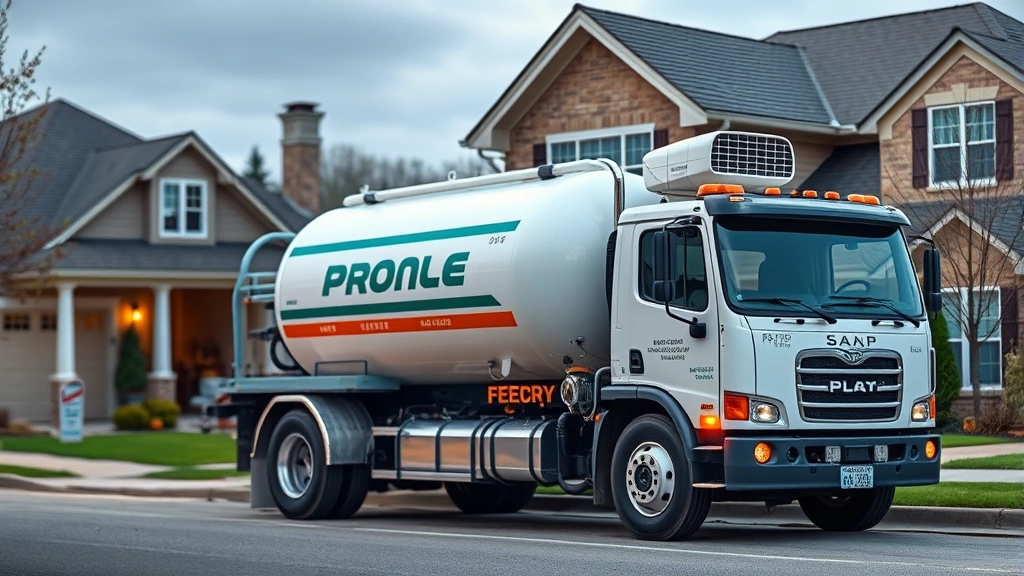
” alt=”propane-natural-gas-comparison”/>
Infrastructure and Distribution
Infrastructure represents a fundamental distinction between propane and natural gas, with significant sustainability implications. Natural gas relies on extensive underground pipeline networks connecting production fields, processing facilities, and end users. Once installed, these pipelines operate for decades with relatively low maintenance energy requirements. However, pipeline infrastructure requires enormous capital investment and disrupts landscapes during installation.
Propane distribution operates through a decentralized model using trucks, rail, and marine vessels. This flexibility allows propane delivery to rural areas lacking natural gas pipelines, providing energy access where pipeline infrastructure proves economically unfeasible. However, this distribution method requires continuous fuel consumption for transportation, generating emissions for each delivery. Rural customers benefit from propane accessibility, but this convenience comes with higher distribution-related environmental costs.
Infrastructure sustainability depends on infrastructure age and maintenance standards. Aging natural gas pipelines, particularly in older cities, experience higher methane leakage rates due to deteriorating materials and corrosion. Modern pipelines, conversely, incorporate improved materials and monitoring systems reducing leakage. The Environmental Defense Fund estimates that replacing aging infrastructure and implementing leak detection could reduce natural gas system emissions by 40-50%, dramatically improving its sustainability profile.
Propane’s distributed storage model avoids pipeline leakage entirely but requires robust safety systems and regular tank inspections. The infrastructure comparison reveals that neither fuel represents an ideal sustainable solution—both require significant physical infrastructure with environmental impacts during installation and operation. The sustainability winner depends on specific regional circumstances, existing infrastructure investment, and population density patterns.
For communities evaluating definition of sustainability, infrastructure decisions represent long-term commitments lasting 30-50 years. Investing heavily in natural gas pipeline expansion locks regions into fossil fuel dependence, while propane’s flexibility enables easier transition to alternative fuels as technology advances. This consideration increasingly influences infrastructure planning in climate-conscious regions.
Cost Considerations and Sustainability
Economic factors significantly influence fuel choice, and sustainability decisions cannot ignore financial realities. Natural gas typically costs less than propane per unit of energy, offering price advantages in regions with established pipeline infrastructure. However, propane’s higher energy density means users need less volume, sometimes narrowing the cost difference. Regional price volatility differs between fuels—natural gas prices fluctuate with global energy markets, while propane prices correlate more closely with crude oil prices.
Installation costs favor natural gas in areas with existing pipelines, where connection simply requires extending service lines. Propane systems require tank installation, safety equipment, and periodic inspections, increasing upfront costs. However, propane’s lower infrastructure investment makes it economical in rural areas where natural gas pipeline extension would prove prohibitively expensive.
The sustainability-cost relationship complicates decision-making. Choosing the cheaper fuel—typically natural gas—might seem financially prudent, yet may not align with environmental values if regional infrastructure exhibits high methane leakage. Conversely, selecting propane for environmental reasons increases monthly costs without proportional sustainability benefits in regions with well-maintained natural gas infrastructure.
Lifecycle cost analysis, which accounts for equipment lifespan, maintenance, fuel costs, and eventual replacement, reveals that propane and natural gas systems achieve similar total cost of ownership in most scenarios. Neither fuel offers overwhelming economic advantage, making fuel choice dependent on other factors like availability, existing infrastructure, and personal sustainability priorities.
For those committed to reducing environmental impact while managing costs, green technology innovations transforming our future increasingly offer competitive alternatives. Electric heat pumps, solar thermal systems, and other renewable technologies are approaching cost parity with fossil fuel systems while offering superior long-term sustainability profiles and potentially lower operating costs as electricity grids transition to renewable sources.
Safety and Environmental Risks
Both propane and natural gas present safety and environmental risks requiring careful management. Natural gas leaks create explosion hazards in enclosed spaces and contribute to climate change through methane emissions. The 2018 Aliso Canyon natural gas leak in California released approximately 97,100 metric tons of methane, demonstrating the catastrophic environmental consequences of major infrastructure failures. Smaller leaks occur continuously in older pipeline systems, accumulating to significant environmental impact.
Propane safety concerns differ from natural gas. Propane is heavier than air and accumulates in low areas, creating explosion risks if ignited. However, propane’s liquid storage and contained transportation means environmental releases remain localized, unlike natural gas pipeline breaks affecting vast areas. Propane-related accidents typically involve equipment failure or user error rather than systemic infrastructure problems.
Environmental contamination represents another consideration. Natural gas operations sometimes involve hydraulic fracturing (fracking), which raises groundwater contamination concerns and requires substantial water usage. Propane, as a petroleum byproduct, carries environmental liabilities tied to oil and natural gas extraction activities. Neither fuel source avoids significant environmental risks during extraction and processing.
Climate-related infrastructure vulnerability affects both fuels. Extreme weather events increasingly threaten natural gas pipeline integrity and propane distribution networks. Rising sea levels endanger coastal infrastructure for both fuels, while extreme temperatures stress equipment designed for historical climate ranges. These emerging risks suggest that fuel choice should consider climate resilience alongside current emissions.
Safety management for both fuels requires robust inspection protocols, leak detection systems, and emergency response procedures. Modern infrastructure incorporating these technologies substantially reduces risks, while aging systems present elevated hazards. Communities and individuals should prioritize fuel source maintenance quality and infrastructure age when evaluating safety profiles.
Transitioning to Cleaner Alternatives
Rather than debating propane versus natural gas sustainability merits, the critical question involves transitioning toward genuinely renewable energy solutions. Both fuels represent interim technologies requiring eventual phase-out to achieve climate goals. The International Energy Agency Net Zero by 2050 pathway envisions eliminating fossil fuel heating in developed nations within 25-30 years.
Electric heat pumps represent the primary alternative for space and water heating, achieving 3-4 times greater efficiency than combustion-based systems by moving existing heat rather than generating new heat. As electricity grids transition to renewable sources, heat pump sustainability improves continuously, unlike propane and natural gas which remain fossil fuels regardless of infrastructure improvements. For those prioritizing long-term sustainability, heat pump installation offers superior environmental outcomes despite higher initial costs.
Solar thermal systems provide renewable heating alternatives, particularly for water heating. Combined with heat pumps for space heating, solar thermal systems can meet most residential heating needs without fossil fuels. While requiring upfront investment, these systems deliver superior sustainability profiles and often qualify for government incentives and tax credits, improving economic viability.
Biogas and renewable propane represent intermediate solutions potentially extending propane utility. Renewable propane, produced from sustainable feedstocks and waste materials, provides a drop-in replacement for conventional propane without requiring equipment modifications. However, renewable propane availability remains limited, and production capacity requires significant expansion to meaningfully displace fossil fuel propane.
The SustainWise Hub Blog frequently discusses renewable energy transitions and practical sustainability strategies. For consumers committed to environmental responsibility, the optimal approach involves evaluating renewable alternatives first, considering propane or natural gas as interim solutions only when renewable technologies prove unavailable or economically unfeasible.
Communities and regions should develop comprehensive energy transition plans prioritizing renewable heating technologies while managing the propane versus natural gas choice within realistic timelines. This balanced approach acknowledges current infrastructure realities while directing investment and policy toward genuine sustainability solutions rather than optimizing between two inherently unsustainable fossil fuel options.
Exploring advantages of electric vehicles demonstrates how transportation is transitioning away from fossil fuels—heating and energy systems should follow similar trajectories. The sustainability conversation should increasingly focus on renewable alternatives rather than choosing between propane and natural gas, both of which represent transitional technologies incompatible with long-term climate stability.
FAQ
Is propane or natural gas more sustainable?
Neither propane nor natural gas represents a truly sustainable long-term solution, as both are fossil fuels. However, propane may offer slightly lower overall emissions in regions with aging natural gas infrastructure prone to methane leakage. In areas with well-maintained natural gas systems, natural gas typically produces lower direct carbon emissions. For genuine sustainability, renewable alternatives like electric heat pumps or solar thermal systems should be prioritized over both fossil fuel options.
Which fuel is more cost-effective?
Natural gas typically costs less per unit of energy in areas with existing pipeline infrastructure. However, propane’s higher energy density means less fuel volume is needed, sometimes narrowing the cost difference. Installation and availability vary by region—natural gas is cheaper where pipelines exist, while propane proves more economical in rural areas without pipeline access. Long-term costs depend on local pricing volatility and equipment efficiency.
Can I switch between propane and natural gas?
Switching between fuels requires equipment modifications, as appliances are designed specifically for each fuel type. Conversion is technically possible but expensive, typically requiring new appliances, tanks or pipeline connections, and professional installation. Most consumers remain with their initial fuel choice due to conversion costs. When installing new heating systems, evaluate fuel options before installation rather than planning conversions later.
What about methane leakage from natural gas?
Methane leakage during natural gas extraction, processing, and distribution ranges from 1-7% depending on infrastructure age and maintenance. Since methane is 28-34 times more potent than carbon dioxide as a greenhouse gas, even small leakage percentages substantially increase natural gas’s climate impact. Modern infrastructure with leak detection systems reduces leakage significantly, while aging pipelines exhibit higher loss rates. This hidden environmental cost should factor into fuel choice decisions.
Are renewable alternatives viable for most homes?
Electric heat pumps have become increasingly viable for residential heating in most climates, achieving excellent efficiency even in cold regions. Modern heat pump technology works effectively down to -20°F or colder, making them practical for harsh climates previously requiring fossil fuel heating. Solar thermal systems complement heat pumps for water heating. While requiring higher upfront investment than fossil fuel systems, renewable alternatives deliver superior long-term sustainability and increasingly competitive lifecycle costs, especially when accounting for government incentives and rising fossil fuel prices.


