Louisville Gas & Electric: Go Green Tips for Sustainable Energy Practices
Louisville Gas and Electric (LG&E) serves hundreds of thousands of customers across Kentucky and beyond, making it a significant player in regional energy distribution. As climate change accelerates and environmental concerns grow more urgent, many households are seeking ways to reduce their carbon footprint while working with their local utility providers. Whether you’re a long-time LG&E customer or new to the Louisville area, understanding how to optimize your energy usage can lead to meaningful environmental impact and substantial cost savings.
The transition toward sustainable energy practices isn’t just about individual responsibility—it’s about partnering with utilities and leveraging available programs to create systemic change. LG&E offers various green initiatives, rebates, and energy efficiency programs designed to help customers reduce consumption and support renewable energy development. This comprehensive guide explores practical strategies for going green with Louisville Gas & Electric, from understanding their renewable energy options to implementing household efficiency improvements that align with broader sustainability goals.
Understanding Louisville Gas & Electric’s Green Programs
Louisville Gas and Electric has made significant commitments to sustainability and environmental stewardship. The utility recognizes that achieving meaningful carbon reduction requires collaboration between the company, customers, and community stakeholders. LG&E’s parent company, Louisville Gas and Electric, has announced ambitious goals to transition toward cleaner energy sources and reduce greenhouse gas emissions across their service territory.
One of the most accessible ways to engage with LG&E’s green initiatives is through their renewable energy programs. Many customers don’t realize they have options beyond standard grid electricity. By exploring what LG&E offers, you can make informed decisions about your energy consumption that align with your environmental values. The utility has invested in wind, solar, and hydroelectric resources, allowing customers to support these cleaner alternatives through various program structures.
Understanding your current energy consumption patterns is the first step toward meaningful change. LG&E provides detailed billing information that shows your usage trends throughout the year. By analyzing these patterns, you can identify peak consumption periods and adjust your behavior accordingly. This foundational knowledge enables you to make strategic improvements that deliver both environmental and financial benefits.
Renewable Energy Options Available to LG&E Customers
LG&E customers have several pathways to support renewable energy development. The utility’s green energy programs allow you to voluntarily contribute to funding renewable energy projects. These programs typically work through a small monthly premium on your electric bill, with proceeds directed toward wind and solar development. While not all customers can install rooftop solar due to property constraints or financial limitations, these programs democratize access to renewable energy benefits.
For customers interested in sustainable energy solutions, exploring renewable options through LG&E represents a practical starting point. The utility has been expanding its renewable portfolio, particularly in wind energy, which is abundant in the Great Plains regions that supply power to Kentucky. By participating in green energy programs, you’re directly funding the expansion of these cleaner sources, creating market demand that encourages further investment.
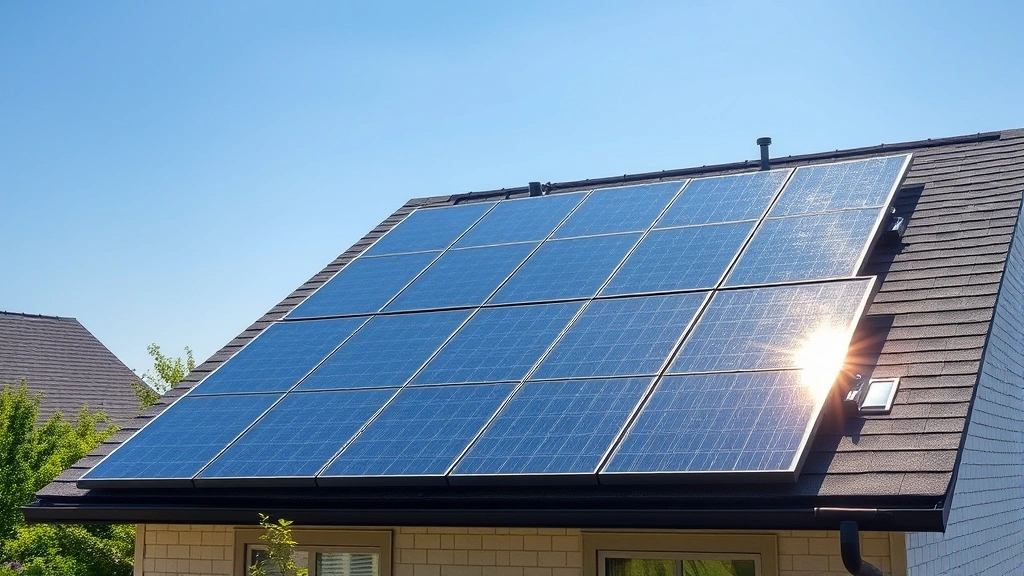
Solar energy represents another significant opportunity for Louisville-area residents. While Kentucky’s solar potential is moderate compared to southern states, residential and commercial solar installations are becoming increasingly viable. LG&E’s interconnection policies determine how customers can install solar systems and benefit from net metering arrangements. Understanding these policies is crucial for anyone considering a rooftop solar installation. The process involves submitting plans to LG&E, ensuring your system meets safety and technical standards, and establishing agreements about how excess power flows back to the grid.
Hydroelectric power provides another renewable component of LG&E’s energy mix. While the utility doesn’t control all hydroelectric sources in its portfolio, supporting renewable programs indirectly funds these clean energy sources. Hydroelectric power generates electricity through flowing water, producing zero greenhouse gas emissions during operation and providing reliable baseload power that complements intermittent sources like wind and solar.
Home Energy Efficiency Improvements
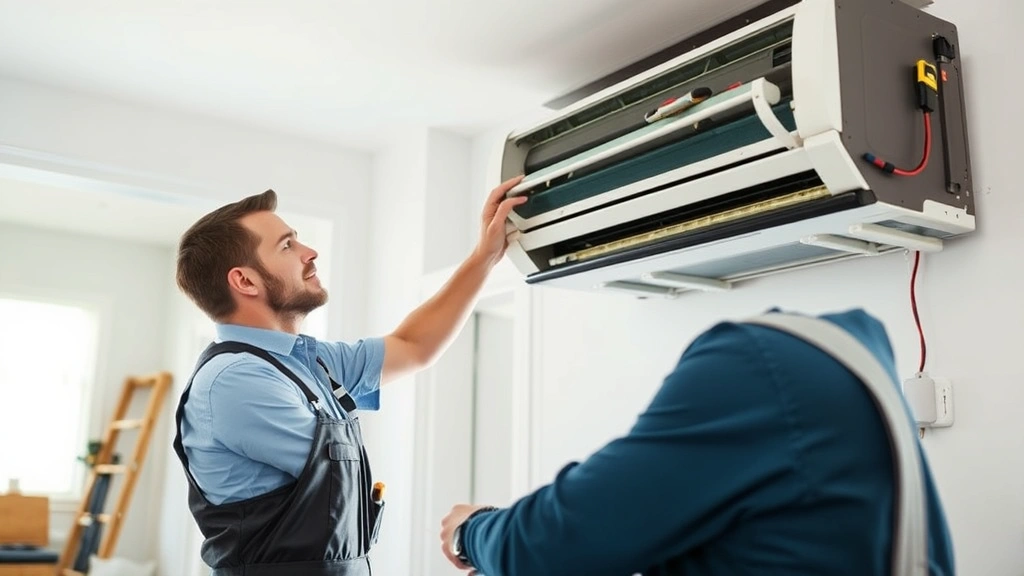
Beyond renewable energy participation, saving energy at home through efficiency improvements delivers immediate environmental and financial returns. Your home’s heating and cooling systems typically consume 40-50% of total energy usage, making this the highest-impact area for improvement. Upgrading to ENERGY STAR certified HVAC systems can reduce consumption by 15-20%, while proper maintenance—such as regular filter changes and seasonal inspections—ensures optimal performance.
Insulation and air sealing represent foundational efficiency measures that reduce heating and cooling demands. Many Louisville homes, particularly older structures, suffer from inadequate attic insulation and air leaks around windows, doors, and penetrations. A professional energy audit, often available through LG&E or local energy efficiency programs, identifies these problem areas. Addressing them through improved insulation, weatherstripping, and caulking can reduce overall energy consumption by 10-15%.
Water heating accounts for approximately 15-20% of household energy use. Upgrading to a high-efficiency water heater—whether electric, gas, or hybrid—reduces this consumption significantly. Tankless water heaters provide hot water on-demand without maintaining a constantly heated reservoir, while heat pump water heaters extract ambient heat efficiently. For those considering natural gas and its role in sustainability, gas-fired tankless systems offer efficiency gains while maintaining familiar fuel sources.
Lighting represents a high-impact, low-cost efficiency opportunity. LED bulbs consume 75% less energy than incandescent bulbs and last 25 times longer. Transitioning your home’s lighting to LEDs is one of the fastest payback improvements available. Motion sensors and dimming controls further optimize consumption by ensuring lights operate only when needed at appropriate brightness levels.
Appliance efficiency also contributes meaningfully to overall consumption reduction. ENERGY STAR certified refrigerators, washing machines, dishwashers, and other major appliances use 10-50% less energy than standard models. While upfront costs are higher, the energy savings over the appliance’s lifetime typically exceed the premium, with additional environmental benefits from reduced resource consumption and waste.
Smart Technology and Smart Meters
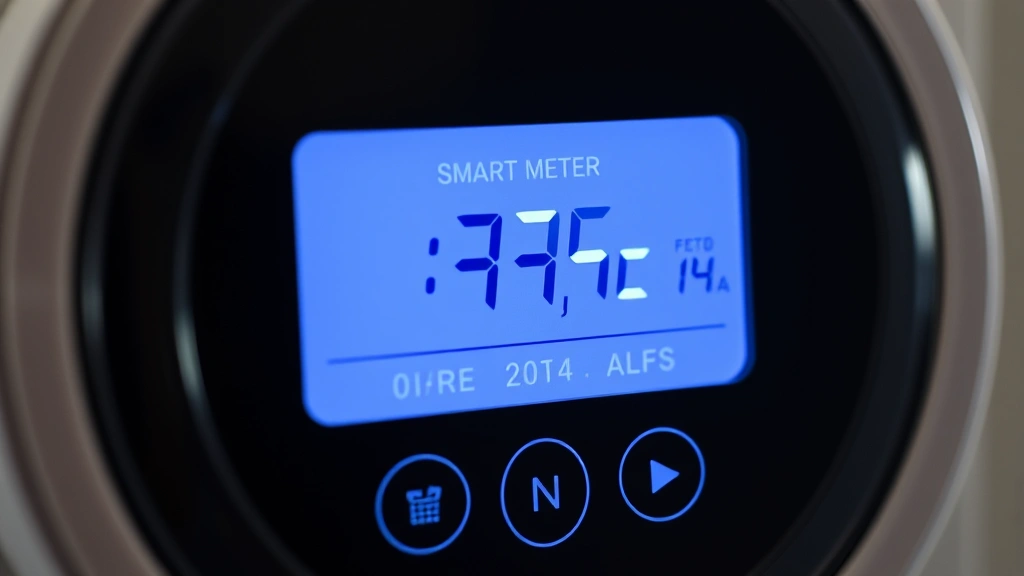
LG&E has deployed smart meter technology throughout its service territory, enabling real-time consumption monitoring and dynamic pricing programs. Smart meters provide granular data about when you consume electricity, revealing patterns that inform efficiency opportunities. Many customers discover that shifting usage away from peak demand periods—typically late afternoon and early evening—can reduce both consumption and costs through time-of-use rate programs.
Smart home technology extends efficiency optimization beyond basic awareness. Connected thermostats learn your preferences and automatically adjust temperatures based on occupancy, weather forecasts, and time-of-day patterns. These devices typically reduce heating and cooling energy by 10-15% without requiring behavioral changes. Smart plugs and power strips eliminate phantom loads from devices in standby mode, which collectively consume 5-10% of residential electricity.
Home energy management systems integrate smart meters, thermostats, and appliances into unified platforms that optimize consumption patterns. These systems provide actionable insights about which devices consume most energy and when consumption peaks. By automating adjustments—such as shifting dishwasher cycles to off-peak hours or pre-cooling your home before peak demand periods—you maximize efficiency and potentially access demand response incentives offered by LG&E.
The U.S. Department of Energy provides comprehensive guidance on smart technology adoption. These tools transform energy consumption from a passive activity into an actively managed resource, creating engagement and awareness that drives behavioral change alongside technological improvements.
Rebates and Financial Incentives
LG&E customers have access to substantial rebate programs that reduce the financial burden of efficiency and renewable energy investments. These programs, funded through utility revenues and sometimes federal or state grants, make sustainable upgrades more affordable and accelerate adoption across the customer base. Understanding available incentives should inform your home improvement prioritization.
HVAC system upgrades typically qualify for rebates of $300-$500 when you install ENERGY STAR certified equipment. Water heater upgrades may qualify for $100-$200 rebates depending on the technology chosen. Insulation improvements, weatherization, and air sealing often qualify for rebates of $200-$500 depending on scope and local program availability. These incentives significantly reduce net costs and improve return-on-investment calculations.
LG&E’s home energy audit programs often provide free or heavily subsidized professional assessments that identify efficiency opportunities and estimate associated costs and savings. These audits frequently include thermal imaging that visualizes heat loss, blower door testing that quantifies air leakage, and detailed recommendations prioritized by cost-effectiveness. Participating in these programs often qualifies you for additional rebates and financing options.
Renewable energy incentives extend beyond simple rebates. Federal tax credits currently offset 30% of qualified solar installation costs, while some states provide additional incentives. LG&E’s green energy programs sometimes offer enrollment incentives or reduced premiums for early participants. Exploring all available incentives before making major investments ensures you capture maximum financial support.
Financing options make larger investments more accessible. Many utilities partner with lenders offering favorable terms for energy efficiency and renewable energy projects. These programs recognize that energy savings typically exceed financing costs, making them financially neutral or positive from the outset. Some programs even allow repayment through utility bills, simplifying administration.
Understanding Natural Gas and Sustainability
As a gas and electric utility, LG&E serves customers with both energy sources. Understanding the sustainability implications of natural gas consumption is important for making informed choices. While natural gas produces fewer emissions than coal or oil when burned, it remains a fossil fuel with significant climate implications. Methane leakage during extraction, processing, and distribution represents a major concern, as methane is 80-90 times more potent than carbon dioxide over 20-year periods.
For customers evaluating whether natural gas is renewable, the answer is definitively no—natural gas is a finite fossil fuel. However, it plays an important transitional role in decarbonizing energy systems. Natural gas plants can ramp up and down quickly to balance intermittent renewable sources like wind and solar, making them valuable during the energy transition period. The key is ensuring this transition moves toward increasing renewable penetration rather than cementing long-term natural gas dependence.
Customers concerned about natural gas sustainability can explore several strategies. Improving heating efficiency reduces gas consumption regardless of source. Converting to heat pump technology eliminates direct gas consumption while providing superior efficiency. For those unable to eliminate gas entirely, supporting renewable energy programs offsets emissions through carbon credits and renewable energy investment. These combined approaches create meaningful environmental impact within realistic constraints.
LG&E’s infrastructure investments in pipeline safety and methane leak detection align with broader sustainability goals. Modern pipeline monitoring and rapid leak repair minimize fugitive emissions. As a customer, you benefit from these investments through safer, more efficient service. Supporting utility investments in infrastructure modernization and leak reduction creates positive environmental outcomes alongside improved reliability.
Community Sustainability Initiatives
Beyond individual household actions, LG&E engages in broader community sustainability initiatives that create systemic change. The utility invests in grid modernization, renewable energy development, and energy efficiency programs that extend far beyond individual customer actions. Understanding these initiatives helps you appreciate how your participation connects to larger sustainability goals.
LG&E’s commitment to sustainability principles extends to community education and workforce development. The utility supports training programs that prepare workers for careers in renewable energy installation, grid modernization, and energy efficiency. These programs create economic opportunity while building the skilled workforce necessary for the clean energy transition.
Community solar projects represent innovative approaches to renewable energy access. These facilities allow customers who cannot install rooftop solar to benefit from shared solar installations. Participants receive credits on their electricity bills for their proportional share of generation. LG&E’s involvement in community solar development expands renewable energy access beyond property owners with suitable roofs.
Energy efficiency community programs extend support to low-income households that might otherwise lack resources for upgrades. These programs recognize that energy poverty disproportionately affects vulnerable populations and that expanding efficiency improvements across all income levels creates broader environmental benefits. Participating in or supporting these programs aligns individual actions with equity-focused sustainability goals.
The EPA’s ENERGY STAR program provides national standards and recognition for efficiency achievements. LG&E’s participation in ENERGY STAR programs and promotion of certified products creates alignment between utility incentives and national environmental standards, ensuring consistency and credibility.
Frequently Asked Questions
What renewable energy programs does LG&E offer?
LG&E offers green energy programs that allow customers to support renewable energy development through voluntary monthly contributions. These programs fund wind, solar, and hydroelectric projects. Additionally, customers can install rooftop solar systems and participate in net metering arrangements. Community solar projects provide renewable energy access for those unable to install rooftop systems. Check LG&E’s website for current program offerings and participation requirements in your service area.
How much can I save by improving home energy efficiency?
Savings vary based on your home’s current efficiency and the improvements implemented. Studies show that comprehensive efficiency upgrades can reduce energy consumption by 20-30%, translating to significant annual savings depending on your climate and current usage. HVAC upgrades, insulation improvements, and water heater replacement typically offer 5-15% individual savings. Smart technology and behavioral changes can contribute additional 5-10% reductions. LG&E’s home energy audits provide personalized estimates based on your specific situation.
Are there tax credits available for renewable energy and efficiency improvements?
Federal tax credits currently cover 30% of qualified solar installation costs. Various efficiency improvements may qualify for federal tax credits, though eligibility varies by product and year. Many states offer additional incentives. LG&E often provides rebates for specific improvements. Consulting with a tax professional and exploring utility and government websites ensures you capture all available incentives before making investments.
How do smart meters help reduce energy consumption?
Smart meters provide real-time consumption data that reveals usage patterns and peak demand periods. This visibility enables you to shift consumption away from peak hours, reduce overall usage, and optimize appliance operation. Many utilities offer time-of-use pricing that rewards off-peak consumption. Smart meter data integration with home energy management systems enables automated optimization that reduces consumption without requiring constant manual adjustments.
What’s the difference between renewable energy programs and rooftop solar installation?
Renewable energy programs involve voluntary contributions that fund utility-scale renewable projects, allowing you to support clean energy without installing equipment. Rooftop solar involves purchasing and installing panels on your property, generating electricity for your own consumption and potentially exporting excess power to the grid. Both approaches support renewable energy expansion but through different mechanisms. Your choice depends on property suitability, financial capacity, and preference for direct generation versus supporting utility-scale projects.
How can I reduce my natural gas consumption?
Improving heating efficiency through better insulation, air sealing, and HVAC maintenance reduces gas consumption. Upgrading to high-efficiency furnaces or tankless water heaters delivers significant savings. Heat pump technology eliminates direct gas consumption while providing superior efficiency. Water heating represents major gas consumption; upgrading to efficient systems or heat pump water heaters reduces this substantially. Behavioral changes like lower thermostat settings and reducing hot water usage contribute incremental savings.
Does LG&E offer financing for efficiency and renewable energy improvements?
LG&E partners with lenders to offer favorable financing for energy efficiency and renewable energy projects. These programs recognize that energy savings typically exceed financing costs, making improvements financially neutral or positive. Some programs allow repayment through utility bills. Check LG&E’s website or contact their customer service for current financing options and eligibility requirements.
What community sustainability initiatives does LG&E support?
LG&E invests in grid modernization, renewable energy development, workforce training, and energy efficiency programs that extend beyond individual customer actions. The utility supports community solar projects, low-income energy efficiency programs, and workforce development in clean energy sectors. These initiatives create systemic change while building community capacity for sustainable practices. Participating in utility programs connects individual actions to broader community sustainability goals.


