
Where to Recycle Gasoline? Local Tips for Responsible Fuel Disposal
Gasoline recycling is a critical environmental responsibility that many vehicle owners overlook. Improper disposal of leftover fuel can contaminate groundwater, harm ecosystems, and violate local regulations. Whether you have old gas in storage containers, outdated fuel from seasonal equipment, or surplus fuel from vehicle maintenance, knowing where and how to recycle gasoline responsibly ensures you’re protecting our planet while staying compliant with environmental laws.
Finding the right recycling center for gasoline requires understanding local waste management options, hazardous material facilities, and community resources. This comprehensive guide walks you through locating gas station recycling programs near you, identifying certified hazardous waste facilities, and exploring sustainable alternatives to reduce fuel waste altogether.
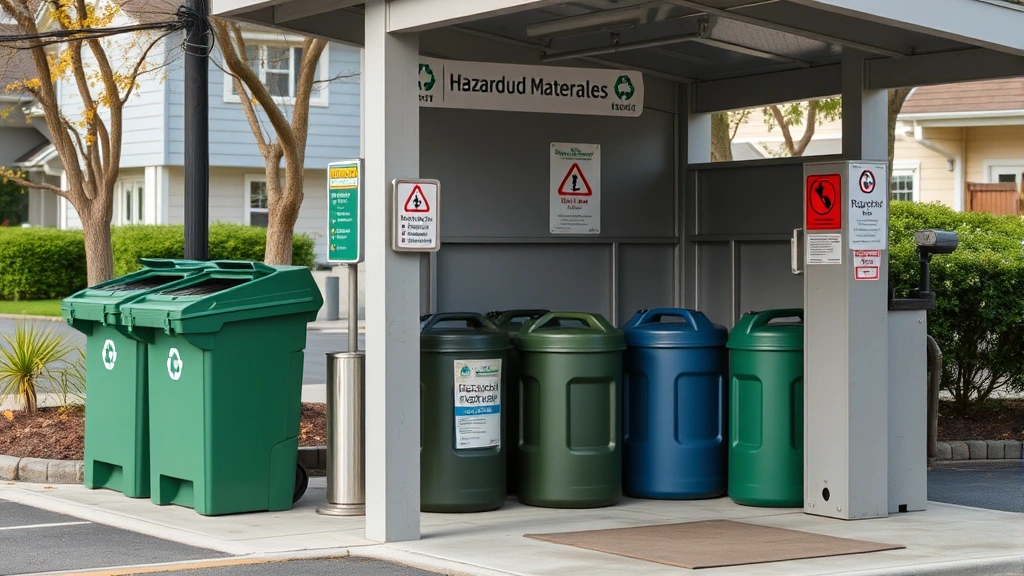
Why Gasoline Recycling Matters for the Environment
Gasoline is a hazardous material that demands careful handling and disposal. When improperly discarded, fuel contaminates soil and water supplies, posing severe risks to human health and wildlife. A single gallon of gasoline can contaminate up to one million gallons of groundwater, making responsible recycling essential for environmental protection.
The petroleum industry generates millions of gallons of used and surplus fuel annually. Rather than allowing this fuel to enter landfills or waterways, recycling programs reclaim usable gasoline or convert it into other products. This process reduces the need for new petroleum extraction, conserves natural resources, and minimizes the carbon footprint associated with fuel production. By choosing to recycle gasoline, you’re actively participating in reducing your environmental footprint and supporting circular economy principles.
Many communities now recognize gasoline recycling as part of broader principles of sustainability. Environmental agencies encourage residents to treat fuel disposal with the same care they give to electronics or batteries. This shift reflects growing awareness that hazardous waste management is fundamental to sustainable living.
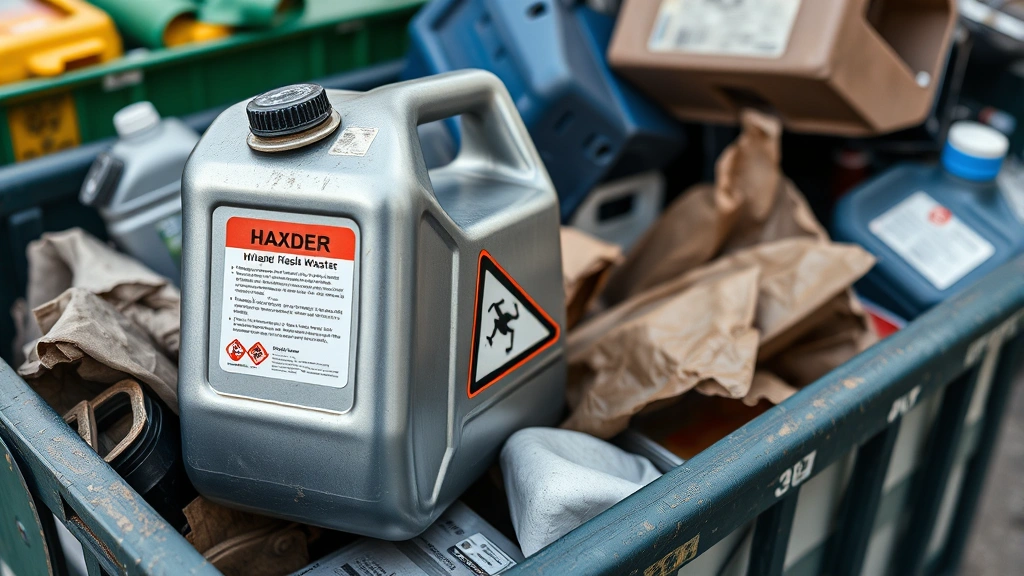
Finding Hazardous Waste Facilities Near You
The most reliable way to locate gasoline recycling centers is through your local hazardous waste facility database. The EPA’s hazardous waste recycling resources provide comprehensive information about certified disposal locations across the United States. These facilities are equipped to handle petroleum products safely and legally.
Start by visiting your county or municipal waste management website. Most regions maintain searchable directories of hazardous waste drop-off locations, collection events, and certified recycling centers. You can typically search by zip code to find facilities accepting gasoline near you. Contact your local solid waste authority directly if online resources aren’t available—staff members can guide you to appropriate recycling options.
When contacting facilities, ask about:
- Accepted fuel types (unleaded, diesel, premium gasoline)
- Container requirements and size limits
- Drop-off hours and appointment policies
- Fees or free disposal programs
- Safety protocols and documentation needed
Many areas offer free hazardous waste collection days during spring and fall. These community events provide convenient opportunities to dispose of gasoline and other household hazardous materials without fees. Check local announcements or subscribe to municipal newsletters for collection event dates.
Gas Station Recycling Programs and Services
Some gas stations and fuel retailers participate in fuel recycling programs, though availability varies by location and brand. Major petroleum retailers increasingly recognize environmental responsibility and offer fuel management services. When searching for a gas station near you with recycling options, contact corporate customer service departments to inquire about local programs.
Full-service gas stations may accept small quantities of used gasoline for recycling, particularly if you’re a regular customer. Service stations that perform vehicle maintenance often handle fuel disposal as part of their operations. Building relationships with local station managers can provide reliable disposal options for occasional surplus fuel.
Fleet service centers and commercial fuel distributors frequently operate sophisticated fuel recycling systems. If you manage a business or organization, these facilities offer bulk fuel disposal services with proper documentation and environmental compliance. They can extract usable fuel, recycle contaminated products, and provide certificates of proper disposal.
Connecting gasoline recycling with broader sustainable energy solutions highlights how responsible fuel management contributes to long-term environmental goals. As communities transition toward cleaner energy, efficient fuel recycling remains important during this transition period.
Local Recycling Centers and Drop-Off Options
Universal waste facilities and specialized recycling centers accept gasoline as part of their hazardous materials programs. These centers maintain proper storage, handling, and processing equipment certified by environmental agencies. Staff members are trained to manage petroleum products safely, ensuring compliance with federal and state regulations.
When visiting recycling centers, bring gasoline in approved containers—typically metal cans with secure lids, clearly labeled with contents and date. Never bring fuel in plastic containers or unmarked vessels. Most facilities limit quantities to residential amounts (typically under 5 gallons per visit) to manage safety risks.
Community-based recycling programs sometimes coordinate with local environmental organizations to collect hazardous materials. Non-profit groups focused on environmental protection frequently partner with municipalities to expand access to disposal services. These organizations may offer pickup services for larger quantities or provide education about fuel management alternatives.
Online platforms now help residents locate nearby recycling options. Websites and mobile applications allow you to input your location and waste type, generating lists of certified facilities with contact information and hours. These tools have made finding gasoline recycling near you significantly more convenient than traditional phone-based searches.
Consider exploring advantages of electric vehicles as a long-term solution to reduce fuel-related waste entirely. Transitioning to electric transportation eliminates the need for gasoline disposal and reduces environmental impact dramatically.
Preparing Your Gasoline for Recycling
Proper preparation ensures safe handling and maximizes the recycling facility’s ability to process your fuel effectively. Follow these guidelines before transporting gasoline:
- Use appropriate containers: Store gasoline only in approved metal or plastic containers designed for fuel storage. Containers must have tight-fitting lids and be clearly labeled with contents and storage date.
- Keep containers sealed: Never transport open containers or partially sealed fuel. Vapors pose health and fire risks during transit.
- Avoid mixing fuels: Keep gasoline separate from diesel, kerosene, or other petroleum products. Mixed fuels complicate recycling processes.
- Document quantity: Note the approximate volume of fuel you’re recycling. This information helps facilities plan processing schedules and manage inventory.
- Check expiration policies: Some facilities have limits on fuel age. Gasoline stored longer than six months may require special handling or may not be accepted.
- Inspect for contamination: If fuel contains water, sediment, or foreign materials, inform facility staff. Contaminated fuel may require different processing methods.
Transportation safety is paramount. Never transport large quantities of gasoline in passenger vehicles. Use dedicated fuel transport containers approved for highway travel. Keep containers away from heat sources and ensure proper ventilation during transport.
If you’re unable to transport fuel yourself, some recycling facilities offer pickup services for large quantities. This option is particularly useful for businesses or individuals with mobility limitations. Inquire about pickup availability and associated costs when contacting facilities.
Alternative Solutions to Reduce Fuel Waste
The most sustainable approach to gasoline recycling is preventing surplus fuel accumulation in the first place. Implementing fuel management strategies reduces the need for disposal and minimizes environmental impact.
Optimize fuel purchasing: Buy only the fuel you’ll use within a reasonable timeframe. Seasonal equipment like lawnmowers, generators, and boats should be drained before extended storage. This practice eliminates the need for future recycling while preserving fuel quality.
Use fuel stabilizers: For equipment stored seasonally, fuel stabilizers extend gasoline viability and maintain usability. These additives prevent oxidation and gum formation, allowing fuel to remain in storage longer without degradation.
Proper equipment maintenance: Regular vehicle and equipment maintenance prevents fuel system problems that lead to contaminated or surplus fuel. Fuel filters, injectors, and tank maintenance keep fuel clean and usable longer.
Explore renewable alternatives: Investigating green technology innovations can help you transition away from gasoline dependence. Renewable fuels, electric equipment, and hybrid vehicles reduce overall fuel consumption and waste generation.
Implementing energy-saving practices at home extends beyond electricity to fuel management. Conscious fuel consumption aligns with comprehensive sustainability goals and reduces your household’s environmental impact.
Community involvement strengthens local recycling infrastructure. Participate in collection events, support municipal waste management initiatives, and advocate for expanded hazardous waste programs. When communities prioritize environmental responsibility, recycling becomes more accessible and convenient for everyone.
FAQ
Can I recycle old gasoline at my local gas station?
Some gas stations participate in fuel recycling programs, but availability depends on location and retailer policies. Contact stations near you directly to inquire about gasoline recycling services. Full-service stations and fleet service centers are more likely to offer these programs than self-service locations.
How much does it cost to recycle gasoline?
Most municipal hazardous waste facilities offer free or low-cost gasoline recycling for residential quantities. Community collection events are typically free. Commercial or bulk disposal may involve fees depending on facility policies and volume. Contact local facilities for specific pricing information.
What happens to recycled gasoline?
Recycled gasoline undergoes several potential processes: reblending with other fuels for reuse, conversion into other petroleum products, use as industrial fuel, or proper incineration in controlled environments. Facilities determine the best recycling method based on fuel condition and market demand.
How long can I store gasoline before recycling?
Gasoline remains stable for three to six months when properly stored in sealed containers. Beyond this period, fuel begins to oxidize and degrade, potentially making it unsuitable for recycling. Store fuel in cool, dark locations away from heat sources and ignition risks.
Is it legal to dispose of gasoline in the trash?
No. Disposing of gasoline in household trash is illegal and extremely dangerous. Gasoline is classified as a hazardous waste material, and improper disposal violates environmental protection laws. Always use designated recycling facilities or hazardous waste collection programs.
What should I do if I accidentally spill gasoline?
If you spill gasoline, immediately evacuate the area and call emergency services if the spill is large. For small spills, use absorbent materials like sand or kitty litter to contain the fuel, then dispose of contaminated materials at hazardous waste facilities. Never use water to clean gasoline spills, as it spreads contamination.
Can I recycle gasoline mixed with other liquids?
Mixed fuel complicates recycling processes and may be rejected by facilities. Keep gasoline separate from diesel, kerosene, oil, and other substances. Inform facility staff if your fuel is contaminated or mixed so they can provide appropriate disposal guidance.


