MAPP Gas Torch Uses: Expert Insights on Applications and Sustainability
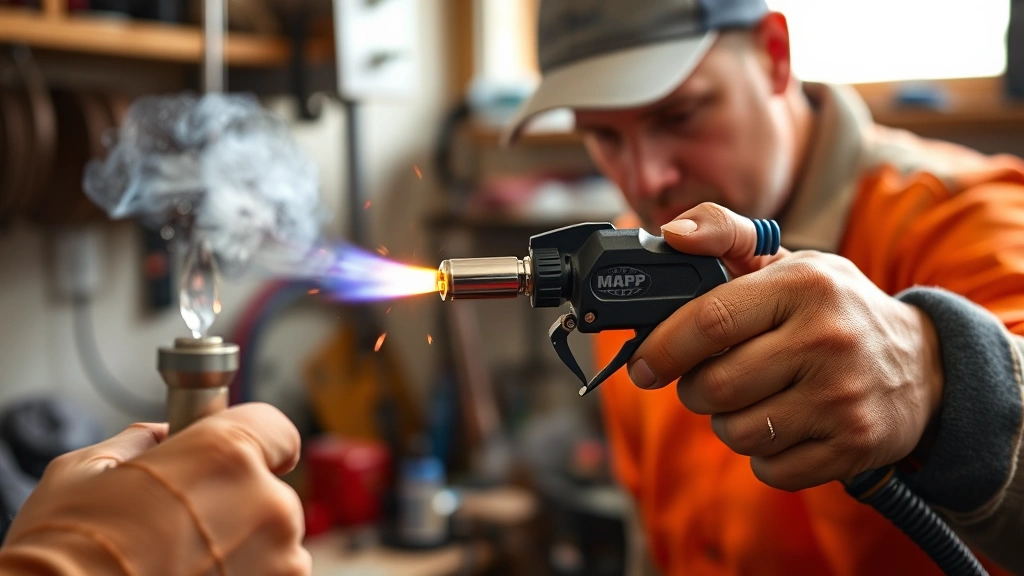
MAPP gas torches have become essential tools across multiple industries, from plumbing and HVAC to jewelry making and culinary applications. MAPP, which stands for methylacetylene-propadiene propane, is a liquefied gas fuel that offers superior heat output and performance compared to traditional propane torches. Understanding the diverse applications of MAPP gas torches helps professionals and enthusiasts select the right tool for their specific needs while considering environmental and safety factors.
As we explore the various uses of MAPP gas torches, it’s important to recognize how these tools fit into broader conversations about green gas alternatives and responsible tool usage. Whether you’re a tradesperson looking to optimize your workflow or someone interested in the technical aspects of heating equipment, this comprehensive guide will provide expert insights into maximizing the efficiency and safety of MAPP gas torch applications.
Understanding MAPP Gas: Properties and Advantages
MAPP gas distinguishes itself from standard propane through its unique chemical composition and performance characteristics. The fuel mixture provides a flame temperature of approximately 3,600 degrees Fahrenheit, which is significantly higher than propane’s 3,596 degrees but offers better heat distribution and faster work completion times. This superior performance makes MAPP gas particularly valuable in professional settings where efficiency directly impacts productivity and project costs.
The advantages of MAPP gas torches extend beyond raw heat output. These torches deliver consistent pressure even in colder temperatures, making them reliable year-round tools for outdoor work. The fuel mixture also produces a cleaner flame with less soot and carbon buildup compared to alternative fuel sources, which means less maintenance and longer equipment lifespan. Additionally, MAPP gas systems typically feature better torch control, allowing users to adjust flame intensity precisely for delicate or aggressive applications.
When considering sustainable energy solutions, it’s worth noting that MAPP gas represents an intermediate step in the transition toward cleaner fuel technologies. While not renewable, it burns more efficiently than many alternatives, reducing overall fuel consumption and associated emissions for equivalent work output.
Plumbing and HVAC Applications
Professional plumbers rely heavily on MAPP gas torches for soldering copper pipes and fittings. The superior heat output allows for faster soldering of larger diameter pipes, reducing labor time and project costs. MAPP gas torches excel at creating strong, reliable joints that meet building codes and withstand years of service. The controlled flame makes it easier to achieve proper solder flow without overheating components or damaging surrounding materials.
HVAC technicians use MAPP gas torches for brazing operations that require higher temperatures than simple soldering. Brazing creates stronger connections between refrigeration lines and other critical components, essential for systems that operate under high pressure. The consistent heat delivery of MAPP gas ensures uniform joint quality, which directly impacts system efficiency and longevity. Many HVAC professionals prefer MAPP gas for its reliability in demanding field conditions.
Water heater installation and repair frequently involves MAPP gas torch work, particularly when connecting supply lines and creating sealed joints. The precision control available with quality MAPP gas torches prevents damage to plastic fittings and rubber components that might fail if exposed to excessive heat. This precision-focused approach aligns with reducing your environmental footprint by minimizing waste from failed connections that require replacement.
Metal Work and Jewelry Making
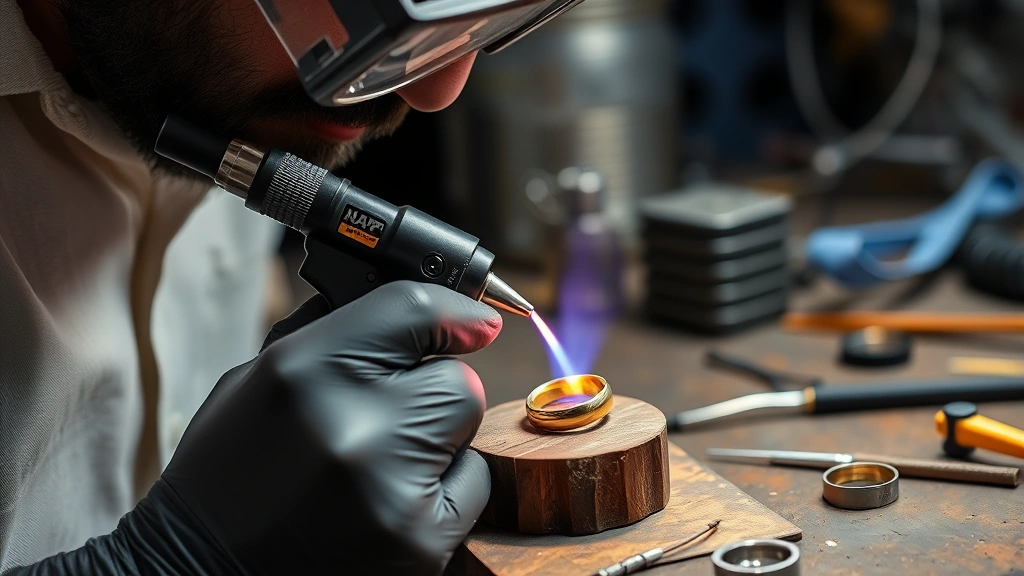
Jewelers and metalworkers depend on MAPP gas torches for precision heating in crafting and repair work. The controlled flame allows artisans to solder delicate jewelry components without damaging surrounding materials. Unlike larger industrial torches, MAPP gas torches provide the fine control necessary for intricate work on rings, pendants, and bracelets. The cleaner flame produces less oxidation on precious metals, reducing the need for aggressive post-soldering cleanup.
Metal sculptors and fabricators use MAPP gas torches for cutting and welding operations that demand reliability and consistent performance. The torches’ ability to maintain steady heat output makes them ideal for creating clean cuts through sheet metal and producing strong welds on artistic pieces. Many professional artisans maintain MAPP gas torches as essential studio equipment for both routine repairs and specialized creative projects.
Blacksmiths and traditional metalworkers appreciate MAPP gas torches for annealing, tempering, and hardening operations. The precise temperature control prevents material degradation that can occur with less refined heating methods. For restoration work on antique metals and historical pieces, MAPP gas torches offer the gentle, controllable heat necessary to preserve material integrity while achieving necessary modifications.
Culinary Uses and Food Preparation
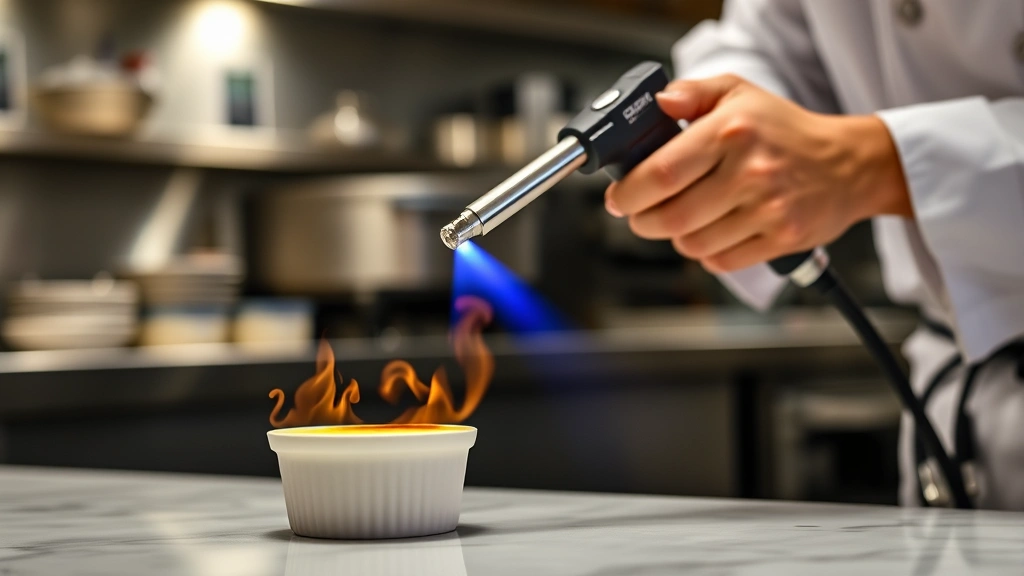
Professional chefs and culinary enthusiasts use MAPP gas torches for caramelizing sugar on crème brûlée and other desserts. The intense, controllable flame creates perfectly caramelized surfaces without overcooking the custard beneath. Home cooks increasingly adopt MAPP gas torches for this application because they deliver superior results compared to standard kitchen torches. The flame’s intensity and consistency produce uniform caramelization that enhances both appearance and flavor.
Molecular gastronomy specialists rely on MAPP gas torches for various advanced cooking techniques. The precise heat control allows chefs to execute recipes that require specific temperature ranges and rapid heating. Professional kitchens often keep MAPP gas torches on hand for finishing dishes that demand that distinctive caramelized appearance and flavor profile. The reliability of MAPP gas systems ensures consistent results across multiple dishes during service.
Restaurant kitchens use MAPP gas torches for preparing flamed dishes and creating specialized presentations. The superior heat output compared to standard culinary torches reduces cooking time, which is critical during busy service periods. Professional chefs appreciate the safety features and control mechanisms on quality MAPP gas torches, which minimize accidents in fast-paced kitchen environments.
Safety Considerations and Best Practices
Operating MAPP gas torches safely requires understanding proper handling procedures and equipment maintenance. Always inspect torches before use for signs of damage, leaks, or corrosion. Ensure fuel cartridges are properly seated and secured according to manufacturer specifications. Never attempt to use damaged cartridges or torches with visible defects, as these pose serious safety risks including uncontrolled flame release or fuel leakage.
Proper ventilation is essential when using MAPP gas torches, particularly in indoor environments. The combustion process produces carbon dioxide and water vapor, which can accumulate in poorly ventilated spaces. Always work in well-ventilated areas or outdoors when possible. Never use MAPP gas torches in enclosed spaces without adequate air circulation, as this creates dangerous conditions and violates safety codes.
Protective equipment including heat-resistant gloves, safety glasses, and appropriate clothing protects users from burns and eye damage. The intense flame and radiant heat from MAPP gas torches can cause serious injuries if proper precautions aren’t taken. Keep flammable materials away from work areas and maintain a clear workspace free of clutter that might catch fire. Always have a fire extinguisher accessible when working with any open flame tool.
Proper storage of MAPP gas cartridges prevents accidents and extends product shelf life. Store cartridges in cool, dry locations away from direct sunlight and extreme temperatures. Never store cartridges near heat sources or in vehicles during hot weather, as pressure buildup can damage containers or cause leaks. Follow all local regulations regarding fuel storage and disposal of empty cartridges.
Environmental Impact and Sustainable Alternatives
While MAPP gas torches are highly efficient tools, their environmental impact deserves consideration alongside their practical benefits. MAPP gas is a hydrocarbon fuel that produces carbon dioxide and water vapor when burned. For professionals seeking to minimize environmental impact, understanding the carbon footprint of MAPP gas usage and exploring alternatives represents an important step forward.
Several sustainable alternatives are emerging in the torch fuel market. Butane and propane offer lower environmental impact profiles in some applications, though they may not provide the performance characteristics required for specialized uses. Some manufacturers are developing electric heating torches powered by rechargeable batteries, which eliminate fuel consumption entirely for certain applications. As battery technology improves, electric torches may eventually replace MAPP gas tools for many uses.
Professionals can reduce their environmental footprint by using MAPP gas torches more efficiently. Proper technique minimizes fuel waste and reduces overall consumption. Regular maintenance keeps equipment functioning optimally, preventing fuel leakage and ensuring complete combustion. Choosing appropriately-sized torches for specific tasks prevents oversized equipment that consumes more fuel than necessary.
The definition of sustainability includes considering long-term environmental and economic impacts. While MAPP gas torches consume fossil fuels, their durability and efficiency mean they consume less total fuel over their lifespan compared to less efficient alternatives. Supporting manufacturers who develop cleaner fuel options and invest in electric torch technology represents another way professionals can promote environmental progress in their industries.
Research from the Environmental Protection Agency regarding volatile organic compounds provides context for understanding fuel combustion impacts. Organizations like the Carbon Brief offer comprehensive analysis of fossil fuel usage and climate implications that help inform purchasing decisions and usage practices.
Choosing the Right MAPP Gas Torch
Selecting appropriate MAPP gas torch equipment depends on intended applications and frequency of use. Professional plumbers and HVAC technicians benefit from investing in high-quality torches from established manufacturers, as reliability directly impacts job quality and timeline. Hobby users and occasional DIY projects may be satisfied with more economical options that still meet safety and performance standards.
Torch head size and flame type significantly influence suitability for specific tasks. Larger heads deliver more heat for industrial applications and rapid work, while smaller heads provide precision control for jewelry and delicate work. Adjustable flame torches offer versatility for users who perform varied tasks, though single-flame torches often provide better performance for specialized applications.
Fuel cartridge compatibility and availability should factor into purchasing decisions. Not all MAPP gas cartridges work with all torch designs, so ensure you select systems with readily available fuel in your area. Consider fuel costs when comparing torch options, as cheaper initial equipment investments might result in higher long-term fuel expenses if the torch is less efficient.
Safety features including ignition systems, flame adjustment mechanisms, and pressure regulators vary significantly among available options. Premium torches typically include better safety controls and more reliable ignition systems. Professional users should prioritize equipment with robust safety features that reduce accident risk in demanding work environments.
Looking toward the future, advantages of electric vehicles and similar technological shifts suggest that electric heating tools may eventually replace fuel-based torches. Early adopters of electric torch technology can help drive market development and make these cleaner alternatives more accessible to all professionals.
FAQ
What is the temperature of a MAPP gas torch flame?
MAPP gas torches produce flames reaching approximately 3,600 degrees Fahrenheit. This temperature is sufficient for soldering, brazing, and most professional heating applications. The exact temperature can vary slightly depending on torch design, fuel mixture consistency, and environmental conditions.
Is MAPP gas safer than propane for torch applications?
Both MAPP gas and propane are safe when used properly with appropriate equipment and safety precautions. MAPP gas offers some advantages including better performance in cold temperatures and more consistent pressure delivery. However, safety depends primarily on following manufacturer guidelines and proper handling procedures rather than fuel type.
Can I use MAPP gas torch cartridges interchangeably with other fuel types?
No, MAPP gas cartridges are specifically designed for MAPP gas torches and are not compatible with propane or butane torch systems. Using incorrect fuel cartridges can damage equipment and create dangerous situations. Always use the fuel type specified by your torch manufacturer.
How long does a MAPP gas cartridge last?
Cartridge duration depends on torch size, flame setting, and usage intensity. Small cartridges for jewelry work might last several hours of continuous use, while larger cartridges for plumbing applications might last 1-2 hours of heavy use. Intermittent use extends cartridge life significantly.
Are there environmental certifications for MAPP gas equipment?
While MAPP gas itself isn’t renewable, some torch manufacturers pursue environmental certifications and commit to sustainable manufacturing practices. Look for companies that prioritize efficiency, durability, and responsible sourcing when selecting equipment. Some manufacturers offer recycling programs for empty cartridges.
What are the alternatives to MAPP gas torches?
Alternatives include butane and propane torches for less demanding applications, electric heating torches powered by rechargeable batteries, and traditional soldering irons for small projects. Each alternative has distinct advantages and limitations depending on specific use cases and performance requirements.
How should I store MAPP gas cartridges?
Store cartridges in cool, dry locations away from direct sunlight, heat sources, and extreme temperatures. Never store in vehicles during hot weather or near flammable materials. Follow local regulations regarding fuel storage and ensure proper ventilation in storage areas.


