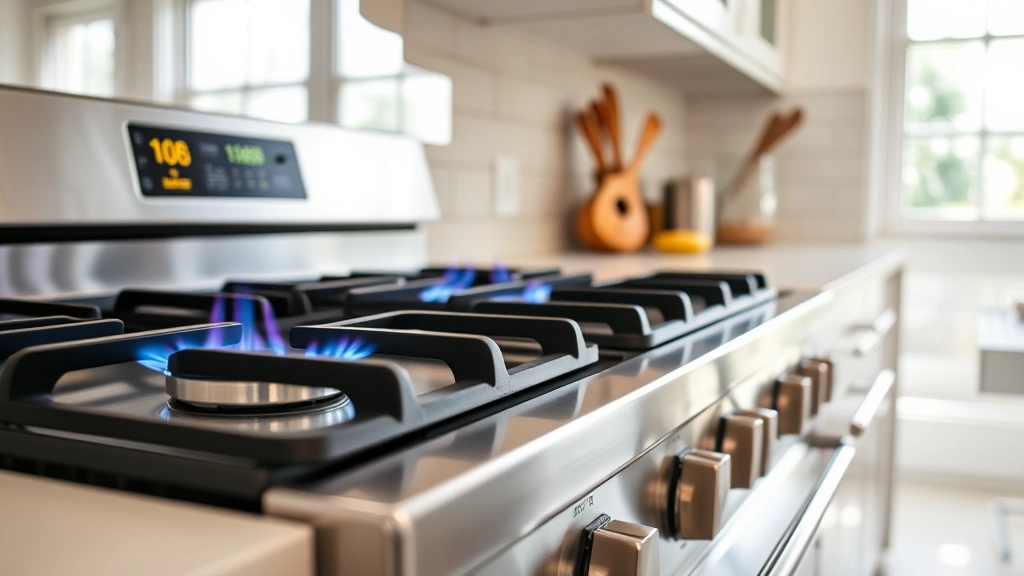
Is a Maytag Gas Range Eco-Friendly? A Comprehensive Review
When shopping for kitchen appliances, sustainability concerns increasingly influence purchasing decisions. Maytag gas ranges represent a popular choice for home cooks seeking reliable performance, but the question remains: are they genuinely eco-friendly? This review examines the environmental impact of Maytag gas ranges, comparing their efficiency metrics, emissions profiles, and design features against contemporary standards for sustainable cooking appliances.
Understanding whether a gas range qualifies as environmentally responsible requires evaluating multiple factors beyond simple energy consumption. We’ll explore combustion efficiency, material sourcing, manufacturing practices, and how Maytag models stack up against alternatives like induction cooktops and electric ranges. Whether you’re replacing an aging appliance or building a more energy-efficient home, understanding these dynamics helps inform responsible decisions.
Maytag Gas Range Efficiency Overview
Maytag gas ranges operate with varying efficiency levels depending on the specific model and year of manufacture. Most modern Maytag gas ranges achieve thermal efficiency ratings between 65-75%, meaning approximately 65-75% of the fuel’s energy directly heats cookware, while the remainder disperses through ventilation systems. This efficiency rate positions them favorably within the gas range category, though it lags behind induction cooktops, which achieve 80-90% efficiency.
The brand has incorporated several efficiency-enhancing features into recent models. Sealed burners prevent spills from entering combustion chambers, reducing fuel waste and maintaining consistent heating performance. Convection ovens, available on premium Maytag models, distribute heat more evenly than traditional ovens, reducing cooking times by 20-25% and lowering overall energy consumption. These sustainable energy solutions directly address environmental concerns associated with residential cooking.
Heavy-duty construction in Maytag ranges—featuring cast iron grates and durable stainless steel components—extends product lifespan to 15-20 years or longer. Longevity fundamentally improves environmental sustainability by reducing the frequency of appliance replacement and manufacturing demands. A range kept functional for two decades generates significantly lower lifecycle emissions than one replaced every 8-10 years.
Emissions and Indoor Air Quality Impact
Gas combustion inherently produces emissions including carbon dioxide, nitrogen oxides, and water vapor. Natural gas burning for cooking creates approximately 5 pounds of CO₂ equivalent per hour of continuous use. While modern Maytag ranges incorporate improved burner designs that optimize combustion, they cannot eliminate these emissions entirely—a fundamental characteristic of gas cooking technology.
Indoor air quality concerns warrant serious consideration. Gas ranges release nitrogen dioxide (NO₂) and formaldehyde into kitchens, particularly when ventilation is inadequate. Research from the EPA’s Indoor Air Quality program indicates that unvented gas cooking can elevate indoor NO₂ concentrations to levels exceeding outdoor ambient standards. Maytag ranges require proper ventilation—either through range hoods or windows—to minimize these health and environmental impacts.
The environmental footprint extends beyond direct emissions. Natural gas extraction and distribution infrastructure involves methane leakage, a potent greenhouse gas with 84-86 times the warming potential of CO₂ over 20-year periods. Selecting a Maytag gas range inherently ties your cooking practices to this broader fossil fuel supply chain, distinguishing it from electric or induction alternatives powered by renewable energy sources.
That said, advantages of natural gas include lower lifecycle emissions compared to coal-dependent electricity grids in certain regions. Where renewable energy comprises substantial portions of electrical grids (California, New England, Pacific Northwest), electric alternatives become environmentally preferable. In coal-heavy regions, the comparison becomes more nuanced.
Eco-Conscious Design Features
Modern Maytag gas ranges incorporate several sustainability-oriented design elements that distinguish them from older models. Sealed burner systems prevent food debris and spilled liquids from entering the combustion chamber, ensuring consistent fuel combustion efficiency and reducing maintenance requirements. This design minimizes wasted fuel and extends appliance lifespan.
Many contemporary Maytag models feature precise simmer capabilities with burners capable of reducing output to 500 BTU—enabling low-heat cooking without flame extinguishment. This precision prevents accidental fuel waste from oversized flame settings and allows cooks to match heat precisely to cooking requirements, improving efficiency during delicate cooking tasks.
The inclusion of convection oven technology represents a significant efficiency upgrade. Convection fans circulate heated air throughout the oven cavity, reducing temperature variations and cooking times. A convection-equipped Maytag range can complete baking tasks 20-25% faster than conventional ovens, directly translating to reduced energy consumption and faster meal preparation.
Stainless steel construction resists corrosion and deterioration better than painted finishes, extending functional lifespan and reducing the environmental cost of premature replacement. Additionally, Maytag designs facilitate component replacement—burner assemblies, oven seals, and control panels can be individually serviced rather than requiring complete appliance replacement when individual parts fail.
Comparison with Alternative Cooking Technologies
Understanding Maytag gas ranges’ environmental position requires comparison with viable alternatives: electric coil ranges, smooth-top electric ranges, and induction cooktops. Each technology presents distinct environmental tradeoffs.
Electric coil and smooth-top ranges offer comparable efficiency to gas (65-75%) but eliminate direct emissions from your kitchen. Their environmental impact depends entirely on regional electricity generation sources. In renewable-heavy grids, electric ranges become substantially greener. However, they require more time to reach cooking temperatures and cool down after use, potentially increasing overall energy consumption despite theoretical efficiency parity.
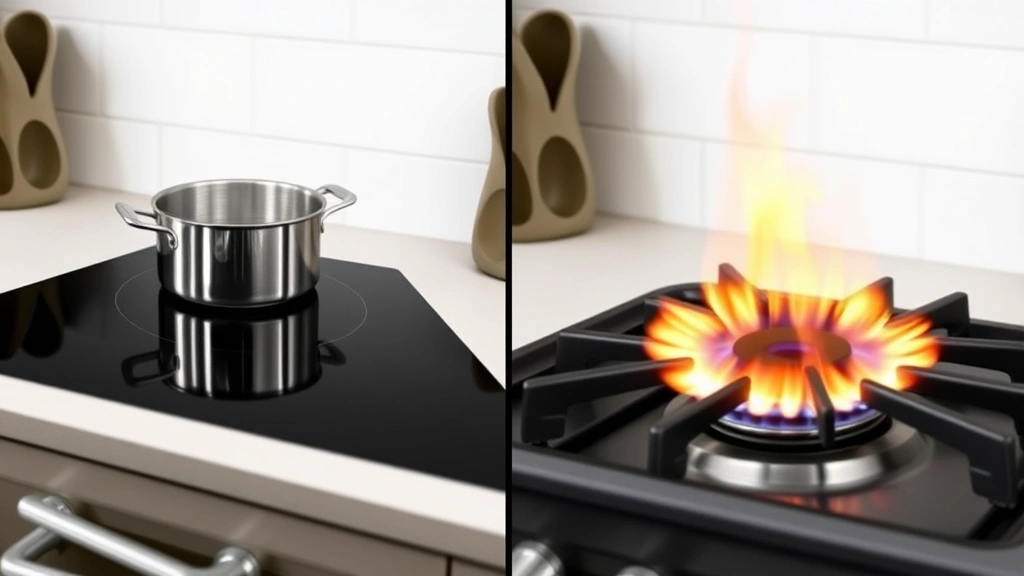
Induction cooktops represent the most efficient cooking technology, achieving 80-90% efficiency by using electromagnetic fields to directly heat cookware. They generate minimal wasted heat, require no combustion, and eliminate indoor air quality concerns. Their primary limitation involves cookware compatibility—only ferromagnetic materials (iron, steel) work with induction, requiring potential kitchenware replacement. Induction also generates electromagnetic fields, which some individuals find concerning despite scientific evidence supporting safety at normal use distances.
The comparison ultimately depends on your regional electricity grid composition and existing cookware. Where renewable energy dominates, induction or electric ranges outperform Maytag gas ranges environmentally. In regions dependent on coal or natural gas electricity generation, the advantage diminishes. Maytag gas ranges maintain relevance for cooks valuing precise temperature control, rapid heat adjustment, and compatibility with existing cookware across fuel sources.
Manufacturing and Materials Sustainability
Maytag’s manufacturing practices significantly influence overall environmental impact beyond operational emissions. The company, owned by Whirlpool Corporation, has committed to sustainability initiatives including waste reduction, energy-efficient manufacturing, and responsible material sourcing, though transparency regarding specific targets remains limited compared to leading sustainability-focused appliance manufacturers.
Gas range construction requires substantial material inputs: cast iron grates, stainless steel casings, copper burner components, and electronic controls. Iron and steel production generates significant carbon emissions—approximately 1.8 tons of CO₂ per ton of steel manufactured. A typical Maytag gas range contains 80-120 pounds of steel, representing roughly 72-108 kg of CO₂ equivalent manufacturing emissions before shipping and distribution.
Stainless steel components offer environmental advantages through durability and recyclability. At end-of-life, approximately 85% of stainless steel gets recovered and recycled into new products, avoiding landfill disposal and reducing demands for virgin material extraction. Cast iron similarly maintains excellent recyclability rates, though most end-of-life appliances currently achieve only 50-65% material recovery due to mixed component compositions and inadequate recycling infrastructure.
Maytag’s supply chain transparency regarding labor practices and environmental standards in component manufacturing remains inconsistent. Sourcing information for specific parts—burner assemblies, electronic controls, fasteners—rarely receives public documentation. Consumers prioritizing manufacturing sustainability should investigate company environmental reports and certifications through ENERGY STAR databases, which provide verified efficiency data though limited manufacturing practice information.
Maximizing Eco-Friendliness During Use
Regardless of whether you select a Maytag gas range, operational practices substantially influence environmental impact. Several strategies minimize emissions and energy consumption while maximizing cooking efficiency.
Ventilation optimization proves critical for health and environmental quality. Install and consistently use range hoods or ventilation systems to remove combustion byproducts. However, ensure adequate makeup air enters your kitchen—excessive ventilation without replacement air increases heating/cooling demands, offsetting some environmental benefits. Balanced ventilation systems represent the optimal solution, though costs exceed standard range hoods.
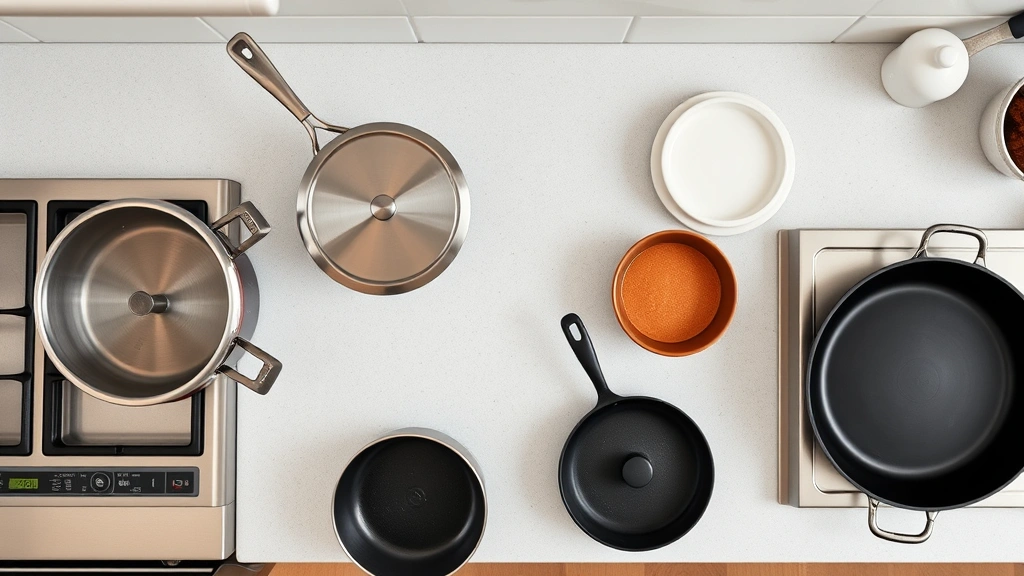
Match cookware to burner size. Oversized cookware on undersized burners or vice versa reduces heat transfer efficiency. Flat-bottomed cookware ensures maximum contact with burner flames, improving heat absorption. Covering pots and pans during cooking reduces heat loss and accelerates meal preparation, decreasing overall fuel consumption.
Utilize residual heat strategically. Gas burners retain heat for extended periods after ignition. Turn burners off several minutes before completing cooking tasks, allowing residual heat to finish the job. This practice reduces fuel consumption without compromising food quality.
Maintain your range properly. Regular cleaning of burner ports prevents fuel blockages that reduce efficiency. Ensure oven seals remain intact to prevent heat escape. These maintenance practices extend appliance lifespan and optimize operational efficiency, directly supporting environmental footprint reduction.
Plan meals strategically. Batch cooking and using residual oven heat for multiple dishes maximizes energy utilization. Cooking multiple items simultaneously during single oven sessions reduces overall energy consumption compared to multiple separate cooking events.
FAQ
Are Maytag gas ranges certified as eco-friendly?
Maytag gas ranges do not carry ENERGY STAR certification, as the program currently does not certify gas ranges due to difficulty establishing universal efficiency standards across diverse designs. However, many Maytag models meet or exceed industry efficiency standards. Check individual product specifications for thermal efficiency ratings and burner performance metrics.
How do Maytag gas ranges compare to induction cooktops environmentally?
Induction cooktops achieve 80-90% efficiency compared to gas ranges’ 65-75%, making them environmentally superior in most grid conditions. However, induction requires ferromagnetic cookware and generates electromagnetic fields. Gas ranges offer greater cookware compatibility and precise temperature control, making them preferable for some cooks despite higher environmental impact.
What emissions do gas ranges produce?
Gas combustion produces carbon dioxide, nitrogen oxides, water vapor, and trace amounts of formaldehyde. These emissions require proper ventilation to prevent indoor air quality degradation. Approximately 5 pounds of CO₂ equivalent releases per hour of continuous use, though typical cooking sessions consume 15-30 minutes.
Can I reduce my Maytag gas range’s environmental impact?
Yes. Install proper ventilation, use appropriately sized cookware, maintain your range regularly, match burner size to cooking needs, and plan meals efficiently. These practices minimize emissions, optimize fuel consumption, and extend appliance lifespan, collectively reducing environmental impact by 20-30%.
Is natural gas renewable?
Natural gas is a fossil fuel formed from ancient organic material. While cleaner-burning than coal or oil, it remains non-renewable and contributes to climate change through both direct combustion emissions and methane leakage during extraction and distribution. Renewable gas produced from biomass or wastewater represents an emerging alternative, though infrastructure remains limited.
How long do Maytag gas ranges typically last?
Quality Maytag gas ranges generally last 15-20 years with proper maintenance, some exceeding 25 years. Longevity significantly improves environmental sustainability by reducing replacement frequency and manufacturing demands. Extended lifespan justifies higher upfront environmental costs associated with manufacturing and shipping.
Should I replace my working gas range with an induction cooktop?
Replacing a functioning appliance generates substantial environmental costs through manufacturing and disposal. Unless your current range functions poorly, environmental benefits from upgrading to induction likely don’t justify the embodied emissions in new appliance production. When eventual replacement becomes necessary, induction represents the environmentally optimal choice in most scenarios.
Are there sustainable gas range brands besides Maytag?
Several manufacturers offer gas ranges with strong sustainability credentials. Brands like Bertazzoni and Miele emphasize durability and repairability. For maximum sustainability, research environmental certifications and lifecycle assessments when comparing options. Consider visiting Consumer Reports for detailed comparative reviews.


