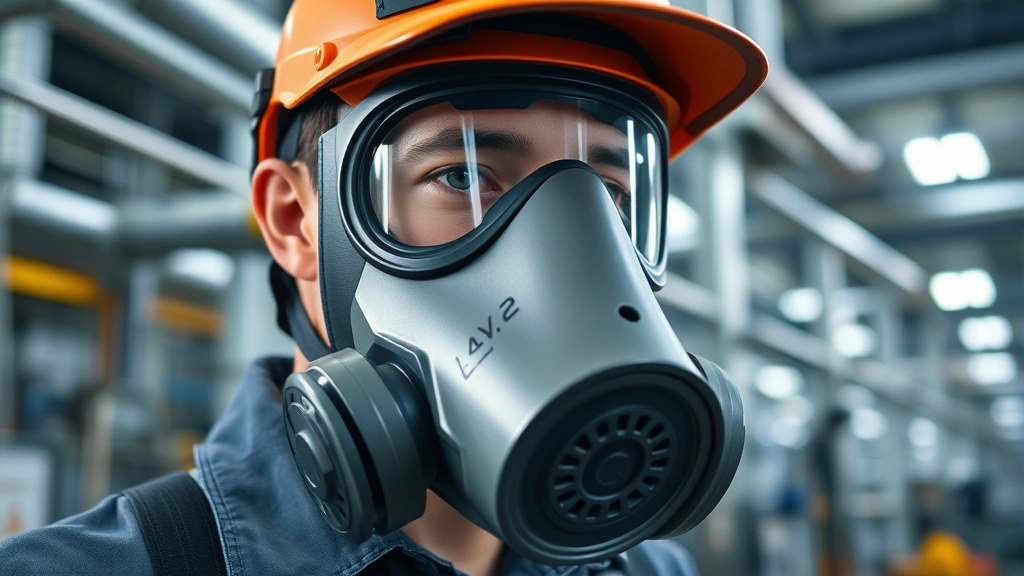
Gas Masks’ Role in Sustainability: Expert Insights on Protection and Environmental Impact
Gas masks, particularly military-grade variants, have evolved far beyond their traditional wartime applications. Today, these respiratory protection devices play a critical role in occupational safety, emergency preparedness, and environmental monitoring—intersecting directly with sustainability practices across multiple industries. Understanding how military gas masks contribute to worker protection while minimizing environmental harm reveals important insights into balancing safety with ecological responsibility.
The sustainability conversation surrounding respiratory protection equipment extends beyond the masks themselves. It encompasses manufacturing processes, material sourcing, filter replacement cycles, and proper disposal protocols. As organizations worldwide prioritize both employee wellness and environmental sustainability examples, examining the lifecycle impact of protective equipment becomes essential for comprehensive sustainability strategies.
This comprehensive guide explores how military gas masks fit into modern sustainability frameworks, their environmental footprint, and expert recommendations for responsible use and disposal. Whether you’re managing workplace safety programs or developing emergency response protocols, understanding the sustainability dimensions of respiratory protection is crucial for informed decision-making.
Understanding Military Gas Mask Technology
Military gas masks represent sophisticated engineering designed to protect users from airborne hazards including chemical agents, biological threats, and particulate matter. Modern iterations incorporate activated carbon filters, rubberized seals, and optical components that have undergone rigorous testing to meet international safety standards. The technology has trickled down from military applications to industrial, healthcare, and civilian emergency preparedness sectors.
The fundamental design of military gas masks involves a facepiece connected to filter cartridges through intake valves. These cartridges contain activated charcoal, sorbent materials, and particulate filters working in tandem to remove harmful substances from inhaled air. Understanding this mechanism is essential for appreciating both the protective benefits and the environmental considerations associated with their use.
Modern military gas masks balance protection efficacy with user comfort—a critical factor for sustained use in extended exposure scenarios. This balance, however, comes with material and manufacturing implications that directly affect sustainability metrics. The pursuit of durability and reliability often necessitates resource-intensive production processes and materials that warrant environmental scrutiny.
Environmental Impact of Respiratory Protection
The environmental footprint of military gas masks encompasses multiple lifecycle stages, from raw material extraction through end-of-life disposal. Rubber compounds, plastics, glass components, and activated carbon—all essential to mask functionality—carry distinct environmental costs. Mining for materials, energy-intensive manufacturing, and chemical processing contribute to the overall ecological burden of these protective devices.
Filter cartridges present particular sustainability challenges due to their consumable nature. A single user might require multiple cartridge replacements over a year, multiplying the environmental impact significantly. The activated carbon used in filters, typically derived from coconut shells or coal, demands resource extraction and processing. Organizations managing large workforces face multiplicative waste streams that, without proper management protocols, can strain landfill capacities and contaminate soil.
Improper disposal of spent filters poses additional environmental risks. Saturated with captured contaminants, these cartridges may leach hazardous substances if deposited in standard waste streams. This reality underscores the importance of establishing dedicated disposal programs aligned with EPA guidelines and local environmental regulations. Organizations committed to sustainability must view filter disposal not as a cost center but as a critical environmental responsibility.
The manufacturing process itself generates waste streams including rubber trim, plastic offcuts, and chemical solvents. Facilities producing military gas masks must implement closed-loop systems, recycling programs, and waste minimization strategies to reduce their ecological footprint. Leading manufacturers now report manufacturing waste reduction targets aligned with corporate sustainability commitments.

Manufacturing and Material Sourcing Sustainability
Sustainable sourcing of materials for military gas masks requires transparency throughout supply chains and commitment to ethical extraction practices. Natural rubber sourcing, critical for mask facepieces, intersects with deforestation concerns and indigenous land rights in producing regions. Progressive manufacturers partner with certified suppliers adhering to Rainforest Alliance standards and sustainable forestry practices.
The activated carbon component deserves particular attention within sustainability frameworks. Coconut shell-derived activated carbon offers advantages over coal-based alternatives, supporting agricultural economies while reducing fossil fuel dependence. Manufacturers increasingly specify coconut-source carbon, recognizing that material selection fundamentally shapes environmental profiles. This sourcing decision reflects broader commitments to sustainable energy solutions and renewable material preferences.
Manufacturing facilities producing military gas masks must meet stringent occupational safety standards while minimizing their own environmental footprint. Water usage in rubber processing, energy consumption in filter production, and chemical handling all require careful management. Facilities implementing ISO 14001 environmental management systems demonstrate measurable commitment to continuous improvement in ecological performance.
Transparency in manufacturing sustainability matters increasingly to organizations purchasing protective equipment. Many now request detailed environmental impact assessments from suppliers, including carbon footprints, waste reduction metrics, and water conservation achievements. This market pressure drives innovation toward more sustainable production methodologies and material innovations.
Filter Lifecycle and Waste Management
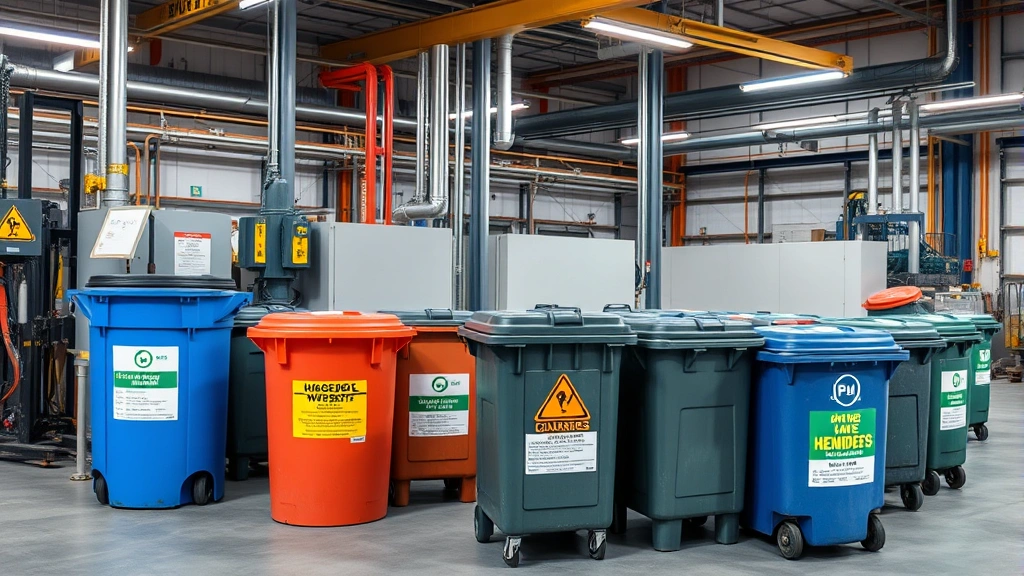
The consumable nature of gas mask filters creates ongoing sustainability challenges requiring systematic management. A single military gas mask cartridge, when saturated with contaminants, becomes hazardous waste requiring specialized handling. Organizations with hundreds or thousands of workers face substantial filter replacement volumes demanding robust disposal infrastructure.
Best practices for filter management begin with accurate tracking systems documenting cartridge usage, saturation indicators, and replacement schedules. Organizations should establish protocols determining when filters require replacement based on manufacturer specifications and exposure conditions. Premature replacement wastes resources; delayed replacement compromises protection and efficiency. This balance demands expertise and systematic monitoring.
Spent filter disposal requires adherence to regulations varying by jurisdiction and contamination type. Filters exposed to chemical hazards may require incineration at certified facilities, while particulate-only filters might qualify for alternative disposal methods. Organizations should partner with licensed hazardous waste management companies ensuring compliant, environmentally responsible handling. Documentation requirements provide accountability and demonstrate commitment to regulatory compliance.
Emerging technologies enable filter recycling and material recovery in certain applications. Some manufacturers now offer cartridge take-back programs where spent filters return to facilities for safe disposal and material reclamation. These circular economy approaches reduce landfill burden while recovering valuable materials. Organizations should evaluate whether their suppliers offer such programs, factoring sustainability into procurement decisions.
Reusable mask components, distinct from disposable filters, present different lifecycle considerations. Rubber facepieces and frames, properly maintained, can function for years, amortizing manufacturing impacts across extended service periods. Organizations should prioritize quality equipment capable of long service lives, reducing replacement frequency and cumulative environmental costs.
Sustainable Alternatives and Innovations
The respiratory protection industry continues innovating toward more sustainable solutions without compromising safety efficacy. Biocompatible rubber compounds reduce skin irritation while lowering toxicity in manufacturing processes. Plant-based polymers increasingly replace petroleum-derived plastics in mask components, aligning with advantages of electric vehicles philosophy—prioritizing renewable materials over fossil fuel dependence.
Filter technology innovations focus on extended service life, reducing replacement frequency and cumulative waste. Advanced sorbent materials capture contaminants more efficiently, meaning fewer cartridges required annually. Nanotechnology applications enable thinner, lighter filters maintaining protection while reducing material consumption. These innovations demonstrate that sustainability and safety need not conflict.
Modular mask designs enable component replacement without discarding entire units. Rather than replacing complete masks when seals degrade, users swap specific components, extending overall product life. This design philosophy aligns with circular economy principles and reduces per-unit environmental impact over extended service periods. Manufacturers embracing modularity position themselves as sustainability leaders.
Sustainable packaging for masks and filters deserves attention often overlooked. Shifting from plastic-heavy packaging toward recyclable cardboard, minimizing packaging volume, and eliminating unnecessary materials reduces waste throughout the distribution chain. Organizations can amplify these benefits by consolidating shipments and implementing reusable shipping containers for internal logistics.
Research into biodegradable filter materials continues advancing, though current applications remain limited. The challenge lies in maintaining barrier properties and contaminant capture while using decomposable materials. As this research matures, future generations of gas masks may incorporate truly biodegradable components, fundamentally transforming their environmental profiles.
Workplace Safety Without Compromising Ecology
Organizations can advance both worker protection and environmental stewardship through integrated approaches to respiratory protection. This requires viewing safety and sustainability not as competing priorities but as complementary objectives. Comprehensive programs address hazard reduction at the source, engineering controls, administrative procedures, and personal protective equipment as a hierarchy.
Source reduction—eliminating hazardous substances or processes—represents the most sustainable approach. Organizations should audit operations identifying opportunities to replace toxic chemicals with safer alternatives, reduce exposure through process modifications, or implement engineering controls like ventilation systems. These measures reduce reliance on personal protective equipment, lowering both safety risks and environmental burdens.
Proper training ensures workers use respiratory protection correctly, maximizing effectiveness while minimizing unnecessary usage. Fit testing, seal checks, and periodic refresher training reduce exposure incidents and prevent premature filter saturation. Well-trained workers also report earlier signs of equipment degradation, enabling timely maintenance and replacement rather than extended use of compromised equipment.
Organizations should develop written respiratory protection programs documenting selection criteria, training requirements, maintenance protocols, and disposal procedures. These programs demonstrate commitment to both safety and environmental responsibility. Regular program audits identify opportunities for improvement, including sustainability enhancements aligned with how to save energy at home principles—applying efficiency thinking across organizational practices.
Procurement decisions significantly impact sustainability outcomes. Organizations should evaluate suppliers on environmental performance, requesting certifications, sustainability reports, and detailed impact assessments. Preference for manufacturers demonstrating commitment to waste reduction, renewable materials, and responsible labor practices drives market transformation toward more sustainable respiratory protection.
Regulatory Framework and Certifications
Military gas masks and related respiratory protection equipment operate within complex regulatory frameworks ensuring safety while increasingly addressing environmental considerations. The Occupational Safety and Health Administration establishes standards for workplace respiratory protection, including selection, use, and maintenance requirements. Compliance with these standards forms the foundation for responsible equipment management.
International standards including ISO 6942 and EN 401 specify performance requirements for gas masks, ensuring minimum protective efficacy across manufacturing. These standards incorporate testing for filter efficiency, seal integrity, and resistance to hazardous substances. Certification to these standards provides assurance of quality and safety, enabling informed procurement decisions.
Environmental certifications increasingly complement safety certifications in procurement evaluations. ISO 14001 certification demonstrates manufacturers’ commitment to environmental management systems. Cradle-to-Cradle certification recognizes products designed for material recovery and circular use. Organizations should weight these certifications alongside traditional safety certifications when selecting suppliers.
Emerging regulations address extended producer responsibility, requiring manufacturers to manage end-of-life products including disposal costs. These regulations, prevalent in European Union markets, incentivize manufacturers to design for durability, repairability, and recyclability. Organizations operating internationally should anticipate similar regulations expanding globally, making sustainability-focused procurement strategically prudent.
Transparency initiatives and sustainability reporting standards increasingly require organizations to disclose environmental impacts of purchased goods, including respiratory protection equipment. Frameworks like the Carbon Disclosure Project encourage comprehensive supply chain environmental assessment. Organizations should prepare for these reporting requirements by establishing baseline data and improvement metrics.
FAQ
How often should military gas mask filters be replaced for optimal sustainability?
Filter replacement frequency depends on exposure conditions, contaminant types, and manufacturer specifications. Generally, filters require replacement when saturation indicators activate or after 40 hours of continuous use. Organizations should establish protocols based on specific hazards and monitor usage patterns. More frequent replacement than necessary wastes resources; delayed replacement compromises protection. Systematic tracking enables optimization balancing safety and sustainability.
What environmental certifications should I prioritize when purchasing gas masks?
Prioritize ISO 14001 environmental management certification indicating manufacturers implement systematic environmental practices. Look for certifications from organizations like the Global Standards organization verifying sustainable sourcing and manufacturing. Request detailed environmental impact assessments including carbon footprints, waste reduction metrics, and water conservation data. Supplier transparency demonstrates genuine sustainability commitment beyond marketing claims.
Can gas mask filters be recycled?
Most gas mask filters cannot be conventionally recycled due to hazardous contamination and complex material composition. However, some manufacturers offer take-back programs where spent filters return for safe disposal and material reclamation. Filters exposed only to particulate matter might qualify for alternative disposal methods. Organizations should consult licensed hazardous waste management companies determining appropriate disposal routes for specific contamination types.
What’s the difference between reusable and disposable gas masks from a sustainability perspective?
Reusable masks with replaceable filters amortize manufacturing impacts across extended service periods, generally offering better sustainability profiles than disposable alternatives. Quality reusable masks function for years with proper maintenance, reducing replacement frequency. However, filter consumption continues, requiring robust disposal management. Disposable masks eliminate maintenance complexity but generate more waste per unit protection provided. Organizations should evaluate total lifecycle impacts rather than assuming one category is universally more sustainable.
How can organizations reduce respiratory protection waste?
Implement source reduction strategies eliminating hazardous substances or engineering controls reducing exposure. Invest in quality equipment with extended service lives. Establish accurate usage tracking preventing premature replacement while ensuring timely changes. Provide comprehensive worker training optimizing equipment effectiveness. Partner with suppliers offering take-back or recycling programs. Consider modular designs enabling component replacement rather than complete mask discarding. Document and audit programs identifying continuous improvement opportunities.


