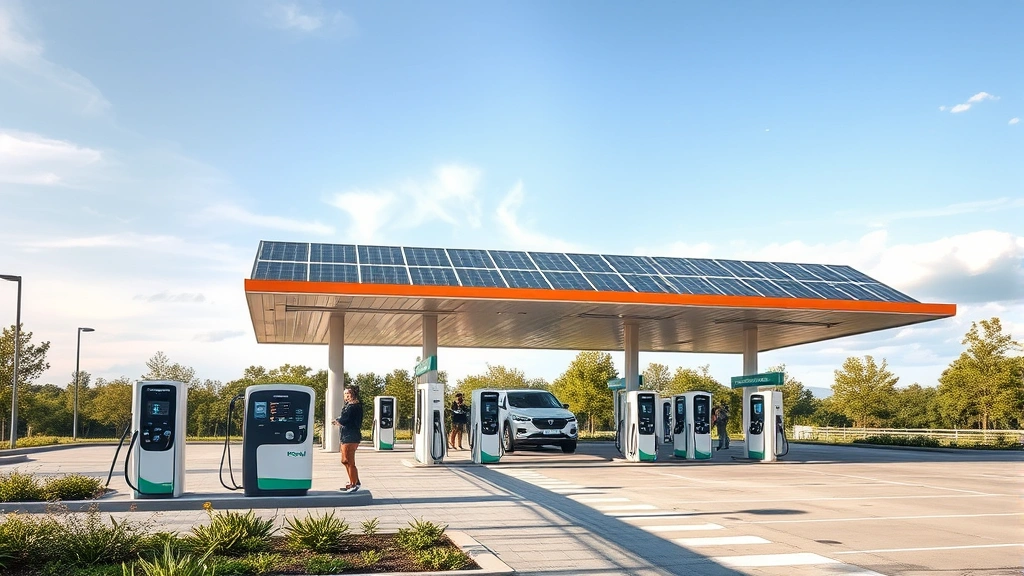
Murphy’s Gas: Sustainable Fuel Options and Eco-Friendly Alternatives
Murphy USA, one of America’s largest independent fuel retailers, operates thousands of gas stations across the country. As environmental concerns grow and consumers increasingly seek sustainable fuel solutions, many wonder whether Murphy’s Gas stations offer eco-friendly options and how they compare to other fuel providers in the marketplace.
Finding a Murphy’s gas station near me has become easier with modern location technology, but the real question is whether these stations align with your sustainability goals. This comprehensive guide explores Murphy’s current fuel offerings, available sustainable alternatives, and practical steps you can take to reduce your environmental impact while fueling your vehicle.
What Fuel Options Does Murphy’s Offer?
Murphy USA primarily offers traditional petroleum-based fuels at their stations, including regular unleaded gasoline, mid-grade, and premium gasoline options. The company operates under the Murphy USA and Murphy Express brand names, serving millions of customers daily across multiple states. While Murphy’s has not extensively focused on alternative fuel infrastructure, understanding their current offerings helps consumers make informed decisions about where to fuel their vehicles.
The typical Murphy’s gas station carries conventional fuel products that meet EPA standards for emissions and quality. These fuels contain detergents designed to keep fuel injectors clean and reduce engine deposits. However, if you’re specifically looking for sustainable energy solutions, you may need to explore additional options beyond standard Murphy’s locations.
Murphy USA has maintained competitive pricing and convenient locations, which has made them popular among budget-conscious drivers. However, sustainability-focused consumers should investigate whether their local Murphy’s station offers any premium or specialty fuel options that might align better with environmental goals.
Ethanol-Blended Gasoline at Murphy’s
Many Murphy’s locations do offer ethanol-blended gasoline, particularly E10 fuel, which contains 10% ethanol and 90% traditional gasoline. This blend is widely available across the United States and meets EPA requirements for all vehicles manufactured after 2001. Ethanol-blended fuel represents a modest step toward sustainability compared to pure petroleum gasoline.
Ethanol, derived from renewable corn sources, reduces the carbon footprint of gasoline by displacing a portion of fossil fuel content. However, the environmental benefits of ethanol are debated among sustainability experts due to agricultural impacts, land use, and processing requirements. The EPA’s Renewable Fuel Standard mandates that fuel blends include minimum percentages of renewable content, making ethanol-blended options increasingly common at stations nationwide.
Some Murphy’s stations may carry higher ethanol blends like E15 (15% ethanol), though availability varies by location. If environmental impact reduction is important to you, checking whether your local Murphy’s offers ethanol-blended options is a reasonable starting point, though these fuels represent only incremental improvements over conventional gasoline.
Diesel Fuel Availability
Murphy USA operates numerous fuel stations that carry diesel fuel, making them convenient for truck drivers and owners of diesel-powered vehicles. Diesel fuel offers better fuel economy than gasoline, which can reduce overall fuel consumption and associated emissions per mile traveled. For those operating commercial vehicles or heavy-duty trucks, Murphy’s diesel availability provides a practical refueling solution.
Biodiesel blends, which incorporate renewable content from vegetable oils or animal fats, represent a more sustainable diesel option. While not all Murphy’s stations carry biodiesel blends, some locations may offer B5 (5% biodiesel) or higher blends depending on regional availability and demand. Understanding the natural gas versus propane comparison can help you evaluate broader fuel alternatives beyond diesel.
Diesel engines produce different emissions profiles than gasoline engines, with potential advantages in fuel efficiency but concerns regarding particulate matter and nitrogen oxides. If you operate a diesel vehicle, exploring cleaner diesel formulations or considering vehicle upgrades to newer, emissions-compliant models could enhance your sustainability profile.
Sustainable Alternatives to Traditional Gas
Beyond what Murphy’s typically offers, several sustainable fuel alternatives exist for environmentally conscious consumers. These options range from electric power to compressed natural gas, biofuels, and hydrogen fuel cells. Understanding these alternatives helps you make informed choices about your long-term transportation strategy.
Electric Vehicles (EVs) represent the most significant shift toward sustainable transportation. Rather than relying on any gas station, including Murphy’s, EV owners charge at home, workplaces, or public charging networks. The environmental benefits depend on regional electricity grids; areas with renewable energy sources see the greatest emissions reductions.
Hybrid Vehicles combine electric and gasoline power, reducing fuel consumption and emissions compared to traditional gas-only vehicles. These vehicles don’t require special fuel and can refuel at any standard gas station, including Murphy’s locations.
Compressed Natural Gas (CNG) vehicles offer lower emissions than gasoline or diesel alternatives. However, CNG infrastructure remains limited, and Murphy’s does not currently operate CNG refueling stations. You can learn more about advantages of natural gas to determine if this option suits your needs.
Biofuels including biodiesel and advanced biofuels derived from algae, waste oils, or cellulose offer renewable alternatives. While Murphy’s may carry some biofuel blends, availability remains inconsistent across their network.
Hydrogen Fuel Cell Vehicles produce only water vapor as emissions, representing a truly zero-emission option. Currently, hydrogen infrastructure is extremely limited in most regions, making this technology primarily available in California and a few other states.
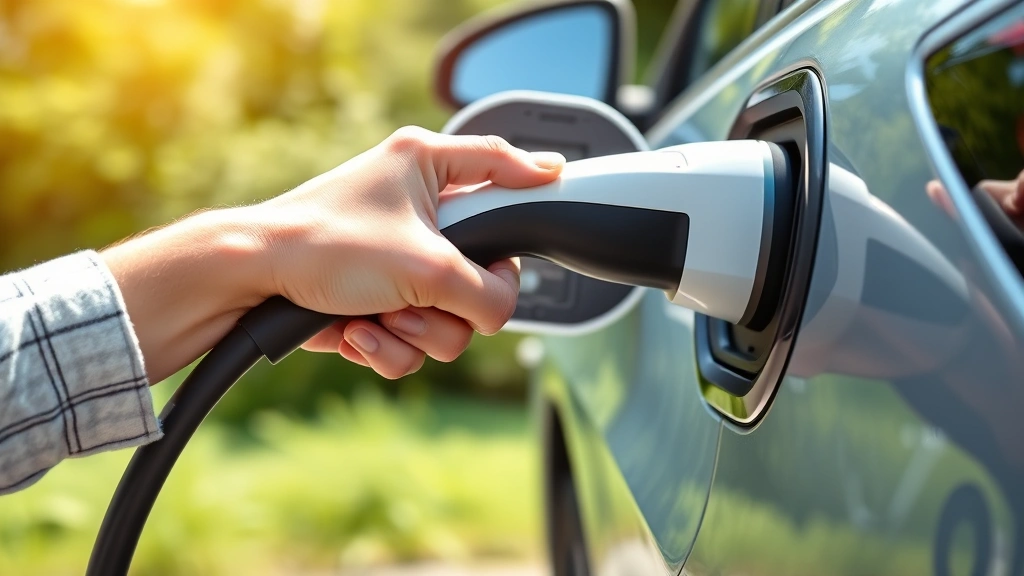
Electric Vehicle Charging Infrastructure
Murphy USA has begun exploring electric vehicle charging opportunities, recognizing the shift toward electrified transportation. Some Murphy’s and Murphy Express locations have installed or plan to install EV charging stations, though coverage remains limited compared to their fuel station network. As electric vehicle adoption accelerates, fuel retailers are investing in charging infrastructure to remain competitive.
Finding EV charging stations requires different strategies than locating traditional gas pumps. Apps like PlugShare, ChargePoint, and Tesla’s navigation system help locate available chargers. Many public charging networks operate independently from fuel retailers, offering access through memberships or pay-per-use models.
The expansion of sustainable energy solutions includes improved charging infrastructure, incentives for EV purchases, and grid modernization. If you’re considering an electric vehicle, researching charging availability in your area should be a priority before making the switch from traditional gasoline vehicles.
Home charging installation represents the most convenient option for EV owners with dedicated parking. Level 2 chargers (240V) can fully charge most vehicles overnight, while DC fast chargers provide rapid charging for road trips. Understanding these options helps you evaluate whether EV ownership aligns with your lifestyle and sustainability goals.

Environmental Impact of Fuel Choices
Choosing where to fuel your vehicle contributes to your overall environmental footprint. Traditional gasoline combustion releases carbon dioxide, nitrogen oxides, particulate matter, and volatile organic compounds. Each gallon of gasoline burned releases approximately 19.6 pounds of carbon dioxide into the atmosphere, a major contributor to climate change.
Fuel choice directly impacts personal emissions. Switching to ethanol-blended gasoline reduces carbon footprint by approximately 5-10% compared to pure petroleum gasoline, though benefits vary based on ethanol production methods. Diesel fuel offers superior fuel economy, potentially reducing total emissions per mile despite higher emissions per gallon.
The most significant emissions reductions come from reducing overall fuel consumption through vehicle efficiency improvements, driving habits, and transportation mode selection. How to reduce your environmental footprint encompasses fuel choices but extends to broader lifestyle decisions.
According to the U.S. Department of Energy’s Fuel Economy website, vehicle selection significantly influences lifetime emissions. A vehicle averaging 30 miles per gallon produces substantially fewer emissions than one averaging 15 miles per gallon, even when both refuel at the same stations.
Life cycle analysis reveals that electric vehicle production, particularly battery manufacturing, generates significant emissions. However, over their operational lifetime, EVs typically produce far fewer emissions than gasoline vehicles, even when accounting for electricity generation. This advantage increases in regions with renewable energy sources.
How to Find Sustainable Fuel Near You
Locating sustainable fuel options requires research and planning beyond simply searching for Murphy’s gas station near me. Several strategies help identify environmentally friendly refueling options in your area.
Use Specialized Apps and Websites: Apps like GasBuddy, Waze, and Google Maps help locate fuel stations, but specialized apps like PlugShare and Alternative Fuels Data Center provide information about EV chargers, CNG stations, and other sustainable options.
Research Local Fuel Retailers: Beyond Murphy’s, investigate independent retailers, major chains, and specialty fuel providers offering ethanol blends, biodiesel, or EV charging. Some regional chains prioritize sustainability more heavily than national competitors.
Check Vehicle Compatibility: Ensure any alternative fuel aligns with your vehicle’s specifications. Not all vehicles accept E15 or higher ethanol blends. Check your owner’s manual or manufacturer website for approved fuel types.
Evaluate Total Cost of Ownership: While sustainable fuels sometimes cost more per gallon, consider fuel economy, vehicle efficiency, and long-term environmental benefits. Electric vehicles, despite higher upfront costs, often provide lower lifetime operating expenses.
Join Sustainability Communities: Local environmental groups, electric vehicle clubs, and sustainability organizations share knowledge about fuel options, charging networks, and incentive programs. These communities provide valuable peer recommendations.
Consider exploring green technology innovations transforming our future to understand emerging sustainable fuel technologies and infrastructure developments.
The U.S. Department of Energy provides comprehensive EV resources including charging locators, incentive information, and educational materials about electric transportation.
FAQ
Does Murphy’s Gas offer electric vehicle charging?
Some Murphy’s and Murphy Express locations are beginning to install EV charging stations, though availability remains limited. Check their website or call your local station to confirm charging availability before visiting.
Can I use E15 ethanol fuel at Murphy’s?
E15 availability varies by location. While some Murphy’s stations may carry E15, not all vehicles are compatible. Check your vehicle’s manual or manufacturer specifications before using E15 fuel. Most stations offer E10, which is universally compatible with vehicles manufactured after 2001.
Is diesel fuel more sustainable than gasoline?
Diesel offers better fuel economy, reducing total fuel consumption per mile. However, emissions profiles differ, with diesel producing higher particulate matter and nitrogen oxides. Biodiesel blends improve sustainability compared to pure petroleum diesel, though availability at Murphy’s varies.
What’s the best sustainable fuel option for my vehicle?
The optimal choice depends on your vehicle type, driving patterns, and local infrastructure. Electric vehicles provide the greatest emissions reductions where renewable electricity is available. For traditional vehicles, ethanol-blended gasoline or diesel with superior fuel economy offer modest improvements over conventional fuel.
How do I find sustainable fuel stations near me?
Use the Alternative Fuels Data Center, PlugShare for EV charging, or Google Maps to locate sustainable fuel options. Specialized apps provide more comprehensive information than general search engines.
Are there government incentives for sustainable fuel use?
Yes, federal and state incentives support electric vehicle purchases, charging infrastructure installation, and alternative fuel adoption. Visit energy.gov or your state’s environmental agency website for current incentive programs.
Should I switch to an electric vehicle?
EV suitability depends on your driving patterns, home charging availability, and local electricity sources. If you have regular commuting patterns, access to charging, and live in an area with renewable energy, an EV provides significant environmental benefits. Research models and test drive options before deciding.


