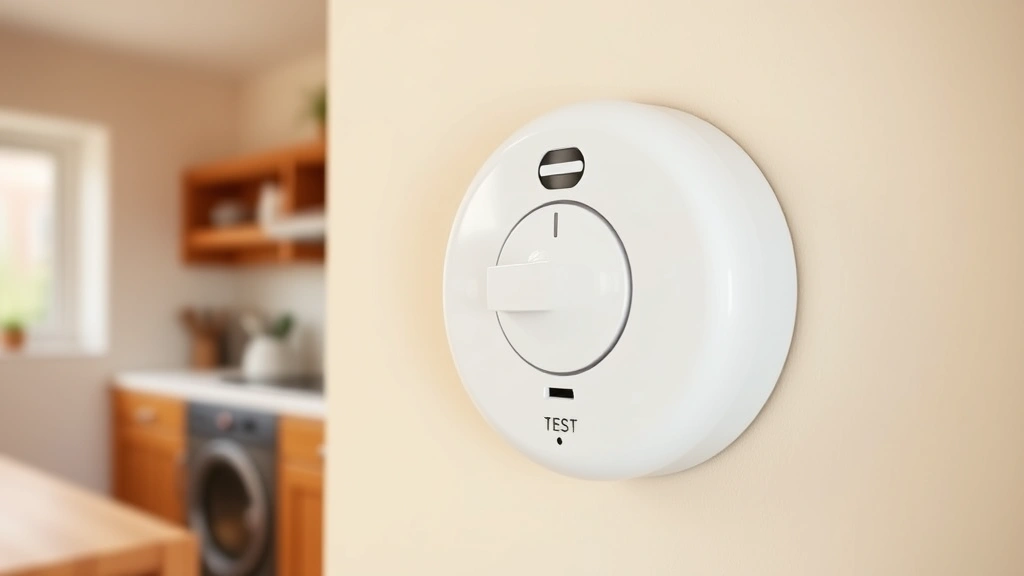
Natural Gas Alarms: Safety Expert Insights
Natural gas is a convenient energy source for millions of households, powering everything from heating systems to cooking appliances. However, this colorless, odorless gas poses serious safety risks if not properly monitored. A natural gas alarm serves as your first line of defense against potentially deadly leaks, detecting dangerous gas concentrations before they reach hazardous levels. Understanding how these devices work and implementing proper safety measures can protect your family and home from catastrophic incidents.
Gas leaks are responsible for hundreds of injuries and dozens of deaths annually in the United States alone. The insidious nature of natural gas—being invisible and having no inherent smell—makes it nearly impossible to detect without specialized equipment. This is why installing and maintaining a reliable natural gas alarm system isn’t just recommended; it’s essential for any household using natural gas appliances. Our comprehensive guide explores everything you need to know about natural gas alarms, from detection mechanisms to installation best practices.
How Natural Gas Alarms Work
A natural gas alarm operates through sophisticated sensor technology designed to detect methane, the primary component of natural gas used in homes. When gas molecules interact with the sensor element, they trigger a chemical or electrical reaction that activates an audible alarm—typically a loud, distinctive sound that cannot be ignored. Most modern alarms sound at concentrations between 10-15% of the lower explosive limit (LEL), which translates to approximately 500-750 parts per million (ppm).
The detection process happens remarkably quickly, often within seconds of gas presence. This rapid response time is critical because natural gas can accumulate to dangerous levels in enclosed spaces within minutes. Understanding the sustainable energy solutions available today includes recognizing that safety devices are integral components of responsible natural gas use. Modern sensors employ catalytic bead technology, infrared sensing, or electrochemical methods, each offering distinct advantages depending on your specific needs and environment.
The alarm’s effectiveness depends on several factors: proper placement, adequate power supply, sensor sensitivity calibration, and regular maintenance. A malfunctioning or poorly positioned natural gas alarm provides false security, leaving your household vulnerable. Safety experts emphasize that understanding your alarm’s specifications and limitations is just as important as having one installed.
Types of Natural Gas Detection Systems
Several distinct categories of natural gas detection technology exist, each with specific applications and performance characteristics. Portable detectors offer flexibility and are ideal for renters or temporary monitoring situations. These battery-operated devices can be moved between rooms and typically cost between $30-150. While convenient, they require consistent battery replacement and active monitoring by occupants.
Hardwired systems represent the gold standard for permanent installations. Connected directly to your home’s electrical system, these alarms eliminate battery concerns and often integrate with whole-home safety networks. Installation typically requires professional electrician assistance, increasing upfront costs to $200-500 per unit, but providing superior reliability and integration capabilities. Many hardwired systems include backup battery functionality, ensuring continued operation during power outages.
Smart natural gas alarms represent the cutting edge of detection technology. These WiFi-enabled devices send alerts directly to your smartphone, allowing real-time monitoring even when away from home. Some models integrate with energy-saving home automation systems, providing comprehensive household safety and efficiency management. Prices range from $150-400, with subscription fees for cloud monitoring services.
Combination detectors that sense both natural gas and carbon monoxide offer comprehensive protection against multiple household hazards. These dual-function devices streamline installation and monitoring while providing broader safety coverage. For homes using natural gas appliances, combination detectors represent excellent value and practical sense.
Installation and Placement Guidelines
Proper installation location dramatically impacts a natural gas alarm’s effectiveness. Safety experts recommend installing alarms within 10-15 feet of potential gas sources, including stoves, water heaters, furnaces, and dryers. Kitchens and utility rooms are priority locations, as these areas typically house multiple gas appliances and represent the highest-risk zones.
Height placement matters significantly because natural gas behavior differs from carbon monoxide. While carbon monoxide alarms should be positioned 4-6 feet above floor level, natural gas alarms function most effectively near floor level or slightly above, as natural gas is heavier than air and tends to accumulate in lower areas. Positioning your alarm 12 inches from the floor to 4 feet high provides optimal detection capability.
Avoid placing alarms near windows, doors, or ventilation areas where air currents might disperse gas before detection. Similarly, keep alarms away from humid environments like bathrooms, as moisture can interfere with sensor accuracy. Kitchens with gas stoves require special consideration—position the alarm to detect leaks without false alarms from normal cooking activities.
For multi-story homes, installing alarms on each level ensures comprehensive coverage. The basement or utility room housing your furnace and water heater requires an alarm, as does any bedroom where occupants sleep near gas appliances. Consulting with your local gas utility company or a certified safety inspector can provide customized placement recommendations specific to your home’s layout and appliance configuration.

Maintenance and Testing Protocols
A natural gas alarm provides security only when functioning properly. Monthly testing should become part of your routine household maintenance schedule. Most alarms include a test button that simulates gas detection, triggering the alarm sound without requiring actual gas. If your alarm fails to sound during testing, replace the batteries immediately and retest. If the alarm still doesn’t function, replace the entire unit.
Annual professional inspection by a certified technician provides comprehensive evaluation beyond basic testing. These experts check sensor calibration, measure response times, and verify that alarm thresholds meet current safety standards. Many insurance companies offer discounts for homes with professionally inspected and certified gas detection systems, offsetting inspection costs.
Battery replacement should occur every six months to one year in portable and backup battery systems. Mark your calendar with replacement dates and keep compatible batteries readily available. Many households sync battery replacement with daylight saving time changes, creating easy-to-remember intervals.
Sensor degradation occurs naturally over time as detection elements accumulate dust, debris, and environmental contaminants. Most manufacturers recommend complete unit replacement every 5-7 years. Check your specific model’s documentation for recommended replacement schedules, and maintain detailed records of all maintenance activities and test dates.
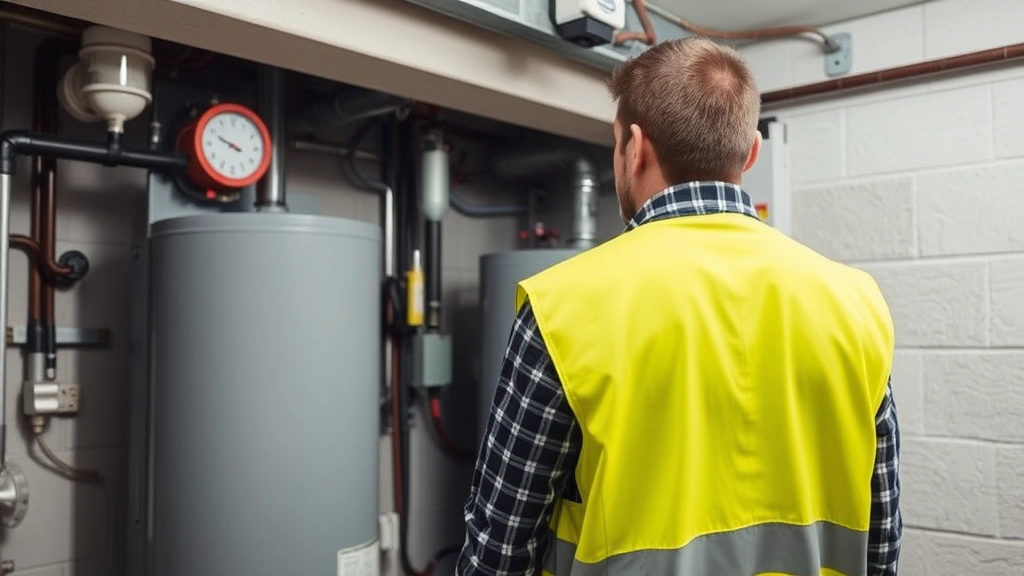
When performing natural gas water heater maintenance or inspections, coordinate timing with your alarm testing schedule. This comprehensive approach ensures all gas-related systems receive simultaneous evaluation, improving overall household safety efficiency.
Signs Your Alarm May Need Replacement
Several indicators suggest your natural gas alarm has reached end-of-life and requires immediate replacement. The most obvious sign is failure to sound during monthly testing. No matter how old the unit appears, any alarm that doesn’t activate during testing poses unacceptable safety risks and should be replaced immediately.
Age represents another critical factor. Units older than 7-10 years have likely experienced sensor degradation that reduces detection accuracy. Even if functioning during tests, older alarms may fail to detect actual gas leaks because sensor sensitivity has diminished below safe thresholds. Replacing aging alarms prevents this hidden vulnerability.
Frequent false alarms indicate sensor malfunction or environmental interference. While occasional false alarms occur from cooking steam or cleaning product fumes, regular false activations suggest the sensor has become oversensitized or contaminated. After ruling out environmental causes, replacement becomes necessary.
Physical damage, including cracks, water exposure, or corrosion, compromises alarm integrity and sensor function. Don’t attempt repairs on damaged units; replace them entirely. Visible deterioration suggests internal components have also degraded beyond reliable operation.
Loss of power indicator lights or inability to maintain battery charge indicates electrical system failure. These problems prevent the alarm from functioning when needed most. Immediate replacement ensures continuous protection.
Integrating with Home Safety Systems
Modern home safety ecosystems increasingly incorporate natural gas detection as a central component. Smart home platforms now offer integrated systems monitoring temperature, air quality, gas presence, and carbon monoxide levels simultaneously. This comprehensive approach provides holistic household safety management while reducing installation complexity.
Integration with professional monitoring services elevates protection to another level. When your natural gas alarm detects dangerous gas concentrations, the system automatically alerts a monitoring center, which contacts emergency services and household occupants. This automated response dramatically reduces response times compared to occupant-initiated calls.
Exploring green technology innovations in home safety reveals increasingly sophisticated detection and response systems. Modern detectors communicate with smart thermostats, potentially shutting down gas appliances automatically when leaks are detected, preventing escalation to dangerous levels.
Voice-activated assistant integration allows verbal status checks and alarm testing commands. Some systems provide real-time notifications about gas appliance operation, helping identify unusual consumption patterns that might indicate leaks. These interconnected systems create layered protection strategies far superior to standalone detectors.
Home insurance providers often offer premium reductions for properties with integrated safety systems. These discounts can offset equipment and installation costs within 2-3 years, providing tangible financial benefits alongside enhanced safety.
Cost Considerations and ROI
Investment in natural gas alarm systems ranges dramatically based on technology sophistication and installation requirements. Basic portable detectors cost $30-80, representing minimal investment for renters or those seeking temporary solutions. Mid-range hardwired units cost $200-500 installed, while comprehensive smart systems with professional monitoring run $400-1000 initially plus monthly monitoring fees.
When evaluating costs, consider that gas leak damage extends far beyond initial property damage. Medical expenses from gas inhalation injuries, temporary housing during repairs, and lost personal possessions can easily exceed $50,000. A single prevented incident justifies years of alarm system investment.
Insurance benefits provide significant financial incentives. Many homeowners insurance policies offer 5-15% premium reductions for properties with certified natural gas detection systems. For average homeowners paying $1000-2000 annually for insurance, these discounts translate to $50-300 yearly savings. A $500 hardwired system installation pays for itself within 2-5 years through insurance savings alone.
Rental properties benefit substantially from alarm system installation. Tenant safety improvements reduce liability exposure and potential lawsuit costs. Tenants increasingly expect gas detection systems as standard safety features, making installations valuable for tenant retention and satisfaction.
Professional installation costs $150-300 per unit but ensures proper placement, configuration, and integration with existing systems. DIY installation saves money but risks improper positioning and configuration that reduces effectiveness. For critical safety systems, professional installation represents worthwhile investment.
FAQ
How often should I test my natural gas alarm?
Test your natural gas alarm monthly using the built-in test button. This simple procedure takes seconds and confirms the alarm functions properly. Mark your calendar with a specific testing date to establish consistent habits. Annual professional inspection by certified technicians provides comprehensive evaluation beyond basic functionality testing.
Can I install a natural gas alarm myself?
Portable detectors require no installation beyond unpacking and positioning. Hardwired systems require electrical work best performed by licensed electricians to ensure code compliance and safety. Smart systems require WiFi configuration and sometimes professional installation for optimal integration with existing home networks.
What should I do if my natural gas alarm sounds?
Immediately evacuate the home without using electrical switches or creating spark sources that might ignite gas. Once outside, call emergency services from a safe distance. Never attempt to locate the leak yourself or re-enter the home. Wait for professional gas company technicians to inspect and clear the home before returning.
Do natural gas alarms require electricity?
Portable detectors operate on batteries. Hardwired alarms connect to household electrical systems with backup battery functionality. Smart alarms require both electrical power and WiFi connectivity. All systems should include backup power to function during electrical outages when gas safety becomes even more critical.
How accurate are natural gas alarms?
Modern alarms detect gas concentrations with high accuracy, typically within 5-10% of actual levels. However, sensor accuracy degrades over time, making regular testing and replacement critical. Professional-grade sensors offer superior accuracy compared to consumer-level detectors, though both types provide adequate household protection when properly maintained.
Can natural gas alarms detect carbon monoxide?
Standard natural gas alarms detect only methane and other combustible gases. Combination detectors sense both natural gas and carbon monoxide, providing comprehensive protection against multiple hazards. For homes using gas appliances, combination units offer excellent value and broader safety coverage.
What’s the difference between natural gas alarms and carbon monoxide detectors?
Natural gas alarms detect combustible gases like methane before they reach explosive concentrations. Carbon monoxide detectors identify a colorless, odorless toxic gas produced by incomplete combustion. Both systems serve distinct safety purposes and should be installed in homes using gas appliances. Combination units address both hazards simultaneously.


