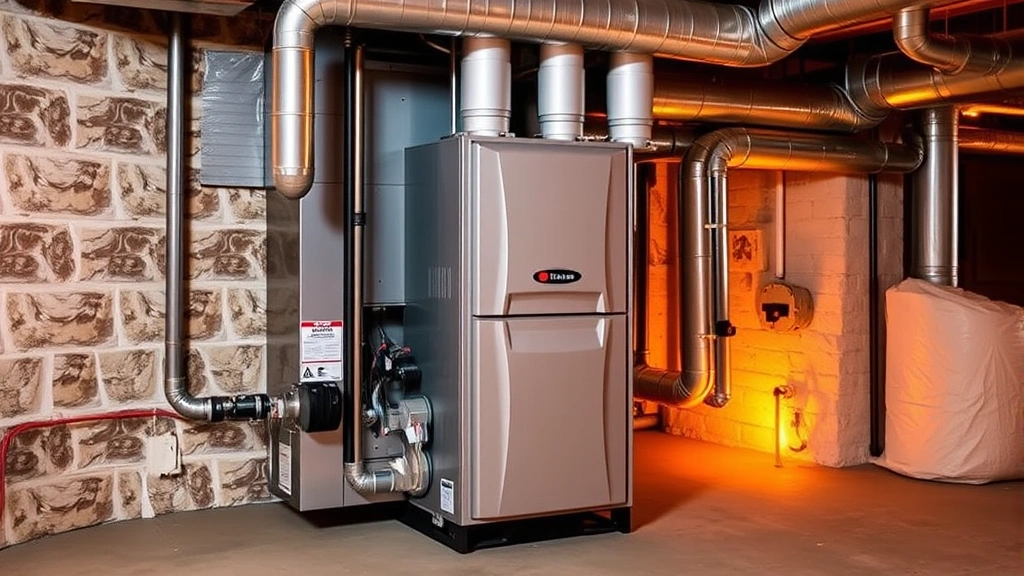
Are Natural Gas Heaters Eco-Friendly? Expert Insight
When winter temperatures drop, homeowners face a critical decision about heating their living spaces efficiently and responsibly. Natural gas heaters have long been a popular choice, offering reliable warmth and lower operating costs compared to electric alternatives. However, the environmental implications of natural gas heating deserve careful examination. As climate change accelerates and sustainability becomes increasingly important, understanding whether natural gas heaters align with eco-friendly living requires looking beyond surface-level convenience.
The question isn’t simply yes or no—it’s far more nuanced. Natural gas heating occupies a complex position in the renewable energy landscape. While it produces fewer emissions than coal or oil-based systems, it still contributes to greenhouse gas emissions and relies on fossil fuel extraction. This comprehensive guide explores the environmental impact of natural gas heaters, compares them to alternative heating solutions, and helps you make informed decisions about your home’s heating system.
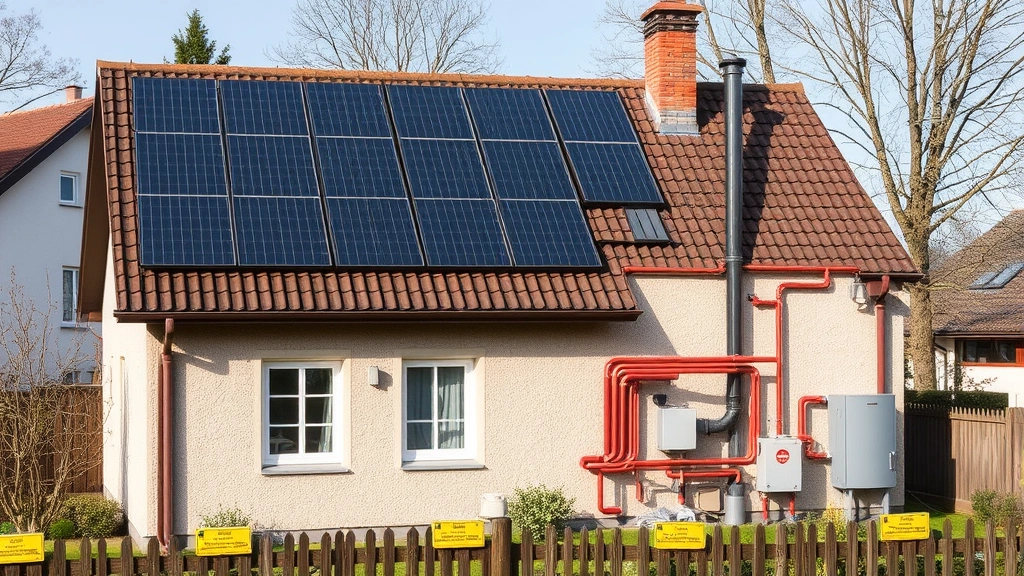
Understanding Natural Gas as a Heating Source
Natural gas is a fossil fuel composed primarily of methane, extracted from underground deposits through drilling and mining operations. It’s transported via pipeline networks to residential, commercial, and industrial users. In the United States, natural gas accounts for approximately 40% of residential heating, making it one of the most widely used heating sources in American homes.
The appeal of natural gas heating is straightforward: it’s relatively inexpensive, provides consistent heat output, and the infrastructure for delivery is already established in many communities. A natural gas heater operates by burning methane to generate heat, which is then distributed throughout your home via forced-air systems, radiators, or radiant heating. This direct combustion process is efficient, converting approximately 80-95% of the fuel’s energy into usable heat.
However, the “eco-friendly” label doesn’t naturally apply to fossil fuels. Understanding the complete lifecycle of natural gas—from extraction through combustion—is essential for evaluating its true environmental footprint. This includes methane leakage during extraction and transport, emissions from burning, and the finite nature of the resource itself.

Environmental Impact of Natural Gas Heaters
Natural gas heating presents several environmental concerns that warrant serious consideration. While it’s cleaner than coal or heating oil, it remains a carbon-intensive energy source with multiple environmental implications across its entire supply chain.
Greenhouse Gas Emissions: When natural gas burns, it produces carbon dioxide (CO₂), a primary greenhouse gas driving climate change. According to the EPA’s greenhouse gas overview, residential heating accounts for a significant portion of household carbon emissions. A typical household using natural gas for heating produces approximately 4-6 metric tons of CO₂ annually, depending on climate zone and usage patterns.
Methane Leakage: Perhaps more concerning than direct combustion emissions is methane leakage throughout the natural gas supply chain. Methane is 80-86 times more potent than CO₂ at trapping heat over a 20-year period, according to climate research. Leaks occur during extraction, processing, transportation, and distribution. Studies suggest 1-2% of natural gas escapes before reaching consumers, undermining the climate benefits of using it as a “cleaner” fossil fuel.
Extraction and Infrastructure Impact: Natural gas extraction requires drilling operations that disturb ecosystems, consume water resources, and can contaminate groundwater. Pipeline construction and maintenance also create environmental disruption. The infrastructure required to support natural gas heating contributes to habitat fragmentation and landscape degradation.
Air Quality Concerns: While natural gas burns cleaner than coal, combustion still produces nitrogen oxides (NOx) and other pollutants that contribute to poor air quality, particularly in urban areas. These emissions can trigger respiratory problems and exacerbate asthma in vulnerable populations.
Despite these concerns, natural gas remains significantly better than heating oil or coal from an emissions perspective. One unit of energy from natural gas produces roughly 40% fewer CO₂ emissions than coal and 20% fewer than heating oil. This comparative advantage explains why many environmental advocates view natural gas as a transitional fuel—acceptable in the short term but requiring replacement with truly renewable alternatives long-term.
Comparing Natural Gas to Alternative Heating Systems
To properly assess whether natural gas heaters are eco-friendly, comparing them to available alternatives provides crucial context. Each heating method carries distinct environmental implications and economic considerations.
Electric Heat Pumps: Modern heat pump technology represents one of the most environmentally promising heating solutions available today. Heat pumps move thermal energy rather than generating it through combustion, making them 200-400% efficient. The environmental impact depends entirely on your electricity grid’s energy mix. In regions powered by renewable sources, heat pumps are substantially cleaner than natural gas. Even in areas relying on fossil fuels for electricity, heat pumps typically produce fewer emissions than natural gas heaters. The U.S. Department of Energy increasingly recommends heat pumps as the superior heating choice.
Heating Oil: Heating oil is dirtier than natural gas, producing approximately 20% more CO₂ emissions per unit of energy. It also creates greater air pollution and poses higher risks of environmental contamination through spills. Natural gas is the clear winner in this comparison.
Electric Resistance Heating: Traditional electric baseboard heaters are 100% efficient at converting electricity to heat, but electricity generation often involves fossil fuels. Unless your grid is powered by renewables, electric resistance heating typically produces more emissions than natural gas. However, this calculation improves as grids transition to cleaner energy sources.
Biomass and Wood Heating: Wood pellet stoves and biomass heating systems can be carbon-neutral if using sustainably harvested wood. However, they produce indoor and outdoor air pollution and require careful management to prevent deforestation. They’re suitable for specific situations but not universally applicable.
Solar Thermal Systems: Solar heating systems use the sun’s energy directly, producing zero operational emissions. They require significant upfront investment and aren’t viable in all climates, but they represent the most eco-friendly option for suitable applications.
The comparison reveals that natural gas heating is a middle-ground solution—better than oil or coal but inferior to electric heat pumps powered by renewable energy or solar thermal systems. For those seeking to understand broader sustainability concepts, exploring the definition of sustainability helps contextualize these heating choices within larger environmental frameworks.
Learn more about whether natural gas is renewable to deepen your understanding of this fuel source’s limitations and future viability.
Efficiency Ratings and Modern Technology
If you’re committed to using natural gas heating, maximizing efficiency is critical for reducing environmental impact. Modern natural gas heaters are significantly more efficient than older systems, and understanding efficiency ratings helps you make responsible choices.
AFUE Ratings: Annual Fuel Utilization Efficiency (AFUE) measures what percentage of fuel energy actually heats your home. Older systems (pre-1990s) typically had AFUE ratings around 65-75%, meaning 25-35% of fuel energy was wasted. Modern high-efficiency natural gas heaters achieve 90-98% AFUE ratings. This substantial improvement means upgrading from an old system to a new efficient unit can reduce energy consumption and emissions by 25-35%.
Condensing Technology: High-efficiency condensing furnaces capture heat from exhaust gases that older systems release unused. This advanced technology recovers latent heat, significantly improving efficiency. Systems with condensing technology typically achieve AFUE ratings above 90%, substantially reducing fuel consumption and associated emissions.
Smart Controls and Thermostats: Programmable and smart thermostats allow precise temperature management, reducing unnecessary heating. Automated scheduling and remote control capabilities help prevent energy waste from overheating. These technologies can reduce heating energy consumption by 10-15% without sacrificing comfort.
System Maintenance: Regular maintenance of natural gas heating systems ensures optimal efficiency. Clean filters, proper ventilation, and annual professional inspections prevent efficiency degradation. Well-maintained systems operate at rated efficiency levels, while neglected systems can lose 5-15% efficiency over time.
If you’re exploring sustainable heating options, understanding sustainable energy solutions provides broader context for making environmentally responsible choices. Additionally, practical tips for saving energy at home complement heating system improvements with complementary efficiency measures.
Making Your Home More Sustainable
Whether you currently use a natural gas heater or are considering installing one, multiple strategies can reduce your heating environmental impact and transition toward truly sustainable practices.
Improve Insulation and Air Sealing: Before upgrading heating systems, optimize your home’s thermal envelope. Proper insulation, weatherstripping, and air sealing reduce heating demand significantly. Homes with excellent insulation may require 30-40% less heating energy than poorly insulated buildings. These improvements often provide excellent return on investment through reduced energy bills.
Upgrade to High-Efficiency Systems: If replacing an older natural gas heater, choosing a high-efficiency condensing unit (90%+ AFUE) substantially reduces emissions. While the upfront cost is higher than standard systems, energy savings typically pay for the premium within 5-10 years.
Plan a Transition to Heat Pumps: The most eco-friendly approach involves transitioning from natural gas to electric heat pumps. As electricity grids increasingly incorporate renewable sources, heat pumps become progressively cleaner. Many environmental experts recommend this transition as the priority heating upgrade for the coming decade. The American Council for an Energy-Efficient Economy provides detailed guidance on heat pump adoption.
Combine with Renewable Energy: Installing solar panels or subscribing to renewable energy programs through your utility provider reduces the emissions associated with any electric heating system. Many homeowners combine natural gas heating for backup with renewable-powered heat pumps as primary systems.
Behavioral Changes: Lowering thermostat settings by just 2-3 degrees reduces heating energy consumption by approximately 5-10%. Using programmable thermostats to maintain lower temperatures when home is unoccupied or during sleeping hours provides significant savings with minimal comfort impact.
Explore comprehensive sustainability blog content for additional strategies to reduce your household environmental impact across all areas of daily living. The SustainWise Hub Blog provides ongoing insights into making your home and lifestyle more environmentally responsible.
FAQ
Are natural gas heaters eco-friendly?
Natural gas heaters are moderately eco-friendly compared to oil and coal but fall short of truly sustainable options. They produce greenhouse gas emissions through combustion and methane leakage during extraction and transport. While better than fossil fuel alternatives, they’re inferior to electric heat pumps powered by renewable energy or solar thermal systems.
What’s the environmental impact of natural gas heating?
Natural gas heating produces CO₂ emissions during combustion and contributes to methane leakage throughout the supply chain. A typical household using natural gas heating generates 4-6 metric tons of CO₂ annually. The extraction and infrastructure required also impact ecosystems and water resources.
How do natural gas heaters compare to electric heat pumps?
Modern heat pumps are typically 200-400% efficient compared to natural gas heaters’ 80-95% efficiency. In regions with renewable electricity, heat pumps produce substantially fewer emissions. Even with fossil fuel-heavy grids, heat pumps often generate fewer emissions than natural gas. As grids transition to renewable sources, this advantage increases dramatically.
Can I make my natural gas heating more sustainable?
Yes, several strategies reduce impact. Upgrade to high-efficiency condensing furnaces (90%+ AFUE), improve home insulation and air sealing, install smart thermostats, and maintain systems regularly. The most effective long-term approach involves planning a transition to electric heat pumps as they become more accessible and affordable.
What’s the best eco-friendly heating system?
Solar thermal systems and electric heat pumps powered by renewable energy represent the most eco-friendly options. Heat pumps offer the best balance of efficiency, affordability, and environmental benefit for most households. As electricity grids incorporate more renewable sources, heat pumps become progressively cleaner.
Is natural gas renewable energy?
No, natural gas is a fossil fuel formed from ancient organic matter. It’s finite and non-renewable. While it can be produced from organic waste through anaerobic digestion, conventional natural gas is extracted from underground deposits and will eventually deplete. For comprehensive information, explore whether natural gas is renewable.
How much can I save by upgrading to a high-efficiency furnace?
Upgrading from an older system (65-75% AFUE) to a modern high-efficiency unit (90-98% AFUE) typically reduces heating costs by 25-35%. In cold climates with substantial heating needs, this translates to savings of $300-800 annually, with payback periods typically between 5-10 years.


