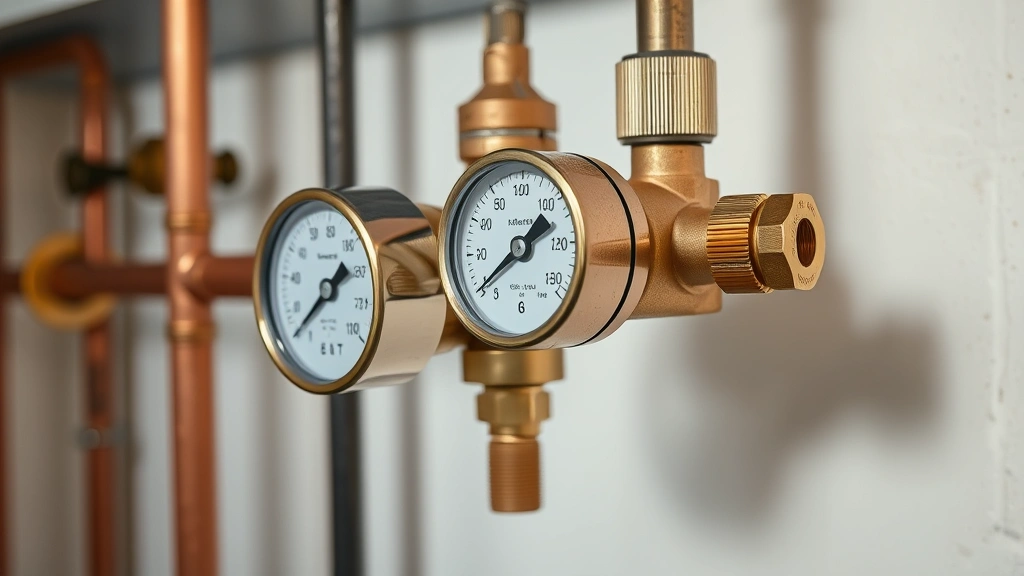
Natural Gas Regulator: Eco-Friendly Insights for Sustainable Energy Management
Natural gas regulators are critical components in modern energy infrastructure, yet their environmental impact and efficiency potential remain underexplored in sustainability discussions. These devices control gas pressure and flow rates, ensuring safe and efficient operation across residential, commercial, and industrial applications. Understanding how natural gas regulators function and their role in reducing emissions is essential for anyone committed to sustainable energy solutions.
As households and businesses seek ways to minimize their carbon footprint, the efficiency of gas delivery systems becomes increasingly important. A properly functioning natural gas regulator can prevent waste, reduce methane emissions, and optimize energy consumption. This comprehensive guide explores the environmental dimensions of natural gas regulators, their operational benefits, and how they contribute to a more sustainable energy future.
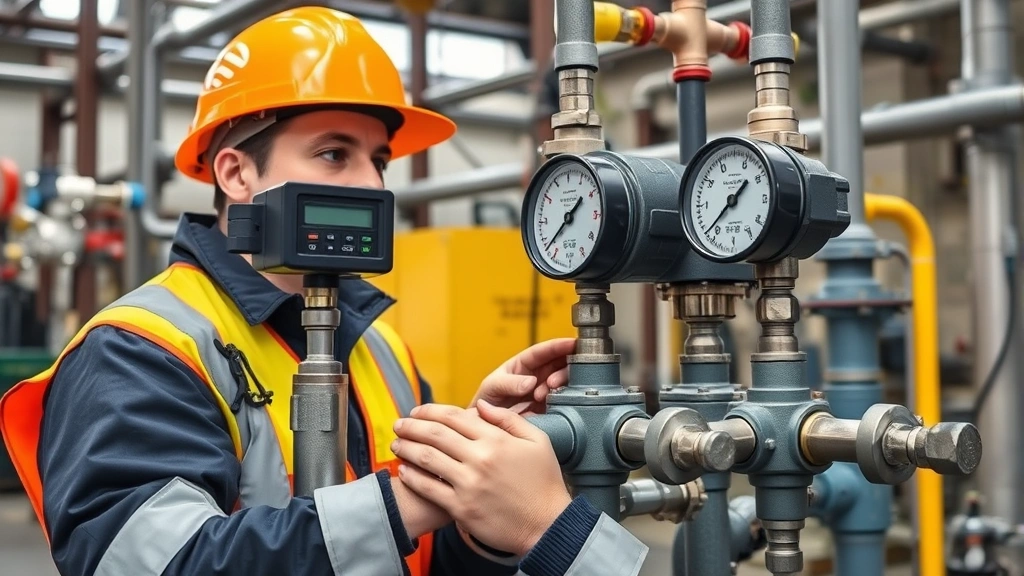
How Natural Gas Regulators Work
A natural gas regulator is a mechanical device that reduces high-pressure gas from distribution lines to lower, usable pressures for appliances and heating systems. The regulator maintains consistent outlet pressure despite fluctuations in inlet pressure, ensuring safe and reliable operation. This pressure reduction process is fundamental to preventing equipment damage and maintaining combustion efficiency across all gas-powered devices in your home or facility.
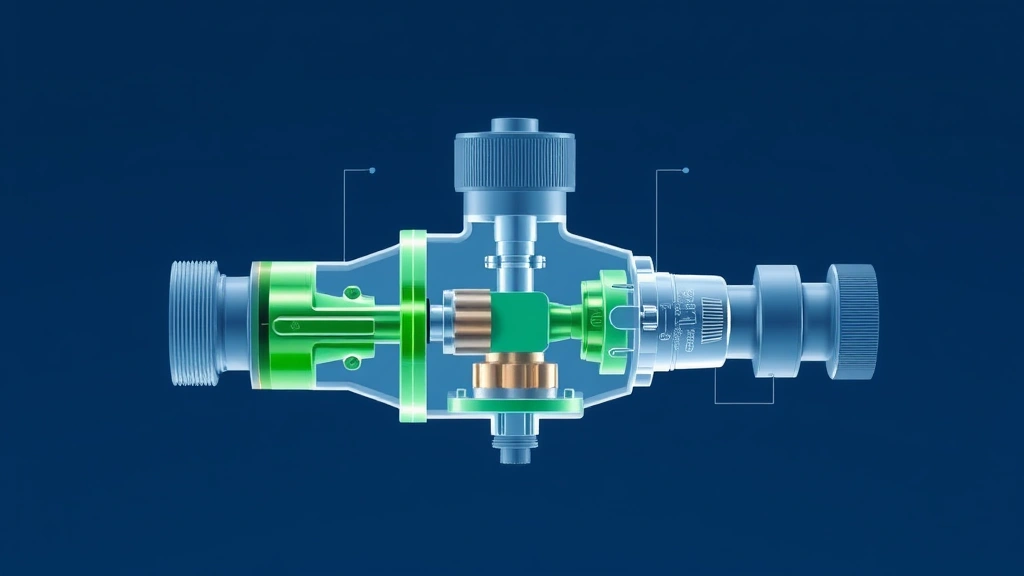
The primary mechanism involves a diaphragm or piston that responds to downstream pressure changes. When pressure drops below the set point, the regulator opens to allow more gas flow; when pressure rises above the set point, it restricts flow. This automatic adjustment prevents pressure spikes that could damage appliances and ensures that devices like your natural gas patio heater or furnace operate at their designed specifications. Modern regulators incorporate advanced sealing materials that minimize gas leakage, contributing to environmental protection.
Different regulator types serve different purposes. First-stage regulators reduce pressure from transmission lines to distribution levels, while second-stage regulators further reduce pressure for individual appliances. Specialty regulators are designed for specific applications, including those used in natural gas detector systems that monitor safety. Each type plays a crucial role in the overall efficiency of gas delivery infrastructure.
Environmental Impact of Gas Regulators
The environmental significance of natural gas regulators extends beyond their direct operation. Inefficient or leaking regulators contribute to methane emissions, a greenhouse gas approximately 25-28 times more potent than carbon dioxide over a 100-year period. Even small leaks in regulator seals can result in significant cumulative emissions when multiplied across millions of installations. This makes regulator maintenance and upgrade critical components of climate action strategies.
Natural gas infrastructure accounts for a substantial portion of methane emissions in developed nations. According to the EPA’s Natural Gas System Emissions data, transmission and distribution losses represent a significant environmental concern. Properly maintained and modern natural gas regulators can reduce these losses substantially. When regulators function optimally, they prevent unnecessary venting, minimize leakage, and ensure that gas is delivered efficiently to end-users.
The manufacturing and disposal of regulators also carries environmental considerations. Modern sustainable regulator designs emphasize recyclable materials, reduced manufacturing emissions, and longevity. By investing in high-quality regulators that last longer and perform more efficiently, consumers and businesses reduce the environmental cost of replacement cycles. This aligns with broader principles of green technology innovations that prioritize resource efficiency and waste reduction.
Additionally, efficient natural gas regulators support the transition to cleaner energy by enabling natural gas to serve as a bridge fuel. While renewable energy infrastructure develops, natural gas with optimized delivery systems produces fewer emissions than coal or oil alternatives. Every improvement in regulator efficiency contributes to measurable reductions in the overall carbon intensity of energy systems.
Efficiency Standards and Eco-Certifications
International standards and certifications guide the selection of environmentally responsible natural gas regulators. The American Society of Mechanical Engineers (ASME) establishes performance standards that directly impact environmental outcomes. Regulators meeting ASME B16.34 standards demonstrate reliability, safety, and efficiency characteristics that reduce operational waste and emissions.
Third-party certifications provide additional assurance of environmental performance. The Energy Star program identifies efficient equipment that meets strict environmental standards. While not all regulators carry Energy Star certification, those that do represent the highest efficiency tier available. Look for regulators with low bleed rates, meaning minimal gas escapes during operation. Manufacturers increasingly provide detailed specifications about leakage rates, allowing consumers to make informed choices.
ISO 6149 and similar international standards ensure that regulators maintain consistent pressure control with minimal drift, preventing efficiency losses. Regulators that maintain tighter pressure tolerances reduce the need for appliances to compensate with higher gas consumption. This precision engineering translates directly into lower energy bills and reduced environmental impact. When selecting regulators for replacement or new installations, prioritizing certified models ensures compliance with evolving environmental regulations.
Industry certifications also reflect commitment to sustainable manufacturing practices. Manufacturers pursuing ISO 14001 environmental management certification demonstrate dedication to reducing their own operational impact. This includes minimizing waste during production, using environmentally friendly materials, and implementing responsible supply chain practices. Choosing regulators from certified manufacturers supports the broader sustainability movement.
Choosing Sustainable Gas Regulator Solutions
Selecting the right natural gas regulator requires understanding your specific needs and environmental priorities. For residential applications, consider regulators with adjustable outlet pressure settings, allowing optimization for different seasonal demands. Spring-loaded designs offer reliability and consistent performance without electronic components that require power or replacement. Diaphragm-type regulators typically provide better performance for variable-demand applications common in residential settings.
Evaluate materials used in regulator construction. Brass and stainless steel components resist corrosion and degradation, extending service life and reducing replacement frequency. Sealing materials matter significantly; modern elastomers and composites provide superior leak prevention compared to older rubber components. Regulators featuring metal-seated designs offer excellent longevity and environmental performance, though they may have slightly higher initial costs offset by extended service life.
For those exploring energy alternatives, understanding how regulators fit into broader sustainable strategies is valuable. While advantages of electric vehicles often dominate sustainability conversations, optimizing existing natural gas infrastructure remains important during the energy transition. Upgrading to efficient regulators can reduce emissions from current systems while renewable energy and electrification develop further.
Commercial and industrial applications benefit from advanced regulator technologies including pilot-operated designs that maintain precise pressure control across wide flow ranges. These sophisticated regulators prevent energy waste in systems with fluctuating demands. Installing high-quality regulators in commercial settings often qualifies for utility rebates and tax incentives, reducing the financial barrier to upgrading to more efficient models.
Integration with Home Safety Systems
Natural gas regulators work synergistically with safety detection systems to create comprehensive protection. A properly functioning regulator maintains safe operating pressures that allow natural gas detectors for homes to operate within their design parameters. When regulator pressure drifts too high, it can affect detector sensor performance. When pressure drops too low, appliances may not ignite properly, increasing unburned gas in the home.
Integration with smart home systems represents an emerging opportunity for environmental optimization. Advanced monitoring systems can track regulator performance and alert homeowners to potential issues before they become serious. Early detection of pressure drift or minor leaks enables prompt maintenance, preventing significant emissions. Some modern systems provide real-time data on gas consumption patterns, helping users identify opportunities for efficiency improvements.
Combination systems featuring regulators with integral safety shutoff valves provide enhanced protection while improving environmental outcomes. These integrated designs reduce the number of connection points where leaks might occur. They also simplify installation and maintenance, reducing the likelihood of improper assembly that could compromise efficiency. Professional installation by certified technicians ensures all components work together optimally.
Maintenance for Optimal Performance
Regular maintenance is essential for maximizing the environmental benefits of natural gas regulators. Annual inspections by qualified technicians can identify pressure drift, seal degradation, or other issues before they significantly impact efficiency. Many utility companies offer free or subsidized inspection services as part of energy conservation programs. These inspections provide baseline data for tracking long-term performance.
Cleaning and adjustment procedures vary by regulator type but generally involve checking outlet pressure accuracy and inspecting seals for deterioration. Sediment or debris accumulation can impair regulator function; flushing the system removes accumulated particles. Proper adjustment ensures the regulator maintains its set point without creeping, which occurs when outlet pressure gradually increases over time. Correcting creep can recover 5-10% efficiency in some cases.
Seal replacement represents a critical maintenance task. Modern regulator seals last longer than older designs, but they eventually degrade from pressure cycling and temperature exposure. Replacing seals before they fail prevents leakage that would otherwise go unnoticed until significant emissions accumulate. Many regulators feature serviceable designs allowing seal replacement without replacing the entire unit, reducing waste and costs.
Documentation of maintenance activities helps track regulator performance over time. Keeping records of adjustments, repairs, and replacement parts enables identification of trends. If a regulator requires increasingly frequent maintenance, replacement may be more economical and environmentally sensible than continued repair. Modern regulators incorporating improved materials often provide better performance than older units, even after accounting for manufacturing emissions.
Frequently Asked Questions
What is the typical lifespan of a natural gas regulator?
Quality natural gas regulators typically last 10-15 years with proper maintenance. High-quality commercial-grade regulators may exceed 20 years. Lifespan depends on installation quality, maintenance frequency, water content in the gas supply, and operating conditions. Regular inspections help identify when replacement becomes necessary. Upgrading to modern efficient regulators before failure prevents emergency situations and allows planned installation by professionals.
How often should natural gas regulators be inspected?
Annual inspections are recommended for most residential installations. Commercial and industrial applications may benefit from semi-annual inspections, particularly in demanding environments. Some utility companies mandate inspections at specific intervals. After any repair work on the gas system or following suspected leaks, immediate inspection is prudent. Inspection intervals may increase for older regulators or those in harsh conditions.
Can a faulty regulator increase gas consumption?
Yes, faulty regulators can significantly increase gas consumption. Pressure creep causes regulators to allow higher-than-intended gas flow, forcing appliances to consume more fuel. Leaking regulators waste gas that never reaches end-use. Improper adjustment or seal degradation can each result in 10-20% consumption increases. Correcting regulator faults often provides quick payback through reduced energy bills, making maintenance a financially and environmentally sound investment.
Are there eco-friendly regulator alternatives?
While natural gas regulators themselves are mechanical devices without inherently “eco-friendly” variations, choosing efficient models and maintaining them properly represents the most sustainable approach. For those seeking alternatives to natural gas entirely, exploring renewable heating systems or electrification options aligns with long-term climate goals. However, for existing natural gas systems, optimizing regulators provides immediate environmental benefits.
How do regulators contribute to reducing methane emissions?
Efficient regulators minimize leakage through superior sealing and maintain precise pressure control that prevents unnecessary venting. Regulators with low bleed rates allow minimal gas to escape during operation. Proper pressure maintenance prevents appliances from compensating with excessive gas consumption. Across millions of installations, these improvements aggregate to meaningful methane emission reductions. Upgrading older regulators to modern efficient models specifically targets methane loss reduction.
What certifications indicate a high-quality sustainable regulator?
Look for regulators meeting ASME B16.34 standards and ISO 6149 specifications. Manufacturers with ISO 14001 environmental certification demonstrate commitment to sustainable practices. While Energy Star does not specifically certify gas regulators, products from Energy Star-certified manufacturers often reflect high efficiency standards. Third-party testing reports showing low bleed rates and tight pressure control indicate superior environmental performance. Consulting with utility companies or professional installers helps identify certified models appropriate for your application.


