Is a Natural Gas Water Heater Eco-Friendly? Facts and Sustainable Alternatives
When it comes to home energy consumption, water heating represents one of the largest expenses for most households, accounting for approximately 17-25% of residential energy use. Many homeowners face the question: is a natural gas water heater eco-friendly? The answer is nuanced and requires examining both the environmental impact of natural gas extraction and combustion, as well as comparing it to alternative heating technologies. Understanding these factors helps you make an informed decision that aligns with your sustainability goals and household needs.
Natural gas water heaters have long been a standard choice in North America due to their relatively low operating costs and efficiency compared to traditional electric resistance heating. However, the environmental implications extend beyond just the appliance itself. From methane emissions during extraction and transportation to carbon dioxide released during combustion, natural gas heating carries a carbon footprint that warrants careful consideration. This comprehensive guide explores whether natural gas water heaters deserve a place in eco-conscious homes and what alternatives might better serve your environmental objectives.
Natural Gas Water Heater Carbon Footprint
The carbon footprint of a natural gas water heater encompasses multiple stages: extraction, processing, transportation, installation, and operation. During the operational phase, which spans 10-15 years for most units, a typical household’s natural gas water heater produces approximately 2-3 metric tons of carbon dioxide equivalent annually. This calculation includes direct emissions from combustion as well as upstream emissions from extraction and delivery infrastructure.
When you compare this to electric resistance water heaters powered by coal-heavy grids, natural gas appears more favorable. However, the story becomes more complex when you consider regional electricity grids increasingly powered by renewable energy sources. In regions with cleaner power generation, electric heat pump water heaters can dramatically outperform natural gas alternatives in terms of overall lifecycle emissions.
Manufacturing emissions also contribute to the total carbon footprint. A new natural gas water heater requires energy-intensive steel production, copper wiring, and various electronic components. These embodied emissions typically account for 5-10% of the total lifecycle emissions, meaning the operational phase dominates environmental impact calculations.
Environmental Impact of Natural Gas Extraction
Before natural gas reaches your home’s water heater, it must be extracted from underground reserves through hydraulic fracturing or conventional drilling. The extraction process raises significant environmental concerns, including water contamination risks, habitat disruption, and fugitive methane emissions. According to the EPA, methane leakage from natural gas systems represents a substantial climate concern due to methane’s potent greenhouse gas potential.
Hydraulic fracturing, commonly called fracking, involves injecting high-pressure liquid into rock formations to release natural gas. This process consumes enormous quantities of water—up to 5 million gallons per well—and can potentially contaminate groundwater aquifers if safeguards fail. The wastewater produced contains chemicals, salts, and naturally occurring radioactive materials that require careful management and disposal.
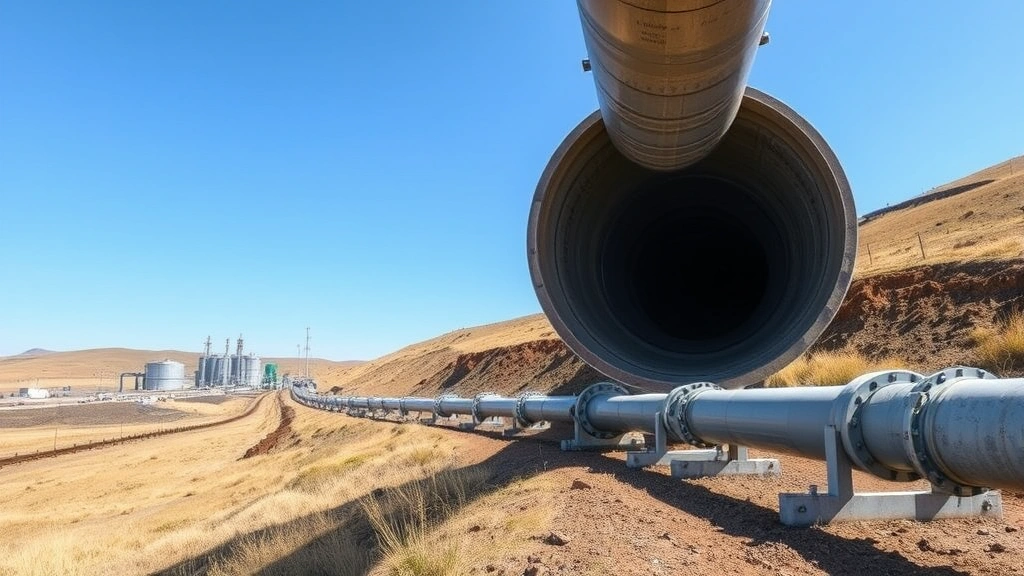
Once extracted, natural gas travels through extensive pipeline networks spanning thousands of miles. These pipelines experience regular leaks, with studies indicating that 2-3% of produced gas escapes into the atmosphere during transmission and distribution. For a fuel already containing carbon, these methane losses amplify the climate impact significantly since methane traps approximately 25-28 times more heat than carbon dioxide over a 100-year period.
The infrastructure supporting natural gas delivery also fragments landscapes, affecting wildlife corridors and ecosystem connectivity. Compressor stations, processing facilities, and storage infrastructure create industrial footprints in previously undisturbed areas, contributing to habitat loss and fragmentation that threatens biodiversity.
Efficiency Comparison with Other Technologies
Understanding efficiency ratings helps contextualize how natural gas water heaters compare to alternatives. The Energy Factor (EF) rating measures how efficiently an appliance converts energy into hot water. Standard natural gas water heaters typically achieve EF ratings between 0.55-0.65, meaning approximately 55-65% of the fuel’s energy actually heats water, with the remainder lost as exhaust.
Tankless natural gas water heaters offer slightly better efficiency, reaching EF ratings of 0.80-0.85 by eliminating standby losses from storing hot water. However, they still rely on fossil fuel combustion and carry the same upstream extraction and transportation impacts. When exploring sustainable energy solutions, efficiency alone doesn’t guarantee environmental friendliness if the underlying fuel source remains carbon-intensive.
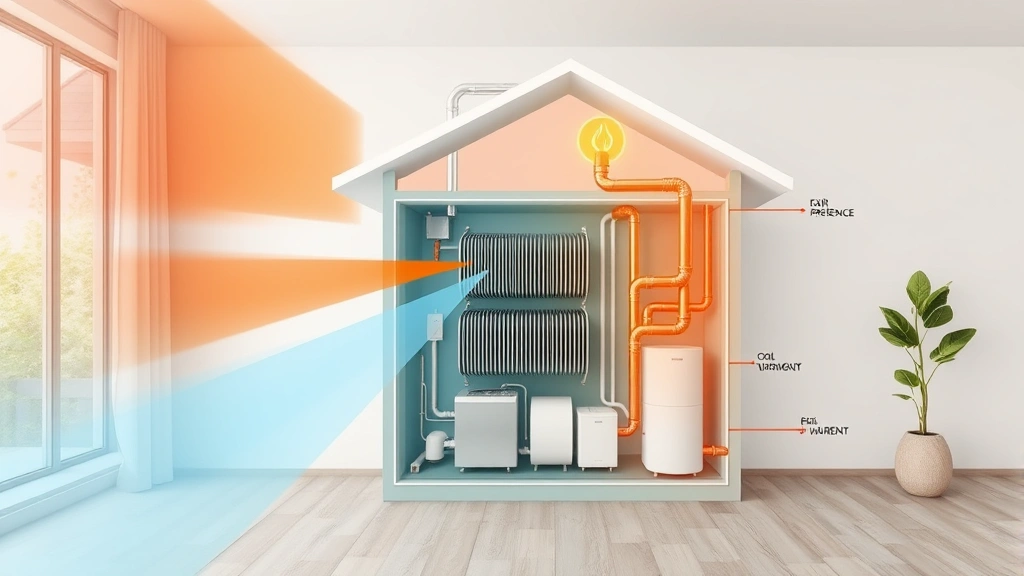
Electric resistance water heaters achieve EF ratings around 0.90-0.95 but consume substantial electricity, making them environmentally problematic in coal-dependent regions. Heat pump water heaters represent a significant efficiency leap, delivering EF ratings of 2.0-3.5 by extracting thermal energy from surrounding air or ground rather than generating heat directly. This superior efficiency means a heat pump water heater uses 50-75% less electricity than conventional electric models.
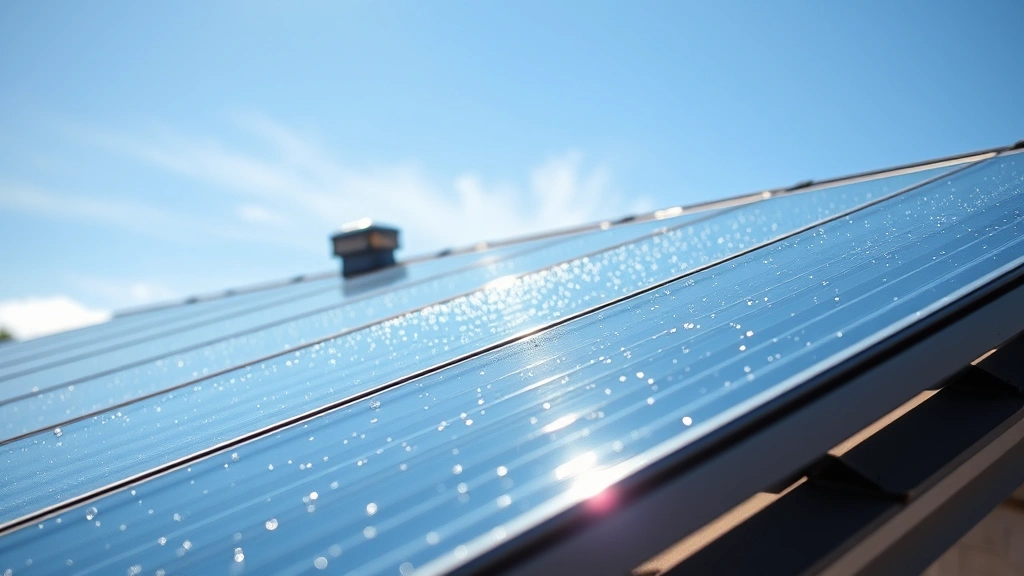
Solar thermal water heaters offer the lowest operational emissions, leveraging free renewable energy from the sun. These systems typically provide 50-80% of annual hot water needs, with backup heating required during cloudy periods or winter months. While initial costs remain higher than conventional options, solar systems produce zero operational emissions and provide decades of clean energy generation.
Methane Emissions and Climate Impact
Methane represents the most significant environmental concern associated with natural gas water heaters. While carbon dioxide from combustion accounts for roughly 80% of direct emissions, methane leakage throughout the supply chain amplifies the overall climate impact dramatically. Research from NOAA indicates that atmospheric methane concentrations have risen sharply, with fossil fuel systems representing a major contributor.
When calculating global warming potential over a 20-year period—a relevant timeframe for climate action urgency—methane’s impact becomes even more pronounced. A single natural gas water heater operating for two decades may contribute the climate-equivalent of several tons of carbon dioxide when accounting for methane leakage. This underscores why examining whether natural gas qualifies as renewable matters for long-term climate strategies.
The methane issue particularly affects low-income communities and environmental justice concerns, as fossil fuel infrastructure disproportionately concentrates in neighborhoods with less political power to resist industrial development. Residents near natural gas facilities face elevated health risks from air pollution while bearing climate risks equally with everyone else, creating significant equity concerns.
Addressing methane emissions requires systematic improvements across the entire natural gas supply chain. Detecting and repairing leaks, upgrading aging infrastructure, and transitioning away from fossil gas represent essential strategies. Individual homeowners choosing alternative heating technologies contribute to reducing demand that perpetuates methane-intensive infrastructure.
Sustainable Water Heating Alternatives
Several low-carbon alternatives to natural gas water heaters exist, each with distinct advantages and limitations based on your climate, budget, and circumstances. Understanding these options empowers you to select the most appropriate solution for your specific situation.
Heat Pump Water Heaters represent the most accessible low-carbon alternative for most homeowners. These units extract thermal energy from surrounding air or ground, requiring only electricity to move heat rather than generate it. In moderate to warm climates, air-source heat pump water heaters achieve exceptional efficiency with minimal electricity consumption. Ground-source systems offer superior performance but require significant installation investment and space for ground loops.
Solar Thermal Systems harness renewable energy directly from the sun through collectors mounted on roofs or ground. These systems excel in sunny climates and typically provide 50-80% of annual hot water needs. Backup heating, usually provided by an electric element or heat pump, handles cloudy periods and winter demands. While upfront costs exceed conventional systems, federal tax credits and long-term energy savings make solar increasingly economically attractive.
Hybrid Systems combine heat pump and solar technologies or integrate heat pump water heaters with existing solar photovoltaic systems. These approaches maximize renewable energy utilization while maintaining reliability through multiple heating sources. Smart controls optimize when each heating method operates, balancing efficiency and comfort.
Drain Water Heat Recovery systems capture thermal energy from wastewater leaving your home, preheating incoming cold water before it reaches the water heater. This passive technology requires no electricity and reduces heating demand by 20-35%, making it an excellent complement to any heating technology.
For those currently using natural gas, transitioning to heat pump water heaters offers the most practical pathway toward lower emissions. This approach aligns with broader strategies for reducing your environmental footprint while maintaining hot water reliability and comfort.
Reducing Your Water Heater Impact
If you currently own a natural gas water heater and cannot immediately replace it, several strategies minimize environmental impact while you plan for transition to cleaner alternatives. These practical approaches deliver meaningful emission reductions without requiring capital investment.
Temperature Adjustment represents the simplest intervention. Lowering your water heater temperature from the standard 140°F to 120°F reduces energy consumption by approximately 6-10% while maintaining adequate hot water for most household tasks. This adjustment also improves safety by reducing scalding risks, particularly for children and elderly residents.
Insulation Enhancement minimizes standby losses from tank water heaters. Adding an insulating blanket around your tank reduces heat loss by 25-45%, translating to 4-7% energy savings. Pipe insulation on hot water lines prevents heat loss during distribution, ensuring more hot water reaches your fixtures before cooling occurs.
Maintenance Optimization preserves efficiency over time. Annual flushing removes sediment buildup that reduces heat transfer efficiency. Regular inspection of pipes, connections, and the tank itself identifies leaks early, preventing water waste and unnecessary reheating demands.
Usage Patterns significantly influence water heating energy consumption. Installing low-flow showerheads and faucet aerators reduces hot water demand by 25-60% without sacrificing comfort. Fixing leaks promptly prevents continuous reheating of wasted water. Washing clothes in cold water and running full loads in dishwashers maximizes efficiency per unit of hot water used.
These incremental improvements, while not eliminating fossil fuel dependence, bridge the gap until you can transition to sustainable alternatives. They also establish conservation habits that benefit any future heating system you adopt.
FAQ
Are natural gas water heaters more eco-friendly than electric water heaters?
In most regions with increasingly renewable electricity, heat pump water heaters powered by the grid produce lower lifecycle emissions than natural gas models. However, in coal-dependent regions, the comparison becomes more favorable toward natural gas. The best approach examines your local electricity grid composition and considers transitioning to renewable energy sources simultaneously with upgrading water heating technology.
How long do natural gas water heaters typically last?
Standard natural gas tank water heaters last 8-12 years with proper maintenance, while tankless models may reach 15-20 years. Longevity depends on water quality, maintenance frequency, and usage patterns. Hard water accelerates sediment buildup and corrosion, reducing lifespan significantly.
What is the upfront cost difference between natural gas and alternative water heaters?
Natural gas tank models cost $400-800, while heat pump water heaters range from $1,200-2,500. Solar thermal systems cost $2,500-4,500 before incentives. However, federal tax credits, state rebates, and energy savings typically recover these investment differences within 5-10 years.
Can I convert my natural gas water heater to solar?
Yes, solar thermal systems can replace or supplement existing natural gas water heaters. A professional assessment determines roof orientation, shading, and structural capacity. Most conversions maintain backup heating for reliability, often using electric elements or heat pumps rather than natural gas.
Do heat pump water heaters work in cold climates?
Air-source heat pump water heaters perform less efficiently in very cold climates but remain functional. Ground-source systems maintain superior performance year-round. Hybrid systems combining heat pump operation with electric backup elements ensure reliable hot water during extreme cold periods.
What certifications should I look for in eco-friendly water heaters?
Look for ENERGY STAR certification, which identifies models meeting strict efficiency standards. The Consortium for Energy Efficiency (CEE) provides additional performance tiers. For solar systems, Solar Energy Industries Association (SEIA) certification ensures quality installation and equipment.
The answer to whether natural gas water heaters qualify as eco-friendly is ultimately no—they remain fossil fuel dependent with significant upstream emissions and methane leakage concerns. While more efficient than older electric resistance heaters in some contexts, natural gas water heaters perpetuate dependence on finite resources and climate-damaging infrastructure. The clear pathway forward involves transitioning to heat pump, solar, or hybrid systems that leverage renewable energy and vastly superior efficiency. For homeowners currently using natural gas, immediate actions like temperature adjustment and insulation improvements reduce impact while planning the transition to sustainable alternatives. As electricity grids increasingly incorporate renewable generation and clean heating technologies become more affordable, the environmental case for natural gas water heaters continues weakening. Your choice today influences not only your household emissions but also market demand signals that accelerate or delay the clean energy transition affecting all communities.


