NY Electric & Gas: Building a Sustainable Energy Future?
New York State stands at a critical juncture in its energy transformation. With ambitious climate goals and increasing pressure to decarbonize, the state’s electric and gas infrastructure faces unprecedented scrutiny and opportunity. The question isn’t whether New York will transition to cleaner energy—it’s how quickly and effectively the state can modernize its grid while maintaining affordability and reliability for millions of residents and businesses.
The energy landscape in New York is shifting dramatically. Traditional fossil fuel-based systems are being challenged by renewable energy mandates, evolving consumer preferences, and technological breakthroughs. Understanding the current state of New York’s electric and gas sectors provides crucial insight into the sustainability challenges ahead and the innovative solutions emerging to address them.
New York’s Energy Infrastructure Today
New York State’s energy system serves over 20 million people and represents one of the nation’s most complex and interconnected grids. The state generates electricity through a diverse mix of sources, including nuclear power, hydroelectric facilities, natural gas plants, and increasingly, wind and solar installations. However, this diversity masks underlying challenges in sustainability and climate impact.
The state’s electric utilities, primarily Consolidated Edison (Con Edison) in New York City and the surrounding areas, and the New York Independent System Operator (NYISO), manage intricate networks that must balance supply and demand across multiple regions. These utilities are responsible for delivering reliable power while simultaneously meeting stringent environmental regulations and climate commitments.
Natural gas remains a significant component of New York’s energy portfolio, representing approximately 40-45% of the state’s electricity generation. This dependence on fossil fuels creates a sustainability challenge that state policymakers and energy providers must address. The infrastructure supporting natural gas delivery—including pipelines, distribution networks, and storage facilities—represents substantial capital investment that must be reconciled with climate objectives.
Understanding the role of whether natural gas is renewable or nonrenewable is essential for evaluating New York’s energy strategy. While natural gas produces fewer emissions than coal, it remains a fossil fuel with significant climate implications.

Renewable Energy Goals and Progress
New York State has established one of the nation’s most ambitious renewable energy targets. The state’s Climate Leadership and Community Protection Act (CLCPA), enacted in 2019, mandates that the state achieve 100% zero-emission electricity by 2040. This landmark legislation requires 70% renewable energy by 2030 and 85% reduction in greenhouse gas emissions economy-wide by 2050.
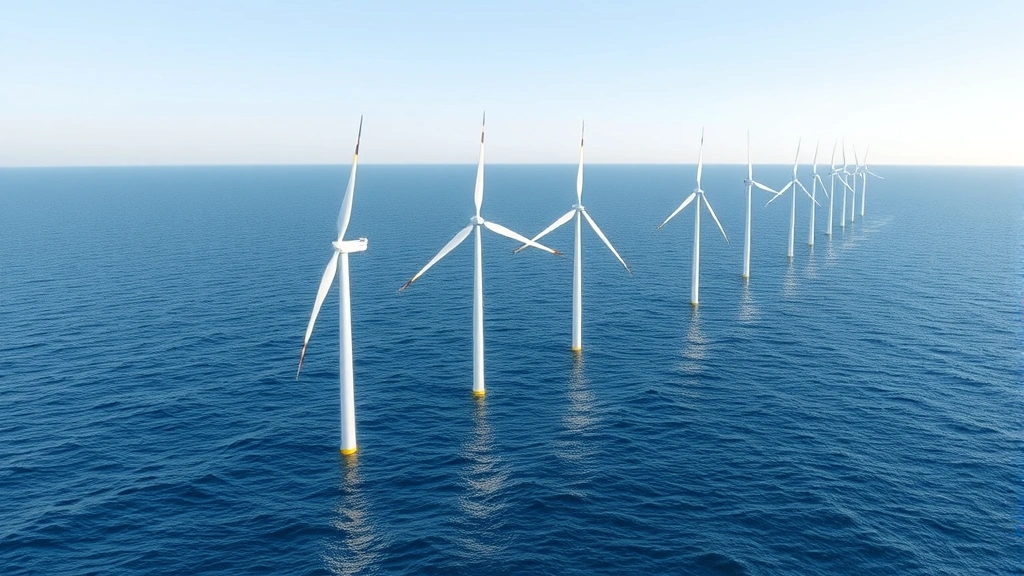
These goals represent a fundamental reimagining of New York’s energy future. To achieve them, the state must dramatically accelerate the deployment of wind farms, solar installations, and other renewable technologies. Offshore wind development in the Atlantic Ocean has emerged as a critical component, with New York targeting 9,000 megawatts of offshore wind capacity by 2035.
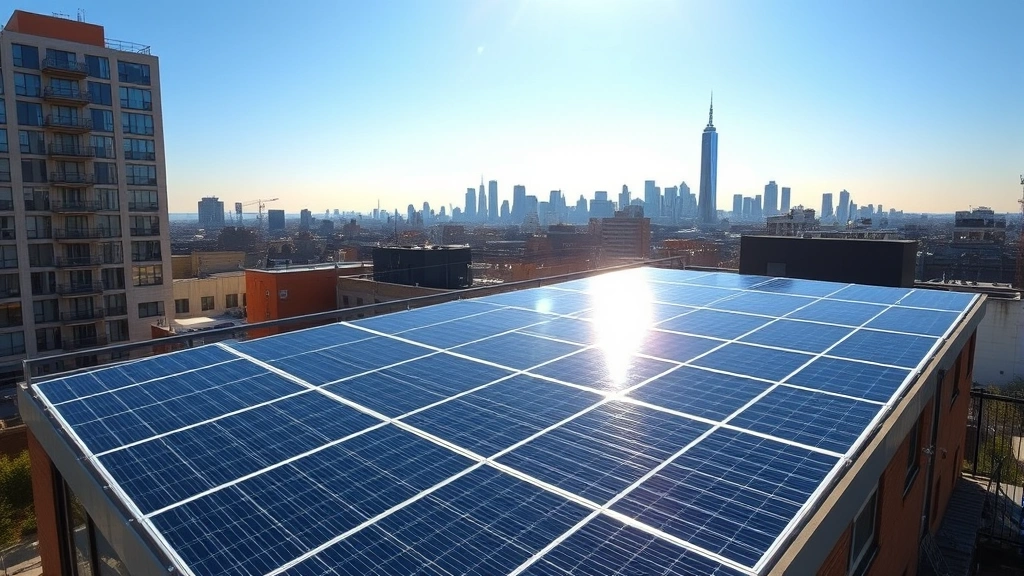
Solar energy has experienced explosive growth across New York, with residential rooftop installations expanding significantly due to falling equipment costs and state incentive programs. The state’s sustainable energy solutions framework includes tax credits, rebate programs, and community solar initiatives that democratize access to renewable energy benefits.
Hydroelectric power continues to provide substantial clean energy, with facilities throughout the state generating roughly 20-25% of New York’s electricity. However, maximizing this resource while respecting environmental concerns about river ecosystems and water management remains an ongoing challenge. Battery storage technology is becoming increasingly important for managing the intermittency of wind and solar resources.
Progress toward these renewable goals has been mixed. While renewable capacity has grown, the state faces challenges in interconnecting new generation to the grid, permitting new facilities, and financing the massive infrastructure investments required. The path to 2040 demands sustained political commitment and continued technological innovation.
The Natural Gas Transition Challenge
Perhaps the most contentious aspect of New York’s energy transition involves natural gas infrastructure. The state has extensive natural gas distribution networks serving millions of customers for heating, cooking, and electricity generation. Unlike electricity, which can be generated from various sources and transmitted through the grid, natural gas infrastructure is largely dedicated to fossil fuel delivery.
The transition away from natural gas presents both technical and economic challenges. Replacing gas heating systems in existing buildings requires retrofitting with heat pumps, electric resistance heating, or other alternatives. This massive undertaking involves substantial costs, supply chain challenges, and disruption to buildings and residents. New York’s building stock—much of it over 50 years old—makes this transition particularly complex.
The state has begun phasing out gas connections in new construction and encouraging building electrification in existing structures. However, utilities have financial incentives to maintain and expand gas infrastructure, creating tensions between energy companies’ business models and climate objectives. Some environmental advocates argue that continued investment in gas infrastructure locks in fossil fuel dependency for decades.
Understanding the broader context of natural gas as a nonrenewable resource underscores why this transition is essential. While sometimes portrayed as a “bridge fuel,” natural gas cannot support long-term sustainability goals.
Methane emissions from gas distribution networks represent another environmental concern often overlooked in climate discussions. Leaks from pipes and equipment release methane, a greenhouse gas over 80 times more potent than carbon dioxide over a 20-year period. Addressing these leaks requires systematic upgrades to aging infrastructure.
Grid Modernization and Smart Technology
Achieving New York’s renewable energy goals depends critically on modernizing the electrical grid to accommodate distributed generation, manage variable renewable sources, and enable two-way power flows. Smart grid technology, advanced sensors, and artificial intelligence are essential components of this transformation.
The New York Independent System Operator has invested in sophisticated forecasting tools to predict wind and solar generation, helping balance supply and demand in real time. Battery storage systems, both utility-scale and distributed, provide flexibility to manage the mismatch between when renewable energy is generated and when it’s consumed.
Demand response programs encourage consumers to adjust electricity consumption during peak periods, reducing the need for fossil fuel-based peak generation plants. These programs have grown substantially, with thousands of businesses and hundreds of thousands of residential customers participating. Smart meters and time-of-use pricing incentivize consumption during periods of abundant renewable generation.
The integration of electric vehicles into the grid presents both challenges and opportunities. As transportation electrifies, electricity demand will increase significantly. However, vehicle batteries can also serve as distributed storage resources, supporting grid stability when properly managed through smart charging protocols.
Microgrids and distributed energy resources—including rooftop solar, battery storage, and combined heat and power systems—are becoming more prevalent, particularly in urban areas. These systems enhance resilience and can operate independently if the main grid experiences disruptions, an increasingly important consideration as climate change intensifies extreme weather events.
Exploring green technology innovations reveals how rapidly the energy sector is evolving. From advanced superconductors to artificial intelligence-powered grid management, new technologies promise to accelerate New York’s transition to sustainable energy.
Consumer Impact and Energy Costs
The transition to sustainable energy raises legitimate concerns about consumer costs. Energy bills have increased for many New York residents and businesses, driven by multiple factors including infrastructure upgrades, renewable energy investments, and commodity price fluctuations. However, the long-term economics of renewable energy are increasingly favorable.
Solar and wind power now represent the cheapest sources of new electricity generation in most regions, including New York. As renewable capacity expands, wholesale electricity prices may decline, benefiting consumers. Battery storage costs have fallen dramatically—over 85% reduction since 2010—making energy storage increasingly economically viable.
State incentive programs help offset upfront costs for consumers investing in renewable energy or efficiency upgrades. The New York Energy Research and Development Authority (NYSERDA) administers numerous programs providing rebates, tax credits, and financing assistance for residential and commercial projects. These programs make sustainable energy investments accessible to broader populations.
Disadvantaged communities, which historically bear disproportionate burdens from pollution and energy costs, are receiving increasing attention in state policy. The CLCPA includes requirements that 40% of clean energy benefits flow to disadvantaged communities, recognizing that energy transitions must address environmental justice.
Strategies for reducing environmental footprint at the household level often align with cost savings. Weatherization improvements, efficient appliances, and renewable energy adoption reduce both energy consumption and bills over time.
Future Pathways to Sustainability
New York’s journey toward a sustainable energy future requires coordinated action across multiple fronts. Continued renewable energy deployment, particularly offshore wind and distributed solar, must accelerate to meet 2030 and 2040 targets. This requires streamlined permitting processes, grid interconnection improvements, and sustained financial investment.
Building decarbonization represents perhaps the greatest challenge. New York’s Local Law 97 requires large buildings to reduce emissions 40% by 2030 and 80% by 2050. Achieving these targets demands widespread conversion from gas heating to electric heat pumps, deep energy efficiency retrofits, and electrification of hot water systems. The sheer scale of this undertaking—retrofitting hundreds of thousands of buildings—requires sustained effort, workforce development, and financial mechanisms to manage costs.
Transportation electrification will significantly increase electricity demand. New York’s commitment to ban gasoline-powered vehicle sales by 2035 aligns with broader climate objectives but requires massive expansion of charging infrastructure and electrical grid capacity. Electric vehicle advantages extend beyond emissions reductions to include lower operating costs and improved air quality in urban areas.
Industrial decarbonization presents additional challenges. New York’s manufacturing sector requires high-temperature heat and specific processes currently dependent on fossil fuels. Developing green hydrogen, electrified industrial processes, and sustainable biofuels offers potential solutions but requires significant research and development investment.
Grid resilience and climate adaptation deserve greater attention. As extreme weather intensifies due to climate change, the energy system must become more robust and capable of withstanding disruptions. Undergrounding distribution lines, improving backup power systems, and distributed generation enhance resilience.
Workforce development is often overlooked but critical. The transition to sustainable energy creates demand for skilled workers in renewable installation, energy efficiency retrofits, grid modernization, and related fields. Ensuring that training programs prepare diverse populations for these opportunities is essential for equitable economic benefits.
International cooperation and knowledge sharing accelerate progress. New York’s experience can inform other regions pursuing similar transitions, while learning from international leaders in renewable energy deployment and grid modernization enhances local efforts.
FAQ
What percentage of New York’s electricity comes from renewable sources?
As of 2023, renewable energy sources (primarily hydroelectric and wind) account for approximately 35-40% of New York’s electricity generation. The state is on track to exceed 50% by 2030 as additional wind farms and solar installations come online, working toward the 70% renewable target.
How much will it cost to transition New York to 100% clean energy?
Estimates vary widely, ranging from $100 billion to $300+ billion depending on assumptions about technology costs, financing mechanisms, and timeline. However, these investments generate economic benefits through job creation, reduced health costs from cleaner air, and avoided climate damages. The long-term cost of inaction far exceeds transition investments.
Will my electricity bills increase due to renewable energy investments?
Bills have increased for some consumers due to infrastructure upgrades and grid modernization, but renewable energy costs are declining. Long-term, increased renewable penetration should moderate price increases. State incentive programs help offset costs for efficiency and renewable energy investments.
What is being done about natural gas infrastructure?
New York is phasing out gas connections in new construction and promoting building electrification in existing structures. However, the pace of transition remains contentious, with environmental advocates pushing faster action and utilities requesting longer timelines to manage infrastructure changes and costs.
How reliable will the grid be with high renewable penetration?
Modern grid technology, battery storage, demand response, and diverse generation sources can reliably support high renewable penetration. The New York Independent System Operator continuously develops tools and protocols to manage variable renewable generation while maintaining grid stability and reliability.
What can individuals do to support New York’s energy transition?
Consumers can install rooftop solar or participate in community solar programs, upgrade to heat pumps for heating and cooling, improve home energy efficiency, switch to electric vehicles, and support policies promoting renewable energy and building decarbonization. Participating in demand response programs and reducing overall energy consumption also helps.


