Safe Nitrogen Gas Tank Use? Expert Insights on Handling, Storage, and Sustainability
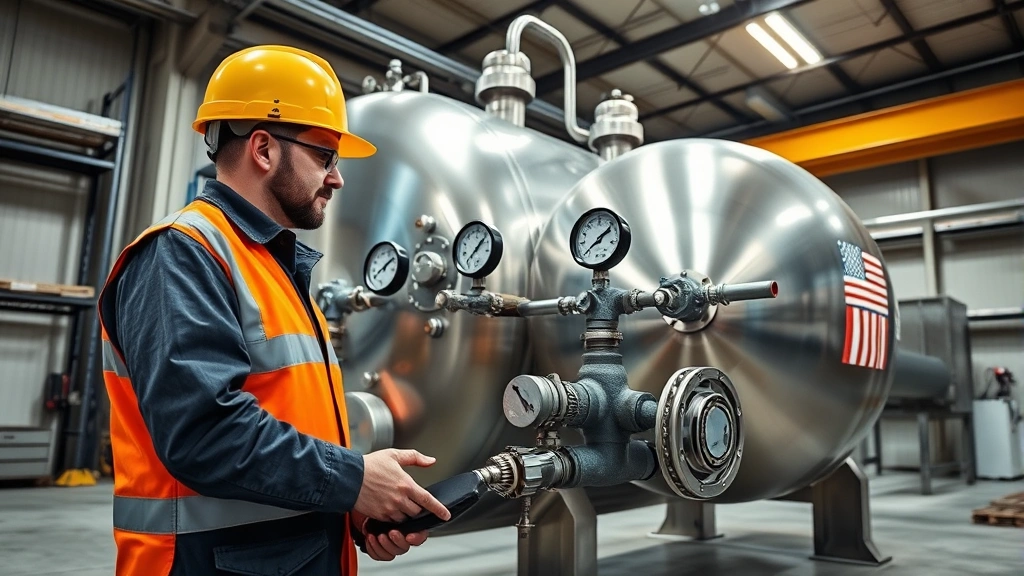
Nitrogen gas tanks are essential industrial tools found in laboratories, manufacturing facilities, food processing plants, and medical environments worldwide. Yet many users remain uncertain about proper safety protocols, storage requirements, and best practices for handling these pressurized vessels. Understanding nitrogen gas tank safety isn’t just about preventing accidents—it’s about responsible resource management and environmental stewardship in industrial operations.
Nitrogen, comprising approximately 78% of Earth’s atmosphere, is an inert gas with remarkable properties that make it invaluable across numerous industries. When properly contained and handled, nitrogen gas tanks pose minimal risk. However, improper use, storage, or maintenance can lead to serious safety hazards including asphyxiation, pressure-related injuries, and equipment damage. This comprehensive guide explores expert recommendations for safe nitrogen gas tank use while examining the broader sustainability implications of industrial gas consumption.
Understanding Nitrogen Gas Tanks and Their Applications
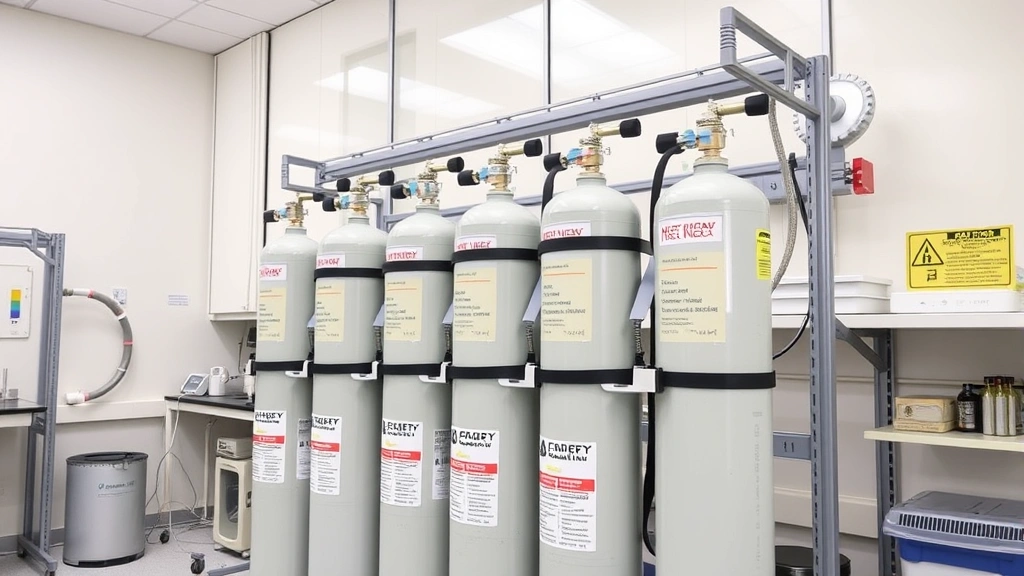
Nitrogen gas tanks store nitrogen in either liquid or gaseous form under high pressure, typically ranging from 2000 to 3000 pounds per square inch (PSI). The versatility of nitrogen makes it indispensable in modern industry. Food manufacturers use nitrogen for packaging preservation, extending shelf life without chemical preservatives. Electronics manufacturers rely on nitrogen for soldering processes and equipment purging. Medical facilities utilize nitrogen for cryogenic applications and equipment sterilization.
The pharmaceutical and chemical industries depend heavily on nitrogen for inert atmosphere creation, preventing oxidation during sensitive manufacturing processes. Automotive shops use nitrogen in tire inflation systems, offering superior performance compared to compressed air. Understanding these diverse applications helps users appreciate why proper tank management directly impacts operational efficiency and safety across multiple sectors.
Nitrogen gas tanks come in various sizes, from small portable cylinders containing a few cubic feet of gas to large bulk tanks storing thousands of cubic feet. Each size presents unique handling considerations and storage requirements. Smaller portable tanks, often called cylinders, typically feature integrated regulators and gauges, while larger tanks require separate pressure management systems and more substantial infrastructure for safe operation.
Essential Safety Features and Equipment Requirements
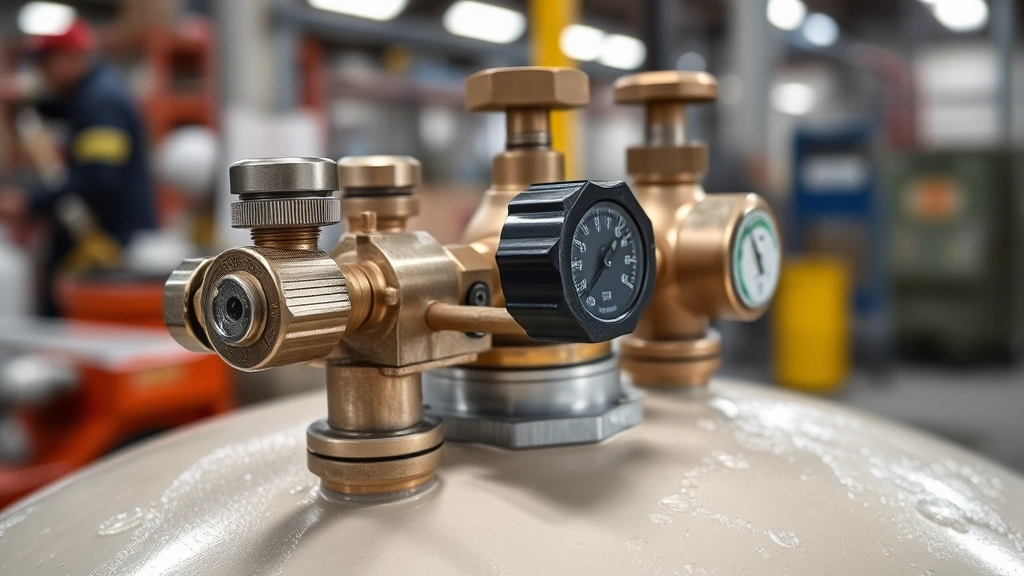
Modern nitrogen gas tanks incorporate multiple safety mechanisms designed by engineers with decades of industrial experience. Pressure relief valves represent the most critical safety component, automatically releasing excess pressure if tank pressure exceeds safe limits. These valves prevent catastrophic tank rupture and must be regularly inspected and maintained by qualified technicians. Regular pressure relief valve testing ensures functionality and compliance with industry standards.
Regulators control the flow of nitrogen from the tank to connected equipment, reducing high tank pressure to usable working pressures. Quality regulators feature built-in gauges displaying both tank pressure and output pressure, allowing operators to monitor system integrity continuously. Users should never attempt to repair or modify regulators—only certified professionals should service these components.
Pressure gauges provide real-time information about tank status. Tanks should feature both a primary pressure gauge and a secondary backup gauge. When purchasing nitrogen gas tanks or leasing them from suppliers, verify that all gauges display clearly and function accurately. A damaged or malfunctioning gauge can create dangerous situations where operators unknowingly approach critical pressure levels.
Safety relief devices, distinct from pressure relief valves, provide additional protection by venting gas safely if primary systems fail. Many tanks include fusible plugs—temperature-sensitive devices that melt and release pressure if exposed to extreme heat, such as during a fire. These features represent passive safety mechanisms requiring no operator intervention.
Cylinder caps and valve protection devices prevent damage to the tank’s valve assembly during storage and transportation. Always keep protective caps installed when tanks aren’t in active use. Damaged valves can leak pressurized nitrogen, creating asphyxiation hazards and wasting the expensive gas.
Proper Storage and Handling Protocols
Correct nitrogen gas tank storage prevents accidents and maintains gas quality. Tanks should be stored in well-ventilated areas, never in confined spaces where nitrogen leaks could create asphyxiation hazards. Sustainable energy solutions in industrial settings increasingly emphasize proper gas handling as part of comprehensive safety and efficiency programs.
Storage areas must remain dry, protecting tanks from corrosion that weakens structural integrity. Temperature extremes accelerate pressure changes within tanks—never expose nitrogen tanks to direct sunlight, extreme cold, or heat sources. Maintain storage temperatures between 50°F and 120°F when possible. In climates with temperature extremes, insulated storage facilities or underground storage may be necessary.
Secure all tanks firmly using chains, straps, or specialized tank stands. Unsecured tanks can fall, damaging the valve assembly or rupturing the tank body. This is particularly important in facilities with vibration or movement, such as near machinery or loading areas. A falling tank represents a serious hazard to personnel and equipment.
Separate full and empty tanks into designated storage areas. This simple practice prevents confusion and ensures operators use appropriate tanks for their needs. Many accidents occur when someone unknowingly attempts to use an empty tank or misidentifies a tank’s contents. Clear labeling systems should identify tank status, contents, and date of last inspection.
Never store nitrogen tanks near flammable materials, oxidizers, or reactive chemicals. Although nitrogen itself is inert and non-flammable, tanks containing other gases might be stored nearby. Proper segregation prevents cross-contamination and reduces fire risk in industrial environments. Storage areas should comply with local fire codes and regulations.
Transportation and Compliance Standards
Moving nitrogen gas tanks requires careful planning and adherence to Department of Transportation (DOT) regulations. Tanks must be secured during transport to prevent rolling, sliding, or tipping. Use appropriate vehicle types designed for transporting pressurized gas cylinders, ensuring proper ventilation during transport.
Operators transporting nitrogen tanks should understand basic safety protocols: never transport tanks in passenger compartments, ensure adequate ventilation in cargo areas, and avoid extreme temperature conditions during transport. If transporting tanks in personal vehicles, keep windows open for ventilation and avoid enclosed trunk spaces.
Professional transportation companies specializing in industrial gas movement follow strict protocols exceeding basic regulatory requirements. When leasing nitrogen from suppliers, inquire about their delivery procedures and safety certifications. Reputable suppliers maintain fleets of well-maintained vehicles and employ drivers trained in hazardous material transportation.
Regulatory compliance extends beyond transportation. The Occupational Safety and Health Administration (OSHA) establishes comprehensive standards for handling compressed gases in workplace environments. Facilities using nitrogen tanks must maintain compliance documentation, conduct regular safety training, and perform equipment inspections according to OSHA timelines. Non-compliance can result in significant fines and, more importantly, creates genuine safety risks for employees.
When comparing natural gas vs propane for industrial applications, nitrogen handling protocols differ substantially. Understanding these differences ensures appropriate safety measures for each gas type used in your facility.
Emergency Response and Accident Prevention
Preparation for potential nitrogen tank emergencies can save lives. First, establish clear emergency procedures specific to your facility’s nitrogen use. All personnel working near nitrogen tanks should receive training in recognizing signs of leaks, including unusual hissing sounds, frost formation on tank exteriors, or visible vapor clouds.
Nitrogen asphyxiation represents the primary danger in indoor environments. Because nitrogen is odorless and colorless, people can lose consciousness without warning if exposed to high concentrations in poorly ventilated spaces. Symptoms include dizziness, rapid breathing, and loss of consciousness. Never enter enclosed spaces where nitrogen leaks are suspected without proper respiratory protection.
If someone shows signs of nitrogen exposure, immediately move them to fresh air and contact emergency services. Provide oxygen if trained and equipped to do so. Never attempt to rescue someone from a nitrogen-filled confined space without proper breathing apparatus—you could become a victim yourself.
Leak detection and response procedures should be documented and practiced regularly. Soapy water applied to suspected leak areas reveals escaping gas through bubble formation. Never use open flames or spark-producing tools to locate leaks. If you detect a leak, evacuate the area, ensure adequate ventilation, and contact your nitrogen supplier for emergency support.
Regular maintenance schedules prevent many common problems. Professional technicians should inspect tanks annually, checking for corrosion, valve damage, gauge accuracy, and pressure relief valve functionality. Documentation of all maintenance activities creates accountability and helps identify equipment requiring replacement.
Environmental and Sustainability Considerations
While nitrogen itself poses minimal environmental concern—it’s a natural atmospheric component—the industrial processes producing and distributing nitrogen gas consume significant energy resources. Is natural gas renewable or nonrenewable becomes relevant when examining nitrogen production methods, as many industrial nitrogen sources depend on fossil fuel energy inputs.
Modern nitrogen production typically occurs through cryogenic air separation, where liquid air is fractionally distilled to separate nitrogen from oxygen and other gases. This energy-intensive process contributes to industrial carbon emissions. Facilities committed to reducing environmental impact should consider several strategies: optimizing nitrogen consumption, investing in more efficient equipment, and sourcing nitrogen from suppliers utilizing renewable energy in production facilities.
Proper tank management directly supports sustainability goals. Leaking tanks waste valuable resources and increase operational costs. Well-maintained equipment operates more efficiently, reducing overall gas consumption. When tanks reach end-of-life, ensure they’re recycled through proper channels rather than landfilled. Most nitrogen tank manufacturers and suppliers offer recycling programs for obsolete equipment.
Organizations exploring green technology innovations transforming our future increasingly examine industrial gas usage as part of comprehensive sustainability assessments. Some facilities are investing in on-site nitrogen generation systems using renewable electricity, reducing dependence on delivered gas and associated transportation emissions.
Sustainable industrial practices extend beyond environmental considerations to include worker safety and community health. Facilities maintaining excellent nitrogen tank safety records protect employees, reduce accident-related costs, and build community trust. This holistic approach to sustainability—combining environmental responsibility with social responsibility—represents best practice in modern industrial operations.
The broader context of SustainWise Hub Blog resources explores how industrial sectors can adopt more sustainable practices while maintaining operational efficiency and safety standards. Nitrogen tank management represents just one component of comprehensive industrial sustainability initiatives.
Frequently Asked Questions
How often should nitrogen gas tanks be inspected?
Professional inspection should occur annually at minimum, with more frequent checks in high-use environments. Monthly visual inspections by operators can identify obvious damage or corrosion. Pressure relief valves require testing according to manufacturer specifications, typically every two to five years depending on tank type and usage patterns.
Can nitrogen gas tanks be refilled or must they be replaced?
Quality nitrogen tanks are designed for repeated refilling and can remain in service for 20-30 years with proper maintenance. However, tanks showing significant corrosion, dents affecting structural integrity, or valve damage may require replacement. Your nitrogen supplier can assess whether a tank warrants refilling or replacement.
What’s the difference between liquid and gaseous nitrogen storage?
Liquid nitrogen tanks maintain extremely cold temperatures (approximately -196°C/-321°F) and allow storage of larger nitrogen quantities in smaller tank volumes. Gaseous nitrogen tanks store nitrogen at high pressure in room-temperature conditions. Each type requires different handling protocols and equipment. Liquid nitrogen demands specialized cryogenic equipment and presents unique safety considerations including cold burn hazards.
Are there regulations governing home nitrogen tank use?
Yes, even residential and small business use of nitrogen tanks is regulated. Local fire codes, building codes, and OSHA standards apply to nitrogen storage and use in all settings. Contact your local fire department or building department for specific requirements in your area. Never store nitrogen tanks in living spaces or areas without adequate ventilation.
How do I know if my nitrogen tank is empty?
Pressure gauges indicate tank pressure—when pressure drops to zero, the tank is empty. However, residual pressure may remain even when the tank can no longer deliver usable gas. Never attempt to open or discard an empty tank. Contact your nitrogen supplier for proper empty tank return and exchange procedures. Leaving a tank with residual pressure can create hazards.
What should I do if a nitrogen tank is leaking?
Immediately evacuate the area and ensure adequate ventilation. Do not attempt to repair the leak yourself. Contact your nitrogen supplier’s emergency line and local emergency services if the leak is severe. Mark the tank clearly as defective and isolate it from other equipment. Never use a leaking tank, as pressure loss can accelerate unpredictably.
Can nitrogen tanks be transported in passenger vehicles?
Small portable nitrogen cylinders can be transported in vehicles with proper securing and ventilation, though this isn’t ideal. Never place tanks in enclosed trunk spaces. Larger tanks should only be transported in properly equipped vehicles designed for compressed gas transport. Always follow DOT regulations and your supplier’s transportation guidelines.
How does nitrogen tank safety relate to broader industrial sustainability?
Proper nitrogen tank management supports sustainability through reduced gas waste, lower energy consumption from efficient equipment operation, and minimized environmental impact from leaks. Additionally, safe handling practices protect worker health and reduce accident-related disruptions to operations. Facilities prioritizing nitrogen tank safety typically demonstrate stronger overall commitment to sustainable, responsible industrial practices.


