New Oil Discovery: Impact on Colorado’s Sustainability Goals
Colorado and Wyoming stand at a critical crossroads as significant oil and gas discoveries in the region challenge the states’ ambitious climate commitments. Recent exploration activities have uncovered substantial hydrocarbon reserves in the Piceance Basin and Powder River Basin, reigniting debates about energy independence, economic growth, and environmental protection. These discoveries arrive during a pivotal moment when the nation accelerates its transition toward cleaner energy sources, creating tension between traditional fossil fuel industries and renewable energy advocates.
The timing of these oil discoveries raises important questions about Colorado’s path forward. The state has positioned itself as a leader in renewable energy adoption and environmental stewardship, yet these new reserves could significantly influence energy policy, infrastructure investment, and climate strategies for decades. Understanding the implications of these discoveries requires examining economic benefits, environmental costs, and alternative pathways that align with sustainability principles.
Understanding the Oil and Gas Discovery in Colorado-Wyoming
The recent oil discovery in the Colorado-Wyoming region represents one of the most significant hydrocarbon finds in recent years. Geological surveys indicate substantial reserves within the Piceance Basin and surrounding formations, with estimates suggesting billions of barrels of recoverable oil and trillions of cubic feet of natural gas. Energy companies have already begun preliminary exploration and development planning, investing significant capital in infrastructure and drilling operations.
These discoveries occur in areas with existing oil and gas infrastructure, which theoretically reduces development costs and environmental footprints compared to establishing operations in pristine territories. However, the scale of proposed extraction raises concerns about intensified drilling activities, increased truck traffic, and expanded pipeline networks. The region’s complex geology requires advanced extraction techniques, including hydraulic fracturing, which introduces additional environmental considerations.
Colorado’s energy landscape has historically relied on fossil fuels, but the state has increasingly diversified toward renewable sources. This discovery presents a fundamental question: should Colorado maximize extraction of existing reserves, or accelerate its transition to cleaner energy alternatives? The answer depends on balancing short-term economic gains against long-term sustainability objectives and climate responsibilities outlined in state sustainable energy solutions frameworks.
Economic Implications and Job Creation
Proponents of oil and gas development emphasize substantial economic benefits. The industry generates significant tax revenue for state and local governments, funding schools, infrastructure, and public services. A major discovery like this could create thousands of direct and indirect jobs in drilling operations, transportation, refining, and support services. These positions often provide competitive wages and benefits, supporting families throughout rural Colorado and Wyoming communities.
Oil and gas companies argue that responsible extraction provides energy security and economic stability, particularly for regions with limited employment opportunities. Development projects require specialized equipment, engineering expertise, and ongoing operational support, creating sustained employment over decades. Additionally, companies invest in community infrastructure and charitable initiatives, contributing to local economic development.
However, economic analysis must account for hidden costs. Environmental remediation, water contamination cleanup, and healthcare expenses related to air quality degradation represent significant public expenditures. Studies from EPA climate research demonstrate that fossil fuel industries often externalize environmental costs onto communities, meaning taxpayers subsidize cleanup rather than companies bearing full responsibility.
The renewable energy sector offers comparable or superior long-term employment prospects. Solar installation, wind farm development, battery manufacturing, and grid modernization create jobs that cannot be outsourced and provide stable careers aligned with sustainability goals. Colorado’s abundant sunshine and wind resources position the state to become a renewable energy leader, potentially generating more employment than fossil fuel extraction while building an economy prepared for climate-constrained futures.
Environmental and Climate Concerns
The most significant challenge posed by expanded oil and gas extraction involves climate impact. Oil production directly contributes to greenhouse gas emissions at every stage: extraction, processing, transportation, and combustion. Colorado has committed to reducing emissions through its Colorado Climate Action Plan, targeting 26% emissions reductions by 2025 and 80% by 2050. Major new oil development fundamentally contradicts these commitments.
Methane leakage represents a particularly serious concern. Natural gas production and transportation systems leak methane, a greenhouse gas approximately 84 times more potent than carbon dioxide over a 20-year period. Even small leakage rates significantly amplify the climate impact of natural gas extraction. Recent atmospheric measurements indicate that actual methane emissions from oil and gas operations exceed industry estimates, suggesting current regulatory frameworks inadequately control emissions.
Air quality degradation affects human health directly. Oil and gas operations release volatile organic compounds, nitrogen oxides, and particulate matter that contribute to smog formation and respiratory diseases. Communities near drilling sites experience higher rates of asthma, bronchitis, and other respiratory conditions. Children and elderly populations face particular vulnerability to air quality degradation.
Expanding fossil fuel infrastructure creates “carbon lock-in,” where investments in oil and gas systems persist for 30-40 years, perpetuating emissions long after climate science demands rapid decarbonization. This discovery could lock Colorado into decades of fossil fuel dependency precisely when the world must transition to clean energy to prevent catastrophic climate change.
Water Resources and Local Impact
Water availability represents a critical constraint in Colorado and Wyoming. Oil and gas extraction consumes enormous quantities of water for hydraulic fracturing and processing operations. In arid regions already facing water stress from climate change and population growth, industrial water consumption creates serious conflicts with agricultural, municipal, and environmental needs.
Contamination risks pose equally serious concerns. Hydraulic fracturing injects millions of gallons of chemical-laden fluids deep underground at extreme pressures. While industry claims vertical isolation prevents groundwater contamination, documented cases demonstrate that poorly constructed wells and natural fractures can allow contaminants to reach drinking water aquifers. Residents in oil and gas regions have reported methane in drinking water, chemical odors, and unexplained health problems.
Wastewater disposal creates additional complications. Oil and gas operations generate enormous volumes of saline wastewater containing toxic substances. Injecting this waste into deep disposal wells can trigger seismic activity, as demonstrated by earthquake clusters near disposal sites in Oklahoma and Colorado. Communities near proposed injection wells face risks of induced earthquakes damaging homes and infrastructure.
The cumulative impact on water resources threatens Colorado’s agricultural heritage and municipal water supplies. As climate change reduces snowpack and streamflow, water availability becomes increasingly precious. Allocating scarce water resources to fossil fuel extraction rather than agricultural production, municipal needs, or ecosystem preservation represents a strategic choice with profound long-term consequences.
Colorado’s Renewable Energy Alternative
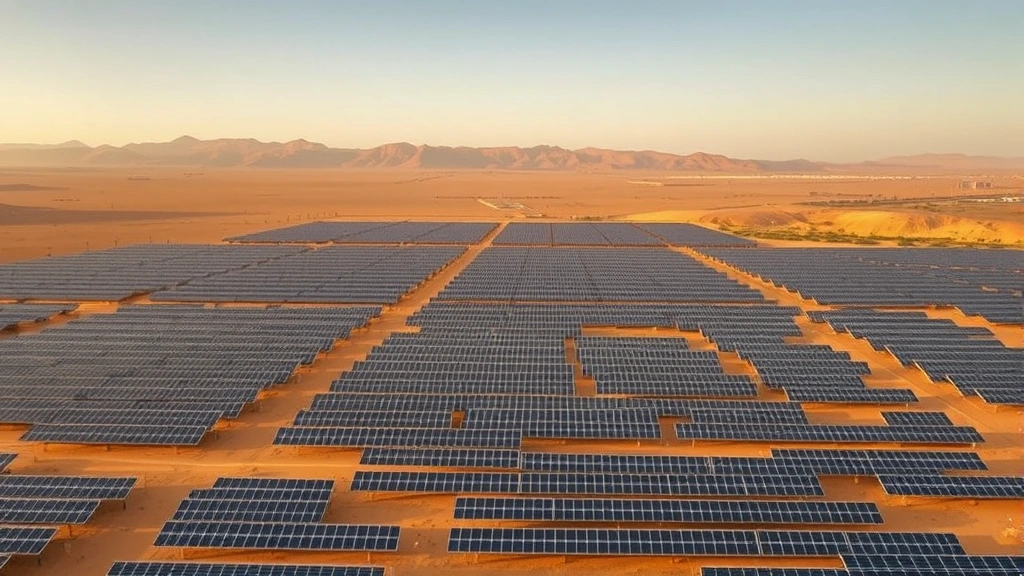
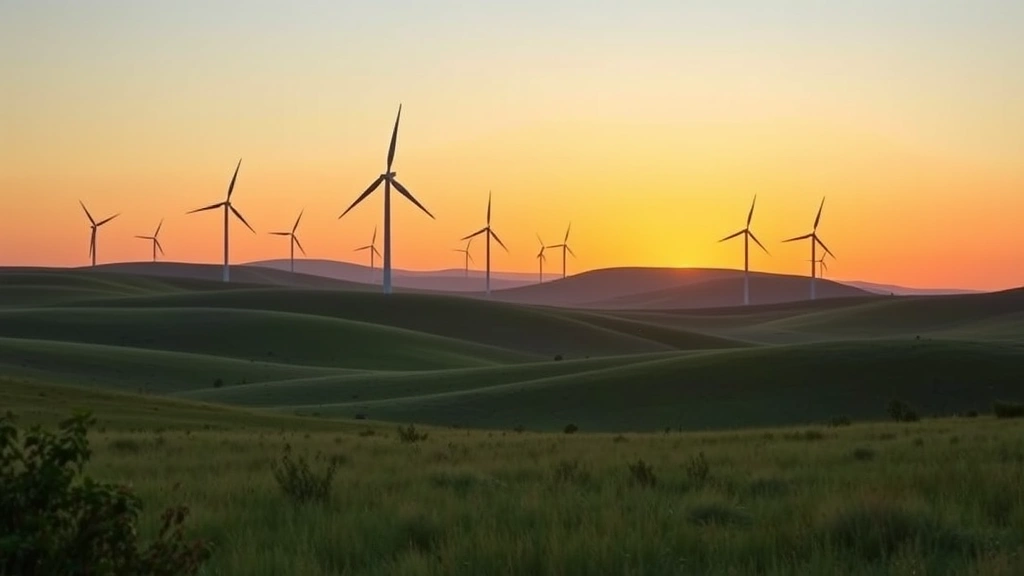
Colorado possesses exceptional renewable energy resources that offer a sustainable alternative to oil and gas expansion. The state receives abundant sunshine, particularly in western regions, making solar energy highly productive. Wind resources in eastern Colorado and the San Luis Valley rival some of the best wind regions nationally. These resources enable Colorado to generate clean electricity at costs increasingly competitive with fossil fuels.
The renewable energy transition offers multiple advantages aligned with sustainability principles. Green technology innovations transforming our future demonstrate that solar and wind systems generate electricity with minimal operational emissions, require no water consumption, and create no toxic waste. Battery storage technology continues improving, addressing intermittency concerns that previously hindered renewable adoption.
Expanding renewable capacity supports advantages of electric vehicles, enabling transportation electrification that eliminates tailpipe emissions. As the electrical grid decarbonizes through renewable generation, electric vehicles become increasingly clean, whereas gasoline vehicles perpetually depend on fossil fuels regardless of generation improvements.
Colorado’s renewable energy sector already employs more people than fossil fuel industries. Solar installation, wind farm development, and grid modernization create jobs requiring technical skills and offering long-term career prospects. These industries attract young talent and investment capital, building economic dynamism in communities throughout Colorado.
Several Colorado communities have committed to 100% renewable electricity targets, demonstrating technical feasibility and public support for clean energy transitions. These pioneering efforts prove that Colorado can meet energy needs entirely through renewable sources while improving air quality, protecting water resources, and creating sustainable employment.
Policy and Regulatory Framework
Colorado’s regulatory framework governing oil and gas development has evolved significantly, incorporating greater environmental protections than historically existed. The Colorado Oil and Gas Conservation Commission (COGCC) now requires companies to minimize impacts on air quality, water resources, and wildlife. However, critics argue that regulations remain insufficient and inadequately enforced, particularly regarding methane emissions and groundwater protection.
State policymakers face pressure from competing interests. Oil and gas companies seek streamlined permitting and generous lease terms to maximize profitability. Environmental advocates demand stricter regulations and reduced drilling to meet climate commitments. Communities hosting drilling operations seek local control and protection from negative impacts. Balancing these interests requires transparent, science-based policymaking that prioritizes public health and long-term sustainability.
Federal lands in Colorado contain significant oil and gas resources. The Trump and Biden administrations pursued conflicting approaches to federal lease sales, with profound implications for future development. Federal policy decisions about lease sales, royalty rates, and environmental protections significantly influence the viability and pace of oil and gas development throughout the region.
Colorado could implement stronger regulations requiring companies to internalize environmental costs through higher bonding requirements, mandatory emissions monitoring, and strict liability for contamination. Some states have implemented severance taxes on oil and gas production, dedicating revenue to environmental restoration and clean energy investment. Policymakers should consider whether current regulations adequately protect Colorado’s environment and climate commitments.
Balancing Energy Needs with Sustainability
The fundamental challenge involves balancing legitimate energy needs with imperative climate action. Colorado residents and businesses require reliable, affordable energy to maintain living standards and economic productivity. However, meeting these needs through fossil fuel expansion contradicts climate science and Colorado’s stated sustainability commitments.
This apparent conflict dissolves when examining transition pathways comprehensively. Renewable energy technology has advanced dramatically, with solar and wind now providing the cheapest electricity in most markets. Battery storage continues improving, addressing historical intermittency concerns. Grid modernization enables efficient integration of distributed renewable generation. These developments demonstrate that Colorado can meet energy needs entirely through clean sources while creating economic opportunity.
The transition requires strategic investment in renewable infrastructure, grid modernization, and workforce retraining. Oil and gas workers deserve support transitioning to renewable energy careers, ensuring economic security during industry shifts. Communities dependent on fossil fuel revenues require diversified economic development to replace lost tax revenue. These transition investments represent necessary costs of sustainable development.
Colorado should reduce your environmental footprint through comprehensive sustainability strategies extending beyond energy generation. Transportation electrification, building efficiency improvements, agricultural sustainability, and land conservation all contribute to emissions reductions. Integrated approaches prove more effective than single-sector solutions.
International climate commitments and scientific evidence indicate that atmospheric carbon dioxide must decline dramatically within decades. This imperative means that fossil fuel development must cease, with existing reserves remaining unburned. New discoveries like those in Colorado-Wyoming represent stranded assets destined to remain in the ground. Investing in extraction infrastructure wastes capital on doomed ventures rather than building enduring prosperity through clean energy.
FAQ
How much oil has been discovered in the Colorado-Wyoming region?
Recent estimates suggest billions of barrels of recoverable oil reserves across the Piceance Basin and related formations. Exact quantities remain uncertain pending further exploration, but companies project reserves sufficient to support decades of extraction at current production rates.
Could Colorado meet energy needs entirely through renewable sources?
Yes. Colorado possesses abundant solar and wind resources capable of generating electricity to meet state demand. Combined with battery storage, grid modernization, and efficiency improvements, renewable energy can reliably provide all electricity needs while supporting transportation electrification.
What happens to oil and gas workers if Colorado transitions to renewable energy?
Renewable energy industries create comparable employment numbers. Transition support programs including retraining, wage insurance, and relocation assistance help workers adapt to changing industries. Communities dependent on fossil fuel revenues require diversification strategies supporting new economic activities.
How does Colorado’s oil discovery affect global climate goals?
Expanding oil production increases atmospheric greenhouse gas concentrations, making climate targets more difficult and expensive to achieve. Every ton of carbon emitted reduces atmospheric carbon budgets available for other sectors and regions. Global climate stability depends on keeping most fossil fuel reserves unburned.
What role should federal policy play in Colorado oil and gas development?
Federal lands contain significant reserves. Federal policies regarding lease sales, royalty rates, and environmental protections substantially influence development viability. Federal policymakers should align decisions with climate commitments and scientific evidence regarding necessary emissions reductions.
Are there examples of communities successfully transitioning away from fossil fuels?
Yes. Several Colorado communities have achieved or committed to 100% renewable electricity. Denmark and Costa Rica generate substantial electricity from wind and renewable sources. Germany accelerated renewable adoption despite initial skepticism. These examples demonstrate technical feasibility and public acceptance of clean energy transitions.
What environmental protections exist for Colorado oil and gas development?
Colorado’s Oil and Gas Conservation Commission enforces regulations governing air quality, water protection, and wildlife impacts. However, critics argue regulations remain insufficient regarding methane emissions and groundwater protection. Stronger regulations could reduce environmental harm while increasing industry compliance costs.


