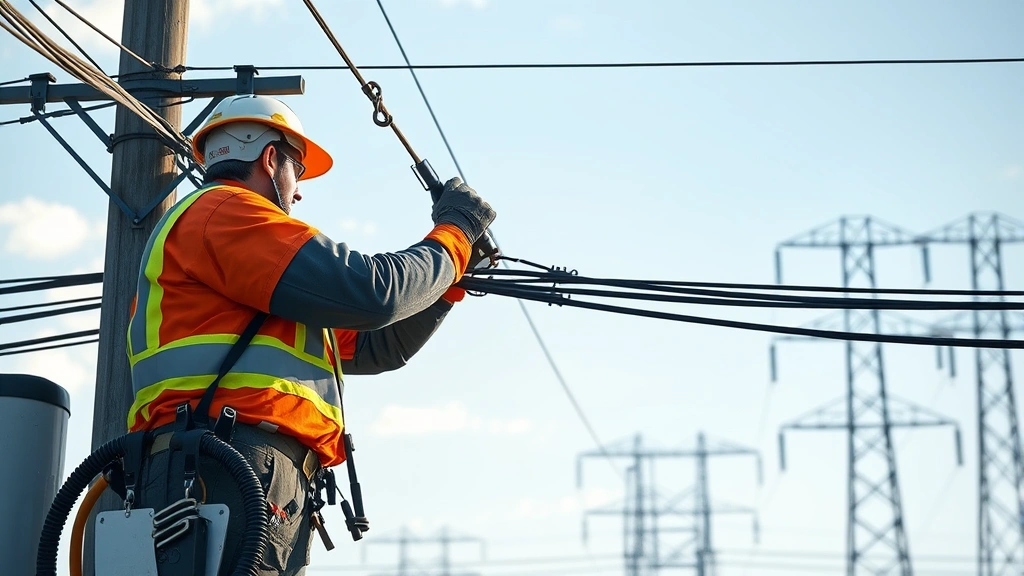
Oklahoma Power Outages? Check the Official Map
Power outages can strike at any moment, leaving Oklahoma residents without electricity and disrupting daily life. Whether caused by severe weather, infrastructure failures, or unexpected demand spikes, knowing how to access real-time outage information is essential for preparedness and safety. The Oklahoma Gas and Electric (OG&E) power outage map provides immediate visibility into service disruptions across the state, helping you understand when power will be restored and what actions to take.
In an era of climate change and increasingly unpredictable weather patterns, power grid reliability has become more critical than ever. Understanding how to use official outage maps and taking proactive steps toward energy resilience aligns with broader sustainability principles that emphasize both environmental responsibility and community preparedness. This guide walks you through accessing Oklahoma’s outage information, understanding grid vulnerabilities, and building personal energy resilience.
How to Access the OG&E Power Outage Map
Oklahoma Gas and Electric maintains a dedicated outage map accessible through multiple channels. The primary method is visiting the OG&E official website, where you’ll find a prominent link to their real-time outage map. This interactive tool displays current outages across OG&E’s service territory, which covers approximately 2 million customers throughout Oklahoma and Kansas.
To use the map effectively, simply enter your address or zoom to your location. The interface displays color-coded regions indicating outage status: green areas show normal service, while red or orange zones indicate active outages. Each outage marker provides estimated restoration times, affected customer counts, and outage causes when available. The map updates every 5-10 minutes, ensuring you receive the most current information.
Beyond the web-based map, OG&E offers multiple access points for outage information. Download the official OG&E mobile app for smartphone access, call their automated outage hotline, or sign up for text alerts that notify you immediately when outages occur in your area. Text alerts represent a particularly valuable feature for residents who want proactive notification rather than manually checking the map.
The map interface also allows you to report outages directly if you notice service interruptions not yet reflected in the system. This crowdsourced data helps OG&E identify emerging issues and prioritize restoration efforts. When reporting, provide specific details about your location and any visible damage to power lines or infrastructure.
Understanding Real-Time Outage Data
Reading the OG&E outage map requires understanding the data layers and metrics displayed. Each outage report includes several key pieces of information that help you assess the situation and plan accordingly. The estimated restoration time (ERT) represents the predicted moment when power will return to your area, calculated based on crew assessments and historical restoration patterns for similar outages.
Customer impact numbers show how many households and businesses are affected by each outage. Large outages affecting thousands of customers typically receive higher priority and more repair crews than smaller incidents. The outage cause classification provides valuable context—weather-related outages may take longer to resolve than equipment failures, for instance.
Real-time data also tracks crew dispatch status and repair progress. As technicians work to resolve issues, the map updates to reflect changed ETRs and expanding or contracting affected areas. This transparency helps residents understand that restoration efforts are active and progressing. Some outages show “under investigation” status when crews are still determining root causes.
Understanding these data points connects to broader sustainable energy solutions conversations. Grid transparency and real-time data access enable communities to identify patterns, advocate for infrastructure improvements, and support transition toward more resilient, distributed energy systems. When residents understand grid vulnerabilities, they become better advocates for modernization investments.
The map’s historical data features allow you to review past outage patterns. Analyzing which areas experience frequent outages, what times of year outages concentrate, and which causes dominate can inform personal preparedness strategies. This historical perspective proves invaluable when planning backup power systems or considering relocation decisions.
What Causes Power Outages in Oklahoma
Oklahoma experiences power outages from diverse causes, many of which have intensified due to climate change. Severe weather represents the leading outage cause, including thunderstorms, ice storms, high winds, and increasingly, extreme heat events. During summer months, record-breaking temperatures drive unprecedented air conditioning demand, sometimes exceeding grid capacity. Winter ice storms frequently damage power lines and transformers, causing widespread, extended outages.
Tornadoes and straight-line wind events pose particular risks in Oklahoma’s tornado alley geography. These violent weather phenomena can destroy entire sections of power infrastructure in minutes, requiring extensive reconstruction. Climate research indicates that extreme weather frequency is increasing, making such outages more common than historical patterns would suggest.
Equipment failures constitute the second major outage category. Transformers, circuit breakers, and other grid components have finite lifespans and occasionally fail unexpectedly. Aging infrastructure, particularly in rural areas, experiences higher failure rates. Vegetation management issues—tree branches contacting power lines—cause seasonal outages, particularly in fall when leaf drop and wind combine dangerously.
Human factors contribute to outages as well. Vehicle accidents damaging poles or lines, construction crews accidentally striking underground utilities, and even wildlife interactions with power infrastructure cause service disruptions. Squirrels and birds contacting live conductors create momentary outages that may cascade into larger system problems.
Demand spikes occasionally exceed available supply, leading to rolling blackouts or deliberate load shedding. During extreme heat waves when everyone runs air conditioning simultaneously, or during unexpected cold snaps requiring emergency heating, grid operators may implement controlled outages to prevent complete system collapse. These situations highlight the importance of transitioning toward green technology innovations that distribute generation and reduce peak demand concentration.
Understanding cause-specific patterns helps residents prepare appropriately. Weather-related outages may last hours or days, while equipment failures often resolve within hours. This distinction informs backup power decisions and emergency supply stockpiling strategies.
Building Personal Energy Resilience
Beyond monitoring the outage map, proactive residents build personal energy resilience through backup power systems and efficiency improvements. Battery backup systems have become increasingly affordable and practical. Portable power stations ranging from 500Wh to 5000Wh capacity can power essential devices during outages. Larger, permanently installed systems like Tesla Powerwall or LG Chem RESU provide whole-home backup when paired with solar arrays.
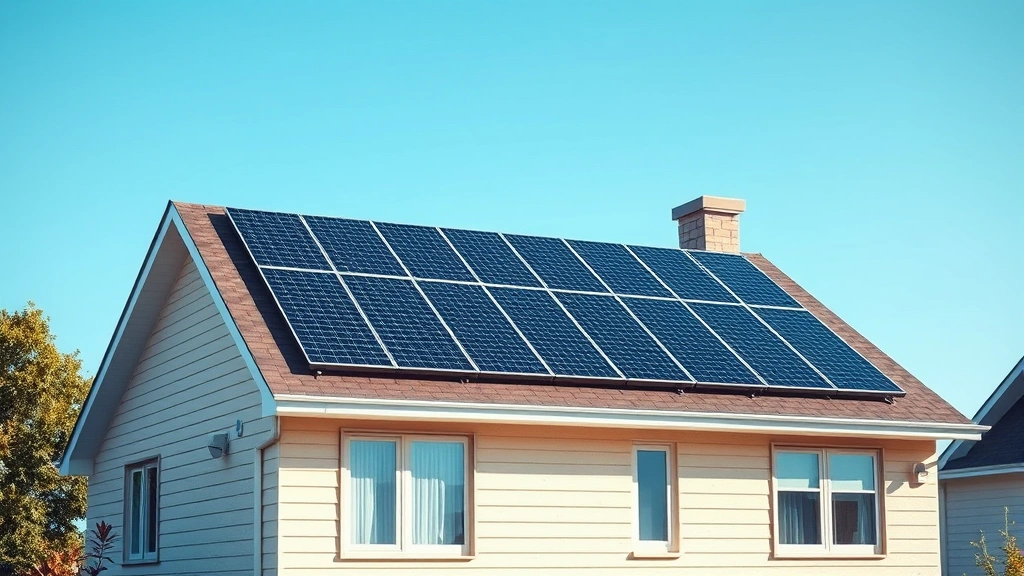
Solar plus battery combinations represent the ultimate resilience strategy. A rooftop solar system generates power during daylight hours, while battery storage captures excess generation for nighttime use. During grid outages, properly configured systems island from the grid and continue powering your home. This approach simultaneously reduces grid dependence and reduces your environmental footprint by eliminating fossil fuel consumption.
Smaller-scale backup solutions suit different budgets and needs. Uninterruptible Power Supply (UPS) systems protect critical devices like medical equipment, routers, and security systems. Portable generators provide temporary power for essential appliances, though they require fuel storage and careful operation. Hand-crank or solar-powered chargers keep phones and communication devices operational.
Energy efficiency improvements reduce overall power consumption and extend backup system runtime. LED lighting uses 75% less energy than incandescent bulbs. Programmable thermostats optimize heating and cooling schedules. Insulation improvements and weatherstripping reduce HVAC demand. These efficiency measures lower both utility bills and outage vulnerability.
Home energy audits identify your specific consumption patterns and vulnerable areas. Many utilities, including OG&E, offer free or subsidized audits that reveal efficiency opportunities. Understanding which appliances consume the most power helps prioritize what to run during outages and what to upgrade for efficiency.
Sustainable Energy Alternatives During Outages
When power outages occur, sustainable energy alternatives minimize disruption while maintaining environmental principles. Natural lighting through windows reduces daytime lighting needs. Opening curtains and blinds during daylight hours provides free illumination. Reflective surfaces and light-colored walls amplify natural light penetration into interior spaces.
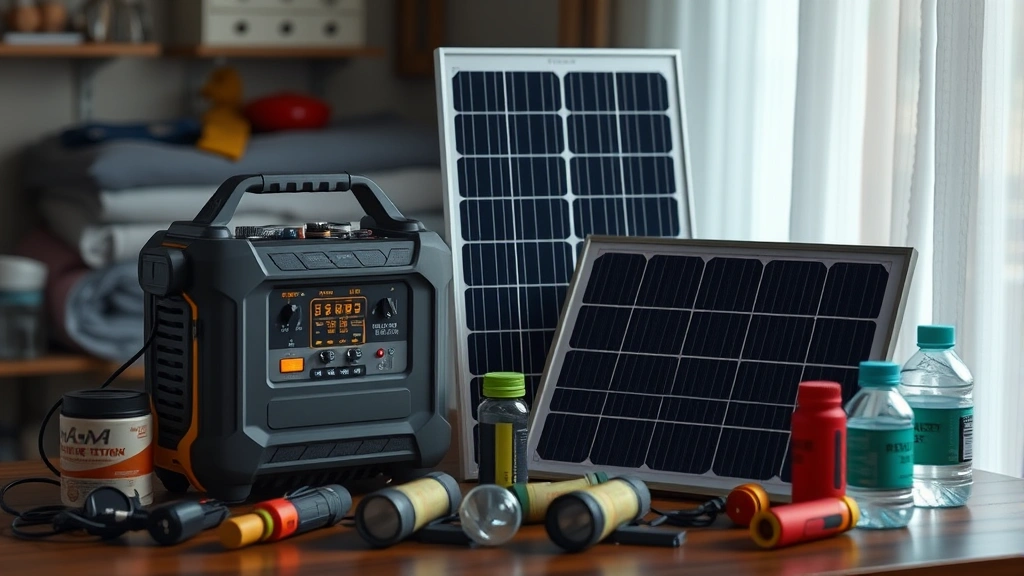
Renewable energy sources specifically designed for outage scenarios include solar lanterns, solar phone chargers, and solar-powered fans. These devices store solar energy during daylight for use anytime. Unlike fuel-dependent generators, solar alternatives require no ongoing resource purchases and produce zero emissions. Solar lanterns provide reliable emergency lighting that lasts years with minimal maintenance.
Hand-powered devices represent low-tech but highly reliable options. Hand-crank flashlights, radios, and phone chargers work anywhere without batteries or fuel. While slower than powered alternatives, they provide genuine energy independence. Many emergency preparedness kits include hand-powered tools as backup systems.
Passive cooling and heating strategies reduce reliance on air conditioning and heating during outages. During summer, opening windows at night and closing them during hot daytime hours creates natural ventilation. Thermal mass—water containers or masonry walls—absorbs daytime heat and releases it gradually at night. Heavy curtains and window coverings reduce solar heat gain. These passive strategies work alongside mechanical systems during normal operation and independently when power fails.
Community-level sustainable alternatives include district energy systems using combined heat and power, geothermal heating and cooling, and microgrids that can island from the main grid during disruptions. Exploring how your community implements these technologies connects to broader sustainability discussions happening across Oklahoma and nationwide.
Preparing Your Home for Extended Outages
Effective outage preparedness requires both physical supplies and systematic planning. Emergency supply kits should include water (one gallon per person daily for several days), non-perishable food, first aid supplies, medications, flashlights, batteries, and portable phone chargers. Store these supplies in easily accessible locations, checking and rotating supplies annually.
Food safety during outages requires special attention. Keep refrigerator and freezer doors closed to maintain temperatures as long as possible. A full freezer maintains safe temperatures for approximately 48 hours if unopened, while a half-full freezer maintains temperatures for only about 24 hours. Dry ice or block ice can extend this duration. Knowing which foods are safe to eat after thawing versus which must be discarded prevents foodborne illness.
Medical equipment and medication backup plans prove critical for vulnerable household members. If anyone uses electrically-powered medical devices—CPAP machines, oxygen concentrators, dialysis equipment—ensure backup power systems are in place and tested. Maintain extra supplies of essential medications in cool storage. Coordinate with healthcare providers about backup plans during extended outages.
Document important information before outages occur. Maintain printed copies of insurance policies, emergency contact numbers, and medical information since electronic access may be unavailable. Photograph your home’s contents for insurance purposes. Store important documents in waterproof containers.
Communication plans ensure family members can coordinate during outages. Establish a designated out-of-state contact person who can relay messages between separated family members when local communications are disrupted. Teach children the plan and practice it periodically. Maintain a battery-powered or hand-crank radio for emergency alerts and information.
Financial preparedness includes maintaining cash reserves, since ATMs and card readers won’t function during outages. Keep small bills accessible for purchases when electronic payment systems are unavailable. Understand your insurance coverage for outage-related losses and maintain documentation of valuable possessions.
Community and Grid Infrastructure Solutions
While individual preparedness matters, systemic solutions require community and infrastructure-level changes. Microgrid development represents a promising approach where neighborhoods or districts can disconnect from the main grid and operate independently during disruptions. Microgrids combine local renewable generation, battery storage, and smart controls to maintain power during outages while reducing overall grid strain.
Undergrounding power lines—placing them underground instead of overhead—reduces weather-related outages significantly. While expensive, underground lines avoid damage from trees, ice, and wind. Many communities are prioritizing undergrounding in high-outage areas. The U.S. Department of Energy provides resources on grid modernization investments.
Smart grid technology enables more sophisticated management of supply and demand. Advanced sensors, automated controls, and real-time communication allow utilities to respond faster to disruptions and balance loads more efficiently. Smart meters provide consumers with detailed consumption data, supporting efficiency improvements. EPA energy efficiency programs help communities implement smart grid infrastructure.
Distributed generation—smaller power plants located throughout service areas rather than centralized large plants—improves resilience. When one facility fails, others maintain supply. Rooftop solar, small wind turbines, and other distributed resources reduce dependence on long-distance transmission lines vulnerable to weather damage.
Community solar projects allow residents without suitable roofs to benefit from solar power. These shared installations generate power for multiple households, reducing overall grid demand and providing resilience benefits. Many Oklahoma communities are developing community solar programs.
Vegetation management programs reduce tree-related outages. Strategic trimming of branches near power lines prevents contact during storms. However, this must be balanced against environmental values—maintaining healthy urban forests while protecting infrastructure requires thoughtful planning. Arborists and utilities increasingly collaborate on approaches that serve both goals.
Demand response programs incentivize consumers to reduce power consumption during peak periods. Participating households receive rebates for agreeing to reduce air conditioning during extreme heat or shift appliance use to off-peak hours. These programs reduce peak demand spikes that trigger outages and rolling blackouts.
Investment in renewable energy generation improves grid resilience while advancing clean transportation and energy goals. Wind farms and solar installations distributed across Oklahoma’s geography diversify generation sources and reduce dependence on vulnerable centralized power plants. The National Renewable Energy Laboratory provides research on renewable integration into existing grids.
Policy advocacy for grid modernization investment helps communities prioritize resilience. Attending utility commission meetings, supporting infrastructure funding initiatives, and communicating with elected officials about outage concerns builds political will for necessary improvements. Community engagement transforms individual frustration into collective action.
FAQ
How often should I check the OG&E outage map?
During normal conditions, checking the map is unnecessary. However, if you experience a power outage or see severe weather approaching, check immediately to see if outages are reported in your area. Sign up for text alerts to receive automatic notifications rather than manually checking.
What should I do if my outage isn’t showing on the map?
Contact OG&E directly through their website, mobile app, or phone line to report the outage. Provide your account number and specific address. Crews may be actively working on your outage even if the map hasn’t updated yet. If multiple neighbors also lack power, the outage likely will appear on the map within minutes.
How long do power outages typically last in Oklahoma?
Duration varies widely based on cause. Weather-related outages average 2-6 hours but can extend to days during severe storms. Equipment failures typically resolve within 1-3 hours. Rolling blackouts during extreme demand usually last 15-30 minutes per location. Check the estimated restoration time on the map for your specific outage.
Are solar panels useful during power outages?
Solar panels alone don’t provide power during outages because they automatically disconnect from the grid for safety reasons. However, solar panels paired with battery storage systems can power your home indefinitely during outages as long as sunlight is available. Grid-tied systems without batteries won’t function during outages.
What’s the best backup power solution for my home?
The best solution depends on your budget, needs, and home characteristics. Solar plus battery storage offers the most comprehensive long-term solution but requires significant upfront investment. Portable power stations provide affordable entry points for backup power. Generators offer high capacity but require fuel. Combination approaches—solar panels, batteries, and a backup generator—provide maximum flexibility.
How can I reduce my power consumption to avoid contributing to outages?
Use LED lighting, program thermostats efficiently, maintain HVAC equipment, improve insulation, and avoid running large appliances during peak demand periods (typically 4-8 PM on hot days). Shift dishwasher and laundry use to off-peak hours. Unplug devices when not in use to eliminate phantom loads. These efficiency measures lower your utility bills while reducing grid stress.
What government resources support grid resilience and renewable energy?
The Energy Department’s energy saver program provides efficiency guidance. State and federal tax credits support solar and battery installations. Many utilities offer rebates for efficiency upgrades. Contact your local government about community solar and microgrid development initiatives.


