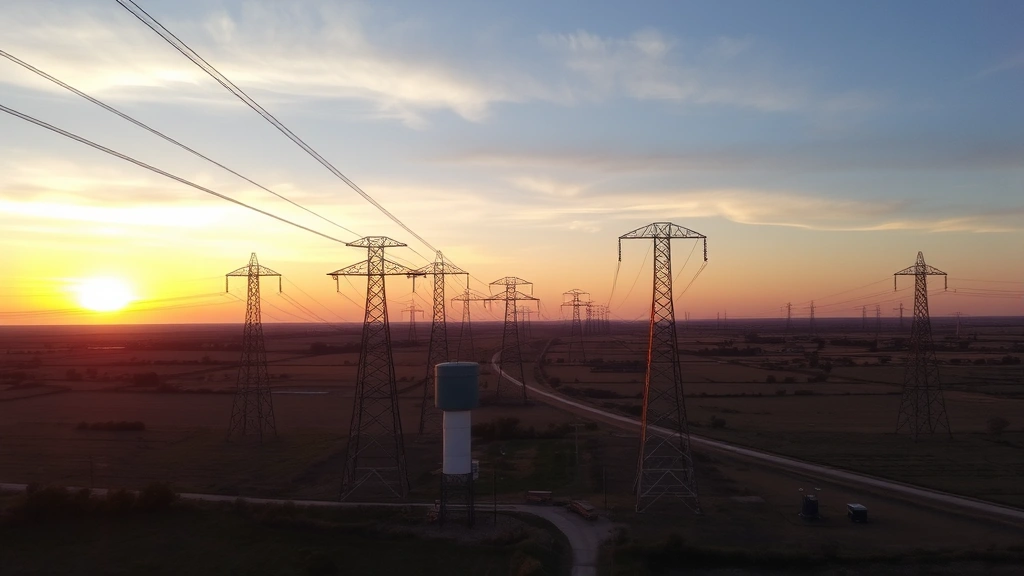
Oklahoma Power Outages? Real-Time Map Guide to OG&E Outage Information
Power outages can disrupt your daily life, leaving you without electricity, heating, cooling, and essential services. If you’re an Oklahoma Gas and Electric (OG&E) customer experiencing an outage, understanding how to access real-time outage maps and information is crucial for staying informed and planning accordingly. This comprehensive guide walks you through the best resources for tracking Oklahoma power outages, understanding outage causes, and preparing your home for potential disruptions.
Whether you’re dealing with a widespread outage affecting thousands or a localized issue impacting your neighborhood, having access to accurate, real-time data helps you make informed decisions about your safety and comfort. The Oklahoma Gas and Electric Company serves millions of customers across Oklahoma and Kansas, making outage tracking an essential service for residents and businesses alike.
Understanding the OG&E Outage Map
The Oklahoma Gas and Electric outage map is an interactive tool designed to provide customers with real-time visibility into power disruptions across their service territory. This digital resource displays active outages, estimated restoration times, and affected customer counts, allowing you to determine whether your area is impacted and when service might be restored.
OG&E’s outage map uses color-coded indicators to show outage severity and scope. Larger, darker areas typically indicate more significant outages affecting more customers, while smaller spots represent localized issues. The map updates continuously as crews work on repairs and as new outages are reported, giving you the most current information available.
The platform also provides historical outage data, helping you understand patterns in your area. If you notice recurring outages during specific seasons or weather conditions, you can better prepare with backup power solutions and energy storage options. This historical perspective is valuable for reducing your environmental footprint by identifying when renewable energy alternatives might benefit your household most.
How to Access Real-Time Outage Information
Official OG&E Website: The primary source for accurate outage information is the official Oklahoma Gas and Electric website. Visit their homepage and look for the “Outage Map” or “Report an Outage” section. The interactive map displays current outages with detailed information about affected areas and estimated restoration times.
Mobile Application: OG&E offers a mobile app available on iOS and Android platforms. This application provides push notifications when outages occur in your area, allowing you to receive alerts without actively checking the website. The app also lets you report outages directly and track restoration progress in real-time.
Phone Reporting: If you prefer voice communication or lack internet access, OG&E maintains a customer service hotline where representatives can provide outage status, report new outages, and answer questions about your account. During major outages, call wait times may be longer, so online resources are often faster.
Social Media Updates: OG&E maintains active social media accounts on Facebook and Twitter, where they post major outage alerts and restoration updates. Following these accounts ensures you receive notifications even if you’re away from your computer or phone.
When checking the outage map, have your account number or service address ready. Entering specific location information provides the most accurate results for your neighborhood. The map typically shows estimated restoration times, though these may change as crews assess damage and prioritize repairs.
Text Alerts: Many utility companies, including OG&E, offer text message alert programs. Enrolling in these services ensures you receive immediate notifications about outages affecting your area, allowing you to respond quickly and protect sensitive equipment or foods in your refrigerator.
Common Causes of Power Outages in Oklahoma
Understanding what causes power outages helps you prepare appropriately and recognize when your area might be vulnerable. Oklahoma experiences distinct seasonal challenges that affect power reliability.
Severe Weather: Thunderstorms, ice storms, and high winds are the leading causes of power outages in Oklahoma. Heavy precipitation combined with strong winds can damage power lines, snap tree branches onto electrical infrastructure, and overwhelm distribution systems. Spring and winter months see the highest frequency of weather-related outages.
Extreme Temperatures: During summer heat waves and winter cold snaps, demand for electricity surges as customers run air conditioning and heating systems simultaneously. This increased demand can strain the power grid, potentially leading to rolling blackouts or temporary outages in certain areas. Understanding sustainable energy solutions becomes particularly important during these peak demand periods.
Equipment Failures: Transformers, circuit breakers, and other electrical equipment degrade over time. When infrastructure reaches the end of its operational life, failures can occur suddenly, causing localized or widespread outages. Regular maintenance helps prevent these failures, but aging infrastructure remains a challenge for utilities nationwide.
Tree Contact: Vegetation growing into power lines is a significant outage cause in Oklahoma, particularly in areas with mature trees near electrical infrastructure. Falling branches, especially during storms, can damage lines and cause immediate outages. Proactive tree trimming programs help reduce this risk.
Vehicle Accidents: Vehicles striking utility poles or transformers cause outages, particularly in populated areas. These incidents often require specialized repairs and can affect large sections of communities.
Scheduled Maintenance: OG&E occasionally schedules planned outages to perform maintenance, upgrades, or repairs on electrical infrastructure. These planned outages are announced in advance, giving customers time to prepare. Check the SustainWise Hub Blog for gas and energy resources for tips on preparing for scheduled maintenance outages.
Preparing for Potential Outages
Proactive preparation significantly reduces the impact of power outages on your household. Developing an outage preparedness plan ensures your family remains safe and comfortable during disruptions.
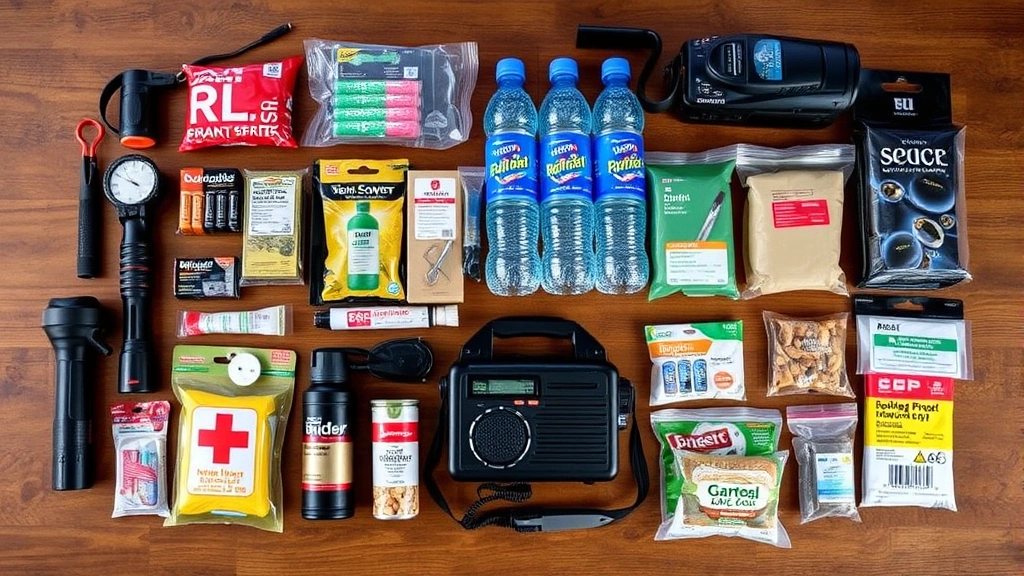
Emergency Supplies: Maintain a supply kit including flashlights, batteries, first aid supplies, medications, non-perishable food, and bottled water. A general rule recommends storing at least one gallon of water per person per day for several days. Include battery-powered or hand-crank radios to receive emergency information.
Backup Power Solutions: Uninterruptible Power Supplies (UPS) systems provide temporary backup power for computers, medical equipment, and other critical devices. Portable generators offer longer-term backup power but require proper ventilation and fuel storage. Solar-powered chargers and power banks ensure you can charge essential devices without grid power.
Food Safety Preparation: When power fails, keep refrigerator and freezer doors closed to maintain cold temperatures as long as possible. Food typically remains safe in a closed refrigerator for about four hours and in a full freezer for 48 hours. Plan meals using perishable items first when power is restored.
Temperature Management: In winter, ensure adequate heating alternatives such as fireplaces or space heaters. Learn about natural gas fireplace options for emergency heating. In summer, identify cooling centers in your community and develop heat management strategies. Close curtains and blinds to reduce solar heat gain.
Medical Equipment Considerations: If household members rely on powered medical equipment, discuss backup power options with healthcare providers. Many utility companies offer priority restoration for customers with medical needs. Register with OG&E’s medical alert program if applicable.
Energy Efficiency During and After Outages
Smart energy management before, during, and after outages reduces waste and minimizes environmental impact. These practices also decrease your long-term energy costs and improve grid reliability.
Pre-Outage Efficiency: Reducing your baseline energy consumption strengthens grid stability and decreases the likelihood of outages during peak demand periods. Upgrading to Energy Star-certified appliances, improving insulation, and sealing air leaks reduces overall demand. Understanding the advantages of natural gas for specific applications helps optimize your home’s energy mix.
During Outage Practices: When power fails, avoid opening refrigerators and freezers unnecessarily. Unplug electrical devices to prevent damage from power surges when electricity returns. Turn off lights and appliances before power restoration to avoid sudden demand spikes that can delay grid recovery.
After Restoration: Once power returns, gradually restore electrical loads rather than turning everything on simultaneously. This gentle restart prevents circuit breakers from tripping and reduces stress on distribution infrastructure. Check for any equipment damage before resuming normal operation.
Smart Power Management: Install smart power strips that automatically shut off devices in standby mode, reducing phantom loads. Programmable thermostats allow you to set temperature schedules that reduce heating and cooling demand during off-peak hours. These technologies support grid stability while lowering your utility bills.
Sustainable Alternatives to Grid Power
As Oklahoma transitions toward cleaner energy infrastructure, distributed renewable generation offers increasingly viable alternatives to traditional grid power. These solutions provide resilience during outages while reducing environmental impact.
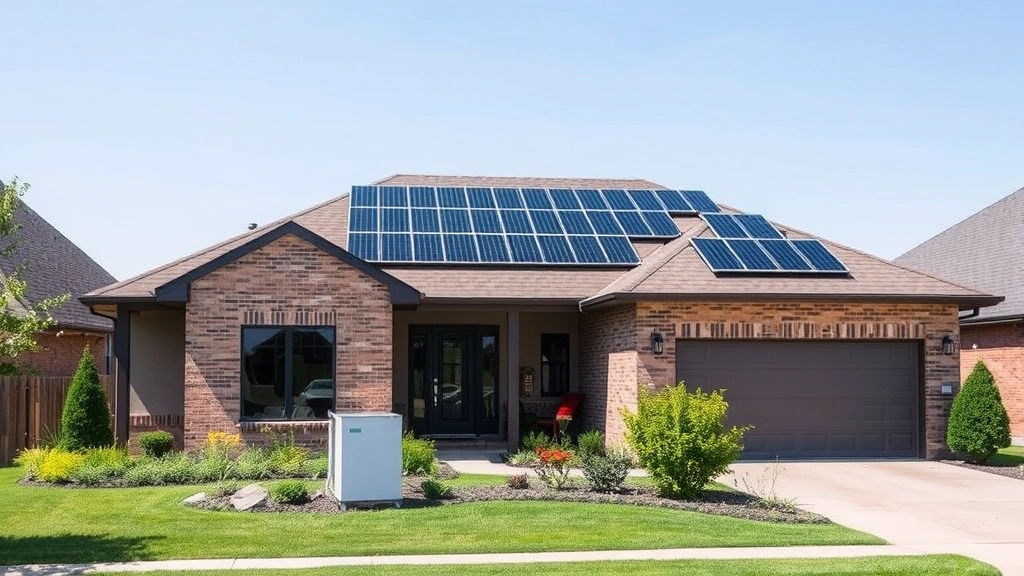
Solar Power Systems: Rooftop solar installations generate electricity during daylight hours, reducing grid dependence and providing backup power during outages when paired with battery storage. Oklahoma’s abundant sunshine makes solar particularly effective, with average daily insolation supporting residential and commercial installations. Green technology innovations continue improving solar efficiency and affordability.
Battery Storage: Home battery systems store excess solar generation or off-peak grid power for use during outages or peak demand periods. Modern lithium-ion batteries provide reliable, long-duration storage at increasingly competitive prices. Battery backup ensures critical loads remain powered even when the grid fails.
Wind Power: Oklahoma’s excellent wind resources make small-scale wind turbines viable for some properties. While requiring more space than solar, wind generation complements solar by producing power during nighttime and cloudy conditions.
Hybrid Systems: Combining solar, wind, and battery storage creates resilient microgrids that provide power independence while supporting grid stability. These systems can operate in “island mode” during outages, automatically disconnecting from the grid and powering your home autonomously.
Natural Gas Backup: Natural gas generators provide reliable backup power when renewable systems are unavailable. Natural gas advantages include quick startup, high energy density, and existing infrastructure in Oklahoma. Hybrid systems combining renewable generation with natural gas backup offer optimal reliability and environmental performance.
Community Resilience: Microgrids connecting multiple properties with shared renewable generation and storage create neighborhood-level resilience. These systems support local power independence while enabling emergency power sharing during widespread outages.
The U.S. Department of Energy provides resources and incentives for home renewable energy installations. Many Oklahoma homeowners qualify for federal tax credits and state incentives that significantly reduce installation costs.
FAQ
How often does OG&E update its outage map?
OG&E updates its outage map in real-time as new outages are reported and as crews complete repairs. Information typically updates every few minutes during active outages, providing current status for customers.
What should I do if my area isn’t showing on the outage map but I’m without power?
If you’re experiencing a power outage not yet reflected on the map, report it immediately using OG&E’s website, mobile app, or phone line. Your report helps the utility identify and prioritize repairs for your area. Provide your service address and account number for faster processing.
How long do typical outages last in Oklahoma?
Outage duration varies significantly based on cause and severity. Minor outages affecting small areas may be resolved within minutes to an hour. Severe weather-related outages affecting large areas can persist for several hours to days, particularly if extensive infrastructure damage occurred. The outage map provides estimated restoration times based on crew assessments.
Are there financial assistance programs for customers affected by extended outages?
OG&E offers various customer assistance programs for those experiencing hardship. Contact their customer service to discuss options if extended outages create financial difficulties. Some programs provide bill credits or payment plan adjustments for affected customers.
How can I prepare my home for winter outages?
Winter outage preparation includes ensuring adequate heating alternatives, maintaining fuel supplies for fireplaces or generators, insulating pipes to prevent freezing, and stocking cold-weather clothing and blankets. Develop a family communication plan and identify warming centers in your community.
What’s the relationship between renewable energy adoption and grid outages?
Properly integrated renewable energy improves grid resilience by diversifying generation sources and enabling distributed power generation. Solar and wind systems, when paired with battery storage, provide backup power during outages and reduce peak demand stress that contributes to outages. The National Renewable Energy Laboratory researches how renewable integration strengthens grid reliability.
Can I use my natural gas appliances during a power outage?
Natural gas appliances that don’t require electricity, such as gas stoves and some furnaces, function during outages. However, many modern gas appliances include electronic ignition systems or controls requiring electricity. Check your appliance documentation to understand which devices operate without power.
How does tree trimming affect outage prevention?
Environmental agencies support vegetation management programs that reduce outages while maintaining ecological health. Strategic tree trimming removes branches threatening power lines without clear-cutting forests. This balanced approach protects infrastructure while preserving Oklahoma’s natural landscape.


