Palmer Gas & Oil: Sustainable Practices Revealed
Palmer Gas & Oil in Atkinson, NH represents a significant shift in how regional energy providers approach environmental responsibility. As fossil fuel industries face mounting pressure to adopt sustainable practices, this company has emerged as a noteworthy example of balancing energy distribution with ecological stewardship. Understanding their initiatives provides valuable insights into how traditional energy companies can transition toward more sustainable operations while serving their communities.
The energy sector stands at a critical crossroads. While renewable energy adoption accelerates nationwide, conventional gas and oil distributors like Palmer Gas & Oil must demonstrate genuine commitment to reducing environmental impact. This comprehensive examination reveals the sustainable practices, operational improvements, and community initiatives that distinguish this Atkinson-based provider in an evolving industry landscape.
Company Overview and Regional Impact
Palmer Gas & Oil operates as a critical infrastructure provider serving New Hampshire’s Rockingham County region, including Atkinson and surrounding communities. For decades, the company has maintained its position as a reliable energy distributor, delivering heating oil, propane, and related services to residential and commercial customers. The company’s longevity in the market reflects customer trust and operational reliability.
In recent years, Palmer Gas & Oil has recognized that sustainability represents not merely an environmental obligation but a business imperative. Regional customers increasingly demand transparency regarding energy sources and environmental practices. The company’s strategic response involves implementing measurable sustainability initiatives across all operational aspects. This evolution demonstrates how traditional energy providers can adapt to contemporary environmental expectations while maintaining service quality.
The Atkinson location serves as Palmer Gas & Oil’s hub for regional operations. From this strategic position, the company coordinates delivery logistics, customer service, and maintenance operations. Understanding local environmental conditions, climate patterns, and community needs allows Palmer Gas & Oil to tailor services that minimize waste and optimize efficiency. This localized approach proves essential for implementing practical sustainability measures.
Explore more about sustainable energy solutions to understand how companies like Palmer Gas & Oil fit within broader industry transformation. Additionally, learning about how to reduce your environmental footprint provides context for understanding corporate sustainability efforts.

Environmental Commitment and Certifications
Palmer Gas & Oil has pursued multiple environmental certifications and compliance standards that exceed minimum regulatory requirements. These certifications demonstrate measurable commitment to sustainability beyond marketing rhetoric. Third-party verification provides customers and stakeholders assurance that environmental claims reflect genuine operational changes.
Key Environmental Certifications Include:
- EPA compliance with Spill Prevention Control and Countermeasure (SPCC) regulations protecting groundwater and surface water
- Heating Oil Technician certification ensuring proper installation and maintenance of heating systems
- Environmental stewardship certifications recognizing best practices in fuel storage and distribution
- Regular environmental audits assessing operational impact and identifying improvement opportunities
The company maintains rigorous protocols for fuel storage, preventing contamination and environmental damage. Modern storage tank technology includes secondary containment systems, leak detection equipment, and regular inspections. These measures protect New Hampshire’s groundwater resources, particularly critical given the region’s reliance on wells for drinking water supplies.
Palmer Gas & Oil partners with the U.S. Environmental Protection Agency to ensure compliance with federal environmental standards. This partnership extends beyond mere regulatory adherence, involving participation in voluntary programs aimed at reducing overall industry environmental impact. The company actively monitors regulatory updates and adjusts operations accordingly, maintaining leadership in environmental compliance.
Understanding the definition of sustainability helps contextualize Palmer Gas & Oil’s multi-faceted approach. True sustainability integrates environmental protection, economic viability, and social responsibility—principles the company actively pursues.
Operational Sustainability Measures
Beyond certifications, Palmer Gas & Oil implements concrete operational practices reducing environmental footprint. These measures span fleet management, delivery optimization, and customer service enhancements.
Fleet Management and Emissions Reduction:
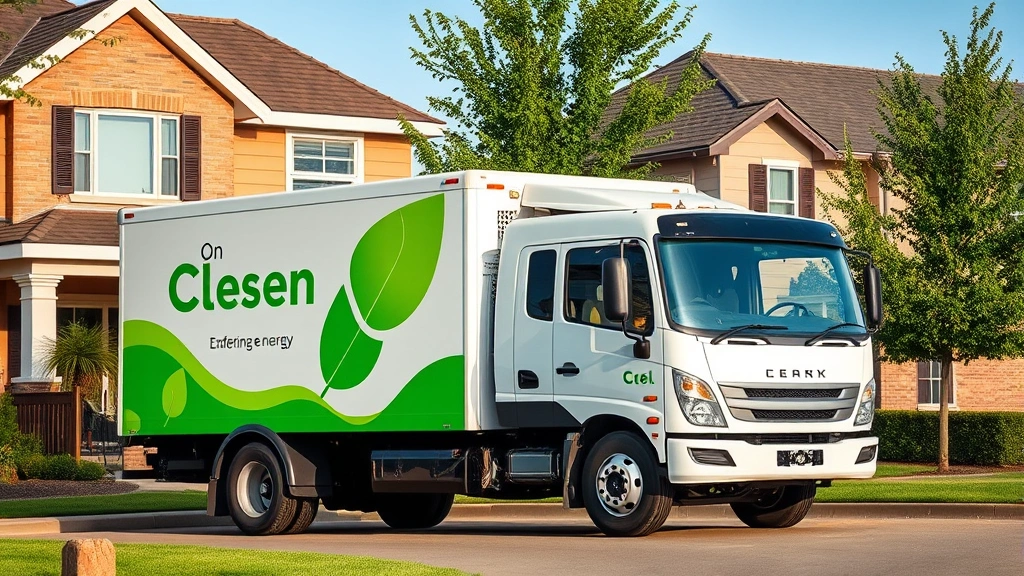
The company operates a modernized delivery fleet incorporating fuel-efficient vehicles and alternative fuel technologies. Newer delivery trucks meet stringent emissions standards, reducing greenhouse gas contributions compared to older equipment. Palmer Gas & Oil strategically replaces aging vehicles with models featuring improved fuel economy and lower particulate emissions.
Route optimization technology minimizes unnecessary mileage, reducing fuel consumption and associated emissions. Advanced dispatch systems account for customer location clustering, weather conditions, and delivery urgency. This intelligent routing decreases carbon emissions while improving customer service through more efficient scheduling.
Vehicle maintenance programs ensure optimal performance and emissions compliance. Regular servicing maintains fuel efficiency, prevents leaks, and extends vehicle lifespan. Preventive maintenance reduces emergency breakdowns requiring additional trips, further minimizing environmental impact.
Product Quality and Customer Efficiency:
Palmer Gas & Oil provides high-quality heating oil and propane meeting strict specifications. Superior fuel quality ensures complete combustion in customer heating systems, maximizing efficiency and reducing emissions. The company educates customers about fuel quality importance and its direct relationship to heating system performance.
The company promotes customer adoption of sustainable energy solutions through educational programs and incentive offerings. Customers receive guidance on system upgrades, weatherization improvements, and energy conservation practices. This customer-focused approach amplifies sustainability impact beyond company operations into household energy consumption.
Waste Reduction and Recycling:
Palmer Gas & Oil implements comprehensive waste reduction programs throughout operations. Packaging materials utilize recyclable or biodegradable components. Office operations emphasize paperless processes, reducing waste generation. Equipment recycling programs ensure proper disposal of obsolete technology and materials.
The company partners with local waste management facilities and recycling centers, ensuring responsible disposal of operational byproducts. This commitment extends to customer-facing practices, with information provided regarding proper disposal of heating system components and environmental best practices.
Community Engagement Initiatives
Sustainability transcends internal operations—Palmer Gas & Oil recognizes community engagement as essential to meaningful environmental progress. The company actively participates in regional environmental initiatives and educational programs.
Educational Outreach:
Palmer Gas & Oil sponsors workshops and seminars educating community members about energy efficiency, home heating optimization, and environmental conservation. These programs empower residents with knowledge enabling household sustainability improvements. Educational partnerships with local schools introduce younger generations to energy concepts and environmental stewardship.
The company provides resources addressing seasonal energy challenges, such as winter heating efficiency and summer cooling optimization. Practical guidance helps customers reduce energy consumption regardless of season, lowering utility costs while decreasing environmental impact.
Environmental Partnerships:
Palmer Gas & Oil collaborates with regional environmental organizations advancing conservation goals. Partnerships focus on groundwater protection, air quality improvement, and sustainable energy promotion. These collaborations amplify individual company efforts into broader community environmental benefits.
The company supports local environmental initiatives addressing climate resilience and natural resource protection. Financial contributions and volunteer participation demonstrate genuine commitment beyond corporate responsibility rhetoric. Employees receive encouragement and time allowances for environmental volunteer activities.
Community Support Programs:
Recognizing that energy costs burden vulnerable populations, Palmer Gas & Oil implements assistance programs supporting low-income households. Discounted rates, payment plans, and fuel assistance programs ensure equitable energy access. This approach integrates social responsibility with environmental sustainability, recognizing that true sustainability must address human needs.
Seasonal assistance programs help elderly and disabled community members maintain adequate heating during winter months. These initiatives prevent dangerous situations while demonstrating corporate commitment to community welfare alongside environmental goals.
Energy Efficiency Programs
Palmer Gas & Oil actively promotes customer energy efficiency, recognizing that reduced consumption benefits both households and environmental objectives.
Home Energy Audits:
The company offers comprehensive home energy audits identifying efficiency improvement opportunities. Professional assessments examine heating systems, insulation, weatherization, and appliance performance. Audit reports provide prioritized recommendations enabling customers to make informed improvement decisions.
Customers learn about advantages of electric vehicles and other alternative technologies potentially reducing household carbon footprint. While Palmer Gas & Oil’s core business involves traditional fuels, the company acknowledges customer interest in diverse energy options and provides balanced information.
System Upgrade Incentives:
Palmer Gas & Oil incentivizes customers to upgrade aging heating systems with modern, efficient equipment. High-efficiency furnaces and boilers significantly reduce fuel consumption while improving comfort. The company provides financing options and rebate information facilitating equipment replacement.
Heat pump technology receives particular attention as a hybrid heating solution. Modern heat pumps provide efficient heating during mild seasons while maintaining propane or oil backup for extreme cold periods. This integrated approach offers flexibility while promoting efficiency.
Weatherization Support:
Beyond heating systems, Palmer Gas & Oil educates customers about building envelope improvements. Proper insulation, air sealing, and window upgrades substantially reduce heating requirements. The company provides contractor referrals and financing guidance for weatherization projects.
Customers receive seasonal tips maximizing heating efficiency—maintaining appropriate thermostat settings, utilizing programmable controls, and performing preventive maintenance. These behavioral changes complement equipment improvements in comprehensive energy conservation strategies.
Future Sustainability Goals
Palmer Gas & Oil recognizes that sustainable practices represent ongoing evolution rather than static achievement. The company maintains forward-looking goals advancing environmental performance.
Fleet Decarbonization:
The company commits to progressively transitioning delivery vehicles toward zero-emission alternatives. Electric vehicle adoption represents a primary objective, with infrastructure development underway to support charging needs. While full fleet electrification requires technological advancement and infrastructure development, Palmer Gas & Oil has established interim targets for emission reductions.
Hydrogen fuel cell technology receives evaluation as a potential long-term solution for heavy-duty delivery vehicles. Continued investment in emerging technologies positions the company to adopt promising alternatives as they mature commercially.
Carbon Offset Programs:
Palmer Gas & Oil explores carbon offset initiatives offsetting unavoidable emissions. Reforestation projects, renewable energy investments, and methane reduction programs represent potential offset mechanisms. These efforts acknowledge that complete emissions elimination requires time while demonstrating commitment to carbon neutrality.
Renewable Energy Integration:
The company investigates opportunities for renewable energy integration within operations. Solar installations at facility locations reduce grid electricity consumption. Renewable energy procurement agreements ensure a portion of operational power derives from sustainable sources.
Palmer Gas & Oil recognizes the broader energy transition toward renewable sources. While propane and heating oil remain customer staples, the company positions itself as a transition partner helping customers evaluate green technology innovations transforming our future.
Customer Transition Support:
As energy markets evolve, Palmer Gas & Oil commits to supporting customer transitions to alternative heating sources when appropriate. Rather than resisting change, the company recognizes its role as an energy advisor helping customers make informed decisions aligned with personal values and circumstances.
Educational resources guide customers through available options, from high-efficiency traditional heating to renewable alternatives. This customer-centric approach builds long-term relationships based on trust and shared values.
Visit the SustainWise Hub Blog for additional insights into sustainability trends affecting energy providers and consumers alike.
FAQ
What makes Palmer Gas & Oil’s sustainability practices noteworthy?
Palmer Gas & Oil distinguishes itself through comprehensive sustainability integration spanning operations, customer service, and community engagement. Rather than viewing sustainability as peripheral concern, the company has embedded environmental responsibility throughout business operations. Third-party certifications, measurable emission reductions, and genuine community partnerships demonstrate authentic commitment beyond marketing initiatives.
How does Palmer Gas & Oil reduce delivery emissions?
The company employs multiple emission reduction strategies including fleet modernization with fuel-efficient vehicles, advanced route optimization technology minimizing unnecessary mileage, and regular maintenance ensuring optimal vehicle performance. These measures collectively reduce carbon emissions while improving delivery efficiency and customer service.
What programs help customers reduce energy consumption?
Palmer Gas & Oil offers comprehensive customer support including home energy audits identifying efficiency improvements, system upgrade incentives for modern heating equipment, weatherization guidance, and seasonal energy conservation tips. These programs empower customers to reduce consumption while lowering utility costs.
Does Palmer Gas & Oil support renewable energy adoption?
Yes, the company increasingly promotes renewable energy alternatives and helps customers evaluate options appropriate for individual circumstances. While propane and heating oil remain core products, Palmer Gas & Oil positions itself as an energy advisor supporting customer transitions toward sustainable solutions.
How can I access Palmer Gas & Oil’s sustainability resources?
Contact Palmer Gas & Oil in Atkinson, NH directly to inquire about energy audits, efficiency programs, educational resources, and assistance initiatives. The company maintains commitment to customer education and support regarding sustainable energy practices.
What external certifications does Palmer Gas & Oil maintain?
The company maintains EPA compliance certifications, heating oil technician certifications, environmental stewardship recognitions, and participates in voluntary environmental programs. Regular third-party audits verify operational compliance and identify continuous improvement opportunities.
Are assistance programs available for low-income households?
Palmer Gas & Oil implements assistance programs supporting vulnerable populations, including discounted rates, flexible payment plans, and seasonal fuel assistance. These programs ensure equitable energy access while reflecting corporate commitment to social responsibility alongside environmental sustainability.


