Are Portable Gas Grills Eco-Friendly? Study Insights
Portable gas grills have become a staple for outdoor enthusiasts, campers, and backyard entertainers seeking convenience and mobility. However, as environmental consciousness grows, many consumers are asking critical questions about whether these appliances align with sustainable living practices. The answer is nuanced, requiring examination of emissions, fuel sources, manufacturing processes, and lifecycle impacts that extend far beyond the grill itself.
Recent studies and environmental assessments reveal that portable gas grills occupy a complex position in the sustainability spectrum. While they offer certain advantages over traditional charcoal or wood-burning alternatives, they simultaneously present environmental challenges that warrant serious consideration. Understanding these trade-offs empowers consumers to make informed decisions that balance convenience with ecological responsibility.
This comprehensive analysis explores the environmental implications of portable gas grills, examining research findings, comparing alternatives, and offering practical guidance for consumers committed to reducing your environmental footprint while enjoying outdoor cooking.

Emissions Profile of Portable Gas Grills
Portable gas grills primarily operate on propane or butane, which are hydrocarbon gases extracted from fossil fuel reserves. When combusted, these fuels release carbon dioxide and other greenhouse gases into the atmosphere. According to research from the EPA’s greenhouse gas emissions database, a typical portable gas grill produces approximately 5-10 kilograms of CO2 per grilling season for average household use.
The combustion process in portable gas grills is remarkably efficient compared to many household appliances. Modern burners achieve combustion efficiency rates between 70-85%, meaning most of the fuel’s energy converts to heat rather than wasted energy. However, this efficiency doesn’t negate the fundamental carbon footprint associated with fossil fuel consumption. The emissions question becomes particularly significant when aggregated across millions of households using portable gas grills simultaneously.
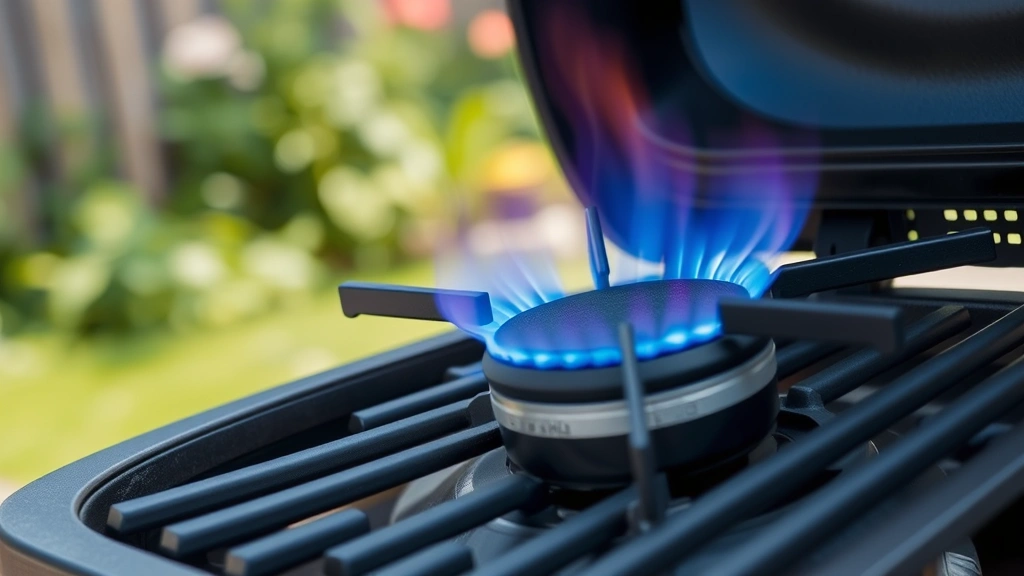
Incomplete combustion remains a concern in certain conditions. When burners receive inadequate oxygen or operate at low temperatures, they produce carbon monoxide and unburned hydrocarbons. Portable gas grills used at high altitudes or in poorly ventilated spaces may experience reduced combustion efficiency, increasing pollutant emissions. Regular maintenance and proper ventilation significantly improve performance and minimize harmful byproducts.
Methane leakage represents another environmental consideration often overlooked by consumers. Propane and butane extraction, processing, and transportation involve potential methane releases. Methane possesses a global warming potential approximately 25-28 times greater than CO2 over a 100-year period. Energy production methane emissions contribute substantially to climate change, making fuel-source sustainability paramount.
Fuel Source Analysis and Climate Impact
Propane, the most common fuel for portable gas grills, is primarily sourced through crude oil refining and natural gas processing. Approximately 90% of propane consumed in North America derives from domestic production, reducing transportation emissions compared to imported fuels. However, extraction methods—particularly hydraulic fracturing—raise environmental concerns regarding groundwater contamination and habitat disruption.
The carbon intensity of propane varies significantly based on production methods and transportation distances. Conventional propane extraction generates lower emissions than shale gas extraction through fracking. Biogas-derived propane, though currently representing less than 1% of commercial supply, offers substantially lower lifecycle emissions. As renewable propane production increases through organic waste decomposition, the fuel’s environmental profile improves considerably.
Butane, an alternative fuel for portable gas grills, presents similar environmental challenges. Butane’s energy density exceeds propane, requiring smaller volumes for equivalent heat output. This efficiency advantage is offset by butane’s higher volatility and stricter storage requirements. In warmer climates, butane’s superior vaporization characteristics make it preferable, while propane performs better in cold conditions.
Understanding sustainable energy solutions requires evaluating fuel sourcing transparency. Consumers should prioritize suppliers offering renewable propane or biogas-derived options when available. Checking certification from organizations like the Propane Gas Association ensures responsible sourcing practices.
Manufacturing and Material Considerations
The environmental impact of portable gas grills extends significantly beyond operational emissions to encompass manufacturing processes. Most portable grills incorporate aluminum, stainless steel, and cast iron components, each presenting distinct environmental challenges during production.
Aluminum manufacturing represents one of the most energy-intensive industrial processes globally. Extracting aluminum from bauxite ore and refining it requires approximately 15 kilowatt-hours of electricity per kilogram produced. If sourced from renewable energy grids, aluminum production emissions decrease substantially; conversely, coal-dependent energy sources dramatically increase the carbon footprint. Recycled aluminum requires only 5% of the energy necessary for virgin aluminum production, making recycled content a critical sustainability metric.
Stainless steel production involves chromium and nickel mining, processes associated with significant environmental degradation. Mining operations generate tailings that contaminate waterways and disrupt ecosystems. The energy required for steel refining and processing contributes additional emissions. However, stainless steel’s durability and corrosion resistance extend product lifespan, partially offsetting manufacturing impacts through reduced replacement frequency.
Cast iron components, while requiring energy-intensive smelting processes, offer exceptional longevity when properly maintained. Many cast iron grill sections function for decades, amortizing manufacturing emissions across extended use periods. The recyclability of cast iron at end-of-life further enhances its environmental profile compared to composite materials.
Packaging materials significantly impact overall manufacturing sustainability. Excessive plastic and foam packaging generates waste and requires petroleum extraction. Manufacturers increasingly adopting minimalist, recyclable packaging reduce this environmental burden considerably. Assessing manufacturer commitment to principles of sustainability should inform purchasing decisions.
Lifecycle Assessment Findings
Comprehensive lifecycle assessments (LCAs) evaluate environmental impacts across all stages: material extraction, manufacturing, transportation, use, and end-of-life disposal. Recent studies examining portable gas grills reveal surprising insights about which lifecycle stages contribute most significantly to overall environmental burden.
Operational phase impacts dominate the lifecycle profile for most portable gas grills. A typical grill used for 200 hours annually over 15 years generates approximately 75-150 kilograms of CO2 through fuel combustion. This operational phase represents 60-75% of the total lifecycle carbon footprint, substantially exceeding manufacturing impacts. This finding suggests that usage optimization strategies offer the greatest environmental benefit potential.
Manufacturing impacts typically account for 15-25% of lifecycle emissions, with aluminum production and steel refining consuming the most energy. Transportation from manufacturing facilities to retail distribution centers contributes 5-10% of total lifecycle emissions. This relatively modest transportation contribution reflects efficient logistics networks and the product’s modest weight relative to shipping distances.
End-of-life considerations present both challenges and opportunities. Most portable gas grills lack comprehensive recycling infrastructure, resulting in landfill disposal of valuable materials. Approximately 80% of grill components remain recyclable through appropriate facilities, yet fewer than 20% of consumers access these services. Extending product lifespan through maintenance and repair dramatically reduces per-use environmental impact.
Research from the University of Michigan’s Center for Sustainable Systems demonstrates that doubling a portable gas grill’s functional lifespan reduces lifecycle emissions by approximately 40%. This finding emphasizes that consumer behavior and maintenance practices profoundly influence environmental outcomes independent of manufacturing efficiency.
Comparative Environmental Impact
Evaluating portable gas grills’ environmental performance requires contextualizing their impacts against alternative outdoor cooking methods. Charcoal grilling, wood-fired grills, electric grills, and traditional propane models each present distinct environmental profiles.
Charcoal Grilling: Traditional charcoal production involves deforestation and biomass conversion through inefficient pyrolysis. Charcoal manufacturing generates substantial emissions while consuming forest resources. However, charcoal sourced from sustainable forestry operations or agricultural waste presents lower environmental impact. Charcoal combustion produces higher particulate matter and carbon monoxide levels than gas grilling, contributing to air quality degradation.
Wood-Fired Grills: While wood represents a renewable resource when sustainably harvested, wood-fired grills generate significantly higher emissions per cooking session than gas alternatives. Incomplete combustion produces substantial particulate matter and volatile organic compounds. Wood-fired cooking appeals primarily to enthusiasts prioritizing culinary experience over environmental efficiency.
Electric Grills: When powered by renewable energy sources, electric grills represent the lowest-emission cooking option. However, most grid electricity in North America derives partially from fossil fuels, reducing this advantage. Electric grill efficiency typically reaches 90-95%, exceeding gas grill performance. Regions with high renewable energy penetration, such as California or parts of the Pacific Northwest, benefit substantially from electric grill adoption.
Traditional Propane Models: Full-sized propane grills offer similar combustion efficiency to portable models but consume fuel at higher rates due to larger cooking surfaces and longer preheating times. Portable gas grills’ compact design and rapid heating reduce per-session fuel consumption, providing environmental advantages over larger models.
Studies from the Carbon Trust indicate that portable gas grills represent a middle-ground environmental option—substantially better than charcoal or wood alternatives but inferior to solar or electric cooking methods powered by renewable energy.
Sustainable Alternatives to Consider
For consumers committed to minimizing outdoor cooking’s environmental impact, several alternatives merit serious consideration. Understanding these options enables informed decisions aligned with personal values and lifestyle preferences.
Solar Cooking: Solar cookers harness renewable energy through parabolic reflectors or insulated boxes, eliminating fuel consumption and emissions entirely. While slower than gas grilling and weather-dependent, solar cooking represents the most environmentally benign option. Modern solar cooker designs achieve temperatures suitable for grilling, baking, and boiling water. Initial costs exceed portable gas grills, but operational expenses remain negligible across the product’s 20+ year lifespan.
Electric Grills Powered by Renewable Energy: Consumers with access to renewable energy sources—rooftop solar systems, community solar programs, or renewable energy tariffs—can eliminate operational emissions through electric grilling. These systems offer convenience, precise temperature control, and portability equivalent to gas alternatives while maintaining zero operational carbon footprint.
Biochar and Sustainable Charcoal: Charcoal produced from agricultural waste or sustainably managed biomass presents substantially lower environmental impact than conventional charcoal. Biochar production sequesters carbon while converting waste materials into useful fuel. While combustion still generates emissions, the renewable sourcing and waste utilization offset this concern partially.
Community Grilling Spaces: Shared grilling facilities reduce per-capita environmental impact through resource efficiency. Communal grills serve multiple households, amortizing manufacturing emissions across many users. This approach particularly benefits apartment dwellers and urban residents lacking private outdoor space.
Exploring how to save energy at home extends naturally to outdoor cooking practices. Integrating sustainable grilling methods into broader household efficiency strategies maximizes environmental benefits.
Optimization Strategies for Eco-Conscious Users
For consumers committed to portable gas grills despite environmental concerns, numerous optimization strategies substantially reduce ecological impact while maintaining convenience and functionality.
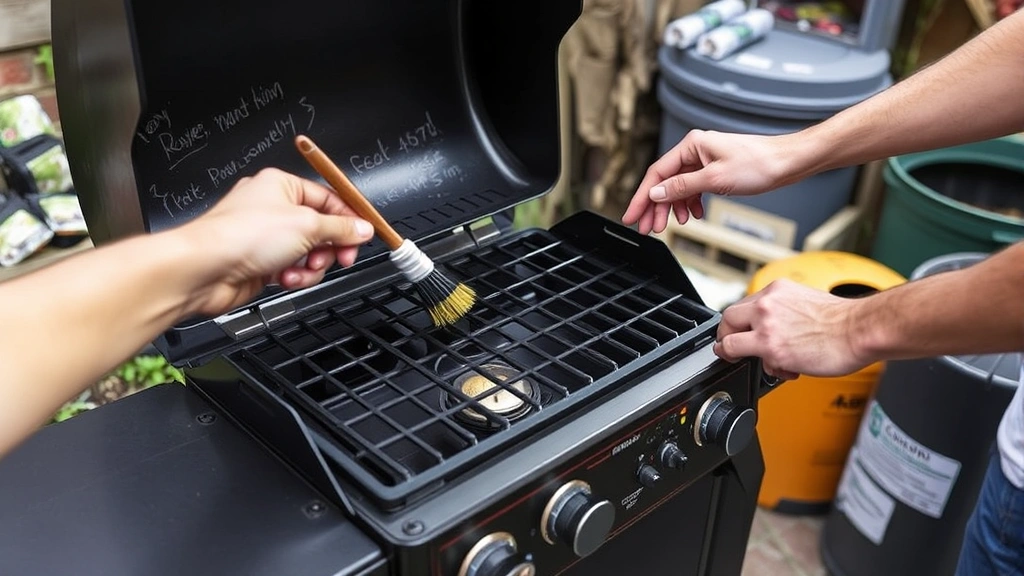
Fuel Efficiency Maximization: Proper maintenance directly improves combustion efficiency. Regular cleaning of burners prevents carbon buildup that reduces heat output. Inspecting seals and connections prevents propane leakage, ensuring fuel reaches combustion rather than atmosphere. Covering grills when not in use reduces preheating requirements for subsequent sessions. These simple practices reduce fuel consumption by 15-25% annually.
Renewable Propane Adoption: Consumers should prioritize suppliers offering renewable propane—fuel derived from organic waste through anaerobic digestion. Renewable propane achieves carbon neutrality or negativity when lifecycle emissions account for avoided methane emissions from decomposing biomass. Availability remains limited but expanding as infrastructure develops.
Behavioral Optimization: Consolidating grilling sessions reduces frequency of fuel consumption and equipment operation. Cooking larger portions simultaneously rather than multiple small sessions decreases per-meal emissions. Utilizing retained heat after grilling completion—maintaining grates at cooking temperature for extended periods—maximizes energy utilization efficiency.
Equipment Longevity Extension: Proper maintenance dramatically extends portable gas grill lifespan, reducing replacement frequency and associated manufacturing emissions. Protecting grills from weather through covers, storing indoors during off-seasons, and addressing rust or damage promptly preserves functionality. A well-maintained grill functioning 25 years rather than 15 reduces lifecycle emissions per year by approximately 40%.
Complementary Renewable Integration: Combining portable gas grills with solar cooking or electric alternatives for low-temperature applications reduces gas consumption. Using solar cookers for preheating food or boiling water before gas grilling completion saves fuel. This hybrid approach maintains convenience while substantially reducing environmental impact.
Carbon Offsetting: Consumers uncomfortable with operational emissions can purchase verified carbon offsets through organizations supporting renewable energy development, reforestation, or methane capture projects. While not eliminating environmental impact, offsetting acknowledges responsibility and supports climate solutions. Gold Standard verified offsets ensure transparent, audited climate benefits.
Understanding advantages of electric vehicles demonstrates how technology transitions support sustainability. Similarly, electric grill adoption represents the most direct pathway toward eliminating outdoor cooking emissions as renewable energy infrastructure expands.
FAQ
Are portable gas grills more eco-friendly than charcoal grills?
Portable gas grills generally present lower environmental impact than charcoal alternatives. Gas combustion produces fewer particulates and toxic compounds than charcoal burning. However, both rely on fossil fuels or carbon-intensive biomass. The environmental advantage depends significantly on fuel sourcing—renewable propane substantially outperforms conventional propane or charcoal in climate impact metrics.
What is the carbon footprint of a typical portable gas grill?
A portable gas grill used for 200 hours annually generates approximately 5-10 kilograms of CO2 annually, totaling 75-150 kilograms across a 15-year lifespan. Manufacturing and transportation contribute an additional 20-40 kilograms of CO2 equivalent. Total lifecycle carbon footprint typically ranges from 95-190 kilograms CO2 equivalent per grill.
Can renewable propane actually reduce emissions?
Yes, renewable propane derived from organic waste achieves 70-90% lifecycle emission reductions compared to conventional propane. By capturing methane from decomposing biomass and converting it to propane, renewable options prevent potent greenhouse gas release while utilizing waste materials. Availability remains limited but expanding through specialized suppliers.
Is it more sustainable to repair or replace an old portable gas grill?
Repairing is substantially more sustainable than replacement in nearly all scenarios. Manufacturing new grills generates 20-40 kilograms of CO2 equivalent. Repairs typically require far less material and energy investment. Even significant repairs prove environmentally preferable to replacement unless the grill is non-functional beyond reasonable repair investment.
How does electric grilling compare environmentally to gas grilling?
Electric grilling powered by renewable energy eliminates operational emissions entirely, providing the lowest environmental impact. However, grid-powered electric grills generate emissions equivalent to gas grilling in regions dependent on fossil fuel electricity. In areas with high renewable energy penetration, electric grills offer clear environmental advantages.
What maintenance practices improve a portable gas grill’s environmental performance?
Regular burner cleaning, seal inspection, connection checks, and protective covering significantly improve efficiency and reduce fuel consumption by 15-25% annually. Addressing rust or damage promptly extends lifespan, reducing replacement frequency and associated manufacturing emissions. Proper storage during off-seasons prevents deterioration requiring replacement.


