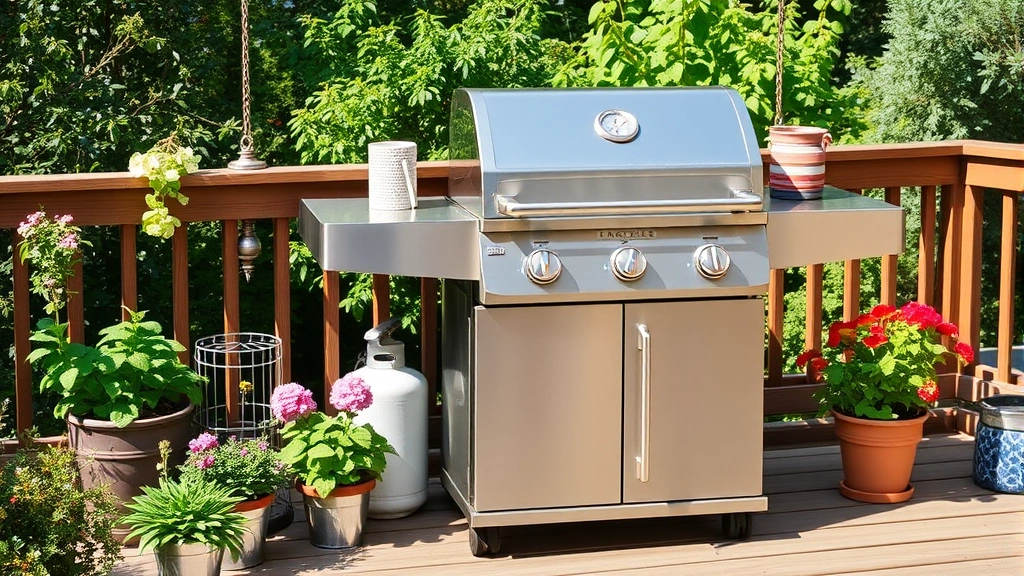
Is a Gas Grill Eco-Friendly? Expert Insights on the Q 1200 and Beyond
When it comes to outdoor cooking, gas grills have become increasingly popular for their convenience and consistent heat output. The Q 1200 gas grill, a compact model favored by many households, represents a common choice for those seeking reliable grilling performance. However, the question of whether gas grills are truly eco-friendly deserves careful examination. As consumers become more conscious of their environmental impact, understanding the sustainability implications of gas grilling versus other cooking methods becomes essential for making informed decisions about your outdoor setup.
The environmental footprint of a gas grill encompasses multiple factors: fuel source emissions, manufacturing processes, operational efficiency, longevity, and end-of-life disposal. While gas grills offer certain advantages over charcoal alternatives, they still generate greenhouse gas emissions and rely on fossil fuels. This comprehensive guide explores whether the Q 1200 and similar gas grills align with genuine sustainability principles, examines how they compare to alternative cooking methods, and provides actionable insights for eco-conscious grilling.
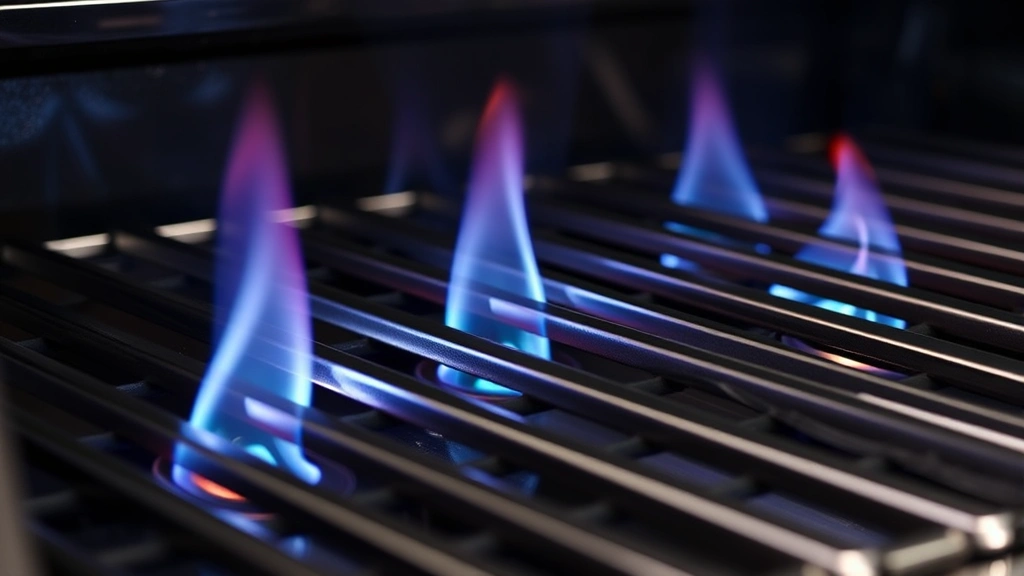
Understanding Gas Grill Emissions and Carbon Footprint
Natural gas and propane, the two primary fuel sources for gas grills, are fossil fuels that release carbon dioxide and other greenhouse gases when burned. A typical gas grill produces approximately 5-10 kg of CO₂ per year, depending on usage frequency and grill size. The Q 1200, being a compact portable model, falls on the lower end of this spectrum due to its smaller cooking surface and reduced fuel consumption compared to full-sized grills.
The complete carbon footprint of a gas grill includes several components. Direct emissions occur during combustion when propane or natural gas burns. Indirect emissions arise from fuel extraction, processing, transportation, and distribution. Manufacturing emissions result from steel production, assembly, and packaging. For a complete understanding of your environmental impact, consider reviewing resources on how to reduce your environmental footprint, which addresses various household activities and their climate implications.
However, gas grills demonstrate greater efficiency than charcoal alternatives. They require less fuel to achieve comparable cooking temperatures, and their heat output remains more consistent throughout the cooking process. This efficiency translates to lower per-meal emissions when properly maintained and operated. Natural gas connections, available in many urban and suburban areas, offer additional advantages over propane tanks, as they eliminate transportation emissions associated with tank refilling.

The Q 1200: Performance and Environmental Impact
The Weber Q 1200 represents a popular choice in the compact gas grill category, combining portability with respectable cooking capacity. This model utilizes propane fuel and features a stainless steel construction that typically lasts 10-15 years with proper maintenance. Understanding this specific grill’s environmental profile helps contextualize broader discussions about gas grill sustainability.
The Q 1200’s compact design offers environmental advantages worth noting. Its smaller cooking area requires less propane per cooking session compared to larger models, resulting in reduced per-meal emissions. The grill’s portability appeals to renters and those in smaller spaces, potentially reducing the tendency to purchase multiple grills over a lifetime. Its durability and availability of replacement parts support extended product lifespan, which reduces the need for frequent replacements and associated manufacturing emissions.
Propane consumption for the Q 1200 averages 4-6 pounds per 10-15 hours of cooking, depending on heat settings and ambient temperature. A standard propane tank contains approximately 20 pounds, meaning one tank provides 30-50 hours of grilling time. This translates to roughly 0.8-1.2 kg of CO₂ emissions per hour of cooking, assuming standard propane combustion produces approximately 12.4 kg of CO₂ per gallon burned.
The manufacturing process for the Q 1200 involves steel production, which is energy-intensive. However, stainless steel’s durability means fewer replacements over time. When considering the total lifecycle emissions, a grill that lasts 15 years produces significantly lower per-year manufacturing emissions than cheaper alternatives requiring replacement every 5-7 years. This principle aligns with broader sustainable energy solutions that prioritize durability and longevity.
Gas vs. Charcoal: A Comparative Analysis
The environmental comparison between gas and charcoal grills reveals nuanced trade-offs rather than clear superiority. While gas produces direct CO₂ emissions during combustion, charcoal involves additional environmental considerations often overlooked in casual discussions.
Charcoal production typically involves burning wood in oxygen-limited environments, creating significant air pollution during manufacturing. Charcoal sourcing often contributes to deforestation in developing nations, where regulations may be lax. A single charcoal grilling session can require 2-3 pounds of charcoal, producing roughly 8-12 kg of CO₂ when burned—significantly more than equivalent gas grilling. Additionally, charcoal grilling generates more smoke and particulate matter, contributing to local air quality degradation.
Gas grilling advantages include superior fuel efficiency, cleaner combustion with minimal particulate emissions, and faster heat-up times that reduce overall cooking duration. Gas grills produce fewer volatile organic compounds (VOCs) and other air pollutants compared to charcoal. For frequent grillers, the cumulative emissions from charcoal usage typically exceed those from gas.
However, charcoal does offer sustainability advantages in specific contexts. Sustainably sourced charcoal, particularly from agricultural waste or managed forestry operations, can reduce environmental impact. Charcoal requires no electricity for operation, whereas some gas grill models incorporate electronic ignition systems. For those prioritizing minimal technology and maximum independence from infrastructure, charcoal presents a viable alternative despite higher direct emissions.
The most accurate assessment concludes that gas grilling represents a more environmentally responsible choice than conventional charcoal for most users, particularly when considering frequency of use and total lifecycle emissions. However, neither option qualifies as genuinely sustainable without incorporating additional eco-conscious practices.
Electric and Pellet Grill Alternatives
Modern alternatives to gas grilling offer substantially lower environmental footprints, though with trade-offs regarding convenience and performance. Understanding these options helps determine whether transitioning from gas represents a worthwhile investment for your household.
Electric grills produce zero direct emissions and operate with exceptional efficiency when powered by renewable electricity sources. A typical electric grill uses 2-3 kilowatts during operation. If your home utilizes renewable energy infrastructure similar to electric vehicle charging systems, electric grilling becomes genuinely carbon-neutral. Even with grid electricity containing fossil fuel components, electric grills typically produce 50-70% fewer emissions than gas alternatives. They heat up quickly, maintain precise temperatures, and produce no combustion byproducts.
The primary limitations of electric grills include lower maximum temperatures unsuitable for high-heat searing, lack of portability, and dependence on electrical outlets. They also cannot replicate the distinctive char and smoky flavor many grilling enthusiasts prefer. For apartment dwellers and those in urban settings with limited outdoor space, however, electric grills offer practical sustainability advantages.
Pellet grills represent an interesting middle ground, using compressed biomass pellets as fuel. These pellets often derive from agricultural waste, sawmill residue, or sustainably managed forestry operations. Pellet grills produce rich flavor profiles similar to charcoal while maintaining the convenience and efficiency of gas. When sourced from certified sustainable forestry, pellet fuel can be carbon-neutral or carbon-negative when accounting for forest regeneration.
However, pellet grills require electricity for operation, typically consuming 100-150 watts continuously. They also depend on supply chains for pellet delivery, similar to propane tank refilling. The environmental benefit varies significantly based on pellet sourcing—pellets from sustainable operations offer substantial advantages, while those from questionable sources may carry hidden environmental costs.
Explore green technology innovations transforming our future to understand emerging grill technologies and sustainable outdoor cooking solutions entering the market.
Maximizing Efficiency and Reducing Your Grilling Footprint
Regardless of grill type, operational practices significantly influence environmental impact. Implementing efficiency-focused strategies can reduce your grilling carbon footprint by 30-50% without sacrificing cooking quality.
Pre-heat strategically: Preheat your Q 1200 or any gas grill for only 10-15 minutes rather than 20-30 minutes. This reduces fuel consumption while still achieving adequate cooking temperatures. Cover the grill during preheat to retain heat and accelerate temperature rise.
Maintain consistent temperature: Avoid constantly adjusting burner settings, which wastes fuel and extends cooking time. Plan your cooking strategy beforehand, arranging food to utilize temperature zones efficiently. Cooking multiple items simultaneously maximizes per-use fuel efficiency.
Regular maintenance: Clean grates and burners quarterly to ensure optimal combustion efficiency. A well-maintained grill converts fuel to heat more effectively than a neglected one. Replace worn grates and damaged components promptly, as degraded equipment requires higher temperatures to achieve desired results.
Invest in quality covers: Protective covers extend grill lifespan and maintain performance, reducing the frequency of replacements and associated manufacturing emissions. They also prevent rust and corrosion that compromise efficiency.
Optimize food preparation: Cut food into uniform sizes to promote even cooking and reduce total cooking time. Marinate proteins before grilling, which tenderizes meat and reduces necessary cooking duration. These practices decrease fuel consumption per meal.
Schedule grilling strategically: Combine multiple meals into single grilling sessions when feasible. Batch cooking reduces per-meal emissions significantly. Consider hosting gatherings that justify extended grill operation across multiple hours rather than frequent brief cooking sessions.
Sustainable Grilling Practices for Responsible Outdoor Cooking
True sustainability extends beyond equipment selection to encompass sourcing practices, food choices, and disposal methods. Adopting comprehensive sustainable grilling practices creates meaningful environmental benefits.
Source sustainable proteins: The environmental impact of your food often exceeds that of the cooking method. Prioritize grass-fed beef from regenerative farms, wild-caught fish from sustainable fisheries, and locally-sourced poultry. Plant-based grilling options like portobello mushrooms, plant-based burgers, and vegetable skewers carry significantly lower environmental footprints. Consider consulting resources about sustainability across various lifestyle domains for comprehensive guidance.
Choose local and seasonal produce: Grilled vegetables from local farmers markets require minimal transportation and typically involve fewer pesticides. Seasonal selection supports regional agriculture and reduces refrigeration requirements.
Manage propane responsibly: Keep propane tanks in good condition and refill at certified facilities. Improperly maintained tanks leak fuel and increase emissions. Consider converting to natural gas if available in your area, eliminating tank transportation emissions.
Reduce waste during grilling: Plan portions carefully to minimize food waste. Use marinades and rubs from whole ingredients rather than pre-packaged options with excessive packaging. Compost vegetable scraps and other organic materials rather than disposing through standard waste streams.
Extend product lifespan: Invest in durable grills with readily available replacement parts. The Q 1200’s popularity ensures parts availability, supporting long-term use. Repair rather than replace components when possible, reducing manufacturing emissions associated with new equipment.
Proper disposal at end-of-life: When grills reach the end of their functional life, ensure proper recycling of metal components. Many municipalities offer metal recycling programs. Avoid disposing grills in landfills where metals leach into soil and groundwater.
The intersection of grilling preferences and environmental responsibility requires balanced assessment. Gas grills represent a moderate choice—significantly better than charcoal for most users, but not as environmentally optimal as electric or sustainably-sourced pellet alternatives. The Q 1200’s compact design and durability support longer product lifespan, reducing lifecycle emissions compared to cheaper alternatives.
For those committed to sustainable energy solutions and environmental responsibility, the most honest assessment suggests transitioning to electric grills powered by renewable energy represents the optimal choice. However, for existing gas grill owners, implementing operational efficiency practices and sustainable sourcing choices creates substantial environmental benefits without requiring equipment replacement.
FAQ
How much CO₂ does a gas grill produce per year?
A typical gas grill produces 5-10 kg of CO₂ annually, depending on usage frequency and grill size. The Q 1200, being compact, produces approximately 3-5 kg per year assuming moderate weekly use. This calculation includes direct combustion emissions but not manufacturing or fuel transportation impacts.
Is the Q 1200 gas grill better for the environment than charcoal?
Yes, the Q 1200 produces significantly lower emissions than charcoal grilling. Charcoal burning generates 8-12 kg of CO₂ per cooking session, compared to 1-2 kg for the Q 1200. Additionally, charcoal production contributes to deforestation and air pollution during manufacturing. For frequent grillers, gas consistently outperforms charcoal environmentally.
Should I replace my gas grill with an electric alternative?
Replacing a functioning gas grill with an electric model is only environmentally justified if powered by renewable electricity. Replacement manufacturing emissions must be offset by operational savings—typically requiring 5-8 years of use. If your electricity comes from fossil fuel sources, the environmental benefit is modest. Consider replacement only when your current grill reaches end-of-life.
What is the most eco-friendly grilling method?
Electric grilling powered by renewable electricity offers the lowest environmental footprint. Pellet grills using sustainably-sourced biomass rank second. Gas grills represent a moderate option, better than charcoal but requiring operational efficiency practices to minimize impact.
How can I reduce my gas grill’s environmental impact?
Implement regular maintenance, preheat for minimal duration, cook multiple items simultaneously, maintain consistent temperatures, and source sustainable proteins and local produce. These practices reduce per-meal emissions by 30-50% without equipment replacement.
Are propane and natural gas equally eco-friendly for grilling?
Natural gas produces slightly lower emissions when accounting for transportation, as it connects directly to home infrastructure without requiring tank refilling. However, direct combustion emissions are comparable. Natural gas availability depends on regional infrastructure, making propane the only option for many users.
What external certifications indicate sustainable grill manufacturing?
Look for manufacturers certified by the Sustainable Furnishings Council or those utilizing EPA Energy Star standards. Additionally, check for responsible steel sourcing certifications and manufacturing transparency reports. Unfortunately, many grill manufacturers lack comprehensive sustainability certifications.


