Propane Gas Stove: Eco-Friendly Cooking Solution?
When evaluating kitchen appliances through an environmental lens, propane gas stoves present a nuanced sustainability question. Unlike electric stoves powered by renewable energy or traditional natural gas lines, propane offers unique advantages and drawbacks for eco-conscious homeowners. Understanding whether a propane gas stove qualifies as an eco-friendly cooking solution requires examining its carbon footprint, energy efficiency, operational costs, and broader environmental implications across its lifecycle.
The debate surrounding propane cooking extends beyond simple efficiency metrics. Propane represents a liquefied petroleum gas (LPG) that occupies a middle ground between fossil fuels and cleaner energy sources. For rural properties without natural gas infrastructure, propane stoves may represent the most practical cooking option available. However, for those with alternatives, the environmental calculus becomes more complex. This comprehensive guide explores whether propane gas stoves deserve a place in sustainable kitchens.
Understanding Propane as a Fuel Source
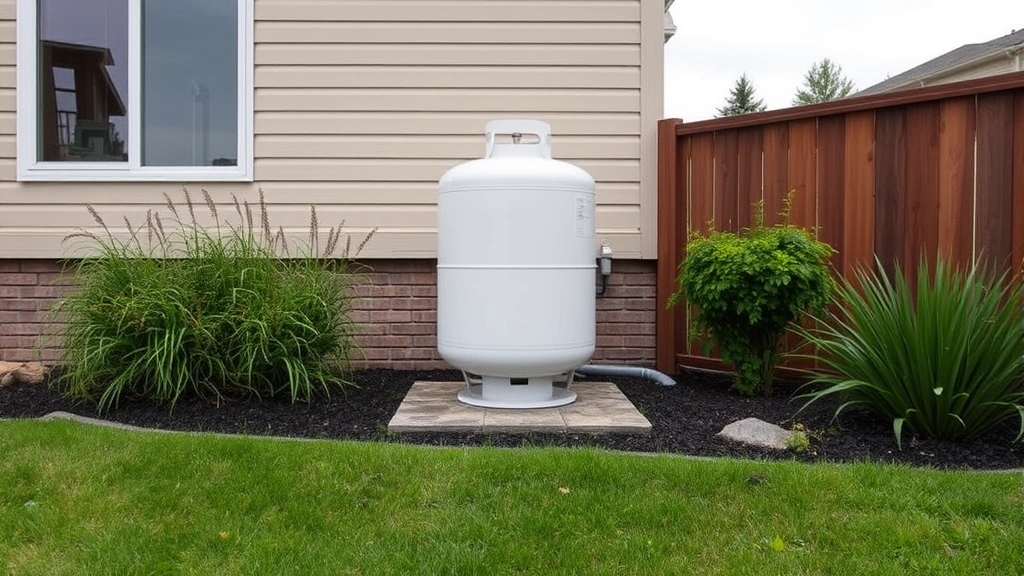
Propane is a hydrocarbon gas extracted during crude oil refining and natural gas processing. Unlike natural gas delivered through underground pipelines, propane requires storage in tanks, making it ideal for properties without municipal gas infrastructure. This accessibility factor has made propane a staple fuel for rural and suburban cooking, heating, and water heating systems across North America.
According to the U.S. Energy Information Administration, approximately 12 million American households rely on propane for heating and cooking. The fuel’s portability and storage capability distinguish it from natural gas, which requires permanent infrastructure. Propane burns cleaner than coal or oil but produces greenhouse gases during combustion, contributing to climate change when used at scale.
The extraction and processing of propane involves energy-intensive operations. Crude oil refining consumes significant electricity and generates its own emissions. This upstream environmental cost must be factored into any comprehensive sustainability assessment of propane cooking. Understanding these foundational aspects helps contextualize why propane occupies a complicated position within definitions of sustainability.
Energy Efficiency of Propane Gas Stoves
Propane gas stoves excel in energy efficiency compared to many electric alternatives. When you ignite a propane burner, approximately 70-75% of the fuel’s energy transfers directly to cookware, with the remainder dissipating as heat. This direct heat transfer makes propane stoves responsive and efficient for cooking tasks. Electric coil stoves achieve only 65-75% efficiency, while induction cooktops reach 80-90% efficiency when using compatible cookware.
The practical cooking experience with propane differs significantly from electric options. Chefs appreciate the instant flame adjustment, real-time temperature control, and visual feedback that gas cooking provides. This responsiveness can actually reduce cooking time and energy waste through better temperature management. Professional kitchens have long preferred gas for these efficiency characteristics, suggesting that propane stoves support practical sustainability through reduced cooking duration.
Modern propane stove models incorporate improved burner designs that enhance combustion efficiency. Sealed burners prevent heat loss around cookware edges, while precision controls allow fine-tuned flame adjustment. These innovations have incrementally improved propane stove efficiency over decades, though the fundamental technology remains relatively unchanged. When evaluating sustainable energy solutions, propane’s efficiency profile deserves consideration alongside cleaner alternatives.
Efficiency Comparison Chart:
- Propane gas stoves: 70-75% efficiency
- Electric coil stoves: 65-75% efficiency
- Electric smooth-top stoves: 70-75% efficiency
- Induction cooktops: 80-90% efficiency
- Natural gas stoves: 70-75% efficiency
Carbon Footprint and Emissions
The carbon footprint of propane cooking encompasses multiple stages: extraction, processing, transportation, storage, and combustion. Each phase contributes to overall environmental impact. When propane burns, it produces carbon dioxide (CO₂) and water vapor as primary byproducts. Complete combustion of one pound of propane generates approximately 1.5 pounds of CO₂, a fundamental chemical relationship that cannot be avoided.
A typical household cooking with propane for one year generates roughly 1-2 tons of CO₂ equivalent, depending on usage frequency. This represents a moderate but measurable contribution to household greenhouse gas emissions. For comparison, household electricity consumption varies dramatically based on the grid’s energy sources. In regions powered primarily by renewable energy, electric cooking produces significantly lower emissions than propane. However, in areas reliant on fossil fuel power plants, the difference narrows considerably.
Methane leakage presents another environmental concern with propane systems. Propane storage tanks and delivery infrastructure can leak this potent greenhouse gas if not properly maintained. Methane traps approximately 80 times more heat than CO₂ over a 20-year period, making even small leaks environmentally significant. Regular tank inspections and prompt repair of leaks become essential sustainability practices for propane users.
The extraction process itself raises environmental concerns. Propane is separated from crude oil during refining, meaning propane production is intrinsically linked to petroleum extraction. Expanding propane consumption indirectly supports continued fossil fuel industry development. This reality conflicts with principles of sustainability that prioritize transitioning away from fossil fuel dependence.
Comparing Propane to Alternative Cooking Methods
Understanding propane’s sustainability position requires direct comparison with viable alternatives. Each cooking method carries distinct environmental advantages and limitations based on regional factors, infrastructure availability, and personal circumstances.
Propane vs. Natural Gas: Natural gas delivered through municipal pipelines produces similar emissions to propane during combustion. However, natural gas infrastructure eliminates transportation and storage energy requirements. Where natural gas availability exists, it generally represents a marginally better choice than propane. The primary distinction lies in infrastructure efficiency rather than fundamental combustion characteristics. Both remain fossil fuels with associated climate impacts.
Propane vs. Electric Cooking: This comparison depends heavily on grid composition. In regions with substantial renewable energy (wind, solar, hydroelectric), electric cooking becomes significantly more sustainable than propane. California, for instance, generates over 60% of electricity from renewable sources, making electric cooking there substantially cleaner than propane. Conversely, regions dependent on coal power plants may see electric cooking producing comparable or greater emissions than propane.
Propane vs. Induction Cooking: Induction cooktops represent the most energy-efficient electric cooking technology, transferring 80-90% of electrical energy directly to cookware. Combined with renewable electricity, induction cooking becomes the most sustainable option. However, induction requires compatible ferromagnetic cookware, involves higher equipment costs, and necessitates electrical grid reliance. For off-grid properties or those lacking reliable electricity, propane may remain the practical choice.
The green technology innovations in cooking continue evolving. Solar cooking systems, biogas digesters, and other alternative technologies represent emerging options, though they lack the practicality and reliability of conventional cooking methods for most households.
Environmental Impact Comparison (annual household cooking):
- Propane stove: 1-2 tons CO₂ equivalent
- Natural gas stove: 0.9-1.8 tons CO₂ equivalent
- Electric stove (coal-heavy grid): 1.5-2.5 tons CO₂ equivalent
- Electric stove (renewable-heavy grid): 0.2-0.5 tons CO₂ equivalent
- Induction cooktop (renewable-heavy grid): 0.2-0.5 tons CO₂ equivalent
Safety and Environmental Concerns
Beyond climate considerations, propane systems present specific environmental and safety concerns that affect overall sustainability assessment. Propane leaks pose immediate health risks through asphyxiation and explosion hazards. From an environmental perspective, leaking propane represents wasted energy and greenhouse gas emissions. Proper maintenance, regular inspections, and professional installation become non-negotiable requirements for responsible propane use.
Indoor air quality represents another health-sustainability intersection. Properly functioning propane stoves produce primarily CO₂ and water vapor. However, incomplete combustion generates nitrogen oxides (NOx), carbon monoxide (CO), and particulate matter. These pollutants accumulate indoors without adequate ventilation, affecting respiratory health. Kitchens with propane stoves require proper exhaust hoods vented to the exterior, adding to installation complexity and energy costs.
The EPA acknowledges that gas stoves contribute to indoor air quality degradation, particularly in homes with inadequate ventilation. This health dimension adds complexity to sustainability assessments, as environmental responsibility encompasses human wellbeing alongside planetary health.
Tank storage presents environmental risks during extreme weather events. Flooding, hurricanes, and earthquakes can rupture propane tanks, releasing fuel into soil and water. Proper tank installation, anchoring, and regular maintenance mitigate these risks. However, the inherent hazard of storing pressurized fossil fuel fuel on residential properties introduces environmental vulnerabilities absent with electric cooking.
Making the Sustainable Choice
Determining whether a propane gas stove aligns with your sustainability goals requires honest assessment of your specific circumstances, alternatives, and environmental priorities. No universal answer applies to all situations.
Choose propane if: You live in a rural area without natural gas infrastructure or reliable electricity access. Propane offers practical cooking capability where alternatives are unavailable. You have existing propane infrastructure already in place. Replacing functioning equipment generates greater environmental impact than continued use. You prioritize cooking efficiency and response time. The practical benefits of gas cooking reduce overall energy consumption through faster meal preparation. Your regional electricity grid relies heavily on fossil fuels, making electric cooking comparable in emissions.
Transition away from propane if: Natural gas service becomes available in your area. The infrastructure efficiency gain justifies equipment replacement. Your electricity grid incorporates substantial renewable energy. Electric or induction cooking becomes substantially cleaner. You can install induction cooktops with renewable electricity. This represents the most efficient and sustainable cooking solution available. You experience frequent propane leaks or tank maintenance issues. Switching to electric eliminates ongoing leak risks and associated emissions.
The broader context of your household sustainability efforts matters significantly. Propane cooking represents one component of overall environmental impact. A household relying on propane for cooking but powering everything else with renewable energy occupies a different sustainability position than one burning propane across multiple systems. Prioritize decarbonization efforts where they yield greatest impact.
For those committed to transitioning away from fossil fuels, propane cooking serves as an interim solution rather than a permanent choice. Developments in renewable electricity generation, battery storage, and grid modernization will increasingly favor electric cooking alternatives. Planning kitchen renovations with future electrification in mind supports long-term sustainability goals.
FAQ
Is propane cooking truly eco-friendly?
Propane cooking occupies a middle ground environmentally. It’s cleaner than coal or oil but less sustainable than electric cooking powered by renewable energy. For properties without natural gas access, propane may represent the most practical option available, though it remains a fossil fuel with associated climate impacts.
How does propane compare to natural gas for sustainability?
Natural gas and propane produce similar emissions during combustion. However, natural gas delivered through pipelines eliminates transportation and storage energy requirements, making it marginally more efficient. Both remain fossil fuels and shouldn’t be considered long-term sustainable solutions.
Should I switch from propane to electric cooking?
This depends on your regional electricity grid composition and available alternatives. If your grid incorporates substantial renewable energy, electric cooking becomes significantly cleaner than propane. Consider the environmental cost of replacing functioning equipment against long-term emissions reductions. For new installations, electric or induction cooking generally represents the more sustainable choice.
What’s the carbon footprint of propane cooking?
Typical household propane cooking generates 1-2 tons of CO₂ equivalent annually, depending on usage frequency. This represents a moderate but measurable contribution to household greenhouse gas emissions.
How can I reduce propane cooking emissions?
Improve cooking efficiency by using appropriately-sized cookware that covers burners completely. Keep burners clean and properly adjusted for optimal combustion. Use lids on pots to reduce cooking time. Consider pressure cookers and slow cookers for energy-intensive meals. Maintain your propane system properly to prevent leaks. If feasible, transition toward electric cooking alternatives.
Are there health concerns with propane stoves?
Properly functioning propane stoves are safe. However, incomplete combustion produces nitrogen oxides and carbon monoxide, affecting indoor air quality. Adequate kitchen ventilation with exhaust hoods vented to the exterior is essential. Regular maintenance ensures complete combustion and minimizes pollutant production.
What about propane tank environmental risks?
Propane tanks can leak, releasing greenhouse gases and creating fire hazards. Extreme weather events can rupture tanks. Proper installation, regular inspections, and prompt maintenance of any leaks minimize these risks. These ongoing concerns represent one reason electric cooking eliminates environmental hazards inherent to fossil fuel storage.


