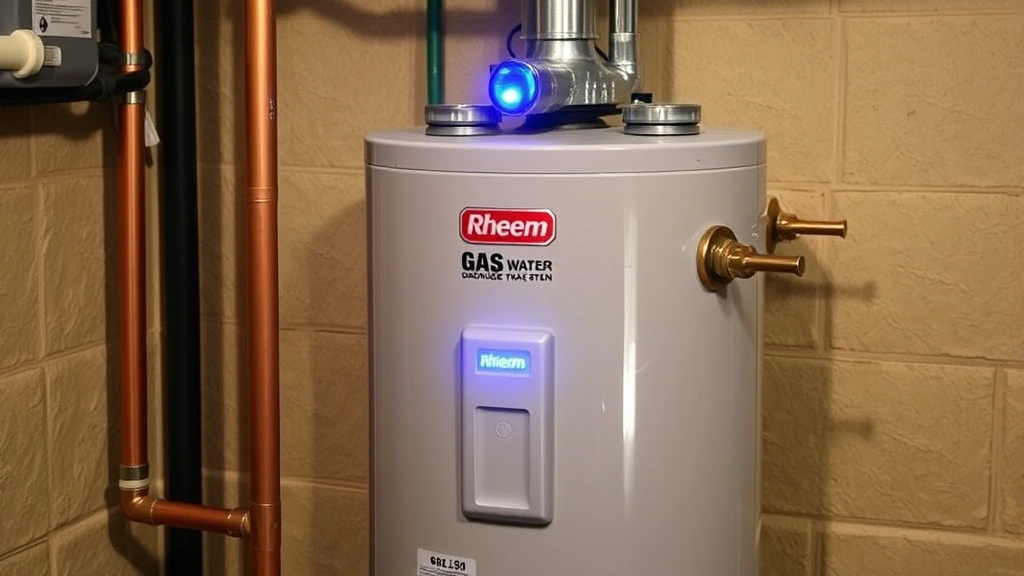
Rheem Gas Water Heater: Is It an Eco-Friendly Choice?
When it comes to home heating solutions, the Rheem gas water heater stands as one of the most popular choices for American households. With millions of units installed across residential properties, these appliances deliver reliable hot water at a relatively affordable operating cost. However, the question of whether a Rheem gas water heater truly qualifies as an eco-friendly choice requires deeper examination into its environmental impact, efficiency ratings, and how it compares to alternative technologies available today.
As homeowners increasingly prioritize sustainability, understanding the environmental implications of major appliances becomes essential. A gas water heater’s carbon footprint extends beyond its manufacturing process to encompass decades of operational emissions. This comprehensive guide explores the ecological considerations surrounding Rheem gas water heaters, their efficiency metrics, and whether they align with your environmental footprint reduction goals.
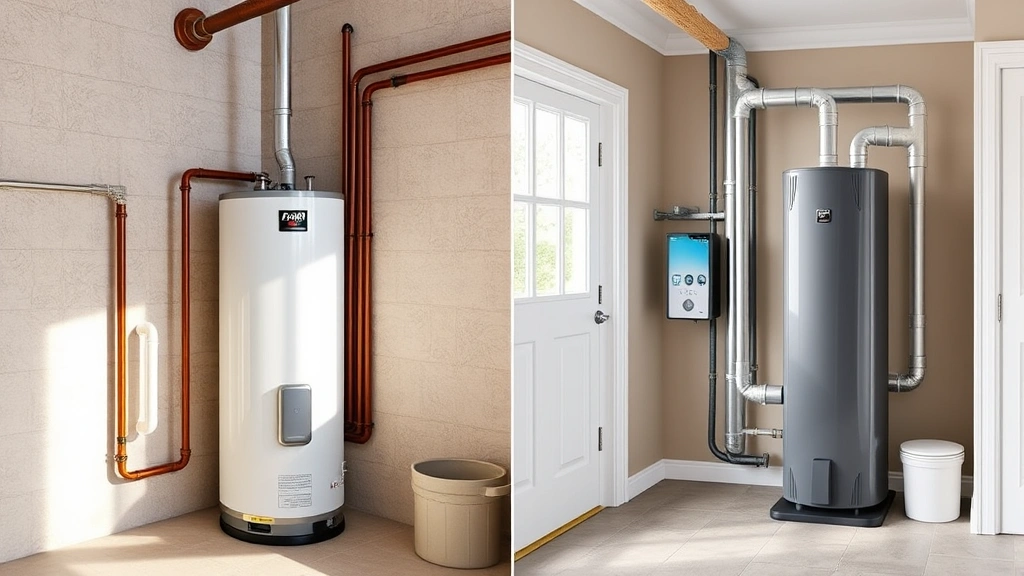
Understanding Rheem Gas Water Heater Technology
Rheem, a subsidiary of Paloma Industries, has manufactured water heating solutions for over 100 years, establishing itself as a trusted name in residential comfort. Their gas water heaters utilize natural gas or propane combustion to rapidly heat water stored in an insulated tank, typically ranging from 40 to 80 gallons in residential applications. The fundamental technology involves a burner assembly at the tank’s base that ignites fuel, transferring heat through a flue pipe to warm the water surrounding it.
Modern Rheem gas water heater models incorporate several technological improvements over earlier generations. These include improved insulation materials, more efficient burner designs, and electronic ignition systems that eliminate the need for constant pilot lights. Many current models feature self-modulating burners that adjust flame intensity based on demand, reducing energy waste during periods of lower hot water consumption. Additionally, Rheem has integrated smart controls in premium models, allowing homeowners to monitor and adjust water temperature remotely through mobile applications.
The company offers various configurations suited to different household sizes and usage patterns. Their product lineup includes traditional tank-style heaters, which remain the most affordable option, alongside more advanced models with enhanced insulation and efficiency features. Understanding which Rheem model suits your specific needs forms the foundation for making an environmentally responsible choice that balances performance with sustainability.

Energy Efficiency Ratings and Performance
The Environmental Protection Agency (EPA) and Department of Energy (DOE) establish standardized efficiency metrics for water heaters, measured through the Uniform Energy Factor (UEF). This rating system accounts for standby losses, cycling losses, and recovery efficiency, providing consumers with a comprehensive understanding of how much energy their water heater consumes relative to its capacity. Rheem gas water heaters typically achieve UEF ratings between 0.59 and 0.67, positioning them within the mid-range of efficiency standards for conventional tank-style gas heaters.
Higher-end Rheem models with improved insulation and advanced burner technology can reach UEF ratings approaching 0.70, which represents improved efficiency compared to older units. For context, standard gas water heaters from the 1990s typically operated at UEF ratings around 0.50 or lower, meaning modern Rheem units represent a significant efficiency improvement. However, when compared to sustainable energy solutions like heat pump water heaters, which achieve UEF ratings of 2.0 or higher, traditional gas models demonstrate their limitations in the pursuit of maximum energy conservation.
Recovery rate, measured in gallons per hour, indicates how quickly a water heater can reheat its tank after hot water has been drawn. Rheem gas water heaters typically recover at rates between 40 and 60 gallons per hour, substantially faster than electric models. This rapid recovery capability makes gas water heaters practical for households with high simultaneous hot water demands, such as families that shower while running dishwashers or laundry machines. The efficiency advantage of natural gas pricing in many regions, combined with this superior recovery performance, explains why gas water heaters remain popular despite their lower absolute efficiency ratings.
Environmental Impact Assessment
The environmental footprint of a Rheem gas water heater encompasses multiple dimensions beyond operational energy consumption. Manufacturing these appliances requires significant material inputs, including steel for the tank, copper for plumbing connections, and various insulation materials. The production process generates emissions through energy consumption and material processing, though this manufacturing impact distributes across the unit’s 10-15 year lifespan, representing a relatively minor component of total lifetime environmental cost.
Operational emissions present the primary environmental concern for gas water heaters. Natural gas combustion releases carbon dioxide, the primary greenhouse gas contributing to climate change, along with methane, a potent short-term climate forcing agent. According to data from the U.S. Environmental Protection Agency, water heating accounts for approximately 17-25% of residential energy consumption, making it a significant contributor to household carbon emissions. A typical household using a Rheem gas water heater generates approximately 4-5 tons of carbon dioxide annually from water heating alone.
The environmental impact of natural gas extends beyond carbon dioxide emissions. Methane leakage throughout the natural gas supply chain, from extraction through distribution to end-use, represents an often-overlooked environmental concern. Studies indicate that methane leakage rates range from 1-3% of total gas production, though some research suggests higher leakage in specific regions. Methane possesses a global warming potential approximately 25-28 times greater than carbon dioxide over a 100-year timeframe, making even small leakage percentages environmentally significant.
Water consumption during operation presents another environmental consideration. While gas water heaters themselves don’t consume water during heating, the extraction and processing of natural gas requires substantial water resources. Additionally, if your water heating system incorporates recirculation pumps to deliver hot water more quickly to distant fixtures, these systems consume electricity and contribute to overall environmental impact. Understanding these broader environmental implications helps contextualize whether a Rheem gas water heater represents a genuinely eco-friendly choice for your household.
Comparing Gas to Alternative Water Heating Options
To properly evaluate whether a Rheem gas water heater qualifies as eco-friendly, comparison with alternative technologies provides essential context. Heat pump water heaters represent the most environmentally advantageous electric option currently available, achieving efficiency levels two to three times higher than conventional gas models. These systems extract thermal energy from surrounding air or ground, requiring minimal electricity input to transfer heat into water. However, heat pump water heaters cost significantly more upfront (typically $2,500-$4,500 installed) and perform less effectively in cold climates where ambient air temperatures drop substantially.
Solar water heating systems offer renewable energy potential, capturing thermal energy directly from sunlight through rooftop collectors. In favorable climates with abundant sunshine, solar systems can reduce water heating energy consumption by 50-80%, though they typically require a gas or electric backup system for cloudy periods. Solar installation costs range from $3,000-$8,000, and geographic location significantly impacts their practical viability and return on investment timeline. For homeowners in sunny regions with suitable roof orientation, solar systems represent the most environmentally responsible water heating choice despite higher initial expenses.
Tankless gas water heaters eliminate storage tank standby losses, heating water on-demand as it flows through a heat exchanger. These systems achieve efficiency improvements of 10-15% compared to tank-style models, though they typically cost $1,500-$3,000 more initially. However, tankless systems experience reduced efficiency when multiple simultaneous hot water demands occur, and they require careful installation to prevent temperature fluctuations. When evaluating your options, consider how natural gas versus propane impacts your specific situation, as propane produces slightly higher emissions per unit of energy but may offer better value in rural areas without natural gas access.
Electric resistance water heaters represent the least efficient option, converting only electricity to heat without the efficiency advantages of gas combustion or heat pump technology. Despite their poor efficiency, electric models appeal to some consumers due to lower upfront costs and simpler installation requirements. The environmental impact of electric water heating depends heavily on your regional electrical grid composition; in areas with abundant renewable energy sources, electric heating becomes more environmentally defensible than in coal-dependent regions.
Sustainability Considerations and Eco-Friendly Features
While Rheem gas water heaters don’t represent the absolute peak of water heating sustainability, the company has incorporated several eco-conscious features into modern models. Improved insulation reduces standby losses, meaning less energy escapes from the tank during idle periods. Thicker foam insulation and reflective barriers minimize heat dissipation, with high-efficiency models reducing standby losses to less than 1% per hour compared to older units losing 2-3% hourly. This seemingly modest improvement compounds significantly over years of operation, representing meaningful energy savings.
Electronic ignition systems eliminate the need for constantly burning pilot lights, which wasted approximately 40-50% of a gas water heater’s annual fuel consumption in older models. Modern Rheem units use spark ignition or hot surface igniters that activate only when heating is needed, dramatically reducing fuel waste. This single technological advancement makes newer Rheem gas water heaters substantially more environmentally responsible than units manufactured before the 1990s.
Manufacturer sustainability practices increasingly influence whether a product qualifies as genuinely eco-friendly. Rheem has committed to reducing manufacturing emissions and improving recycling programs for end-of-life units. The company participates in ENERGY STAR certification programs, with qualifying models meeting strict efficiency standards. Choosing an ENERGY STAR certified Rheem unit provides assurance that your purchase supports a company prioritizing environmental responsibility.
Installation practices significantly impact overall environmental performance. Proper insulation of hot water pipes reduces heat loss during distribution, improving effective efficiency by 5-10%. Installing thermostatic mixing valves prevents scalding while reducing unnecessary heating to compensate for temperature fluctuations. These relatively inexpensive additions maximize the environmental benefit of your chosen water heater. Additionally, regular maintenance including annual flush cycles and temperature setting optimization extends equipment lifespan and maintains peak efficiency, reducing the environmental cost of premature replacement.
For homeowners committed to principles of sustainability, pairing a Rheem gas water heater with behavioral modifications multiplies environmental benefits. Reducing hot water consumption through shorter showers, installing low-flow showerheads, and fixing leaks quickly can decrease water heating energy demand by 15-25%. Lowering water temperature from the default 140°F to 120°F maintains comfort while reducing energy consumption by approximately 10%. These behavioral adjustments cost nothing but require consistent commitment.
Cost-Benefit Analysis for Environmentally Conscious Homeowners
Making an environmentally responsible choice requires balancing ecological impact against financial considerations and practical constraints. A Rheem gas water heater typically costs $800-$1,500 for the unit itself, with professional installation adding $500-$1,000 depending on existing infrastructure. This represents the most affordable entry point for reliable water heating, making it accessible to budget-conscious households. Over a 12-year lifespan, annual operating costs typically range from $200-$350 depending on regional gas prices and household consumption patterns, totaling approximately $2,400-$4,200 in fuel expenses.
The upfront cost advantage of gas water heaters becomes less compelling when considering heat pump alternatives. A heat pump water heater costs approximately $3,500-$5,000 installed but reduces annual operating costs to $150-$250, generating payback periods of 7-10 years in many regions. After payback, homeowners enjoy 5-10 years of substantially reduced water heating costs, offsetting the higher initial investment. For homeowners planning to remain in their residence for 15+ years, heat pump economics increasingly favor the more efficient option despite higher upfront expenses.
Geographic location substantially influences the financial case for different water heating technologies. In regions with high natural gas prices (northeastern and western states), the efficiency advantage of heat pumps becomes economically compelling more quickly. Conversely, in areas with abundant cheap natural gas (midwestern and southern regions), the payback period for heat pump upgrades extends significantly, making Rheem gas water heaters more financially rational despite their lower efficiency. Additionally, climate zone impacts heat pump performance; in cold climates, supplemental heating requirements reduce heat pump advantages, while in mild climates, they excel.
State and federal incentive programs increasingly support water heater efficiency upgrades. The federal government offers tax credits up to $3,750 for qualifying heat pump water heater installations under the Inflation Reduction Act, substantially improving their financial attractiveness. Many states and utilities provide additional rebates ranging from $500-$2,000 for heat pump or solar water heater installations. Before purchasing any water heater, investigate available energy efficiency incentives in your area, as these programs can dramatically alter the financial equation.
The replacement timing decision significantly impacts environmental and financial outcomes. If your existing water heater still functions adequately, delaying replacement until the end of its useful life minimizes the environmental cost of manufacturing a new unit. Replacing a functional unit prematurely to upgrade to higher efficiency often makes poor environmental sense, as the manufacturing emissions of the new unit may exceed operational savings for several years. However, if your current water heater approaches the end of its expected lifespan or already requires expensive repairs, replacement with an efficient model becomes both economically and environmentally justified.
Hybrid approaches offer middle-ground solutions for environmentally conscious homeowners with budget constraints. Installing a Rheem gas water heater with maximum available insulation and efficiency features, combined with aggressive conservation measures, significantly reduces environmental impact compared to older units. This approach provides immediate affordability while maintaining reasonable ecological responsibility. Subsequently upgrading to a heat pump or solar system as finances permit allows gradual improvement rather than requiring large upfront investments that may strain household budgets.
Frequently Asked Questions
Are Rheem gas water heaters energy efficient compared to other brands?
Rheem gas water heaters perform comparably to other major manufacturers like A.O. Smith, Bradford White, and Navien. UEF ratings typically fall within the same 0.59-0.67 range across brands. The primary efficiency differentiator comes from model selection within each manufacturer’s lineup rather than brand choice. Higher-end models with improved insulation outperform budget options regardless of manufacturer.
How long do Rheem gas water heaters typically last?
Rheem gas water heaters generally last 10-15 years with proper maintenance, though some units continue functioning for 20+ years. Lifespan depends heavily on water quality, maintenance practices, and usage patterns. Hard water accelerates sediment buildup and corrosion, while annual flushing extends equipment life. Regular professional maintenance significantly improves longevity compared to neglected units.
Can I upgrade my Rheem gas water heater to be more eco-friendly?
Yes, several upgrades improve environmental performance. Installing additional pipe insulation, adding a blanket around the tank, installing a timer to reduce standby heating during low-demand periods, and lowering the thermostat setting to 120°F all reduce energy consumption. Upgrading to a tankless system or heat pump represents a more substantial upgrade path.
What is the environmental impact of natural gas extraction?
Natural gas extraction through hydraulic fracturing (fracking) creates environmental concerns including methane leakage, water contamination risks, and habitat disruption. Methane leakage throughout the supply chain reduces the environmental advantage of gas heating compared to renewable electricity sources. These concerns support transitioning toward electric heat pumps powered by increasingly clean electrical grids.
Is a Rheem gas water heater right for my household?
Gas water heaters make practical sense for households with high simultaneous hot water demands, limited space for larger heat pump units, or budgets that cannot accommodate higher upfront costs. If environmental impact represents your primary concern and budget permits, heat pump or solar systems offer superior sustainability. For budget-constrained households, Rheem gas models with maximum efficiency features provide responsible interim solutions.
How does the environmental impact of water heating compare to other household energy uses?
Water heating typically accounts for 15-25% of residential energy consumption, second only to space heating and cooling. Reducing water heating energy represents one of the most impactful efficiency improvements available to homeowners. Combined with space heating optimization, water heating improvements can reduce total household energy consumption by 30-40%.


