
Gas Prices & Sustainability: Expert Insight on Sam’s Gas Prices and Environmental Impact
Gas prices remain a critical concern for consumers worldwide, directly affecting household budgets and transportation costs. Sam’s Club, one of America’s largest membership warehouse retailers, offers competitive fuel pricing that attracts millions of members seeking value. However, understanding the relationship between gas prices and sustainability reveals a more complex narrative about energy consumption, environmental responsibility, and the future of fuel markets.
The intersection of affordability and environmental stewardship presents a compelling challenge for modern consumers. While Sam’s gas prices provide immediate financial relief at the pump, the broader implications of fossil fuel consumption demand our attention. This comprehensive guide explores how warehouse club pricing strategies influence consumer behavior, what sustainability experts recommend, and how transitioning toward cleaner energy alternatives can reshape our relationship with fuel consumption.
Understanding Sam’s Club Gas Pricing Structure
Sam’s Club operates one of the largest fuel networks in North America, with gas stations at most warehouse locations. Their pricing strategy focuses on offering members significant savings compared to traditional gas stations. The membership-based model allows Sam’s to negotiate directly with suppliers, reducing intermediary costs and passing savings to members who pay annual membership fees.
The club’s fuel pricing typically undercuts competitors by 10-20 cents per gallon, making it an attractive option for budget-conscious drivers. Sam’s uses a tiered pricing system where members benefit from volume purchasing power. This model has successfully attracted millions of members who view fuel savings as a primary membership benefit. However, this aggressive pricing strategy raises important questions about market sustainability and environmental responsibility.
Understanding how sustainable energy solutions compare to traditional fuel pricing reveals significant gaps in how we value environmental costs. Warehouse clubs rarely incorporate environmental externalities into their pricing, meaning customers don’t pay the true cost of carbon emissions, air pollution, or climate impacts associated with gasoline consumption.
The Environmental Cost of Affordable Gasoline
Lower gas prices create a paradox in sustainability efforts. When fuel becomes cheaper, consumers typically drive more, purchase less fuel-efficient vehicles, and delay switching to advantages of electric vehicles. Economists call this the rebound effect—price reductions in one commodity encourage increased consumption, offsetting efficiency gains.
According to the Environmental Protection Agency, transportation accounts for approximately 27% of greenhouse gas emissions in the United States. Gasoline-powered vehicles emit carbon dioxide, nitrogen oxides, particulate matter, and volatile organic compounds. Each gallon of gasoline burned releases about 20 pounds of carbon dioxide into the atmosphere. When Sam’s gas prices encourage increased driving, the environmental costs multiply significantly.
The hidden costs of cheap gasoline include:
- Climate change acceleration: Increased emissions contribute to global warming and extreme weather events
- Air quality degradation: Nitrogen oxides and particulates harm respiratory health, particularly in low-income communities near highways
- Water pollution: Oil extraction and refining contaminate groundwater and aquatic ecosystems
- Health expenses: Pollution-related illnesses cost the healthcare system billions annually
- Infrastructure damage: Climate impacts require expensive repairs and adaptation measures
Research from the Carbon Brief demonstrates that true gasoline costs should include environmental and health externalities. When these factors are calculated, the real price per gallon doubles or triples. Sam’s competitive pricing, while beneficial for individual consumers, masks these societal costs.
How Gas Prices Impact Consumer Behavior
Behavioral economics reveals that price sensitivity drives consumption patterns more than environmental awareness. Studies show that consumers respond more dramatically to fuel price changes than to emissions data or climate warnings. This psychological reality shapes energy markets and consumer decision-making.
When Sam’s offers discounted gas, several behavioral patterns emerge:
- Increased driving frequency: Lower prices reduce the perceived cost of trips, encouraging discretionary driving
- Vehicle selection bias: Cheap fuel makes larger, less efficient vehicles more appealing
- Delayed transitions: Consumers postpone switching to efficient or electric vehicles
- Geographic expansion: Lower fuel costs enable longer commutes, contributing to suburban sprawl
- Purchase timing: Members strategically time fuel purchases to maximize savings
The Transportation Research Board has documented that every 10% decrease in fuel prices correlates with approximately 3-4% increased driving. This elasticity means Sam’s discounted prices directly increase carbon emissions across its membership base.
However, understanding these dynamics enables more conscious consumer choices. Members can recognize how pricing influences their behavior and make deliberate decisions aligned with their sustainability values. Some customers now track their fuel consumption and consciously limit discretionary driving despite lower prices.
Sustainable Alternatives to Traditional Gasoline
The sustainability conversation extends beyond pricing to examining what fuels we consume. Exploring whether natural gas is renewable or nonrenewable provides important context for evaluating fuel options. While natural gas produces fewer emissions than gasoline, it remains a fossil fuel contributing to climate change.
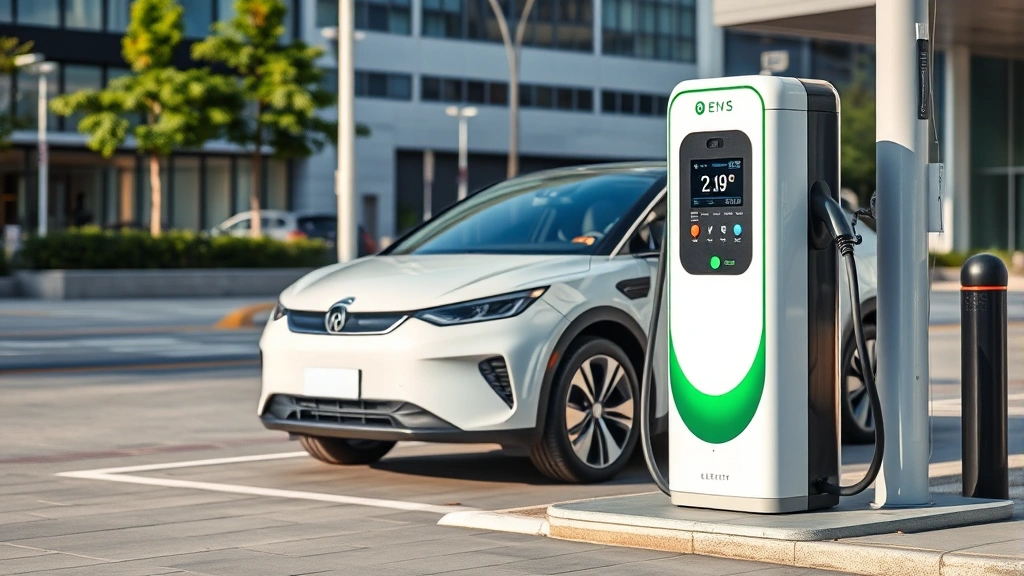
Electric vehicles represent the most significant sustainable alternative. Unlike gasoline-powered cars, EVs produce zero tailpipe emissions and can be powered by renewable electricity. The International Energy Agency projects that electric vehicles will comprise 60% of new car sales by 2030 in developed nations. This transition addresses both climate and air quality concerns.
Other sustainable fuel alternatives include:
- Hydrogen fuel cells: Produce water vapor as the only emission; require expanded infrastructure
- Biofuels: Made from renewable sources; can reduce emissions 50-80% compared to gasoline
- Hybrid vehicles: Combine gasoline and electric power for improved efficiency
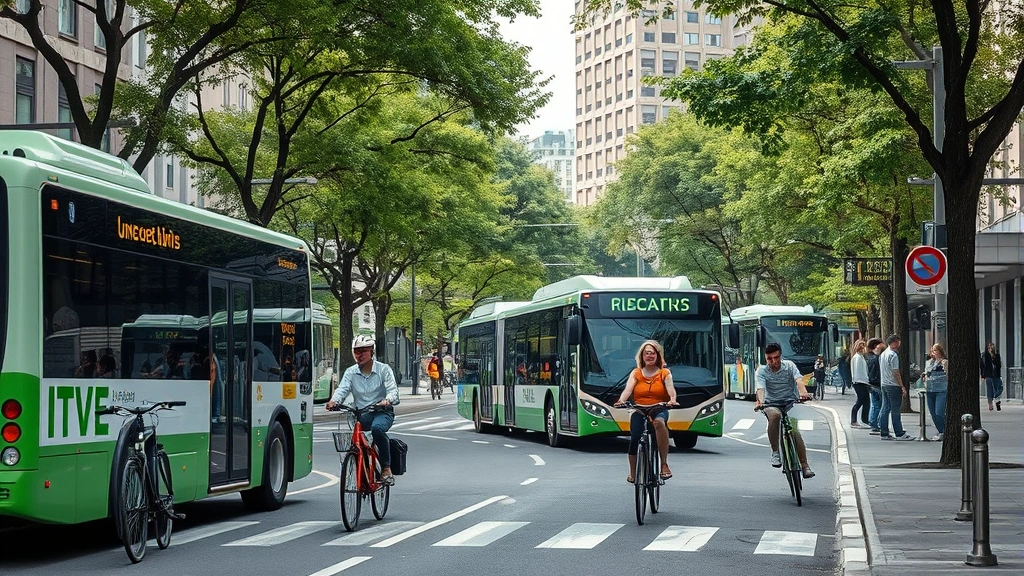
- Public transportation: Dramatically reduces per-passenger emissions compared to individual vehicles
- Micro-mobility: Bicycles, e-bikes, and scooters provide zero-emission transportation for short trips
Reviewing green technology innovations transforming our future shows that sustainable transportation options are rapidly improving. Battery costs have dropped 90% over the past decade, making electric vehicles increasingly cost-competitive with gasoline cars.
The Future of Fuel and Energy Markets
Energy markets are undergoing profound transformation. Global commitments to climate goals mean fossil fuel demand will eventually decline. The International Energy Agency projects that gasoline demand will peak within the next decade in developed nations. This transition presents both challenges and opportunities.
Major retailers are beginning to respond to these market realities. Some are investing in EV charging infrastructure, recognizing that future profitability depends on adapting to clean energy trends. However, warehouse clubs like Sam’s have been slower to embrace this transition, continuing to emphasize gasoline sales.
The economics of fuel retail are shifting dramatically. Electric vehicles require less maintenance, reducing service revenue. However, charging networks present new profit opportunities. Forward-thinking retailers are positioning themselves for the energy transition by diversifying revenue streams and investing in infrastructure for sustainable fuel delivery.
Visiting the SustainWise Hub Blog provides regular updates on energy market trends and sustainability developments. Understanding these broader patterns helps consumers make informed decisions about their fuel consumption and investment in sustainable alternatives.
Making Sustainable Choices at the Pump
Individual consumers can take several actions to reduce their fuel consumption and environmental impact, even when faced with attractive prices:
Evaluate true costs: Calculate the real price of gasoline by including environmental and health impacts. Many studies estimate true costs at $7-12 per gallon when externalities are included. This perspective helps justify investments in alternatives.
Optimize driving patterns: Combine errands into single trips, carpool when possible, and use fuel-efficient routes. These practices reduce consumption regardless of gas prices. Studies show that optimized driving patterns can reduce fuel use 15-25%.
Invest in vehicle efficiency: When purchasing vehicles, prioritize fuel efficiency or consider electric options. Though upfront costs are higher, lifetime savings in fuel and maintenance often exceed additional purchase price.
Transition to electric vehicles: As battery technology improves and prices decline, electric vehicles become increasingly practical. The U.S. Department of Energy’s Fuel Economy Guide helps compare vehicle efficiency and calculate lifetime fuel costs.
Support policy changes: Advocate for carbon pricing, emission standards, and investments in public transportation. Market-based policies that reflect true environmental costs would fundamentally shift consumer behavior and fuel demand.
Embrace alternative transportation: For urban and suburban commutes, public transit, cycling, and walking often provide viable alternatives. These options reduce emissions, improve health, and save money.
Exploring sustainable energy solutions reveals that comprehensive approaches work better than individual actions alone. Systemic changes in energy production, transportation infrastructure, and consumption patterns are necessary to achieve climate goals.
FAQ
Does Sam’s Club offer any sustainable fuel options?
Currently, Sam’s Club primarily offers conventional gasoline and diesel. The company has not widely deployed alternative fuel options like biofuels or hydrogen. Some locations have begun installing EV charging stations, but this infrastructure remains limited. Members interested in sustainable fuel options may need to seek alternative retailers or invest in electric vehicles.
How much can I save with Sam’s gas prices?
Sam’s Club typically offers savings of 10-25 cents per gallon compared to brand-name gas stations. For frequent drivers, these savings can total $200-500 annually. However, when environmental costs are considered, these savings represent a transfer of costs to society rather than true economic benefit.
Are electric vehicles cost-effective compared to gasoline cars?
While electric vehicles have higher upfront costs, lifetime operating expenses are typically 40-50% lower than gasoline vehicles. Lower fuel costs, reduced maintenance, and available tax incentives make EVs increasingly cost-competitive. For high-mileage drivers, the payback period is often 3-5 years.
What’s the environmental impact of Sam’s gas prices?
Lower prices increase consumption through the rebound effect, resulting in higher overall emissions. Each 10% price reduction typically increases driving 3-4%, offsetting fuel efficiency improvements. The net environmental impact is negative, despite individual consumer savings.
How can I reduce fuel consumption without buying an electric vehicle?
Optimize driving patterns, maintain proper tire pressure, reduce vehicle weight, use cruise control on highways, and avoid idling. These practices can improve fuel economy 15-25%. Combining errands and carpooling further reduce fuel consumption and emissions.
What should I know about the future of fuel prices?
Long-term trends suggest fuel prices will increase as carbon pricing and emission regulations become more stringent. Electric vehicles will likely become cheaper than gasoline cars within the next decade. Planning for this transition now can help avoid stranded assets and maximize long-term savings.


