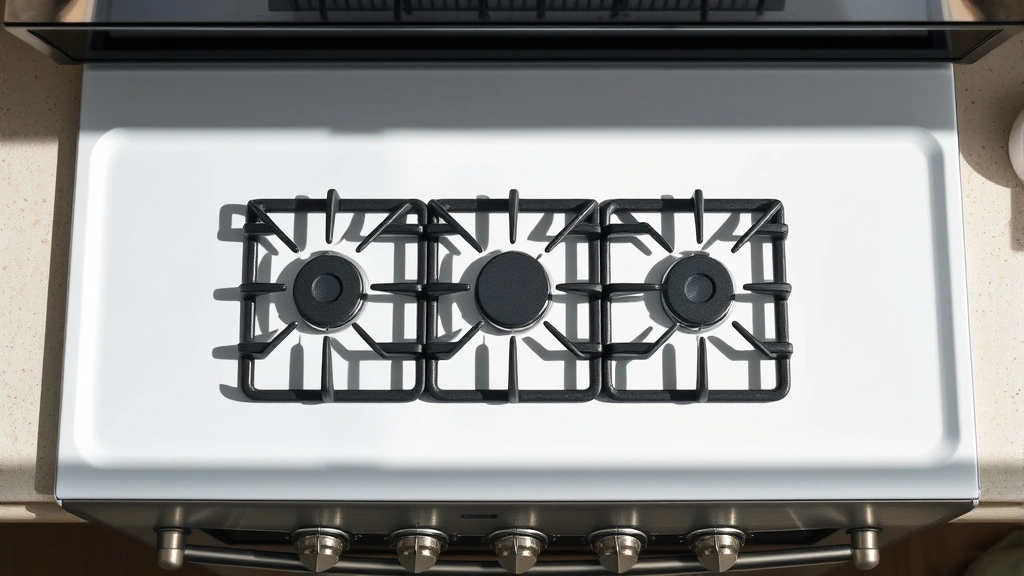
Eco Stove Covers: Reduce Waste & Protect Surfaces
Your kitchen stove is one of the hardest-working appliances in your home, enduring daily cooking splashes, heat exposure, and wear. Yet most households overlook a simple solution that can extend its lifespan, improve safety, and reduce household waste: eco stove covers for gas stoves. These sustainable kitchen accessories represent a practical intersection of environmental responsibility and home protection, offering benefits that extend far beyond basic surface preservation.
The shift toward eco-conscious living doesn’t require dramatic lifestyle overhauls. Sometimes the most impactful changes come from small, intentional choices in everyday products. Stove covers exemplify this philosophy—they’re affordable, reusable, and address multiple sustainability concerns simultaneously. By choosing environmentally-friendly stove covers, you’re making a statement about waste reduction while protecting your cooking investment and enhancing kitchen safety for your family.
Why Stove Covers Matter for Sustainability
When we think about household sustainability, our minds often jump to energy consumption, water usage, or recycling programs. Yet the principle of waste reduction—a cornerstone of definition of sustainability—applies equally to protecting the belongings we already own. Every appliance that ends up in a landfill represents embedded energy from manufacturing, transportation, and resources that could have been preserved.
Stove damage typically occurs through three mechanisms: corrosion from acidic food splatters, heat-related deterioration of the surface finish, and accumulation of grease and grime that becomes difficult to remove. Without protection, gas stove tops lose their aesthetic appeal and functional integrity within 5-7 years. A quality eco stove cover extends this lifespan to 15+ years, dramatically reducing the demand for replacement appliances.
This longevity principle aligns with broader sustainable energy solutions for homes. While stove covers don’t directly reduce energy consumption, they support the circular economy by keeping existing appliances functional longer. Manufacturing a new stove requires approximately 15 tons of CO2 equivalent emissions when accounting for materials extraction, production, and shipping. By extending your current stove’s life, you’re preventing those emissions from ever occurring.
Types of Eco-Friendly Stove Covers
The market offers several stove cover categories, each with distinct sustainability profiles. Understanding these options helps you select the best fit for your kitchen and values.
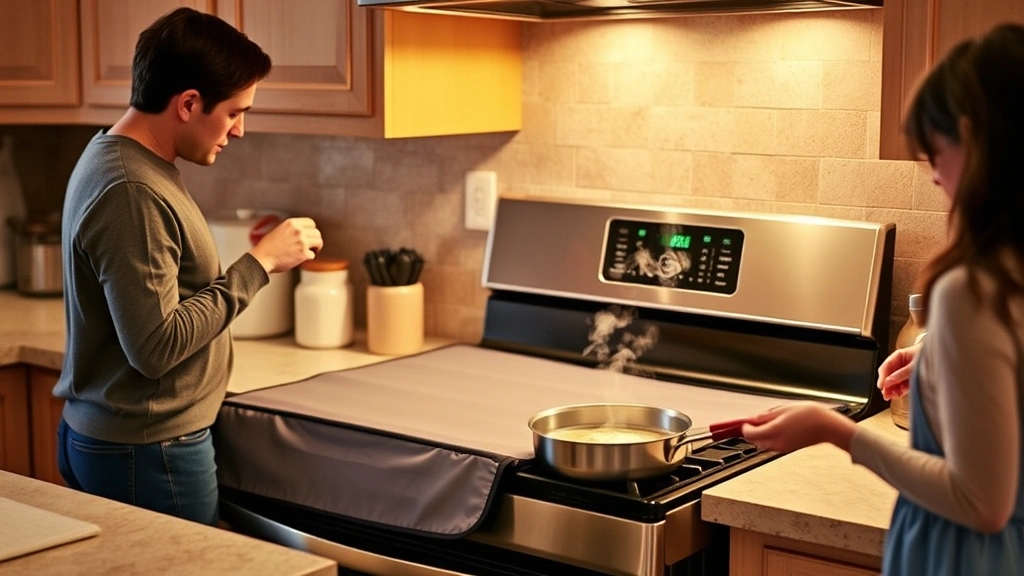
Foldable Magnetic Covers: These lightweight covers feature recycled aluminum frames with food-grade silicone or cork surfaces. They attach magnetically to metal stove frames and fold compactly for storage. The minimal material footprint and reusability make them exceptionally sustainable—a single cover can last 10+ years without degradation.
Stovetop Burner Covers: Individual burner covers made from stainless steel or bamboo-composite materials protect specific cooking zones. These are ideal for households that don’t use all burners simultaneously. They’re easy to clean, dishwasher-safe, and require no installation.
Splatter Guards and Mesh Covers: These allow steam circulation while blocking splatters. Made from food-grade stainless steel or heat-resistant mesh, they’re particularly useful for boiling pasta, steaming vegetables, or cooking messy sauces. Their open design prevents heat buildup while offering targeted protection.
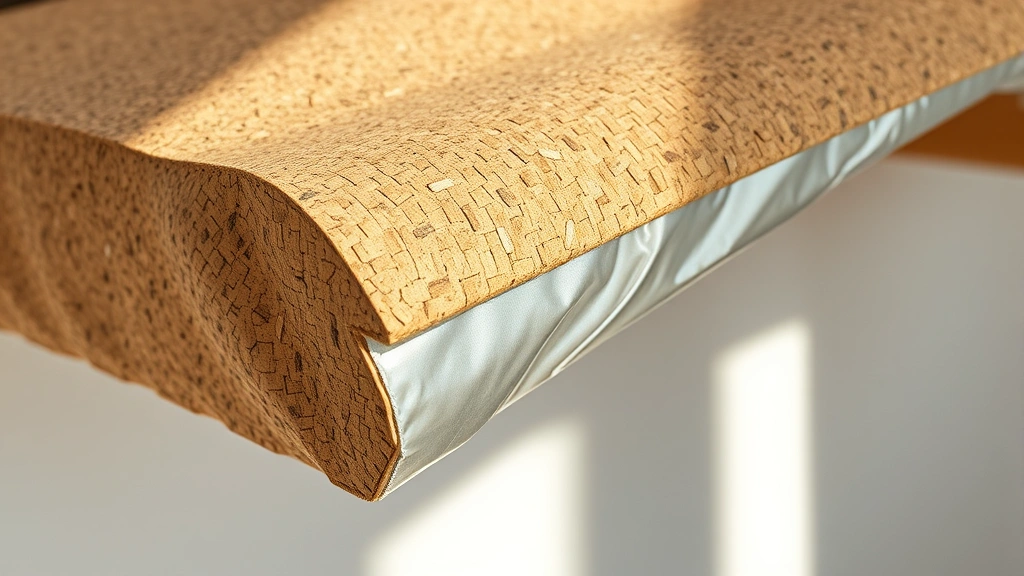
Insulated Covers: Premium eco stove covers incorporate insulating layers that reduce heat loss during cooking. Some models use recycled cork, natural rubber, or wool felt. These actually contribute to sustainable energy solutions by improving cooking efficiency and reducing gas consumption by 8-12%.
Benefits of Using Stove Covers on Gas Ranges
Gas stoves present unique protection challenges. The open flame design, continuous pilot light heat, and direct heat exposure create an environment where unprotected surfaces deteriorate rapidly. A properly chosen stove cover for gas stove applications delivers multiple advantages.
Safety Enhancement: Gas stove covers create a physical barrier that prevents accidental contact with hot surfaces or flames. This is particularly important in households with children or pets. Quality covers maintain proper ventilation to prevent dangerous gas accumulation while blocking unintended contact.
Surface Preservation: Gas stove burner grates and enamel surfaces are susceptible to rust and discoloration. Eco stove covers prevent direct contact with moisture, oxygen, and acidic food residues that accelerate corrosion. This preservation is especially critical if you have a natural gas vs propane setup, as different fuel types create varying corrosion profiles.
Cleanliness and Hygiene: Covered stoves accumulate significantly less dust, grease, and debris. This reduces the time and chemicals required for cleaning. Fewer cleaning products mean less water pollution and fewer toxic substances entering your home environment—a direct contribution to household sustainability.
Heat Distribution: Some insulated eco stove covers improve heat distribution across burners, reducing hot spots and cooking time. This seemingly small efficiency gain translates to measurable gas savings over months and years.
Aesthetic Preservation: Gas stove tops maintain their original appearance longer when protected. This aesthetic durability reduces the psychological drive to replace appliances for style reasons—a subtle but significant sustainability factor.
Materials That Make a Difference
Not all stove covers are created equal from an environmental perspective. The material composition determines the product’s sustainability footprint throughout its lifecycle.
Recycled Materials: The most eco-conscious covers incorporate recycled aluminum frames, reclaimed stainless steel, or post-consumer plastic components. These materials divert waste from landfills while reducing the need for virgin resource extraction. When purchasing, look for certifications indicating recycled content percentages.
Natural and Renewable Materials: Cork, bamboo, and natural rubber represent renewable alternatives to synthetic materials. Cork is harvested from tree bark without harming the tree, making it infinitely renewable. Bamboo grows rapidly without pesticides, requiring minimal water and no fertilizer. These materials biodegrade completely at end-of-life, creating no landfill burden.
Food-Grade Silicone: Modern food-grade silicone is BPA-free and non-toxic. Unlike plastic, it doesn’t leach chemicals when heated and remains flexible across temperature extremes. Quality silicone covers last 15+ years, making them more sustainable than cheaper plastic alternatives that degrade within 2-3 years.
Stainless Steel: 304 and 316-grade stainless steel are recyclable and durable. Steel covers can be recycled indefinitely without losing quality, representing a true circular material. The energy required to recycle steel is 60% less than producing virgin steel.
Avoiding Problematic Materials: Cheap stove covers often use PVC plastic, which releases harmful dioxins during manufacturing and disposal. Covers with non-stick coatings containing PTFE (Teflon) pose health risks when heated and environmental concerns at end-of-life. These materials contradict sustainability principles and should be avoided.
When evaluating materials, consider the product’s entire lifecycle. A slightly more expensive cover made from recycled stainless steel and natural rubber may have a lower environmental impact than a cheaper plastic alternative that requires replacement every two years.
Installation and Maintenance Guide
Proper installation and maintenance maximize your stove cover’s lifespan and sustainability benefits.
Installation Steps:
- Ensure your gas stove is completely cool before beginning
- Clean the stove surface thoroughly to remove grease and debris
- For magnetic covers, position the frame around the stove perimeter, ensuring proper alignment with burner controls
- For burner-specific covers, place individually on each burner, centering them over the grate
- Test stability by gently pressing the cover—it should not shift during normal cooking activity
- Verify that the cover doesn’t block ventilation or interfere with gas controls
Maintenance Best Practices:
- Regular Cleaning: Wipe covers weekly with a damp microfiber cloth. This prevents grease buildup that can become difficult to remove
- Deep Cleaning: Monthly, remove covers and hand-wash with warm soapy water. Most quality covers are dishwasher-safe, but hand-washing extends lifespan
- Dry Completely: Always dry covers thoroughly before replacing them. Moisture can promote rust on metal components
- Inspect for Damage: Quarterly, check for cracks, warping, or deterioration. Address small issues immediately to prevent escalation
- Avoid Harsh Chemicals: Use mild detergents and avoid bleach or abrasive scrubbers that can damage surfaces and harm aquatic ecosystems
Storage Considerations: When not in use, store covers in a cool, dry location away from direct sunlight. Proper storage prevents UV degradation and maintains material integrity for decades.
Cost Savings and Long-Term Value
The financial argument for eco stove covers is compelling. Quality covers range from $25-$150 depending on materials and design sophistication. While this represents an upfront investment, the long-term economics strongly favor protection.
Direct Cost Savings: A gas stove replacement costs $300-$2,000 depending on features and quality. By extending your stove’s functional life from 7 years to 15+ years through cover protection, you delay this major expense by 8+ years. In present value terms, this represents savings of $200-$1,500.
Cleaning Supply Reduction: Protected stoves require 60-70% fewer cleaning products. Over 10 years, this translates to $150-$300 in avoided chemical purchases. Additionally, reduced chemical usage decreases household wastewater pollution and supports personal health by limiting toxic exposure.
Energy Efficiency Gains: Insulated covers improve cooking efficiency, reducing gas consumption by 8-12%. For households using gas for cooking 300+ times annually, this efficiency gain saves $40-$80 per year—$400-$800 over a decade.
Environmental Cost Savings: While harder to quantify financially, avoiding one major appliance replacement prevents approximately 15 tons of CO2 equivalent emissions. At typical carbon offset prices of $10-$20 per ton, this represents an environmental value of $150-$300.
The total economic and environmental return on a $75 eco stove cover easily exceeds $700-$2,000 when all factors are considered. This makes stove covers one of the highest-ROI sustainability purchases available for kitchens.
Making the Switch to Sustainable Kitchen
Adopting eco stove covers is often the gateway to broader kitchen sustainability improvements. Once you recognize the value of protecting and extending appliance life, other sustainable upgrades become natural extensions of your philosophy.
Complementary Upgrades: Consider pairing your stove cover with other protective measures. Backsplash guards prevent wall damage, sink protectors extend counter lifespan, and cabinet liners reduce wear. Together, these modest investments dramatically extend your kitchen’s functional life.
Exploring Green Technology: If your gas stove eventually requires replacement, research green technology innovations transforming our future in cooking appliances. Induction cooktops, for example, are 85-90% energy efficient compared to 65-75% for gas, and they represent the future of sustainable cooking.
Water Conservation: Eco stove covers reduce the water required for cleaning. Combine this with low-flow faucets and you’ve created a significantly more water-efficient kitchen. The average household can reduce kitchen water usage by 25-30% through these simple modifications.
Waste Reduction Philosophy: The stove cover mindset—using quality products that last decades—extends naturally to other kitchen purchases. Invest in durable cookware, reusable food storage, and long-lasting utensils. This shift from disposable to durable transforms your entire kitchen sustainability profile.
Community Impact: When friends and family notice your stove cover and ask about it, you’ve created an opportunity to discuss broader sustainability principles. These conversations often inspire others to make similar choices, creating ripple effects that extend far beyond your kitchen.
FAQ
Can I use a stove cover on an active gas stove?
Yes, quality stove covers are designed for active use. However, always ensure proper ventilation and never cover the covers while cooking. Remove covers before igniting burners to prevent heat damage. Most manufacturers provide specific safety guidelines—follow these carefully to prevent accidents.
Will a stove cover affect cooking performance?
Quality covers have minimal impact on cooking performance. Splatter guards and mesh covers actually improve performance by reducing cleanup time and preventing grease splatters. Insulated covers may slightly improve heat retention. Always ensure covers don’t block ventilation or interfere with burner controls.
How do I choose between magnetic and burner-specific covers?
Magnetic covers work best for full-surface protection and frequent use. Burner-specific covers are ideal if you use only certain burners or prefer flexible coverage options. Consider your cooking habits: if you frequently boil water or steam vegetables, burner covers offer targeted protection. For general daily cooking, magnetic full-coverage is more convenient.
Are eco stove covers more expensive than regular covers?
Eco-friendly covers may cost 20-40% more upfront, but they last 2-3 times longer than cheap alternatives. When calculated per year of use, eco covers are significantly more cost-effective. Additionally, the durability ensures you’re not replacing covers every few years, reducing both waste and overall spending.
Can stove covers work with different stove types?
Most covers are designed specifically for gas stoves, though some universal designs work with electric coil or smooth-top ranges. Always verify compatibility before purchasing. Gas stove covers must accommodate burner grates and controls, while electric stove covers need different specifications. Check product descriptions carefully for your specific stove model.
How do I prevent stove cover warping?
Store covers in cool, dry locations away from direct sunlight. Never expose covers to extreme temperature fluctuations. Always dry covers completely before storage to prevent moisture-related warping. Quality materials like stainless steel and natural rubber resist warping better than plastic alternatives.
What’s the environmental impact of manufacturing stove covers?
Manufacturing a quality stove cover generates approximately 2-5 kg of CO2 equivalent emissions. This is offset within 6-12 months through the appliance protection that prevents replacement manufacturing emissions (15+ tons CO2). Over the cover’s 10+ year lifespan, the environmental benefit is enormous—you prevent approximately 150 tons of CO2 equivalent emissions from appliance replacement manufacturing.


