
Sugar in Gas Tank: Myth or Reality? Auto Expert Insights
The idea of putting sugar in someone’s gas tank has become a cultural shorthand for sabotage, featured in movies, TV shows, and urban legends for decades. But what happens when sugar actually meets gasoline? Is this a genuine threat to vehicle engines, or just another automotive myth? As we explore this question, we’ll examine the science behind fuel systems, understand why this urban legend persists, and discuss what actually damages engines. More importantly, we’ll consider how transitioning to electric vehicles eliminates fuel-related sabotage concerns entirely.
Whether you’re concerned about vehicle security, curious about automotive science, or interested in understanding fuel system vulnerabilities, this comprehensive guide separates fact from fiction. We’ll also explore how maintaining proper fuel quality relates to broader environmental responsibility in transportation.
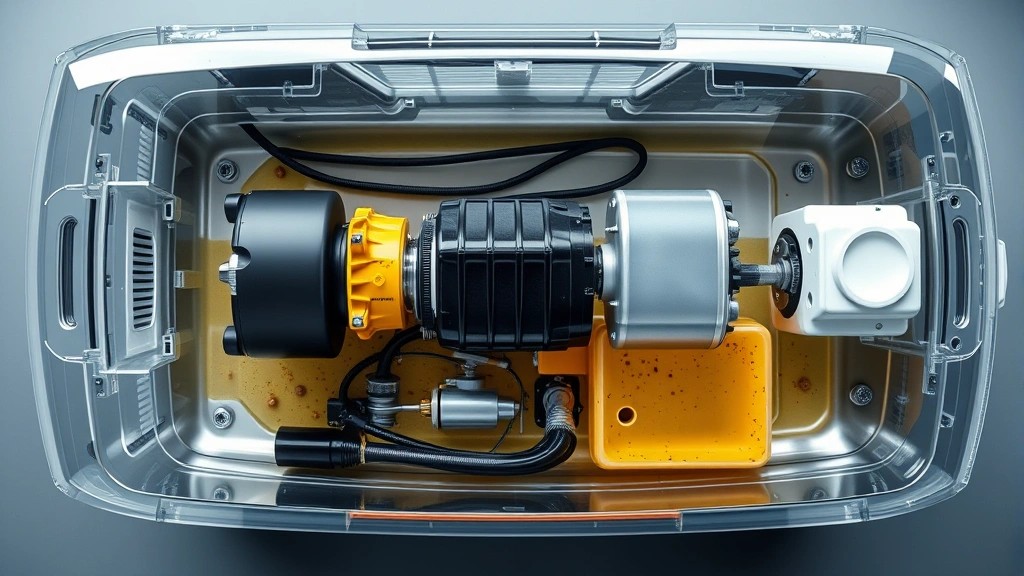
The Chemical Reality: Does Sugar Dissolve in Gasoline?
The fundamental issue with the “sugar in gas tank” myth lies in basic chemistry. Sugar—whether granulated, powdered, or liquid—is a carbohydrate compound that is not soluble in gasoline. Gasoline is a nonpolar hydrocarbon solvent, while sugar is a polar compound. The old adage “like dissolves like” applies here: polar substances dissolve in polar solvents (like water), and nonpolar substances dissolve in nonpolar solvents (like gasoline). Sugar and gasoline simply don’t mix.
When sugar is introduced into a fuel tank, it remains as solid particles or settles to the bottom as sediment rather than dissolving into the fuel. This distinction is crucial because it determines what actually happens to your engine. The sugar doesn’t chemically bond with the gasoline or create some magical corrosive sludge. Instead, it behaves like any other undissolved solid contaminant—it sits there, potentially causing mechanical problems rather than chemical ones.
Auto mechanics and fuel system engineers have tested this scenario countless times. The consistent finding: undissolved sugar particles will eventually reach the fuel filter, where they accumulate. Your fuel filter is specifically designed to catch particles like this, which is why modern vehicles have fuel filters as a standard component. In most cases, the filter catches the sugar before it reaches the engine, preventing damage entirely.

What Actually Happens Inside Your Engine
If somehow sugar particles managed to bypass the fuel filter—which is extremely unlikely in modern vehicles—what would occur? The sugar would not burn cleanly in the combustion chamber. Instead, it would create a hard, caramelized residue that could potentially cause:
- Fuel injector clogging: Sugar particles could accumulate in fuel injectors, restricting fuel spray patterns
- Combustion chamber deposits: Unburned sugar residue could build up on cylinder walls and valves
- Piston ring fouling: Deposits might interfere with piston ring movement, though this would require significant accumulation
However, modern fuel injectors operate at extremely high pressures and temperatures that would vaporize or decompose sugar particles. Additionally, the fuel filter system is remarkably effective at trapping particles before they reach the injection system. The reality is far less dramatic than Hollywood suggests.
For perspective, consider that fuel quality standards already account for various contaminants. The EPA and fuel industry have established strict specifications for gasoline purity precisely to prevent this type of damage. A few grains of sugar won’t overcome these engineered safeguards.
Real Fuel Contaminants and Actual Engine Threats
Rather than focusing on fictional threats like sugar, vehicle owners should understand what actually damages fuel systems. Real contaminants that pose genuine risks include:
- Water contamination: Moisture in fuel tanks causes rust, corrosion, and can freeze in fuel lines during winter
- Diesel in gasoline engines (or vice versa): Using the wrong fuel type causes catastrophic engine damage
- Methanol and ethanol in excessive amounts: While ethanol is standard in most gasoline blends, excessive amounts can damage fuel system components
- Sediment and rust particles: These genuinely dangerous contaminants accumulate in old tanks and actually damage fuel pumps
- Microbial growth: Bacteria and fungi can grow in fuel tanks with water contamination, creating sludge that clogs filters
These real threats are far more serious than sugar because they either chemically react with fuel system components or physically damage precision equipment. Understanding these genuine risks is part of responsible vehicle ownership and connects to broader sustainable energy practices.
If you’re concerned about fuel quality, use reputable gas stations, keep your fuel tank reasonably full to prevent condensation, and change your fuel filter according to manufacturer recommendations. These practical steps address real problems rather than chasing myths.
Why This Myth Persists in Popular Culture
The “sugar in gas tank” myth has remarkable staying power, appearing in films, television shows, and countless internet forums. Why does this particular urban legend endure when the science clearly refutes it?
Several factors contribute to its persistence:
- Intuitive logic: Sugar seems like it should gunk things up, making the myth feel plausible to people without chemistry backgrounds
- Dramatic narrative value: The idea of a slow, destructive sabotage makes compelling storytelling
- Confirmation bias: When someone experiences engine problems, they might attribute them to sugar contamination without considering actual causes
- Hollywood amplification: Popular media has featured this trope repeatedly, cementing it in cultural consciousness
- Lack of immediate feedback: The myth suggests gradual damage, making it difficult to disprove through casual observation
This phenomenon reflects a broader challenge in science communication: misinformation can persist even when evidence clearly contradicts it. The same critical thinking we apply to automotive myths should extend to other areas, including environmental sustainability practices where myths also abound.
Protecting Your Vehicle From Genuine Fuel-Related Damage
Instead of worrying about sugar sabotage, focus your energy on legitimate fuel system protection strategies. These practical measures address real risks and extend your vehicle’s lifespan:
Fuel Filter Maintenance: Replace fuel filters according to your vehicle’s maintenance schedule, typically every 15,000 to 30,000 miles. This simple procedure prevents accumulation of actual contaminants and maintains optimal fuel flow to your engine.
Fuel Tank Care: Avoid letting your fuel tank drop below a quarter tank regularly. Low fuel levels increase the likelihood of drawing sediment from the tank bottom and allow more air space for condensation to form. This particularly matters in humid climates or seasonal temperature swings.
Quality Fuel Selection: Purchase gasoline from reputable stations with high fuel turnover. Major brands typically maintain better fuel quality standards and tank cleanliness. Some premium gasoline includes additional detergents that help keep fuel injectors clean—a genuine benefit unlike sugar sabotage concerns.
Fuel System Cleaning: Periodically use fuel system cleaners designed to remove carbon deposits from injectors and combustion chambers. These products actually work because they’re formulated to dissolve in gasoline and improve combustion efficiency.
Water Separator Installation: For vehicles stored outdoors or used in humid environments, a water separator filter can prevent moisture-related damage, addressing the most common fuel contamination issue.
These measures represent genuine vehicle protection, grounded in automotive engineering rather than myth. They’re part of responsible vehicle stewardship that connects to broader green technology adoption.
The Sustainability Angle: Moving Beyond Gasoline Engines
While debunking the sugar myth is interesting from a technical standpoint, it highlights a larger truth: gasoline-powered vehicles come with inherent vulnerabilities and environmental challenges. This reality underscores why electric vehicles offer compelling advantages.
Electric vehicles eliminate fuel system concerns entirely. Without gasoline tanks, fuel filters, or combustion engines, you avoid not only imaginary sugar problems but also real issues like fuel contamination, engine carbon buildup, and emissions. This represents genuine progress toward sustainable transportation.
The resources spent maintaining gasoline fuel systems—fuel filters, fuel pumps, fuel injector cleaning, octane additives—become unnecessary with electric powertrains. Instead, the focus shifts to battery maintenance and charging infrastructure, both significantly less complex than traditional fuel system care.
Moreover, from an environmental perspective, eliminating gasoline consumption reduces your carbon footprint substantially. The energy grid, increasingly powered by renewable sources, provides cleaner electricity for vehicle charging than traditional fossil fuel combustion. When you consider the full lifecycle—fuel extraction, refining, transportation, combustion—electric vehicles demonstrate clear environmental superiority.
For those committed to reducing their environmental footprint, transitioning away from gasoline vehicles represents one of the most impactful personal choices available. The sugar-in-gas-tank myth, while debunked, serves as a reminder of the unnecessary complexity and vulnerability inherent in traditional automotive technology.
As you consider your vehicle’s future, whether that’s maintaining your current gasoline car or transitioning to electric, understanding actual threats rather than mythical ones ensures you make informed decisions. Visit the SustainWise Hub Blog for more comprehensive coverage of sustainable transportation options and environmental responsibility in automotive choices.
FAQ
Can sugar actually damage a car engine if put in the gas tank?
No, sugar cannot damage a car engine through fuel contamination because it doesn’t dissolve in gasoline. Sugar particles would be caught by the fuel filter or settle as sediment in the tank. This myth persists despite contradicting basic chemistry and extensive testing by automotive engineers.
What would actually happen if sugar somehow reached the engine?
If sugar particles bypassed the fuel filter—extremely unlikely in modern vehicles—they would create hard residue in the combustion chamber but would be mostly vaporized or decomposed by high temperatures. Modern fuel injectors operate at pressures and temperatures that would break down sugar particles before they cause significant damage.
What contaminants actually threaten fuel systems?
Real threats include water contamination (causes rust and corrosion), using the wrong fuel type (diesel in gasoline engines or vice versa), sediment and rust particles (damage fuel pumps), and microbial growth from water in tanks. These genuine contaminants should be your actual concern.
How can I protect my vehicle’s fuel system?
Maintain regular fuel filter replacements, avoid letting your fuel tank drop below a quarter tank, purchase quality gasoline from reputable stations, use fuel system cleaners periodically, and consider a water separator filter if your vehicle is stored outdoors in humid conditions.
Why does the sugar-in-gas-tank myth persist?
The myth endures because sugar seems intuitively like it should damage engines, it makes compelling storytelling for films and television, and it’s difficult to immediately disprove. Confirmation bias leads people experiencing engine problems to attribute them to sugar contamination without considering actual causes.
Are electric vehicles immune to fuel contamination issues?
Yes, electric vehicles eliminate fuel systems entirely, avoiding contamination concerns completely. This represents one advantage of EVs among many, including reduced environmental impact, lower operating costs, and simplified maintenance compared to gasoline vehicles.
Should I be concerned about fuel quality at gas stations?
Yes, fuel quality matters significantly, but not because of sugar sabotage. Purchase gasoline from reputable stations with high turnover to ensure better fuel quality standards. Premium gasoline often includes additional detergents that genuinely help keep fuel injectors clean.


