Table of Contents
Introduction
Here’s something that might surprise you: the construction industry is having a massive wake-up call. Sustainability isn’t just a buzzword anymore—it’s becoming the driving force behind how we design, build, and maintain everything around us. Think about it: every building, road, and bridge we create leaves a mark on our planet. The question isn’t whether the construction industry needs to change, but how fast it can adapt without losing its innovative edge.
Why does this matter so much? Well, construction is one of the biggest environmental culprits out there. We’re talking about a sector that gobbles up raw materials, burns through energy like there’s no tomorrow, and generates waste on a scale that’s frankly staggering. Get this—buildings alone are responsible for nearly 40% of global carbon emissions. That’s huge. If you want to understand the bigger picture, checking out the principles of sustainability gives you solid groundwork. And here’s something interesting: many pros are diving into sustainability in supply chain management because they’ve realized that environmental impact starts way before the first shovel hits the ground. When developers, architects, and builders start embracing these innovative approaches, something amazing happens—costs go down while environmental stewardship goes up.
But wait, there’s more to this story. Sustainable construction isn’t just about saving the planet (though that’s pretty important). It’s also about saving money and creating healthier spaces for people. When you use materials efficiently, cut energy waste, and reduce what ends up in landfills, your project costs plummet over time. Plus, the people who live and work in these buildings? They’re healthier and happier. It all connects—from reducing plastic waste to implementing cutting-edge green technology innovations. Understanding these connections puts you ahead of the curve in a world where sustainability isn’t optional anymore—it’s expected.
Now, let’s be real. The construction industry isn’t exactly known for embracing change overnight. High upfront costs, knowledge gaps, and regulatory red tape can make sustainable practices feel like climbing Mount Everest in flip-flops. But here’s the thing—the industry is waking up fast. Companies are figuring out how to weave sustainability into their DNA, not just their marketing materials. Resources like business sustainability strategies show exactly how smart companies are turning these challenges into competitive advantages. And the tech side? It’s absolutely exploding with possibilities. The advances detailed in technology in construction industry aren’t just cool gadgets—they’re game-changers that make sustainable building actually feasible and profitable.
What You’ll Learn in This Guide
We’re going to break down everything you need to know about sustainability in construction—and trust me, it’s more fascinating than you might expect. Here’s what’s coming your way:
- Overview of Sustainability in Construction: We’ll start with why this matters so much and what’s driving the massive industry shift happening right now. You’ll get the foundational concepts that every smart builder needs to understand.
- Key Principles and Practices: This is where we get practical. Resource efficiency, waste management, energy conservation—we’ll explore the strategies and technologies that actually work in the real world.
- Benefits of Sustainable Construction: You’ll discover why sustainable building isn’t just good for the environment—it’s good for your bottom line and the communities you serve. The triple win that everyone’s talking about.
- Challenges and Future Trends: We’ll tackle the roadblocks head-on and show you how innovative companies are turning problems into opportunities. Plus, we’ll peek into the crystal ball at what’s coming next.
Ready to dig into the details? Each section builds on the last, giving you a complete picture of how to make construction more sustainable—and why you should care. Before we jump in, you might want to explore sustainability in education to see how training and awareness are fueling this transformation. Whether you’re swinging hammers, designing blueprints, or writing policy, this guide will give you the insights to make informed decisions that matter.
Here’s the bottom line: embracing sustainability isn’t just about doing the right thing for the planet (though that’s pretty important). It’s about building a legacy for future generations while creating healthier, more efficient spaces today. After reading this, you’ll have the knowledge to speak confidently about sustainable practices, propose solutions that actually work, and champion eco-friendly approaches that make business sense. Because sustainable construction isn’t some passing fad—it’s the future, and that future is happening now.
What’s next? We’ll walk through practical methods, share real-world case studies, and give you expert tips that you can use immediately. Along the way, keep an eye on the latest construction technology advances and sustainability principles—this field moves fast, and staying current gives you a serious advantage. Consider this your roadmap to navigating sustainable construction with confidence and purpose. Let’s build something better together.
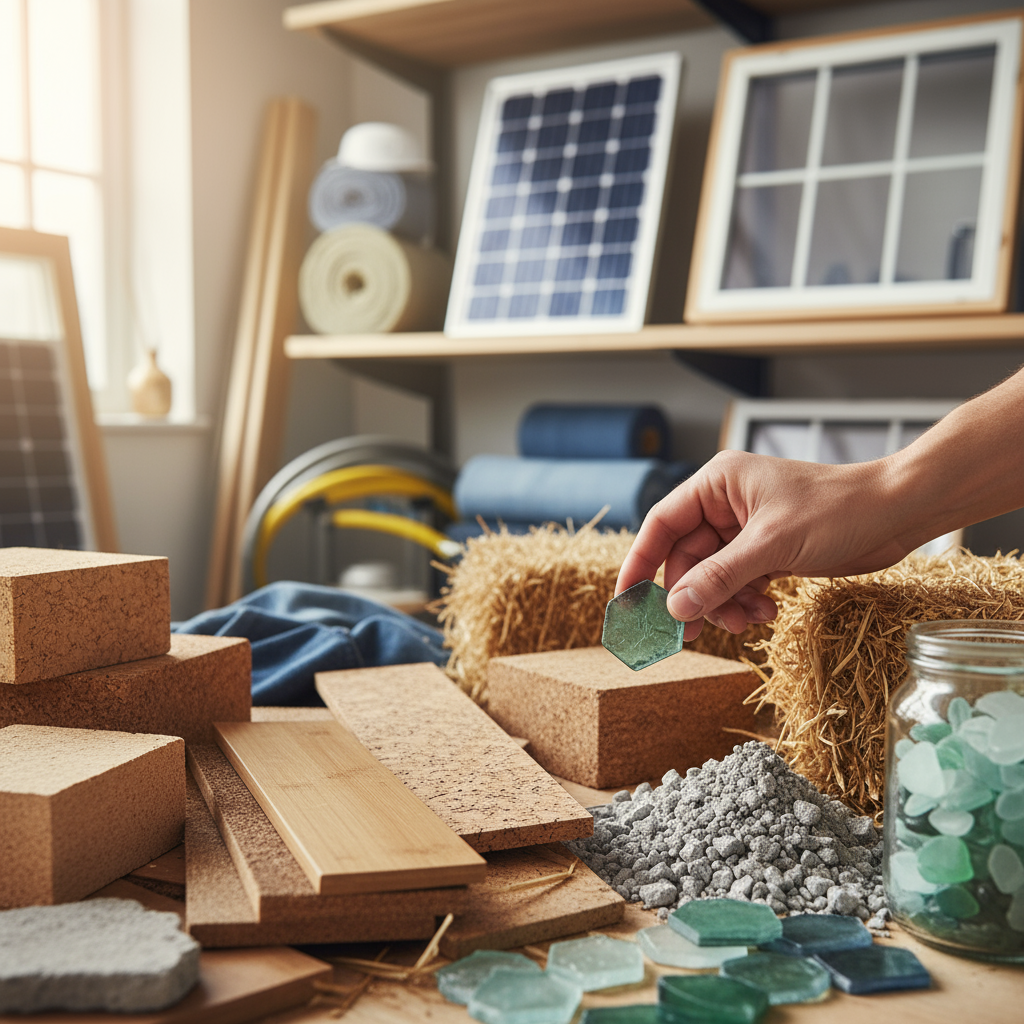
Sustainability isn’t just a buzzword anymore—it’s reshaping how we build, and the construction industry is paying attention. We’re seeing a real shift toward environmental responsibility meeting smart building practices, and honestly? It’s about time. This discussion will walk you through the key principles that make sustainable construction work, helping everyone from contractors to developers understand what it’s really about. We’ll also explore the real-world benefits (and trust me, they go way beyond just feeling good about helping the planet). With more clients demanding eco-friendly buildings, knowing how to weave these principles into your projects isn’t just nice to have—it’s essential.
Key Principles of Sustainable Construction
Here’s what sustainable construction really comes down to: building smarter, not just greener. It’s about designing, constructing, and operating buildings that work with the environment instead of against it, while making the most of every resource we use. Think of it like this—instead of the traditional “take, make, waste” approach, we’re moving toward something more thoughtful. Environmental stewardship means cutting waste and shrinking that carbon footprint from day one of construction through the building’s entire life. Resource efficiency? That’s the art of using materials and energy wisely, so we’re not burning through natural reserves like there’s no tomorrow. If you want to see how these principles play out in material selection, our guide on principles of sustainability breaks it down beautifully.
Waste reduction sits at the heart of everything we do. We’re talking strategies that turn “trash” into treasure—reusing materials, recycling what we can, and keeping as much as possible out of landfills. But it doesn’t stop there. Minimizing environmental impact means bringing in energy-efficient tech and renewable resources that actually cut emissions while supporting healthier ecosystems. The social side matters too—we’re creating buildings that make communities stronger and support long-term economic health. These principles align perfectly with sustainable business practices that fuel growth without selling out future generations, something we explore in depth in our resource on business sustainability practices.
Key Aspects of Sustainable Construction Principles
Let’s break down these aspects so construction pros and decision-makers can actually put sustainability strategies to work:
- Resource Efficiency: This is about getting the most out of materials, water, and energy during both construction and operation. Techniques like modular building and just-in-time material delivery don’t just cut waste—they make your budget happier too.
- Waste Reduction and Management: Having a solid waste management plan that puts reduction, reuse, and recycling first doesn’t just help the environment—it supports circular economies in construction where nothing goes to waste.
- Environmental Impact Minimization: Bringing in renewable energy, choosing low-impact materials, and designing for energy efficiency cuts greenhouse gas emissions and reduces ecological disruption throughout the building’s entire lifecycle.
- Social and Economic Responsibility: Sustainable construction aims to lift up local communities by creating healthier spaces to live and work while supporting economic growth through green jobs and smart resource use.
Once you understand these core principles, the construction industry can shift toward responsible building that actually protects our planet while adding real value to society. These foundations set us up perfectly to explore the wide-ranging benefits that come with embracing sustainability.
Benefits of Sustainability in Construction
Here’s where things get interesting—sustainable construction pays off in ways that go far beyond just being environmentally responsible. Economically speaking, you’re looking at serious operational cost savings through energy efficiency, smart water usage, and reduced waste disposal fees. Green buildings often command higher property values and attract tenants and buyers who actually care about environmental impact. Want to see how this plays out in real numbers? Check out green technology innovations for insights on how these advances drive both cost reduction and sustainability.
From an environmental standpoint, sustainable construction makes a real dent in the carbon footprint of buildings and construction activities—we’re talking actual climate change mitigation here. It protects natural resources and supports biodiversity by cutting pollution and preventing habitat destruction. On the social side, sustainable projects improve indoor air quality and maximize natural lighting, which directly impacts how people feel and perform in these spaces. These projects also strengthen community bonds through thoughtful site planning and genuine engagement. When you add it all up, there’s a compelling case for making sustainability central to construction projects, supported by practical frameworks you’ll find in our guide on business sustainability strategies.
Key Benefits of Sustainable Construction
These benefits show exactly why sustainable construction isn’t just good for business—it’s essential for our future:
- Economic Savings and Value: Lower energy consumption means smaller utility bills, while efficient material use keeps construction costs in check. Sustainable buildings typically have lower maintenance costs and higher resale values—it’s a win across the board.
- Environmental Protection: Using renewable materials, recycling waste, and integrating eco-friendly technologies reduces pollution and protects ecosystems, making a real contribution to fighting global warming and resource scarcity.
- Improved Human Health and Comfort: Sustainable buildings often feature better ventilation, more natural light, and non-toxic materials, creating healthier environments that reduce absenteeism and health risks for occupants.
- Community and Social Benefits: Responsible development promotes social equity by engaging communities, creating green job opportunities, and improving quality of life in neighborhoods where construction takes place.

Here’s the reality: sustainable construction isn’t just a nice-to-have anymore—it’s become absolutely critical. The construction industry is waking up to something we should have realized years ago: we can’t keep building the way we always have and expect our planet to survive. Sustainable construction goes beyond trendy buzzwords; it’s about fundamentally rethinking how we use resources, manage waste, and minimize our environmental impact. When you integrate these principles into your projects, you’re not just building structures—you’re building smarter, greener infrastructure that actually works for both today’s needs and tomorrow’s challenges.
The benefits? They’re everywhere you look. Let’s start with your bottom line—because yes, sustainable practices actually save money over time through efficient material use and energy-saving technologies. (The upfront costs might make you wince, but stick with me here.) Environmentally, we’re talking about real conservation of natural resources, meaningful reductions in greenhouse gas emissions, and protection of ecosystems that our kids will thank us for. But there’s more. These practices create healthier spaces for people—better indoor air quality, environments that actually promote well-being. Plus, sustainable construction strengthens communities through job creation and long-term economic stability. Sure, there are challenges like initial investment costs and navigating regulatory complexities, but industry stakeholders are stepping up with innovation and collaboration that’s genuinely encouraging.
Ready to take action? Start by diving deeper into the fundamentals. Understanding the principles of sustainability will give you the foundation you need—those environmental, social, and economic pillars that guide smart decision-making. Next, explore the cutting-edge green technology innovations that are completely reshaping how we build, from energy-efficient systems to smart materials that seemed impossible just a few years ago. Don’t forget about your supply chain—it’s a game-changer when you get it right. Check out sustainability in supply chain management to learn how to reduce environmental impacts from project start to finish. And if you’re thinking about the bigger business picture (which you should be), our guide on business sustainability strategies shows you exactly how companies are making this work for long-term growth and profitability.
You now have the knowledge to make a real difference. Push for sustainable materials in your next project. Champion innovative building practices that others might be hesitant to try. Support policies that encourage environmental stewardship—even when it feels like an uphill battle. Every single step you take toward sustainability matters more than you might realize. You’re not just contributing to a healthier planet; you’re building the foundation for a resilient future that your children and their children will inherit. Your commitment right now—today—isn’t just about constructing buildings. You’re creating sustainable legacies built on innovation, efficiency, and genuine responsibility.
Frequently Asked Questions
-
What is sustainable construction?
- Sustainable construction involves building methods that minimize environmental harm and promote efficient use of resources, ensuring long-term viability.
-
Why is sustainability important in construction?
- It helps reduce pollution, conserves resources, lowers costs over time, and creates healthier living and working environments.
-
What are examples of sustainable materials?
- Common examples include recycled steel, bamboo, reclaimed wood, and low-emission (low-VOC) paints.
-
How can construction waste be managed sustainably?
- By implementing waste reduction plans, prioritizing reuse and recycling, and minimizing landfill disposal during construction projects.
-
What challenges does the construction industry face in sustainability?
- Challenges include higher initial costs, limited awareness, regulatory complexities, and the need for technological adaptation.