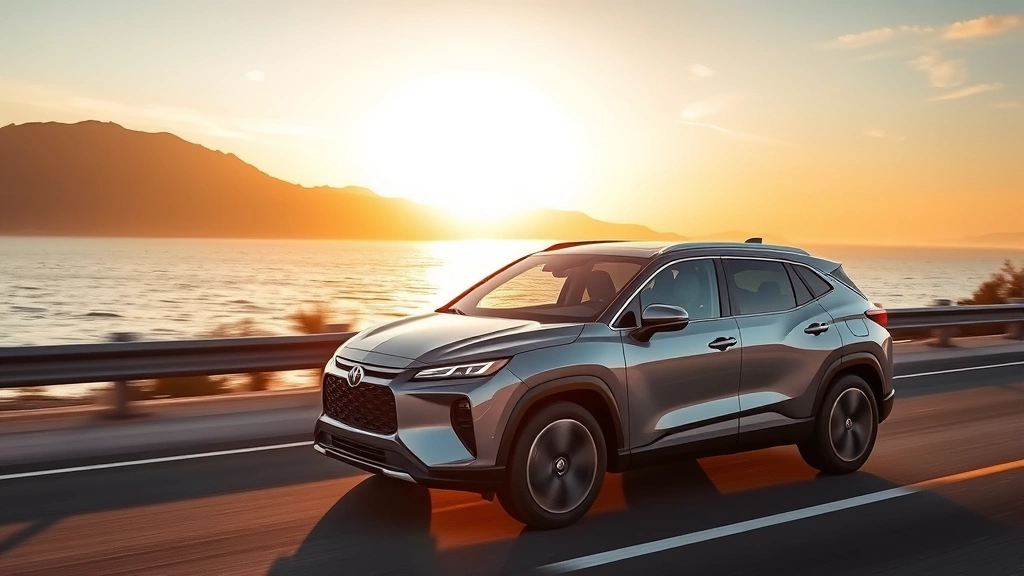
Best Gas Mileage SUVs with 3rd Row: 2023 Picks
Finding a three-row SUV that doesn’t guzzle fuel like a construction vehicle is a legitimate challenge in today’s automotive market. Families need the space, cargo capacity, and safety features that SUVs provide, but they also want to minimize their environmental impact and keep fuel costs manageable. The good news is that 2023 brought significant improvements in fuel efficiency across the three-row SUV segment, with manufacturers prioritizing both performance and economy.
Whether you’re commuting daily with a full vehicle or taking weekend trips with the whole family, the right choice can save you thousands in fuel costs while reducing your carbon footprint. This comprehensive guide explores the most fuel-efficient three-row SUVs available in 2023, examining their specifications, real-world performance, and sustainability credentials. We’ll also discuss how these vehicles compare to electric vehicle alternatives and what factors matter most when selecting an eco-conscious family vehicle.
Top Fuel-Efficient Three-Row SUVs
The 2023 model year introduced several standout contenders in the fuel-efficient three-row SUV category. These vehicles balance practical family needs with modern efficiency standards, incorporating lightweight materials, aerodynamic designs, and advanced transmission technologies.
Honda Odyssey Hybrid leads the pack with its focus on fuel economy, achieving approximately 36 MPG combined. While technically a minivan rather than an SUV, it deserves mention for families prioritizing efficiency. The Toyota Grand Highlander Hybrid follows closely, offering genuine three-row SUV capability with impressive efficiency ratings. The Mazda CX-9 represents the traditional three-row SUV approach with respectable fuel economy for its class, while the Kia Sorento Hybrid provides a compelling alternative with competitive pricing and strong reliability ratings.
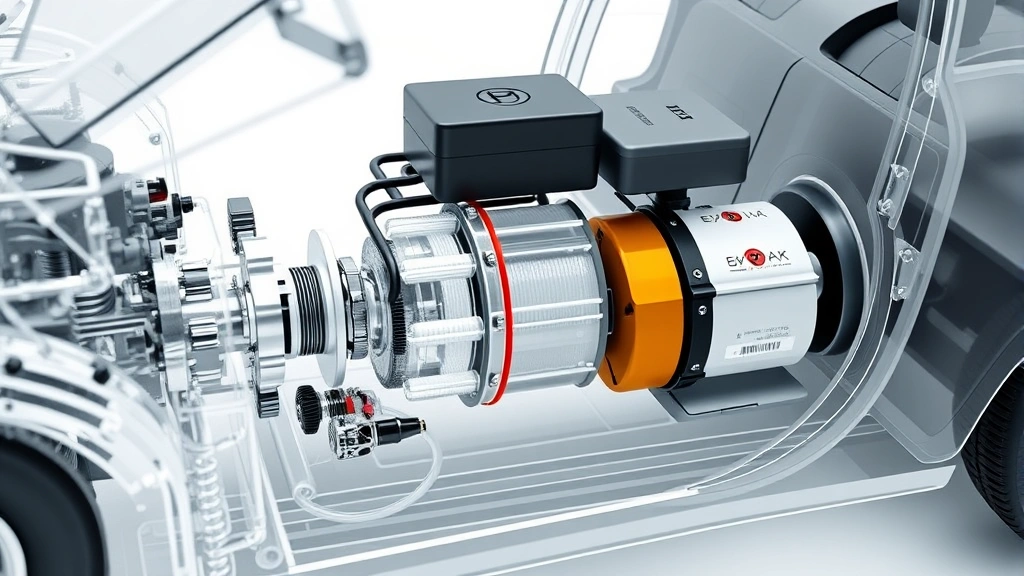
The sustainable energy solutions embedded in these vehicles extend beyond simple fuel efficiency. Modern SUVs incorporate regenerative braking, optimized fuel injection systems, and intelligent transmission programming that adapts to driving patterns. Understanding these technologies helps buyers make informed decisions aligned with their environmental values.
MPG Comparison and Specifications
Comparing fuel economy across three-row SUVs requires understanding how manufacturers test and report these figures. The EPA’s testing methodology provides standardized measurements, but real-world performance varies based on driving conditions, maintenance, and driving habits.
- Toyota Grand Highlander Hybrid: 28-32 MPG combined, 3.5L V6 hybrid engine, seats up to eight passengers
- Kia Sorento Hybrid: 31-34 MPG combined, 2.0L turbocharged hybrid, three-row configuration
- Mazda CX-9: 21-26 MPG combined, 2.5L turbocharged engine, premium interior appointments
- Honda Pilot: 21-25 MPG combined, 3.5L V6, third-row seating for eight
- Volkswagen Atlas: 19-23 MPG combined, various engine options, spacious interior
These figures represent EPA estimates for front-wheel-drive models in mixed driving conditions. All-wheel-drive variants typically see a 1-3 MPG reduction. The gap between hybrid and conventional engine options has narrowed for some manufacturers, but hybrid models consistently outperform their traditional counterparts in the same vehicle class.

The Hybrid Advantage
Hybrid technology represents the most practical efficiency improvement currently available in the three-row SUV market. Unlike plug-in hybrids requiring home charging infrastructure, traditional hybrids generate electricity through regenerative braking and the internal combustion engine, providing seamless operation without range anxiety.
The Toyota Grand Highlander Hybrid exemplifies hybrid sophistication. Its dual-motor system distributes power between front and rear wheels, improving traction and efficiency simultaneously. The vehicle automatically switches between electric and gasoline power based on driving conditions, optimizing fuel consumption during city driving where efficiency gains are most significant.
Kia’s hybrid implementation in the Sorento focuses on cost-effectiveness without sacrificing capability. The system integrates a 2.0L turbocharged engine with dual electric motors, achieving acceleration performance comparable to larger conventional engines while maintaining superior fuel economy. This approach appeals to families unwilling to compromise on driving dynamics.
Understanding the definition of sustainability in automotive context means recognizing that hybrid vehicles represent a transitional technology. They significantly reduce emissions and fuel consumption compared to conventional engines while remaining more practical than current electric options for families requiring frequent long-distance travel and three-row seating.
Engine Options and Performance
Not all buyers prioritize hybrid technology, and conventional engines remain competitive for those accepting slightly lower fuel economy in exchange for lower purchase prices or preferred driving characteristics.
The Mazda CX-9 represents the conventional engine approach with distinction. Its 2.5L turbocharged engine produces 250 horsepower while maintaining relatively competitive fuel economy for a non-hybrid three-row vehicle. The design philosophy emphasizes driving engagement, appealing to families unwilling to sacrifice handling and responsiveness.
The Honda Pilot’s 3.5L V6 delivers strong performance with eight-passenger seating. While its fuel economy trails hybrid alternatives, the Pilot’s reliability reputation and resale value attract families prioritizing long-term ownership costs. The conventional engine approach means lower initial purchase prices and simplified maintenance compared to hybrid systems.
The Volkswagen Atlas offers multiple engine options across its model lineup. The 2.0L turbocharged four-cylinder balances efficiency with practicality, while the 3.6L V6 provides additional power for those towing or requiring maximum acceleration. These options allow buyers to select the engine matching their specific usage patterns.
Environmental Impact and Sustainability
Selecting a fuel-efficient three-row SUV extends beyond personal economics—it reflects environmental consciousness and responsibility toward future generations. The transportation sector accounts for approximately 27% of greenhouse gas emissions in the United States, according to the EPA’s transportation emissions data, making vehicle selection consequential for climate goals.
A family replacing a 15 MPG SUV with a 30 MPG hybrid model reduces annual emissions by approximately 4.8 metric tons of CO2, assuming 12,000 annual miles. Over a vehicle’s 15-year lifespan, this represents 72 metric tons of avoided emissions—equivalent to the annual carbon sequestration of 1,200 tree seedlings grown for ten years.
The principles of sustainability in vehicle manufacturing extend beyond operational efficiency. Modern three-row SUVs increasingly incorporate recycled materials, sustainable manufacturing practices, and design considerations for end-of-life recycling. Manufacturers like Toyota and Honda lead in these areas, publishing detailed sustainability reports documenting their environmental commitments.
According to the U.S. Department of Energy’s fuel economy database, hybrid three-row SUVs typically reduce lifetime fuel costs by $4,000-$7,000 compared to conventional alternatives, while simultaneously reducing environmental impact. This financial-environmental alignment makes fuel-efficient choices economically rational beyond environmental considerations.
Battery production for hybrid systems involves environmental trade-offs, requiring mining of lithium, cobalt, and nickel. However, lifecycle analyses consistently demonstrate that hybrid vehicles offset these manufacturing impacts through operational efficiency within 1-2 years of typical driving, making the environmental case compelling even accounting for production impacts.
Fuel Efficiency Maintenance Tips
Maximizing fuel economy requires consistent maintenance and conscious driving habits. Even the most efficient vehicles lose performance when neglected.
- Tire Pressure Monitoring: Underinflated tires increase rolling resistance, reducing fuel economy by up to 3%. Check pressure monthly and maintain manufacturer-recommended specifications listed on the driver’s door jamb.
- Regular Oil Changes: Fresh, appropriate-grade oil reduces engine friction and improves efficiency. Follow manufacturer intervals, typically 5,000-10,000 miles depending on synthetic versus conventional oils.
- Air Filter Replacement: Clogged air filters restrict airflow, forcing the engine to work harder and consume more fuel. Replace annually or as recommended by your vehicle’s maintenance schedule.
- Fuel Quality: Use gasoline containing detergents meeting EPA standards. Premium fuel provides no efficiency benefit unless your vehicle’s engine specifically requires it.
- Aerodynamic Considerations: Roof racks and cargo carriers significantly increase wind resistance. Remove unused accessories and consider low-profile options when cargo carrying is necessary.
- Transmission Fluid Service: Automatic transmission fluid degrades over time, reducing efficiency. Regular service intervals ensure optimal transmission performance.
Driving habits significantly impact real-world fuel economy. Aggressive acceleration, excessive idling, and highway speeding all reduce efficiency. Vehicles achieve maximum fuel economy at steady speeds around 45-50 MPH. Rapid acceleration can reduce fuel economy by 15-30% compared to gradual, smooth acceleration patterns.
Alternative Powertrain Considerations
While hybrid three-row SUVs represent the current efficiency sweet spot, alternative powertrains deserve consideration as technology evolves and infrastructure expands.
Plug-in Hybrid Electric Vehicles (PHEVs) offer extended electric range for daily commuting while maintaining gasoline engines for longer trips. The Mitsubishi Outlander PHEV provides three-row seating with electric capability, though true three-row plug-in hybrids remain limited. PHEVs require access to charging infrastructure and home charging capability to realize maximum efficiency benefits.
Battery Electric Vehicles (BEVs) eliminate tailpipe emissions entirely, with the green technology innovations advancing rapidly. The Tesla Model X provides three-row seating and impressive efficiency, though premium pricing exceeds most family budgets. The Kia EV9, arriving in 2023-2024, promises affordable three-row electric capability, potentially revolutionizing family vehicle options.
Electric vehicle advantages include dramatically lower operational costs, zero emissions during operation, and reduced maintenance requirements. However, current limitations include higher upfront costs, longer refueling times, and reduced range in cold weather. For families able to charge at home and primarily drive within 250-mile daily ranges, electric three-row SUVs offer compelling environmental and economic benefits.
The transition toward electrification represents the ultimate expression of sustainable transportation solutions discussed throughout the SustainWise Hub Blog. However, current technology constraints mean hybrid SUVs remain the most practical choice for families requiring maximum flexibility and range today.
Hydrogen fuel cell vehicles represent emerging alternatives, though infrastructure remains virtually non-existent in most regions. These vehicles produce only water vapor as emissions, but limited model availability and fueling station scarcity make them impractical for most consumers currently.
FAQ
What three-row SUV has the best gas mileage in 2023?
The Toyota Grand Highlander Hybrid achieves the best fuel economy among traditional three-row SUVs, with EPA ratings of 28-32 MPG combined depending on drivetrain configuration. The Kia Sorento Hybrid offers competitive efficiency at 31-34 MPG combined, making it an excellent value alternative.
Is hybrid worth the extra cost for three-row SUVs?
Hybrid three-row SUVs typically cost $3,000-$5,000 more than conventional alternatives. This premium is typically recovered through fuel savings within 5-7 years of average driving. For families planning 10+ year ownership or driving 15,000+ annual miles, hybrid technology provides strong financial returns alongside environmental benefits.
Can you fit three full rows in fuel-efficient SUVs?
Yes, all vehicles discussed in this guide provide genuine three-row seating with third-row access and usable cargo space. However, third-row passengers sacrifice comfort on longer trips compared to traditional seven-passenger vehicles. Families prioritizing third-row comfort should test-drive vehicles before purchasing.
What driving habits improve three-row SUV fuel economy?
Maintaining steady speeds around 45-50 MPH, avoiding rapid acceleration, minimizing idling, and keeping tire pressure at recommended specifications all improve fuel economy. These habits can increase efficiency by 10-20% compared to aggressive driving patterns.
Are three-row SUVs with good gas mileage reliable?
Toyota and Honda three-row SUVs have excellent reliability records, with many vehicles exceeding 200,000 miles with proper maintenance. Kia reliability has improved dramatically, with recent models earning strong ratings from Consumer Reports and J.D. Power. Mazda and Volkswagen vehicles maintain good reliability, though long-term data is more limited.
Should I consider an electric three-row SUV instead?
Electric three-row SUVs like the Tesla Model X offer zero emissions and dramatically lower operational costs. However, higher upfront prices ($60,000+), charging infrastructure requirements, and reduced cold-weather range make them impractical for many families. As prices decline and charging networks expand, electric three-row SUVs will become increasingly viable alternatives to hybrids.
What warranty coverage do fuel-efficient three-row SUVs include?
Most manufacturers provide 3-year/36,000-mile basic warranties and 5-year/60,000-mile powertrain warranties. Hybrid-specific components like batteries typically receive 8-10 year/100,000-mile coverage. Extended warranty options are available through dealers and third-party providers, offering additional peace of mind for long-term ownership.


