Is Top Tier Gas Sustainable? Industry Insights and Environmental Impact
The debate surrounding top tier gas sustainability has intensified as consumers become increasingly conscious of their environmental impact. While premium fuel options promise better engine performance and cleaner combustion, the question remains: does choosing top tier gasoline genuinely contribute to a more sustainable future? This comprehensive exploration examines the environmental credentials of top tier fuel, its production processes, and how it compares to standard gasoline alternatives in the context of broader sustainability goals.
Understanding the sustainability of top tier gas requires examining multiple dimensions—from refining practices and additive formulations to real-world emissions reductions and the fuel’s role within our transition toward cleaner energy. As we navigate the complexities of modern transportation, it’s essential to separate marketing claims from verified environmental benefits and understand where top tier fuel fits within the larger picture of achieving genuine sustainability in the automotive sector.
What Defines Top Tier Gasoline
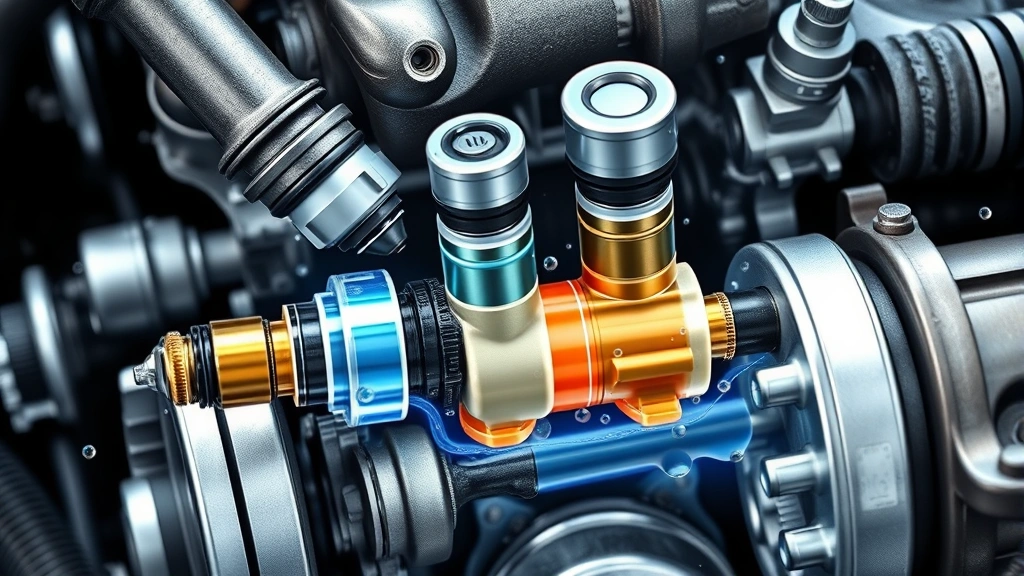
Top tier gasoline represents a premium fuel category that exceeds the minimum detergent requirements established by the Environmental Protection Agency (EPA). Unlike standard gasoline, which meets only baseline federal regulations, top tier gas contains significantly higher concentrations of detergents—typically four to five times the EPA’s minimum requirement. These enhanced detergents serve a critical function: they prevent fuel injector deposits and intake valve buildup that accumulate over time during normal engine operation.
The distinction between top tier and conventional fuel emerged from industry recognition that EPA minimum standards, while adequate for environmental compliance, don’t necessarily optimize engine cleanliness or performance. Major oil companies including Shell, Chevron, Mobil, and Costco have adopted proprietary formulations that exceed regulatory minimums. These formulations include various chemical compounds designed to maintain fuel system components in pristine condition, theoretically extending engine life and maintaining efficiency throughout a vehicle’s lifespan.
Several key characteristics define top tier gasoline. First, detergent packages must meet rigorous performance standards tested through standardized procedures. Second, fuel must demonstrate superior ability to clean existing deposits within fuel injection systems. Third, top tier fuels typically include additional additives for corrosion prevention, oxidation stability, and water separation. Understanding these technical specifications is fundamental to evaluating whether top tier gas represents a genuine sustainability advantage or simply a premium product with marginal environmental benefits.
Environmental Standards and Certifications
The regulatory framework governing gasoline sustainability has evolved significantly over recent decades. The EPA’s Tier 3 gasoline standards, implemented beginning in 2017, represent the most comprehensive federal requirements for fuel composition and vehicle emissions. These standards mandate reduced sulfur content in all gasoline sold in the United States, limiting sulfur to 10 parts per million on average. This reduction directly improves air quality and reduces harmful emissions contributing to respiratory problems and climate change.
Top tier gasoline meets and exceeds these EPA standards, but certification exists through different mechanisms. The Top Tier Gasoline Program, maintained by major oil companies rather than government agencies, operates as an industry self-regulatory framework. Participating retailers commit to maintaining detergent levels above EPA minimums and agree to independent testing and verification. This voluntary approach means top tier certification, while rigorous, operates outside formal government oversight—a distinction important when evaluating sustainability claims.
External certification bodies have established additional environmental standards relevant to fuel sustainability. The EPA’s Gasoline Standards program provides comprehensive information on federal fuel requirements. Organizations like the American Petroleum Institute (API) also establish performance standards for fuels and lubricants. These frameworks provide baseline environmental protection, though they don’t specifically address broader sustainability concerns including carbon intensity, renewable content, or long-term environmental justice considerations.
When examining whether top tier gas supports true sustainability, we must recognize that meeting current environmental standards represents a minimum threshold rather than a comprehensive sustainability solution. Top tier fuel improves upon these standards in specific technical areas but doesn’t fundamentally alter the carbon-intensive nature of petroleum-based fuels or address lifecycle environmental impacts.
Production and Refining Sustainability
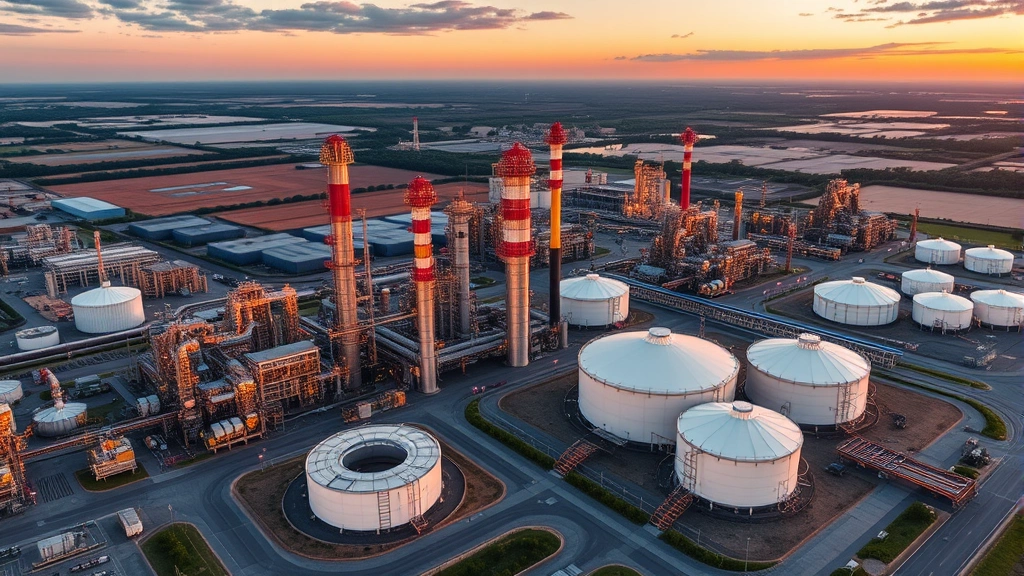
The sustainability of top tier gasoline begins at the refinery, where crude oil undergoes complex processing to produce finished fuel. Modern refineries have implemented significant environmental improvements over recent decades, including advanced pollution control technologies, water recycling systems, and energy efficiency upgrades. However, refining remains an energy-intensive process with substantial environmental implications.
Producing top tier gasoline requires additional processing steps compared to standard fuel production. Enhanced detergent packages must be synthesized, tested, and carefully blended into fuel at precise concentrations. This additional complexity demands more energy input and generates additional chemical waste streams requiring proper management. While refineries have improved waste handling practices, the incremental environmental cost of top tier fuel production deserves consideration when evaluating overall sustainability.
Refinery emissions represent a significant environmental concern. Modern facilities must comply with Clean Air Act requirements and state-level regulations limiting criteria pollutants and greenhouse gas emissions. Advanced refineries employ catalytic processes that minimize emissions while maximizing fuel yield from crude oil. However, petroleum refining inherently generates greenhouse gas emissions—approximately 10 kilograms of CO2 per gallon of gasoline produced, according to lifecycle analysis studies. Top tier fuel, requiring additional processing, may generate slightly higher refining emissions than standard gasoline, though this difference remains relatively modest compared to total fuel lifecycle impacts.
Water consumption and contamination represent additional refining sustainability concerns. Refineries use substantial quantities of water for cooling and processing, and this water often requires treatment before discharge. While modern facilities employ closed-loop cooling systems and advanced wastewater treatment, refining operations can still impact local water resources. The incremental water requirements for top tier fuel production remain minimal relative to overall refinery operations but contribute to the cumulative environmental footprint.
Emissions Reduction Benefits
The primary environmental advantage of top tier gasoline lies in its potential to reduce tailpipe emissions throughout a vehicle’s operational life. Superior detergency prevents fuel injector deposits and intake valve buildup, which accumulate over time as normal byproducts of combustion. These deposits can increase emissions significantly—studies indicate that fuel system deposits can increase nitrogen oxide (NOx) emissions by 5-15% and particulate matter by similar percentages in affected vehicles.
By maintaining cleaner fuel systems, top tier gasoline helps vehicles maintain lower emissions profiles across their operational lifespan. This represents a genuine environmental benefit, as most vehicles experience gradually increasing emissions as mileage accumulates. A vehicle fueled exclusively with top tier gasoline may produce measurably lower emissions at 100,000 miles compared to an identical vehicle using standard gasoline—an advantage that compounds over the vehicle’s lifetime.
Quantifying these emissions reductions at a societal scale requires considering fuel market penetration. Currently, top tier fuel represents approximately 10-15% of gasoline sold in the United States. If all consumers switched to top tier gasoline, aggregate tailpipe emissions might decrease by 3-8% according to various industry estimates—a meaningful but not transformative reduction. This benefit must be weighed against the higher cost of top tier fuel, which may deter some consumers from purchasing this premium option.
The emissions reduction benefits of top tier gas should be contextualized within broader transportation sustainability efforts. While maintaining cleaner engines represents a positive development, the fundamental carbon intensity of gasoline combustion remains unchanged. A vehicle burning top tier fuel still produces approximately the same amount of CO2 per gallon as one burning standard gasoline—the primary difference involves reduced criteria pollutants rather than greenhouse gas reduction.
Comparison with Standard Gasoline
Understanding the practical differences between top tier and standard gasoline requires examining specific performance metrics and environmental outcomes. Standard gasoline meets EPA Tier 3 requirements and contains baseline detergent packages sufficient to prevent significant fuel system deposits in most vehicles. For consumers who follow regular maintenance schedules and drive newer vehicles with advanced fuel system technologies, the difference between top tier and standard fuel may prove negligible.
Research comparing fuel types reveals interesting nuances. Studies funded by major oil companies consistently demonstrate superior performance of top tier fuel in preventing deposits and reducing emissions. However, independent testing sometimes shows more modest differences, particularly in newer vehicles with advanced fuel injection systems designed to minimize deposit formation regardless of fuel type. This discrepancy suggests that marketing benefits may somewhat exceed real-world performance advantages for many consumers.
Cost represents a significant practical difference between fuel types. Top tier gasoline typically costs 3-5 cents per gallon more than standard fuel—a premium that adds $40-80 annually for average drivers. Whether this premium justifies the environmental and performance benefits remains debatable. For high-mileage drivers maintaining vehicles over extended periods, top tier fuel may provide measurable benefits. For consumers purchasing new vehicles every few years, the advantages may prove more limited.
The environmental profile comparison must extend beyond emissions to include production impacts, distribution efficiency, and lifecycle considerations. When examined holistically, top tier gasoline offers incremental improvements over standard fuel but doesn’t represent a fundamental sustainability advancement. Both fuel types derive from fossil fuels with similar carbon intensities and similar environmental extraction costs. The distinction lies primarily in refinery additives rather than fuel fundamentals.
Real-World Performance Impacts
Real-world testing of top tier gasoline reveals performance benefits that vary significantly based on vehicle age, driving patterns, and maintenance history. Older vehicles with high mileage often show the most dramatic response to switching to premium detergent fuel, as accumulated deposits represent a substantial problem. In these cases, drivers frequently report improved acceleration, smoother idling, and better fuel economy after consistent top tier fuel use.
Modern vehicles equipped with direct fuel injection systems and advanced emissions controls sometimes show less dramatic improvements. These vehicles often incorporate fuel system cleaning technologies and sophisticated engine management systems that minimize deposit formation. Drivers of newer cars may experience subtle improvements in performance rather than the noticeable changes that older vehicle owners report.
Fuel economy represents one measurable real-world impact of top tier gasoline. Cleaner fuel systems allow engines to operate more efficiently, reducing the throttle adjustments and fuel corrections that a fuel control computer must make to maintain proper combustion. Studies suggest that top tier fuel can improve fuel economy by 1-2% in vehicles with significant fuel system deposits, though newer vehicles may see minimal gains. Over a vehicle’s lifetime, this efficiency improvement translates to modest fuel savings that partially offset the premium price.
Engine longevity represents a more speculative benefit of top tier fuel. While maintaining cleaner fuel systems theoretically extends engine life and reduces maintenance costs, direct evidence remains limited. Vehicles properly maintained with regular oil changes and fuel filter replacements typically experience minimal engine wear regardless of fuel type. However, for consumers who defer maintenance or drive in challenging conditions, top tier fuel may provide additional engine protection.
Sustainability Limitations and Challenges
Despite the environmental advantages of top tier gasoline, significant limitations constrain its role in achieving genuine transportation sustainability. The most fundamental limitation involves carbon intensity—top tier fuel produces essentially identical greenhouse gas emissions to standard gasoline when burned. As climate change emerges as the dominant environmental challenge, the inability of top tier fuel to address carbon emissions represents a critical shortcoming. Whether fuel burns cleanly or less cleanly becomes secondary to the quantity of carbon dioxide released during combustion.
The production and distribution infrastructure for top tier gasoline reinforces dependence on petroleum-based fuels, potentially delaying the transition toward truly sustainable transportation alternatives. Resources devoted to developing premium gasoline products might alternatively support electric vehicle infrastructure, renewable fuel development, or public transportation expansion. From a sustainability perspective, optimizing an inherently carbon-intensive fuel source represents a suboptimal long-term strategy compared to fundamental transportation system transformation.
Market dynamics create additional challenges for top tier fuel sustainability claims. Premium fuel pricing means that lower-income consumers—who often drive older vehicles that would benefit most from top tier fuel—cannot afford this option. This creates an environmental justice concern where wealthier consumers enjoy cleaner air quality from their vehicles while disadvantaged communities experience higher pollution exposure. Genuine sustainability requires equitable solutions that benefit all populations rather than advantages limited to affluent consumers.
The voluntary nature of top tier certification creates accountability gaps. Unlike government-regulated standards with enforcement mechanisms, industry self-regulation depends on company commitment and consumer awareness. Some retailers may misrepresent standard fuel as top tier, and verification mechanisms remain imperfect. This regulatory ambiguity undermines confidence in sustainability claims and allows greenwashing to flourish in the premium fuel market.
Future of Sustainable Fuels
The future of transportation sustainability likely involves moving beyond optimized petroleum fuels toward fundamentally different energy sources. Electric vehicles represent the most rapidly advancing alternative, offering zero tailpipe emissions and dramatically lower lifecycle carbon intensity compared to conventional gasoline vehicles. As battery technology improves and charging infrastructure expands, electric vehicles increasingly compete with gasoline-powered cars on cost and convenience, making top tier fuel optimization less relevant for forward-thinking consumers.
Sustainable aviation fuels (SAF) and advanced biofuels represent another pathway for reducing transportation emissions while maintaining liquid fuel compatibility with existing infrastructure. These renewable alternatives can reduce lifecycle carbon emissions by 50-80% compared to conventional fuels, representing a more substantial sustainability improvement than top tier gasoline optimization. Industry investment in these technologies may eventually provide genuinely sustainable fuel options for consumers unable to transition to electric vehicles.
Hydrogen fuel cells and other emerging technologies promise even more dramatic environmental benefits if production methods transition toward renewable energy. These technologies remain in early development stages but offer potential for zero-emission transportation without the battery limitations that constrain electric vehicles. Supporting research and development in these areas likely represents a more productive sustainability strategy than continued optimization of conventional petroleum fuels.
The role of top tier gasoline in this evolving landscape appears increasingly marginal. As transportation electrification accelerates and alternative fuels mature, the relevance of premium gasoline optimization diminishes. However, during the transition period—likely spanning several decades—top tier fuel may provide incremental environmental benefits for consumers still driving conventional vehicles. The key challenge involves ensuring this transitional technology doesn’t delay the fundamental transformation toward truly sustainable transportation systems.
Policy frameworks increasingly recognize that genuine sustainability requires systemic change rather than incremental fuel improvements. Understanding sustainability principles reveals that optimizing existing systems within fundamentally unsustainable structures provides only temporary solutions. Transportation policy increasingly emphasizes vehicle electrification, public transit expansion, and land use changes that reduce transportation demand—approaches that address root causes rather than symptoms.
Making Sustainable Transportation Choices
For consumers seeking to minimize their transportation environmental impact, the decision regarding top tier gasoline should factor into a broader sustainability strategy. While top tier fuel offers measurable emissions benefits for those continuing to drive conventional vehicles, these benefits remain modest compared to alternative choices. Consumers genuinely committed to sustainability should prioritize vehicle selection over fuel optimization.
Purchasing an electric vehicle represents the most impactful individual transportation decision, reducing lifetime emissions by 50-70% compared to conventional vehicles depending on regional electricity sources. For consumers unable to transition to electric vehicles immediately, selecting a highly efficient conventional vehicle or hybrid model reduces environmental impact far more dramatically than choosing premium fuel. Reducing your environmental footprint through vehicle selection decisions typically yields greater benefits than fuel optimization.
For those continuing to drive conventional vehicles, top tier fuel represents a reasonable choice if affordable, particularly for older vehicles or high-mileage drivers. The modest cost premium may justify the incremental emissions reductions and potential fuel economy improvements. However, this decision should be understood as an optimization of an imperfect system rather than a comprehensive sustainability solution.
Complementary sustainability practices amplify the benefits of responsible fuel choices. Regular vehicle maintenance including proper tire inflation, timely oil changes, and fuel system cleaning ensures optimal engine efficiency regardless of fuel type. Driving behaviors including moderate acceleration, maintaining steady speeds, and minimizing unnecessary trips reduce fuel consumption and emissions more dramatically than fuel selection. Combining these practices with occasional top tier fuel use creates a comprehensive approach to minimizing transportation environmental impact while maintaining vehicle reliability.
Industry Perspectives and Sustainability Reporting
Major oil companies and fuel retailers increasingly incorporate sustainability language into their marketing, positioning top tier fuel as an environmental choice. These companies highlight emissions reductions, engine efficiency improvements, and environmental certifications when promoting premium products. However, sustainability reporting from fossil fuel companies warrants critical evaluation—claims must be contextualized within the companies’ overall carbon footprints and climate positions.
Genuine sustainability requires transparency about limitations as well as benefits. A truly sustainable fuel industry would acknowledge that petroleum-based fuel optimization represents a transitional strategy rather than a long-term solution. Progressive companies increasingly invest in electric vehicle charging infrastructure, biofuel research, and renewable energy—investments that demonstrate commitment to authentic sustainability beyond incremental fuel improvements.
Consumer awareness of greenwashing remains essential when evaluating fuel marketing claims. Terms like “clean burning,” “environmentally friendly,” and “sustainable” lack standardized definitions and often convey misleading impressions. Top tier gasoline does offer environmental advantages over standard fuel, but these advantages remain limited and should not be confused with genuine sustainability. Consumers deserve clear, honest communication about what top tier fuel does and doesn’t accomplish environmentally.
Third-party certification and independent testing provide more reliable sustainability information than manufacturer claims. Organizations like the EPA’s FuelEconomy.gov offer objective fuel efficiency data, while the Carbon Trust provides lifecycle carbon analysis for various fuels. Consulting these resources provides better sustainability guidance than relying on industry marketing.
FAQ
Does top tier gas actually improve fuel economy?
Top tier gasoline can improve fuel economy by 1-2% in vehicles with accumulated fuel system deposits, though the benefit varies significantly based on vehicle age and maintenance history. Newer vehicles may see minimal fuel economy changes. While modest, these improvements can offset part of the premium price over a vehicle’s lifetime for high-mileage drivers.
Is top tier gas better for the environment than standard gasoline?
Top tier gas offers environmental benefits by reducing certain tailpipe emissions including nitrogen oxides and particulate matter. However, it produces essentially identical greenhouse gas emissions to standard fuel. The environmental advantage is real but limited—representing optimization of an inherently carbon-intensive fuel rather than a fundamental sustainability improvement.
How much more does top tier gas cost?
Top tier gasoline typically costs 3-5 cents per gallon more than standard fuel, adding approximately $40-80 annually for average drivers. The cost premium varies by location and fuel brand. Whether this premium justifies the environmental and performance benefits depends on individual vehicle characteristics and driving patterns.
Should I always buy top tier gas?
Top tier gas benefits high-mileage older vehicles most significantly. For newer vehicles with advanced fuel systems, the benefits may prove minimal. Consider your vehicle’s age, driving patterns, and budget when deciding whether the premium cost justifies the incremental environmental and performance benefits.
Are there more sustainable fuel alternatives?
Yes, numerous alternatives offer greater sustainability benefits than top tier gasoline optimization. Electric vehicles eliminate tailpipe emissions entirely, sustainable aviation fuels reduce lifecycle carbon by 50-80%, and hybrid vehicles significantly improve fuel economy. For consumers unable to transition to these alternatives immediately, top tier fuel represents a reasonable interim choice.
How can I verify top tier fuel claims?
The Top Tier Gasoline Program maintains lists of participating retailers on member company websites. Independent testing through organizations like the EPA provides objective performance data. Be skeptical of marketing claims without third-party verification, as greenwashing remains common in fuel marketing.
What’s the difference between top tier and premium octane ratings?
Top tier refers to detergent levels and fuel system cleanliness, while premium octane ratings indicate fuel’s resistance to engine knock. These are separate characteristics—top tier fuel may be available in regular, mid-grade, or premium octane ratings. Octane selection depends on vehicle requirements, while top tier selection depends on environmental and performance preferences.