
Which Gas is Greener? Expert Analysis of Fuel Types and Environmental Impact
The question of which gas is greener has become increasingly critical as we face mounting climate pressures and air quality concerns. From traditional gasoline to natural gas, propane, and emerging biofuels, each fuel type carries distinct environmental consequences that extend far beyond the pump. Understanding these differences empowers consumers and businesses to make informed decisions that align with both their sustainability goals and practical needs.
This comprehensive analysis examines the lifecycle environmental impact of major fuel types, their carbon footprints, emission profiles, and real-world sustainability considerations. Whether you’re evaluating options for your vehicle, fleet, or facility, the science behind fuel choices reveals surprising complexities that challenge conventional assumptions about what truly constitutes a “greener” gas.
Understanding Fuel Types and Their Origins
Before evaluating which gas is greener, we must understand what we’re comparing. The primary fuel types available today include conventional gasoline, diesel, natural gas (methane), propane, ethanol blends, biodiesel, and synthetic fuels. Each originates from different sources and undergoes distinct processing pathways that significantly influence their environmental footprint.
Conventional gasoline and diesel are refined from crude oil extracted through drilling operations. Natural gas exists as a fossil fuel trapped in underground reservoirs, often extracted through conventional drilling or hydraulic fracturing (fracking). Propane, primarily a byproduct of natural gas processing and crude oil refining, offers portability advantages. Biofuels, conversely, derive from renewable biological sources like corn, sugarcane, and plant oils, representing a fundamentally different approach to fuel production.
The extraction and processing stages represent the first opportunity for environmental impact differentiation. Crude oil extraction disturbs ecosystems, requires significant water usage, and generates waste products. Natural gas extraction through fracking raises concerns about groundwater contamination and methane leakage. Biofuel production, while renewable, competes with food crops for agricultural land and requires fertilizers that contribute to nutrient pollution. Understanding these upstream impacts proves essential when evaluating true sustainability.
Carbon Emissions Comparison
Carbon dioxide emissions represent the most straightforward metric for climate impact comparison. When burned, different fuels release different amounts of CO₂ per unit of energy produced. Gasoline generates approximately 8.9 kilograms of CO₂ per gallon burned. Diesel produces roughly 10.2 kilograms per gallon, while natural gas emits approximately 5.3 kilograms of CO₂ per thousand cubic feet.
However, comparing fuels solely on combustion emissions provides an incomplete picture. Lifecycle analysis—examining emissions from extraction through end-use—reveals additional complexities. Natural gas extraction involves methane leakage, a greenhouse gas approximately 86 times more potent than CO₂ over a 20-year timeframe. If leakage rates exceed 3-4% during production and distribution, natural gas may offer minimal climate advantages over gasoline despite lower combustion emissions.
Biofuels present a more nuanced scenario. Ethanol blended with gasoline (E10) reduces net carbon emissions by approximately 5-10% because the ethanol production process captures atmospheric carbon through plant growth. However, EPA lifecycle analyses indicate that corn ethanol production’s agricultural impacts—including fertilizer runoff and land-use changes—create environmental trade-offs. Advanced biofuels derived from algae or waste materials offer superior carbon profiles compared to conventional biofuels.
Electric vehicles powered by renewable electricity represent the greenest option from a carbon perspective, reducing lifecycle emissions by 50-70% compared to gasoline vehicles depending on the grid’s energy mix. For those unable to transition to electric, understanding the relative carbon performance of available fuel types enables more sustainable interim choices.

” alt=”Comparative carbon emissions chart visualization showing different fuel types” />
Air Quality and Local Pollution
While carbon dioxide drives global climate change, conventional air pollutants create immediate health impacts in communities where vehicles operate. This distinction matters significantly for urban residents and those living near highways. Gasoline and diesel combustion release particulate matter, nitrogen oxides (NOx), and volatile organic compounds (VOCs) that contribute to smog formation and respiratory diseases.
Diesel engines, particularly older models, emit substantially higher particulate matter and NOx compared to gasoline vehicles. These emissions create measurable health burdens: the EPA estimates that air pollution from vehicles contributes to tens of thousands of premature deaths annually in the United States. Communities near highways and ports experience disproportionate exposure to these pollutants, creating environmental justice concerns.
Natural gas combustion produces significantly lower particulate matter and NOx emissions compared to gasoline and diesel. For this reason, many transit agencies and fleet operators have adopted natural gas vehicles to improve local air quality. Propane similarly offers cleaner combustion profiles than conventional gasoline, making it an attractive option for forklifts, buses, and fleet vehicles operating in enclosed or populated spaces.
Biofuels generally reduce NOx and particulate emissions compared to pure petroleum fuels, though the magnitude depends on blend percentages and engine technology. Modern diesel engines equipped with emission control systems can achieve comparable air quality performance to natural gas vehicles when operating on biodiesel blends.
For maximizing local air quality benefits, the hierarchy becomes clear: electric vehicles eliminate tailpipe emissions entirely, followed by natural gas and propane vehicles, then biodiesel and advanced biofuels, with conventional gasoline and diesel ranking lowest. This distinction proves particularly important for individuals with respiratory conditions and parents concerned about children’s exposure to air pollution.
Natural Gas vs. Traditional Gasoline
Natural gas vehicles (NGVs) have gained attention as a transitional fuel offering climate benefits compared to conventional gasoline. Compressed natural gas (CNG) vehicles emit approximately 20-30% less CO₂ than gasoline vehicles when accounting for combustion only. However, the complete lifecycle assessment complicates this narrative.
Methane leakage throughout natural gas supply chains represents the critical variable determining actual climate benefit. Studies indicate that leakage rates vary significantly by region and extraction method, ranging from 1% to 7% of total production. Higher leakage rates substantially diminish or eliminate climate advantages over gasoline. Recent atmospheric measurements suggest actual leakage rates may exceed industry estimates, raising questions about natural gas’s true climate performance.
Natural gas infrastructure represents a significant advantage for fleet operators and heavy-duty vehicles, where refueling networks have expanded considerably. Many municipalities operate transit buses powered by CNG, demonstrating practical viability. For trucks with good gas mileage, natural gas options provide fuel cost advantages and modest emissions reductions.
The primary concern with expanded natural gas adoption involves infrastructure lock-in. Investing heavily in natural gas distribution networks and vehicles commits society to continued fossil fuel dependence for decades, potentially delaying transition to truly renewable energy sources. This creates a strategic sustainability tension: natural gas offers incremental improvements over gasoline but may hinder rapid transition toward zero-emission alternatives.
For consumers evaluating personal vehicle choices, advantages of electric vehicles increasingly outweigh natural gas options as charging infrastructure expands and battery costs decline. However, for heavy-duty commercial applications where electrification remains technically challenging, natural gas represents a pragmatic interim solution.
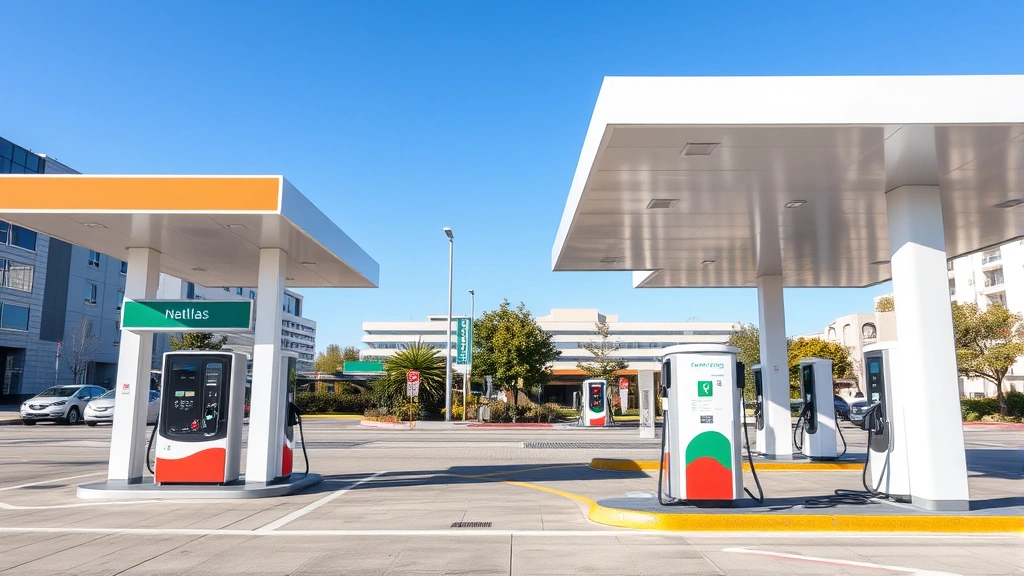
” alt=”Natural gas refueling station with vehicles in modern urban setting” />
Propane and Alternative Gases
Propane occupies a unique position in the fuel landscape as a byproduct that would otherwise be flared or wasted during natural gas and oil processing. This characteristic provides an environmental advantage: utilizing propane prevents methane emissions that would occur if it were released. Propane combustion produces approximately 12% fewer greenhouse gas emissions compared to gasoline on a per-gallon basis.
Autogas vehicles (propane-fueled) have achieved significant market penetration in Europe and Asia, where fuel cost advantages have driven adoption. The technology proves reliable and well-established, with thousands of vehicles operating successfully worldwide. For fleet operators managing forklifts, buses, and delivery vehicles, propane offers cleaner combustion, reduced maintenance costs, and established refueling infrastructure in many regions.
However, propane remains a fossil fuel with inherent climate limitations. While cleaner than gasoline in terms of local air quality, propane doesn’t address fundamental carbon emissions challenges. The fuel’s primary advantage stems from its byproduct status and improved efficiency characteristics rather than renewable or zero-emission properties.
Hydrogen fuel cell vehicles represent an emerging alternative gas technology with zero tailpipe emissions and genuine long-term sustainability potential. However, current hydrogen production relies predominantly on steam methane reforming, which generates significant CO₂. Green hydrogen produced through renewable electricity-powered electrolysis offers exceptional promise but remains expensive and limited in availability. Until green hydrogen infrastructure develops substantially, this technology remains aspirational rather than practical for most consumers.
Biofuels and Renewable Options
Biofuels represent a fundamentally different approach to fuel production by harnessing renewable biological resources. Ethanol, produced primarily from corn in the United States, blends with gasoline to create E10 (10% ethanol) and higher blends. Biodiesel, derived from vegetable oils and animal fats, provides a renewable diesel substitute. Advanced biofuels from algae, cellulose, and waste materials offer improved sustainability profiles compared to conventional crop-based biofuels.
The critical question regarding biofuels involves net carbon impact when accounting for agricultural production, processing, and land-use changes. Corn ethanol production requires substantial fertilizer inputs, irrigation, and mechanical cultivation—all energy-intensive processes. The fertilizer runoff creates water quality problems through nutrient pollution. Expanding biofuel cropland sometimes drives deforestation and conversion of carbon-rich ecosystems, potentially creating net carbon increases rather than reductions.
Despite these concerns, lifecycle analyses from the U.S. Department of Energy indicate that corn ethanol reduces lifecycle greenhouse gas emissions by approximately 28% compared to pure gasoline. Biodiesel from soybean oil achieves approximately 57% reductions. Advanced biofuels from waste materials or algae can achieve 50-80% reductions, approaching the climate performance of electric vehicles in some cases.
The sustainability challenge with biofuels involves scaling production without creating unacceptable environmental trade-offs. This requires developing advanced biofuels from non-food feedstocks, implementing rigorous land-use sustainability standards, and avoiding expansion into biodiverse ecosystems. Second-generation biofuels from agricultural waste and dedicated energy crops show promise for meeting this challenge while providing renewable fuel options for existing vehicle fleets.
For consumers seeking best gas mileage SUV options, ethanol blends provide modest emissions reductions with no additional vehicle investment. Biodiesel offers similar advantages for diesel vehicle owners. While biofuels represent improvements over pure petroleum fuels, they function best as transitional solutions supporting electrification timelines rather than permanent alternatives.
Infrastructure and Practical Considerations
The “greenest” fuel remains theoretical if infrastructure doesn’t support widespread adoption. Gasoline and diesel benefit from century-old distribution networks present in virtually every community, making them universally accessible. Natural gas refueling networks have expanded substantially but remain concentrated in specific regions. Propane infrastructure exists primarily for stationary heating and industrial applications rather than vehicle fueling.
Hydrogen fuel cell infrastructure remains nascent, with fewer than 50 public refueling stations in the United States. Biofuel availability depends on regional production capacity and blending requirements. Electric vehicle charging networks have expanded exponentially but still require continued investment to achieve rural coverage comparable to gasoline stations.
This infrastructure reality shapes practical sustainability decisions. Recommending natural gas vehicles to someone without local CNG access proves counterproductive. Suggesting hydrogen fuel cells to rural residents remains impractical. Understanding regional infrastructure availability becomes essential for translating environmental knowledge into actionable choices.
Fleet operators enjoy greater flexibility than individual consumers, as they can invest in dedicated refueling infrastructure to support alternative fuel vehicles. Many municipalities, delivery companies, and transit agencies have successfully implemented natural gas or electric fleets, demonstrating that infrastructure investment enables sustainable transitions. Sustainable energy solutions often require systemic infrastructure development alongside vehicle technology adoption.
For individuals evaluating personal choices, assessing local infrastructure availability should influence fuel type selection. In regions with robust electric charging networks, electric vehicles offer optimal sustainability regardless of fuel type comparisons. In areas with established natural gas infrastructure, CNG vehicles provide measurable improvements over gasoline. Where biofuel blends are readily available, utilizing E10 or higher ethanol blends requires minimal effort while providing meaningful emissions reductions.
Making the Sustainable Choice
Determining which gas is greener requires considering multiple environmental dimensions: lifecycle carbon emissions, local air quality impacts, extraction and production consequences, infrastructure availability, and personal circumstances. No single fuel type universally qualifies as “greenest” across all contexts.
The environmental hierarchy for new vehicle purchases prioritizes electric vehicles powered by increasingly renewable electricity grids. For those unable to transition to electric due to budget constraints or infrastructure limitations, the next tier includes natural gas and propane vehicles where infrastructure exists and methane leakage concerns are minimized. Advanced biofuels and biodiesel blends offer benefits for existing fleet vehicles with modest implementation costs.
Conventional gasoline and diesel occupy the lowest position in environmental sustainability, though they remain the practical choice for many consumers lacking alternatives. Recognizing this reality shouldn’t discourage efforts to transition toward greener options; rather, it should motivate investment in infrastructure development and technology advancement supporting broader adoption of superior alternatives.
Beyond fuel selection, maximizing sustainability involves driving less through remote work adoption, public transportation utilization, and lifestyle changes that reduce transportation necessity. For unavoidable driving, optimizing vehicle efficiency through how to reduce your environmental footprint strategies—maintaining proper tire pressure, reducing excess weight, and avoiding aggressive acceleration—improves fuel economy regardless of fuel type.
Organizations should evaluate fleet conversion opportunities systematically, prioritizing routes and vehicle classes where alternative fuel technology demonstrates maturity and infrastructure support. Transit agencies have successfully demonstrated that natural gas buses reduce operating costs while improving air quality in urban environments. Delivery companies increasingly adopt electric vehicles for last-mile distribution. These real-world examples prove that transitioning beyond conventional fuels remains practical and economically viable.
Looking forward, the greenest fuel is the one you use least. Prioritizing reduced transportation demand through urban planning that emphasizes walkability, cycling infrastructure, and transit-oriented development creates the most significant environmental benefits. For necessary transportation, embracing electric vehicles as technology matures and infrastructure expands represents the most sustainable path forward.
FAQ
Is natural gas really greener than gasoline?
Natural gas offers lower combustion emissions than gasoline, but lifecycle analysis reveals complications. Methane leakage during extraction and distribution can substantially reduce or eliminate climate advantages. Natural gas remains a fossil fuel; while it represents an improvement over conventional gasoline, it functions best as a transitional fuel rather than a permanent solution.
What about hydrogen fuel cells?
Hydrogen fuel cells produce zero tailpipe emissions, offering exceptional promise for long-term sustainability. However, current hydrogen production relies predominantly on natural gas reforming, which generates substantial CO₂. Green hydrogen from renewable electricity remains expensive and limited. This technology will likely become increasingly important as production infrastructure develops and costs decline.
Are biofuels truly sustainable?
Conventional biofuels from food crops create environmental trade-offs including agricultural impacts and land-use changes. Advanced biofuels from waste materials and dedicated energy crops offer significantly better sustainability profiles. Biofuels function effectively as transitional solutions supporting fleet emissions reductions while electrification infrastructure develops.
Should I buy a natural gas vehicle now?
Natural gas vehicles make sense if you have reliable local CNG infrastructure access and operate a fleet that can justify dedicated refueling investment. For individual consumers, rapidly improving electric vehicle technology, declining battery costs, and expanding charging networks make electric vehicles increasingly attractive. Evaluate your regional infrastructure and driving patterns when making this decision.
What’s the most sustainable fuel for heavy-duty trucks?
For heavy-duty applications where electrification remains technically challenging, natural gas and renewable diesel blends represent current best options. Long-term sustainability requires continued investment in battery technology for electric trucks and development of green hydrogen infrastructure. Evaluating specific routes and applications determines which technology proves most practical.


