Ventless Gas Fireplace: Eco-Friendly or Not?
The appeal of a ventless gas fireplace is undeniable. These sleek, efficient heating units promise warmth without the hassle of chimneys, installation complexity, or heat loss through traditional venting systems. However, the sustainability question surrounding ventless gas fireplaces remains hotly debated among environmental advocates and energy efficiency experts. While manufacturers tout their energy-saving benefits, environmental concerns about indoor air quality, emissions, and carbon footprint suggest a more nuanced reality. Understanding whether a ventless gas fireplace truly aligns with eco-conscious living requires examining both the environmental advantages and significant drawbacks of this heating technology.
Many homeowners consider ventless gas fireplaces as alternatives to traditional wood-burning fireplaces or electric heaters, hoping to strike a balance between comfort and environmental responsibility. Yet the decision involves weighing multiple factors: energy consumption, indoor air pollutants, greenhouse gas emissions, and overall heating efficiency. This comprehensive guide explores the sustainability credentials of ventless gas fireplaces, helping you determine whether they genuinely represent an eco-friendly heating solution or merely appear greener than they actually are.
How Ventless Gas Fireplaces Work
A ventless gas fireplace operates fundamentally differently from traditional vented fireplaces. Rather than expelling combustion byproducts through a chimney or vent system, ventless models burn natural gas or propane directly inside your living space. The combustion process generates heat that warms the room immediately, while all byproducts—including water vapor, carbon dioxide, and trace amounts of nitrogen oxides—remain indoors.
The mechanism relies on a burner that ignites gas in a controlled manner, with decorative logs or media creating an aesthetic flame effect. Many modern ventless gas fireplaces include oxygen depletion sensors (ODS) and automatic shut-off features designed to prevent dangerous carbon monoxide accumulation. However, these safety features address only extreme scenarios and don’t eliminate the continuous release of combustion byproducts into your home’s indoor environment.
Understanding how these systems function is essential when evaluating their sustainability. Unlike traditional fireplaces that lose significant heat up the chimney, ventless models theoretically retain all generated warmth. This design principle forms the basis of manufacturer claims about superior energy efficiency. However, the environmental implications extend far beyond simple heat retention calculations.

Efficiency Claims and Reality
Ventless gas fireplace manufacturers frequently claim 99-100% efficiency ratings, a statistic that requires careful interpretation. This figure refers only to the percentage of fuel energy converted to heat that remains in your home, not overall environmental efficiency or total energy consumption effectiveness. The distinction is crucial for sustainability assessment.
When comparing ventless fireplaces to traditional vented alternatives, the efficiency advantage appears legitimate. A conventional fireplace loses 80-90% of its heat through the chimney, making ventless systems dramatically superior from a pure heat retention perspective. However, this comparison overlooks several critical environmental factors that complicate the sustainability equation.
According to research from the EPA’s Indoor Air Quality division, the efficiency gains from ventless fireplaces must be weighed against indoor air quality degradation and increased moisture accumulation. Additionally, if you’re considering how to save energy at home, ventless gas fireplaces represent only one heating option among many alternatives. Many homes achieve superior energy savings through insulation improvements, heat pump installations, or electric heating solutions that produce zero indoor emissions.
The efficiency narrative also ignores the upstream environmental costs of natural gas extraction, processing, and distribution. When you account for methane leakage during production and transportation—a potent greenhouse gas approximately 80 times more powerful than carbon dioxide over a 20-year period—the true carbon footprint of ventless gas fireplaces becomes substantially less favorable.
Indoor Air Quality and Emissions Concerns
The most significant environmental and health concern associated with ventless gas fireplaces involves indoor air quality deterioration. These appliances continuously emit combustion byproducts directly into your living space, fundamentally altering your home’s atmospheric composition.
Primary emissions include:
- Carbon dioxide (CO₂): While not immediately toxic, elevated indoor CO₂ levels affect cognitive function and overall indoor air quality
- Nitrogen oxides (NOₓ): These pollutants irritate respiratory systems and contribute to indoor smog formation
- Water vapor: Excessive moisture promotes mold growth, dust mite proliferation, and structural damage
- Carbon monoxide (CO): Although safety sensors aim to prevent dangerous accumulation, trace amounts continuously enter your breathing space
- Formaldehyde: Some ventless fireplaces release this known carcinogen during combustion
Research published by the South Coast Air Quality Management District demonstrates that homes using ventless gas fireplaces experience measurably worse indoor air quality compared to homes using vented systems or alternative heating methods. The accumulated health effects include increased asthma symptoms, respiratory infections, and allergic reactions, particularly affecting children and elderly occupants.
This indoor pollution directly contradicts sustainability principles. True environmental responsibility encompasses not only reducing external carbon emissions but also protecting the health of occupants and preventing indoor environmental degradation. A heating system that warms your space while simultaneously polluting it cannot reasonably be classified as eco-friendly.
The moisture issue deserves particular attention. Ventless gas fireplaces release approximately one pound of water vapor for every pound of natural gas burned. In poorly ventilated homes or humid climates, this moisture accumulation creates ideal conditions for mold proliferation, which itself poses significant health risks and requires remediation efforts that generate additional environmental impacts.
Overall Environmental Impact
Assessing the complete environmental impact of ventless gas fireplaces requires examining multiple dimensions beyond simple heating efficiency. This holistic approach aligns with principles of sustainability, which emphasize interconnected environmental, social, and health considerations.
Carbon Footprint Calculation: While ventless fireplaces don’t directly emit carbon dioxide in quantities matching traditional fireplaces, the natural gas supply chain introduces substantial emissions. Methane leakage during extraction and transportation, combined with the combustion emissions themselves, creates a carbon footprint comparable to or exceeding that of modern electric heating systems powered by increasingly renewable electricity grids.
Resource Depletion: Natural gas extraction contributes to habitat destruction, water contamination, and landscape degradation. The fossil fuel dependency perpetuates reliance on non-renewable resources rather than transitioning toward sustainable energy systems. Conversely, electric heating powered by renewable energy sources represents a genuinely sustainable alternative.
Indoor Environmental Degradation: The continuous emission of combustion byproducts creates a persistent indoor environmental problem that extends beyond simple air quality measurement. Accumulated pollutants affect occupant health, reduce quality of life, and necessitate remediation interventions.
Lifecycle Assessment: Manufacturing, transportation, installation, maintenance, and eventual disposal of ventless fireplaces generate environmental costs. These upstream and downstream impacts must factor into comprehensive sustainability evaluation, not merely operational efficiency metrics.
When examining sustainable energy solutions, ventless gas fireplaces consistently rank lower than alternatives like heat pumps, electric resistance heating, or radiant heating systems powered by renewable electricity. The supposed efficiency advantage disappears when considering total environmental impact rather than isolated operational metrics.
Eco-Friendly Heating Alternatives
If you’re committed to reducing your home’s environmental footprint, several superior heating alternatives deserve consideration. Understanding these options helps contextualize why ventless gas fireplaces shouldn’t be considered truly eco-friendly solutions.
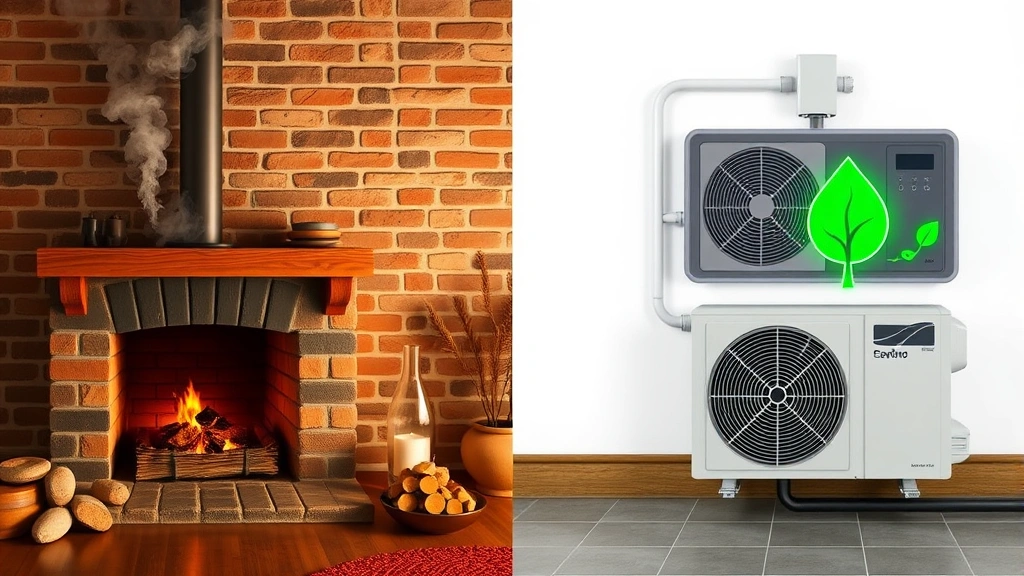
Electric Heat Pumps: These systems represent the gold standard for sustainable home heating. By extracting thermal energy from outdoor air or ground sources, heat pumps achieve efficiency ratings of 300-400%, meaning they produce three to four units of heat for every unit of electrical energy consumed. When powered by renewable electricity, heat pumps eliminate fossil fuel dependence entirely. They produce zero indoor emissions, require no combustion, and don’t degrade indoor air quality.
Radiant Electric Heating: Floor-based or panel radiant heating systems distribute warmth evenly throughout spaces without circulating air or generating combustion byproducts. These systems offer exceptional comfort while maintaining perfect indoor air quality. When powered by renewable electricity, radiant heating becomes entirely sustainable.
Improved Insulation and Air Sealing: Before adding any heating system, addressing building envelope efficiency through insulation upgrades and air sealing reduces heating demands substantially. This passive approach aligns perfectly with sustainability principles by reducing overall energy consumption rather than simply shifting to marginally cleaner heating sources.
Renewable Energy Integration: Combining any electric heating system with rooftop solar installations or participation in community solar programs creates genuinely sustainable heating. This approach eliminates grid dependence and reduces your home’s carbon footprint to near-zero levels.
Exploring green technology innovations transforming our future reveals that heating technology has advanced dramatically. Modern alternatives offer superior efficiency, better environmental performance, improved health outcomes, and lower operating costs compared to ventless gas fireplaces. The case for transitioning away from gas heating becomes increasingly compelling as renewable energy infrastructure expands.
Regulatory Landscape and Safety Standards
The regulatory environment surrounding ventless gas fireplaces reveals important insights about their sustainability classification. Multiple jurisdictions have restricted or banned ventless gas appliances based on indoor air quality concerns and public health considerations.
California, Massachusetts, and several other states prohibit ventless gas fireplaces in residential applications, recognizing that indoor air quality degradation outweighs heating efficiency benefits. These regulatory decisions reflect scientific consensus that ventless combustion appliances pose unacceptable indoor environmental risks.
Building codes in many regions now require ventless fireplaces to include oxygen depletion sensors and automatic shut-off mechanisms. While these safety features prevent catastrophic carbon monoxide poisoning, they don’t address continuous low-level emissions of nitrogen oxides, formaldehyde, and other combustion byproducts. The regulatory approach essentially acknowledges that ventless systems inherently create indoor air quality problems that can only be partially mitigated through safety devices.
The Consumer Product Safety Commission maintains specific guidelines for ventless gas fireplace operation, including requirements for adequate indoor air exchange and restrictions on operating duration. These regulations implicitly recognize that ventless fireplaces cannot operate indefinitely without degrading indoor environmental quality—a fundamental contradiction to the sustainability narrative manufacturers promote.
International sustainability standards and certifications rarely award ventless gas fireplaces favorable ratings. Organizations focused on building performance, environmental responsibility, and occupant health consistently recommend vented systems or entirely different heating approaches. This professional consensus suggests that ventless fireplaces fail to meet genuine sustainability criteria despite marketing claims.
To reduce your environmental footprint, regulatory guidance increasingly points away from ventless gas appliances toward electric alternatives and renewable energy integration. Following these evidence-based recommendations ensures your heating choices align with genuine sustainability principles rather than greenwashed marketing narratives.
FAQ
Are ventless gas fireplaces actually efficient?
Ventless gas fireplaces achieve high operational efficiency in terms of heat retention—approximately 99% of combustion energy warms your home rather than escaping through a chimney. However, this narrow efficiency metric ignores carbon footprint, indoor air quality degradation, and health impacts. When evaluated comprehensively, ventless fireplaces prove less efficient than modern electric alternatives powered by renewable energy.
Do ventless gas fireplaces produce carbon monoxide?
Yes, ventless gas fireplaces continuously produce small amounts of carbon monoxide through combustion. Modern safety sensors prevent dangerous accumulation, but trace amounts remain in your breathing space. This represents a fundamental difference from vented systems, which expel all combustion byproducts outdoors.
Can ventless gas fireplaces cause mold?
Ventless fireplaces release substantial water vapor during operation. In homes with poor ventilation or humid climates, this moisture promotes mold growth. Mold remediation generates environmental costs and health risks, making moisture accumulation a significant sustainability concern.
Are ventless gas fireplaces banned anywhere?
California, Massachusetts, and several other jurisdictions prohibit ventless gas fireplaces in residential applications based on indoor air quality concerns. Many building codes restrict their installation or require specific safety features. These regulatory decisions reflect scientific evidence that ventless systems pose unacceptable indoor environmental risks.
What’s the most eco-friendly fireplace alternative?
Electric heat pumps represent the most sustainable heating option, particularly when powered by renewable electricity. If you desire fireplace aesthetics without heating function, electric fireplaces with LED flame effects produce zero emissions and consume minimal electricity while maintaining perfect indoor air quality.
Should I replace my ventless gas fireplace?
If indoor air quality, long-term health, and genuine sustainability matter to you, transitioning away from ventless gas fireplaces makes sense. Modern electric heating alternatives offer superior efficiency, eliminate indoor emissions, reduce operating costs, and align with evidence-based sustainability principles. Consulting with an HVAC professional about alternatives appropriate for your climate and home design ensures you select the optimal replacement solution.


