
Are Ventless Gas Logs Eco-Friendly? Expert Opinion on Environmental Impact
Ventless gas fireplace logs have become increasingly popular among homeowners seeking convenient heating solutions and aesthetic appeal without the complexity of traditional wood-burning fireplaces. However, the environmental sustainability of these appliances remains a topic of considerable debate among experts and eco-conscious consumers. Understanding whether ventless gas logs align with your sustainability goals requires examining their emissions, energy efficiency, indoor air quality implications, and how they compare to alternative heating methods.
The appeal is understandable: ventless gas logs offer instant ambiance, require minimal maintenance, and provide supplemental heat without venting requirements. Yet this convenience comes with environmental and health considerations that deserve careful examination. This comprehensive guide explores the ecological footprint of ventless gas fireplace logs, backed by expert analysis and scientific evidence, to help you make an informed decision about whether they’re truly eco-friendly.
How Ventless Gas Logs Work and Why Ventilation Matters
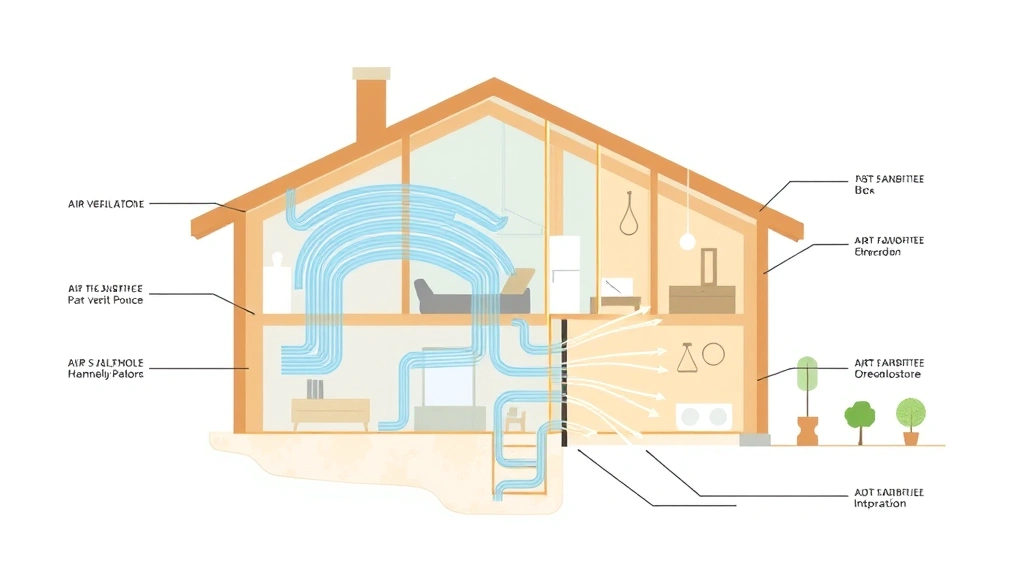
Ventless gas fireplace logs operate by burning natural gas or propane directly within your home without external venting systems. Unlike traditional fireplaces or vented gas logs that expel combustion byproducts outdoors, ventless models retain nearly all heat inside your living space. This design principle seems efficient on the surface, but it fundamentally changes how emissions and indoor air quality are managed.
The combustion process in ventless gas logs produces several byproducts: carbon dioxide (CO₂), water vapor, nitrogen oxides (NOx), and trace amounts of carbon monoxide (CO). In a vented system, these substances exit through a chimney or flue pipe. In ventless systems, they remain indoors, which is where environmental and health considerations become significant. According to the EPA’s Indoor Air Quality guidelines, proper ventilation is essential for maintaining healthy indoor environments.
The “vent-free” designation refers to the appliance itself, not the combustion process. These logs still produce emissions; they simply release them into your home rather than outdoors. This distinction is crucial for understanding their overall environmental impact and why many sustainability experts express concerns about their widespread use.
Emissions and Air Quality Concerns
When evaluating whether ventless gas fireplace logs are eco-friendly, emissions analysis is paramount. Ventless models produce the same combustion byproducts as vented systems, but the location of release creates different environmental consequences.
Carbon Dioxide and Climate Impact: Each ventless gas log burning releases CO₂ directly into your home. While this doesn’t differ from vented systems in terms of total emissions, it does mean you’re increasing indoor CO₂ concentrations. Studies show that elevated indoor CO₂ levels can impair cognitive function and decision-making. From a climate perspective, natural gas combustion contributes to greenhouse gas emissions regardless of venting method, making ventless logs no better than vented alternatives for carbon footprint.
The U.S. Energy Information Administration notes that natural gas produces approximately 50% fewer CO₂ emissions than coal and 30% fewer than oil when burned for energy. However, this doesn’t make ventless gas logs inherently eco-friendly; it simply means they’re cleaner than certain fossil fuel alternatives.
Nitrogen Oxides (NOx) and Indoor Pollution: Ventless gas logs emit nitrogen oxides, which are air pollutants that contribute to smog formation and respiratory issues. When these remain indoors, they accumulate and can exceed safe exposure levels, particularly in smaller spaces or during extended use. The CDC emphasizes that indoor air quality directly affects respiratory health, making NOx accumulation a legitimate concern.
Carbon Monoxide Risk: Though modern ventless gas logs include oxygen depletion sensors, the risk of carbon monoxide exposure exists if sensors malfunction or aren’t properly maintained. CO is an odorless, colorless gas that can be lethal in high concentrations. This safety concern adds another layer of environmental responsibility, as improper operation creates both health and environmental liabilities.
Energy Efficiency and Heating Performance
From an energy efficiency standpoint, ventless gas fireplace logs present a mixed environmental picture. These appliances typically achieve 70-99% efficiency ratings because they retain heat that would otherwise escape through venting systems. This sounds impressive until you examine the broader context.
Supplemental vs. Primary Heating: Most experts classify ventless gas logs as supplemental heating, not primary systems. Using them to heat specific rooms while maintaining lower temperatures elsewhere can reduce overall energy consumption compared to heating an entire home with central systems. However, this benefit only materializes if homeowners actually adjust their thermostat settings accordingly—many don’t.
Comparison to Alternatives: Modern heat pumps and electric heating systems, particularly those powered by renewable energy grids, offer superior efficiency and lower environmental impact. Learn more about sustainable energy solutions that provide cleaner alternatives. In regions with clean electricity grids, electric heating dramatically outperforms gas-based systems from an environmental perspective.
The efficiency advantage of ventless logs diminishes when you consider that they’re often used for ambiance rather than genuine heating needs, resulting in unnecessary emissions for aesthetic purposes.
Comparing Environmental Impact to Alternatives
To determine if ventless gas logs are eco-friendly, comparing them to other heating and ambiance options provides essential context. Understanding types of gas and their environmental profiles helps clarify these comparisons.
Vented Gas Logs: Traditional vented gas logs expel emissions outdoors, eliminating indoor air quality concerns. While they’re slightly less efficient than ventless models (typically 60-80%), they prevent indoor pollution accumulation. From an environmental perspective, vented systems are preferable if you choose gas-based heating.
Electric Fireplaces: Modern electric fireplaces with LED flame effects consume minimal electricity while providing ambiance without any emissions. In regions powered by renewable energy, electric options are significantly more eco-friendly. They require no fuel combustion, produce zero emissions, and offer perfect safety profiles. For purely aesthetic purposes, electric fireplaces represent the most sustainable choice.
Wood-Burning Fireplaces: Traditional wood fireplaces emit substantial particulate matter and CO₂, making them environmentally inferior to both vented and ventless gas options. However, sustainably harvested firewood from managed forests can be considered carbon-neutral when forests are replanted.
Discover more about natural gas fireplace installation and benefits to understand the full spectrum of gas heating options available.
Indoor Air Quality and Health Effects
The environmental impact of ventless gas logs extends beyond climate considerations to include indoor air quality, which directly affects human health and overall household sustainability.
Moisture and Humidity: Ventless gas logs produce significant water vapor during combustion. This moisture remains indoors, potentially increasing humidity levels and creating conditions favorable for mold growth and dust mite proliferation. Excessive indoor humidity (above 60%) compromises air quality and can damage building materials, reducing home longevity.
Particulate Matter: While cleaner than wood smoke, gas combustion produces fine particulate matter that accumulates indoors. Over time, this buildup can trigger respiratory issues, particularly in individuals with asthma, allergies, or other lung conditions. Families with children or elderly members face elevated health risks from prolonged ventless gas log use.
Volatile Organic Compounds (VOCs): Gas combustion produces trace amounts of VOCs, which contribute to indoor air quality degradation. These compounds can cause headaches, dizziness, and respiratory irritation, especially in poorly ventilated spaces.
For households prioritizing health and environmental responsibility, improving indoor air quality through alternative heating methods aligns better with sustainability goals. Green technology innovations in heating and air quality management offer cleaner solutions.
Regulatory Standards and Safety Compliance
Understanding regulatory frameworks helps contextualize the eco-friendliness question. Ventless gas logs sold in the United States must comply with safety standards established by the American National Standards Institute (ANSI) and Underwriters Laboratories (UL). These standards require oxygen depletion sensors and other safety mechanisms to prevent carbon monoxide accumulation.
However, safety compliance doesn’t equal environmental friendliness. A product can be safe while still producing significant environmental impacts. Regular maintenance is essential for ventless systems to function properly and minimize emissions, yet many homeowners neglect this responsibility.
State and local regulations vary considerably. Some jurisdictions restrict or prohibit ventless gas logs due to air quality concerns, recognizing that their environmental burden exceeds acceptable levels. Before purchasing ventless gas logs, research local regulations and building codes, as some regions actively discourage their use.
Eco-Friendly Alternatives and Recommendations
If you’re seeking sustainable ways to add warmth and ambiance to your home, several environmentally superior alternatives exist.
Electric Fireplaces with LED Technology: These units provide realistic flame effects without any emissions or fuel consumption. Modern LED fireplaces consume 200-500 watts—less than most household appliances—and offer perfect safety profiles. They’re ideal for renters, apartments, and anyone prioritizing environmental responsibility.
Heat Pump Systems: Modern air-source and ground-source heat pumps provide efficient heating while minimizing environmental impact. In regions with clean electricity grids, heat pumps represent the most sustainable heating solution. Learn more about advantages of electric vehicles to understand how electric technologies outperform fossil fuel alternatives across sectors.
Vented Gas Logs: If you prefer gas-based ambiance, vented systems eliminate indoor air quality concerns while providing efficient heating. They represent a compromise between aesthetic preferences and environmental responsibility.
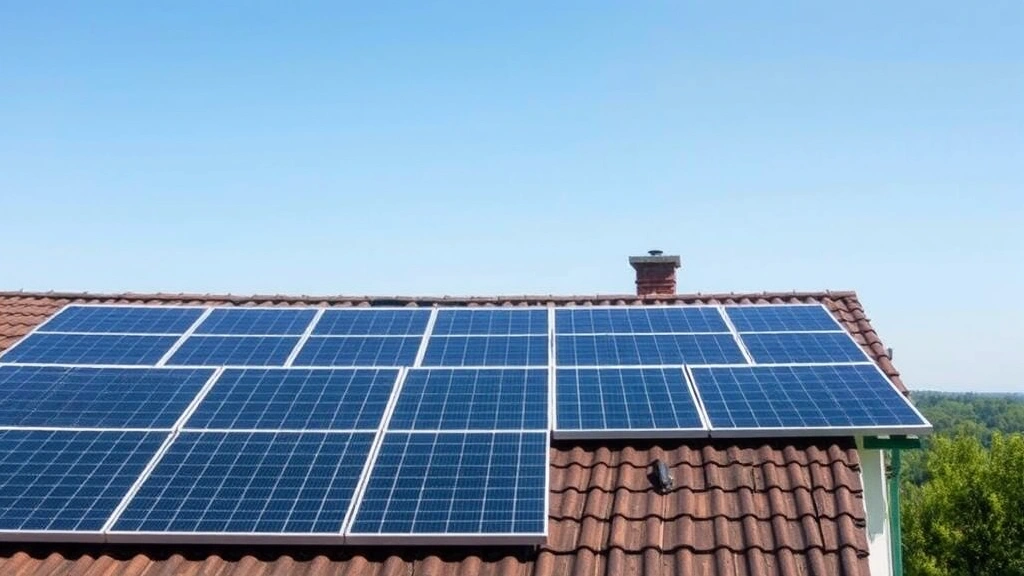
Renewable Energy Integration: Regardless of heating method, powering your home with renewable energy sources dramatically improves environmental impact. Solar panels, wind energy, and renewable electricity plans offset emissions from any heating system. Explore sustainable energy solutions to discover renewable options in your area.
Behavioral Changes: The most eco-friendly heating approach involves reducing overall energy consumption through weatherization, insulation improvements, and thermostat management. These investments provide long-term environmental benefits while reducing energy bills.
FAQ
Are ventless gas logs safe to use?
Ventless gas logs meeting current safety standards include oxygen depletion sensors that shut off the unit if oxygen levels drop dangerously. However, sensor malfunctions can occur, and extended use in poorly ventilated spaces poses health risks. Regular maintenance and proper ventilation (cracking a window) are essential for safe operation.
Do ventless gas logs produce carbon monoxide?
Yes, ventless gas logs produce carbon monoxide during combustion, though safety sensors aim to prevent dangerous accumulation. The risk exists if sensors fail or if the unit operates in extremely tight spaces. This is why many experts recommend against ventless logs in bedrooms or primary living areas.
How do ventless gas logs compare to wood fireplaces environmentally?
Ventless gas logs produce fewer emissions than traditional wood fireplaces and don’t require deforestation. However, they still emit greenhouse gases and create indoor air quality concerns. Electric alternatives outperform both options from an environmental perspective.
Can ventless gas logs heat an entire home?
Ventless gas logs serve as supplemental heating only, typically warming 300-400 square feet effectively. They’re not designed for whole-home heating and shouldn’t replace primary heating systems. Using them for ambiance while maintaining full central heating negates any efficiency benefits.
What’s the environmental impact of natural gas extraction?
Natural gas extraction involves methane leakage, which is a potent greenhouse gas with 28-36 times the warming potential of CO₂ over a century. The upstream environmental costs of natural gas—including extraction, processing, and transportation—add significantly to the overall carbon footprint of ventless gas logs.
Are there eco-friendly gas log options?
Some manufacturers offer gas logs with improved efficiency ratings and lower emissions, but “eco-friendly” gas logs remain inherently less sustainable than electric alternatives. Biogas-powered systems represent a theoretical improvement, but commercial availability remains limited.
Should I remove my ventless gas logs for environmental reasons?
If your primary concern is environmental impact, replacing ventless gas logs with electric alternatives or heat pumps would improve your household’s sustainability profile. However, if logs are rarely used, the environmental benefit of replacement may not justify the cost and waste generated. Evaluate your specific usage patterns and local energy grid composition before making changes.


