
Are Vintage Gas Pumps Eco-Friendly? A Comprehensive Analysis
Vintage gas pumps evoke nostalgia and charm, representing an era when automobiles were simpler and filling stations were social gathering spots. However, when examining their environmental impact, the picture becomes far more complex. These mechanical relics, while aesthetically appealing, present significant sustainability challenges that modern pumps have largely addressed through technological advancement and regulatory compliance.
The question of whether vintage gas pumps are eco-friendly requires us to evaluate multiple dimensions: emissions during fuel dispensing, vapor recovery systems, material efficiency, and their role in perpetuating fossil fuel dependency. Understanding these factors is essential for collectors, historians, and environmental advocates seeking to balance appreciation for vintage machinery with ecological responsibility.
Understanding Vintage Gas Pump Technology
Vintage gas pumps, typically manufactured between the 1920s and 1980s, operated on mechanical principles fundamentally different from contemporary digital systems. These pumps relied on mechanical meters, analog displays, and basic electrical components to measure and dispense fuel. The earliest models featured hand-cranked mechanisms, while later versions incorporated electric motors and mechanical counters that tracked gallons dispensed.
The mechanical simplicity of vintage pumps has often been celebrated as a virtue, suggesting they represent a more straightforward, less wasteful era. However, this mechanical design inherently lacked the precision and environmental safeguards that modern pumps provide. Early pumps couldn’t accurately measure small quantities of fuel, leading to spillage and waste. Additionally, the absence of computerized monitoring systems meant operators couldn’t detect leaks or malfunctions that would waste product and contaminate soil.
Most vintage gas pumps were constructed from cast iron, steel, and painted metal components. While metal is theoretically recyclable, the paint and internal materials—including lead-based coatings common before the 1970s—complicate proper recycling and disposal. The mechanical fluid systems inside contained oils and lubricants that required periodic maintenance, often resulting in environmental contamination.
Environmental Impact of Older Dispensing Systems
The environmental footprint of vintage gas pumps extends beyond their operational efficiency to include the broader context of fuel distribution. These pumps were designed during an era when environmental consciousness was virtually nonexistent, and regulatory frameworks for air and water quality were either absent or minimal. Understanding the types of gas dispensed through these systems is crucial to comprehending their environmental impact.
One of the most significant environmental concerns involves volatile organic compound (VOC) emissions. When gasoline is dispensed, vapors escape into the atmosphere, contributing to ground-level ozone formation and air pollution. Vintage gas pumps had no vapor recovery systems—technology that captures these emissions before they reach the atmosphere. Modern pumps at regulated stations typically include Stage I and Stage II vapor recovery systems that prevent approximately 95% of fuel vapors from escaping during dispensing and vehicle fueling.
Fuel spillage represents another critical environmental issue. Vintage pumps lacked precision mechanisms that modern digital systems provide. Overfilling was common, with gasoline spilling onto concrete aprons and potentially percolating into groundwater. A single gallon of gasoline can contaminate approximately one million gallons of groundwater. Over decades, thousands of gas stations using vintage pumps created localized environmental disasters, many of which persist today as remediation sites.
The mechanical nature of vintage pumps also meant more frequent maintenance requirements, often performed by untrained personnel. This maintenance generated waste oils, cleaning solvents, and other hazardous materials that were frequently disposed of improperly. The cumulative environmental impact of these practices across millions of vintage pumps globally was substantial.
Vapor Recovery and Emissions Control
Vapor recovery technology represents one of the most significant environmental advances in fuel dispensing infrastructure. The EPA’s regulations on ground-level ozone specifically address fuel vapor emissions, recognizing their contribution to atmospheric pollution. Vintage gas pumps predate these regulations by decades and lack any vapor management capabilities.
Stage I vapor recovery, mandated at many fuel terminals and wholesale distribution points, captures vapors displaced from underground storage tanks during fuel delivery. Stage II vapor recovery, implemented at retail pumps, captures vapors released during vehicle fueling. Modern pumps incorporate both stages, with sealed systems and return lines that channel vapors back to storage tanks. This technology reduces atmospheric emissions by millions of tons annually across developed nations.
The absence of vapor recovery in vintage systems means every gallon dispensed released proportional quantities of volatile compounds into the atmosphere. Benzene, toluene, and other carcinogenic compounds present in gasoline vapor pose direct health risks to service station attendants and surrounding communities. Long-term exposure to these emissions correlates with respiratory diseases, neurological effects, and increased cancer risk.
Additionally, vintage pumps offered no mechanism for detecting leaks in underground storage tanks—infrastructure that frequently corroded and leaked undetected for years. Modern systems include automated leak detection that alerts operators to problems within days. The environmental cost of undetected leaks from vintage pump systems includes contaminated aquifers, soil remediation requirements, and long-term ecosystem damage.
Material Composition and Sustainability
The physical construction of vintage gas pumps raises significant sustainability concerns when considering their lifecycle impact. Cast iron and steel components, while theoretically recyclable, often contain surface coatings and internal materials that complicate recycling processes. Many vintage pumps manufactured before 1978 contain lead-based paint, classified as a hazardous material requiring specialized disposal.
The electrical components within vintage pumps present additional challenges. Older models may contain mercury switches, asbestos insulation, and other materials now recognized as environmental and health hazards. Proper decommissioning of these pumps requires careful dismantling and categorized disposal, processes that many vintage pump collectors and restorers bypass, simply abandoning or improperly recycling these devices.
When vintage pumps are restored for display or collectible purposes, the restoration process itself generates waste. Stripping old paint, replacing seals, rewiring electrical systems, and refinishing surfaces produces hazardous waste streams including solvent vapors, paint sludge, and contaminated water. Unless restoration work occurs in facilities with proper environmental controls, this process multiplies the original pump’s ecological impact.
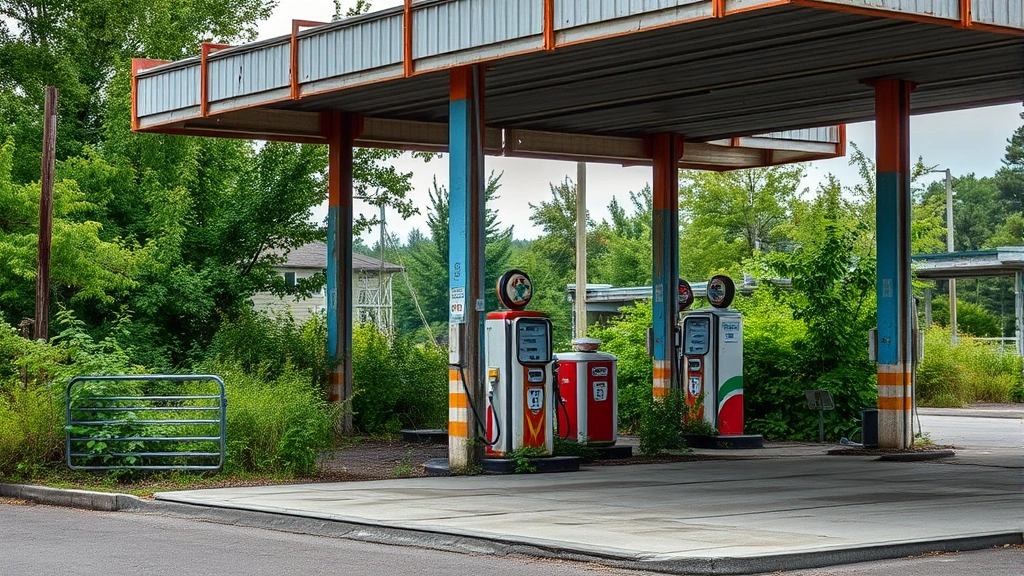
The alternative—leaving vintage pumps in place at abandoned service stations—creates ongoing environmental problems. Deteriorating pumps continue leaking residual fuel and lubricants, while their presence discourages remediation of contaminated sites. Many superfund sites and brownfield locations feature vintage gas pumps as indicators of historical fuel distribution activities requiring environmental remediation.
Comparison with Modern Fuel Infrastructure
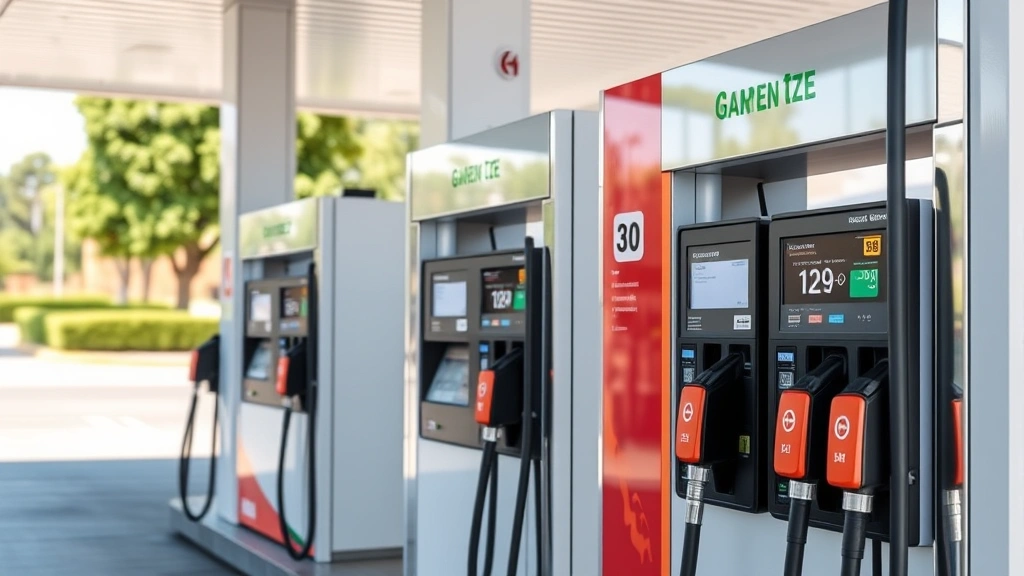
Contemporary gas pumps represent a dramatic environmental improvement over vintage models across virtually every measurable metric. Modern pumps incorporate computerized systems that ensure precise fuel dispensing, eliminating waste and overfilling. Digital displays and automated shutoff mechanisms prevent spills and fuel loss that characterized vintage pump operation.
Modern infrastructure includes comprehensive environmental monitoring. Underground storage tanks feature double-wall construction with leak detection systems. Dispensers connect to centralized monitoring networks that track fuel inventory in real-time, identifying discrepancies that indicate leaks within hours. This preventive approach prevents millions of gallons of fuel from contaminating groundwater annually.
The shift toward advantages of electric vehicles represents the ultimate evolution beyond vintage fuel distribution systems. Electric vehicle charging infrastructure requires no vapor recovery systems, produces zero direct emissions during operation, and integrates with renewable energy grids. This technological trajectory demonstrates that even modern gasoline dispensing infrastructure represents an interim step toward eliminating fossil fuel dependency entirely.
Vintage pumps perpetuate reliance on fossil fuels by romanticizing outdated technology. Their aesthetic appeal can obscure the environmental cost of the infrastructure they represent. While collectors appreciate vintage pumps as mechanical artifacts, their environmental profile makes them unsuitable for actual fuel dispensing operations in any responsible sustainability framework.
Regulatory Framework and Environmental Standards
The regulatory evolution surrounding fuel dispensing demonstrates why vintage gas pumps cannot meet contemporary environmental standards. The EPA’s air quality regulations now mandate vapor recovery systems at all retail fuel dispensers in nonattainment areas. These regulations emerged after decades of scientific research documenting the environmental and health impacts of fuel vapor emissions.
The Clean Air Act Amendments of 1990 specifically targeted fuel volatility and vapor emissions, requiring progressively stricter controls. Stage II vapor recovery became mandatory at retail pumps in areas failing to meet ozone standards. Vintage pumps, lacking any such systems, cannot legally operate in these jurisdictions without complete equipment replacement—essentially rendering them obsolete for their original function.
Underground storage tank regulations under RCRA (Resource Conservation and Recovery Act) mandate secondary containment, corrosion protection, and leak detection systems. Vintage pump installations typically feature single-wall steel tanks with minimal corrosion protection, failing to meet current standards. Upgrading these systems to compliance often costs more than installing entirely new infrastructure, making preservation of vintage pump systems economically and legally impractical.
State and local environmental agencies increasingly require remediation of sites featuring vintage pumps, particularly those at abandoned service stations. The regulatory burden reflects the scientific consensus that these systems pose unacceptable environmental and public health risks. Compliance costs ensure that vintage pumps remain relegated to display and collection rather than functional fuel distribution.
Reuse and Restoration Considerations
For those interested in how to reduce your environmental footprint, the question of vintage gas pump restoration deserves careful consideration. Responsible restoration practices can minimize environmental impact while preserving historical artifacts. However, this requires commitment to proper waste management and material handling.
Collectors seeking to restore vintage pumps should prioritize environmental responsibility throughout the process. Using low-VOC strippers and paints reduces solvent emissions during restoration. Proper disposal of removed materials—particularly lead paint and hazardous electrical components—through certified waste handlers prevents environmental contamination. Documentation of hazardous materials removed ensures that future handlers understand the pump’s composition.
Display-only restoration represents the most environmentally defensible approach. When vintage pumps are preserved as static displays rather than functional dispensers, they no longer contribute to fuel vapor emissions or spillage. Museums and private collectors can maintain these artifacts while accepting that their original function is obsolete. This approach honors mechanical heritage without perpetuating environmental harm.
Adaptive reuse of vintage pump casings offers another sustainable option. Some artisans repurpose pump housings as decorative planters, lighting fixtures, or storage containers, giving these artifacts new life while eliminating their association with fossil fuel distribution. This creative reinterpretation acknowledges historical significance while disconnecting the object from its environmentally problematic original purpose.
For those exploring sustainable energy solutions, the vintage gas pump serves as a cautionary example of how infrastructure shapes environmental outcomes. The transition from vintage to modern fuel distribution systems demonstrates how regulatory frameworks and technological advancement can dramatically reduce environmental impact. However, the ultimate sustainability goal involves moving beyond fossil fuel infrastructure entirely toward renewable energy systems and electric transportation.
FAQ
Are vintage gas pumps still used anywhere?
Vintage gas pumps are no longer used for commercial fuel dispensing in developed nations due to environmental regulations and safety standards. However, some rural areas or private properties may retain non-functional vintage pumps as decorative elements. Any operational vintage pump would violate EPA air quality regulations and state environmental codes.
What makes modern gas pumps more eco-friendly?
Modern pumps include vapor recovery systems capturing fuel vapors, precise digital dispensing eliminating spillage, automated leak detection, and compatibility with underground storage tank monitoring systems. These features collectively reduce atmospheric emissions by 95% compared to vintage systems and prevent groundwater contamination.
Can vintage gas pumps be recycled?
Recycling vintage pumps requires specialized handling due to hazardous materials including lead paint, mercury switches, and contaminated lubricants. Certified hazardous waste processors can dismantle and recycle components, but the process is expensive and generates waste. Proper disposal through environmental services is more responsible than attempting informal recycling.
Why are vintage gas pumps still collected if they’re not eco-friendly?
Collectors appreciate vintage pumps as mechanical artifacts and historical documents representing automotive culture. Appreciation for mechanical engineering and design heritage differs from endorsement of their environmental impact. Responsible collectors maintain these items as display pieces while acknowledging their obsolescence for functional fuel dispensing.
What should someone do with an old vintage gas pump?
Options include donation to museums or automotive heritage sites, restoration for display purposes with proper environmental practices, adaptive reuse as decorative objects, or responsible disposal through certified waste handlers. The key is avoiding functional operation and ensuring hazardous materials are properly managed throughout the item’s lifecycle.
How do natural gas detection systems relate to vintage pump safety?
While natural gas detection differs from gasoline vapor detection, both represent safety advances beyond vintage pump era capabilities. Modern detection technology prevents hazardous accumulations of flammable vapors. Vintage pumps lacked any vapor monitoring, creating explosion and fire risks alongside environmental concerns.


