Is VP Racing Gas Eco-Friendly? A Deep Dive into Performance Fuel Sustainability
VP Racing Fuels has established itself as a dominant player in the high-performance motorsports industry, supplying premium gasoline and racing fuel to professional and amateur competitors worldwide. However, as environmental consciousness continues to reshape consumer choices across all industries, a critical question emerges: can a product specifically engineered for maximum engine performance and power output genuinely claim to be environmentally responsible? This comprehensive analysis examines VP Racing gas from multiple sustainability angles, investigating its composition, environmental impact, manufacturing processes, and how it compares to alternative fuel options in the broader context of sustainable energy solutions.
The racing fuel industry occupies a unique position within the automotive sector. Unlike conventional gasoline designed for everyday vehicles, racing fuels are formulated with specific additives, octane ratings, and chemical compounds that prioritize engine performance, speed, and power output. This fundamental difference creates inherent tensions with environmental sustainability goals. Understanding whether VP Racing gas qualifies as eco-friendly requires examining not just the fuel itself, but the entire ecosystem surrounding its production, distribution, use, and ultimate impact on air quality and climate systems.
What Is VP Racing Gas and How Is It Formulated?
VP Racing Fuels manufactures specialized gasoline products designed exclusively for racing applications, including motorsports competitions, drag racing, and high-performance vehicle modifications. The company produces multiple fuel grades, each with distinct octane ratings ranging from 100 to 110+ octane, significantly higher than the standard 87-93 octane found in consumer gasoline pumps. This elevated octane rating is achieved through the addition of chemical compounds and performance-enhancing additives that conventional fuel does not contain.
The formulation process for VP Racing gas involves blending base stock gasoline with various additives, including tetraethyl lead (TEL) in certain products, methylcyclopentadienyl manganese tricarbonyl (MMT), and other proprietary chemical compounds. These additives serve specific purposes: preventing engine knock, increasing fuel stability, improving combustion efficiency, and protecting engine components under extreme stress conditions. The presence of these additives, particularly in lead-containing formulations, creates immediate environmental and health concerns that directly contradict eco-friendly positioning.
Unlike conventional gasoline, which is regulated by the Environmental Protection Agency (EPA) under strict standards for consumer use, racing fuels operate under different regulatory frameworks. The EPA exempts racing fuel from many of the same emissions standards and fuel composition requirements that govern pump gasoline. This exemption exists because racing vehicles are not intended for street use and operate in controlled environments. However, this regulatory distinction does not eliminate the environmental consequences of these fuels when burned in engines.
Environmental Impact of VP Racing Fuel Production
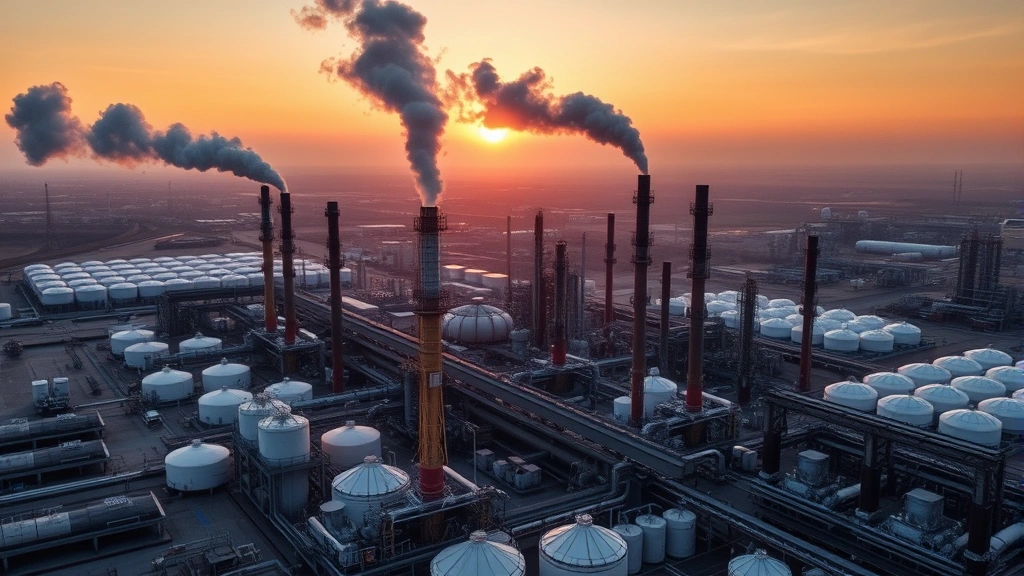
The production of VP Racing gas involves resource-intensive manufacturing processes similar to conventional petroleum refining, but with additional complexity due to the specialized additives and quality control requirements. Oil extraction, transportation, refining, and chemical synthesis all contribute to a substantial carbon footprint before a single gallon reaches a racing venue. The petroleum sourcing alone generates significant environmental costs through habitat disruption, water contamination risks, and greenhouse gas emissions from extraction and transportation operations.
The refining process itself is energy-intensive, requiring substantial quantities of natural gas and electricity to heat crude oil, separate components through fractional distillation, and process the various chemical additives. A typical petroleum refinery generates considerable air emissions, including sulfur dioxide, nitrogen oxides, and volatile organic compounds, all of which contribute to air pollution and climate change. When VP Racing produces specialized fuel batches with higher octane ratings and proprietary additive packages, these processes often require additional processing steps and quality assurance measures, potentially increasing the overall energy consumption and emissions profile compared to standard gasoline production.
Water usage and contamination present additional environmental concerns in fuel production. Refineries require massive quantities of water for cooling systems and processing, often drawing from local water supplies and returning heated, chemically-altered water to natural water systems. The discharge can harm aquatic ecosystems and affect downstream water quality. Furthermore, the extraction of crude oil—the raw material for VP Racing gas—frequently occurs in environmentally sensitive regions, creating risks of spills, groundwater contamination, and ecosystem destruction that extend far beyond the refinery gates.
Transportation logistics also contribute meaningfully to the environmental footprint. VP Racing gas must be transported from refineries to distribution centers and ultimately to racing venues via trucks, trains, and ships. Each transport leg generates fuel consumption and emissions. The specialized nature of racing fuel and its limited market compared to consumer gasoline means less efficient distribution networks, potentially increasing per-unit transportation emissions compared to conventional fuel.
Emissions and Air Quality Considerations
When VP Racing gas burns in an engine, it produces emissions that directly impact air quality and climate systems. The combustion of any hydrocarbon fuel generates carbon dioxide (CO₂), a primary greenhouse gas driving climate change. Racing applications, which push engines to maximum power output and efficiency extremes, often produce higher emissions per unit of fuel burned compared to standard driving conditions. High-performance engines operating at peak RPM and load conditions generate greater quantities of unburned hydrocarbons, nitrogen oxides (NOx), and particulate matter.
The lead content in certain VP Racing fuel formulations presents particularly acute environmental and health concerns. Although lead has been phased out of consumer gasoline in most developed nations due to its neurotoxic properties and environmental persistence, racing fuel exemptions allow continued lead use. When leaded racing fuel combusts, it releases lead particles into the atmosphere, where they disperse into the environment and accumulate in soil and water systems. Lead is a persistent toxin that bioaccumulates in organisms and causes severe neurological damage, particularly in developing children. The environmental justice implications are significant, as racing venues and their surrounding communities experience disproportionate lead exposure.
Nitrogen oxide emissions from high-performance engines contribute to ground-level ozone formation and acid rain, both serious air quality problems. The extreme operating conditions of racing engines maximize NOx production. Additionally, particulate matter emissions from racing fuel combustion include fine particles that penetrate deep into human respiratory systems, causing cardiovascular and respiratory harm. Air quality degradation around racing venues affects not only competitors but also spectators, workers, and nearby residents who bear the health burden of motorsports activities.
The comparison to advantages of electric vehicles becomes stark when examining tailpipe emissions. Electric vehicles produce zero direct emissions during operation, representing a fundamentally different environmental paradigm than any fossil fuel, including VP Racing gas. For individuals genuinely committed to reducing their environmental footprint, transitioning away from gasoline-powered vehicles—whether consumer or racing applications—represents the most impactful choice available.
Comparing VP Racing Gas to Alternative Fuels
Understanding VP Racing gas’s environmental profile requires context provided by examining alternative fuel options. The racing industry has begun exploring sustainable alternatives, though adoption remains limited. Ethanol-blended fuels, synthetic hydrocarbons, and advanced biofuels represent potential pathways toward reduced environmental impact in performance applications, though each carries distinct advantages and limitations.
Ethanol, a renewable alcohol fuel derived from agricultural crops like corn and sugarcane, can be blended with gasoline to reduce petroleum dependence and lower lifecycle carbon emissions compared to pure petroleum fuel. Some racing applications utilize E85 fuel (85% ethanol, 15% gasoline), which significantly reduces fossil fuel consumption. However, ethanol production involves agricultural inputs, land use considerations, and processing energy that create their own environmental costs. Additionally, ethanol’s lower energy density requires larger fuel quantities for equivalent power output, potentially increasing emissions per unit of power generated.
Synthetic fuels produced through advanced chemical processes offer another alternative pathway. These laboratory-created hydrocarbons can be formulated to burn cleaner than conventional gasoline while potentially being produced from renewable sources or captured carbon dioxide. However, synthetic fuel production remains energy-intensive and expensive, limiting current practical applications in racing contexts. The technology shows promise for future environmental improvement but does not yet represent a viable large-scale replacement for VP Racing gas.
Hydrogen fuel cells represent a theoretically zero-emission alternative for vehicle propulsion, with water vapor as the only combustion byproduct. Several racing organizations have begun experimenting with hydrogen-powered vehicles, demonstrating the technology’s potential for motorsports applications. However, hydrogen production methods determine actual environmental impact—hydrogen derived from renewable electricity through water electrolysis offers genuine sustainability benefits, while hydrogen from natural gas reforming simply shifts emissions upstream. Current hydrogen infrastructure limitations prevent widespread racing adoption.
The comparison between natural gas and propane offers insights applicable to racing fuel alternatives. Both represent lower-carbon alternatives to petroleum gasoline, though neither achieves true zero-emission status. Propane-powered racing vehicles exist and produce fewer emissions than gasoline equivalents, yet remain niche applications within the broader motorsports industry.
The VP Racing Gas Can: Sustainability of Packaging
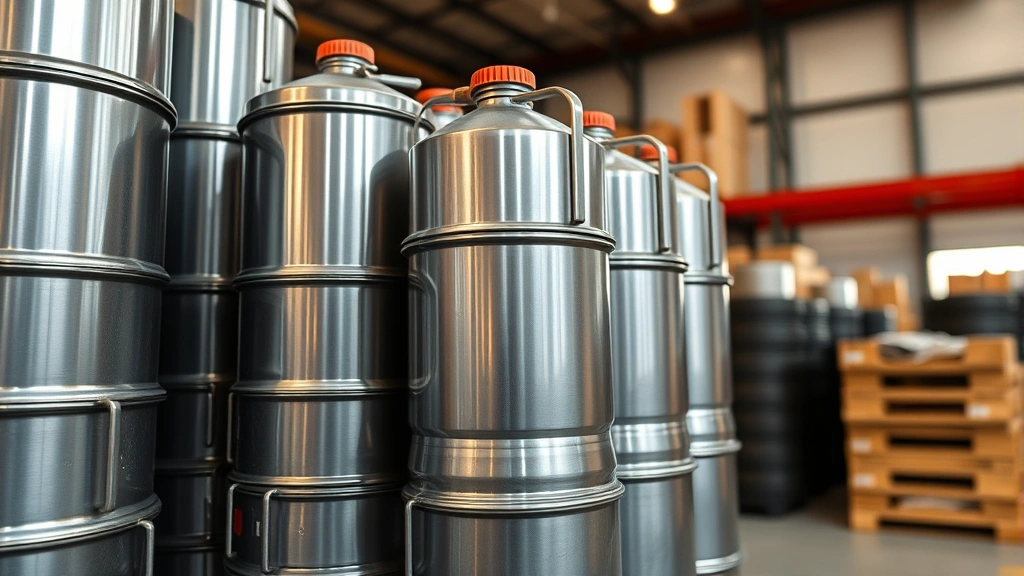
A comprehensive eco-friendly assessment must examine not merely the fuel product itself but also its packaging and distribution containers. VP Racing gas is sold in specialized metal cans designed for motorsports use, typically five-gallon containers engineered for durability, fuel compatibility, and convenient handling in racing environments. These metal cans require significant energy and resources to manufacture, involving ore extraction, smelting, stamping, and finishing processes that generate substantial environmental impact.
Metal can production generates mining waste, requires energy-intensive processing, and produces emissions throughout the manufacturing chain. The coating and lining materials applied to racing fuel cans to prevent fuel degradation and container corrosion introduce additional chemical components with their own environmental footprints. Each VP Racing gas can represents a discrete material object with embodied energy and environmental costs that persist throughout its lifecycle.
However, metal cans do offer advantages in terms of recyclability. Unlike single-use plastic containers, aluminum and steel cans can be recycled repeatedly without significant quality degradation, potentially recovering 70-90% of the material’s value. Recycling metal cans requires considerably less energy than primary production, offering environmental benefits if cans are collected and processed through established recycling infrastructure. The sustainability profile of VP Racing gas cans thus depends significantly on post-consumer behavior—whether purchasers properly recycle empty containers or dispose of them in landfills.
The transportation efficiency of concentrated liquid fuel in durable containers provides some environmental advantage compared to distributing fuel in lighter, single-use packaging. A five-gallon metal can concentrates significant energy content in a relatively compact form, reducing transportation weight and volume compared to dispersed consumer-sized containers. This efficiency benefit, however, remains modest relative to the overall environmental impact of racing fuel production and combustion.

Racing Industry Sustainability Initiatives
The motorsports industry has begun acknowledging environmental concerns and implementing sustainability initiatives, though progress remains incremental compared to broader automotive industry transformation. Several racing organizations have established environmental standards, fuel efficiency regulations, and emissions reduction targets for competing vehicles. Formula E racing, exclusively featuring electric vehicles, demonstrates the industry’s recognition that sustainable alternatives exist and can deliver competitive motorsports experiences.
Some racing series have implemented fuel regulations limiting total fuel consumption, effectively incentivizing more efficient engine designs and driving techniques. These regulations indirectly reduce environmental impact by decreasing the quantity of fuel burned, though they do not address the fundamental environmental problems inherent to petroleum-based fuels. Other racing organizations have partnered with fuel manufacturers to develop lower-emission racing fuel formulations, though progress has been gradual.
Major fuel manufacturers, including VP Racing, have invested in research exploring renewable and synthetic fuel options for racing applications. These efforts represent acknowledgment of environmental concerns and commitment to developing alternatives, though commercial deployment remains limited. The company has promoted its products’ efficiency characteristics, emphasizing that higher-octane fuels enable more complete combustion and theoretically reduce fuel waste, though this argument conflates efficiency with environmental sustainability in problematic ways.
Industry-wide sustainability initiatives have expanded beyond fuel considerations to encompass venue operations, spectator transportation, waste management, and carbon offset programs. Progressive racing organizations now implement comprehensive sustainability strategies addressing their entire operational footprint. However, these initiatives operate within the constraint of continuing to use petroleum-based racing fuels, representing incremental improvement rather than fundamental transformation toward genuine environmental responsibility.
For those interested in green technology innovations transforming our future, the racing industry’s ongoing evolution toward electric and alternative fuel vehicles offers important insights into how established industries can transition toward sustainability.
Making Informed Choices About Performance Fuels
Individuals involved in motorsports or high-performance vehicle ownership face a fundamental choice regarding environmental responsibility. Understanding VP Racing gas’s environmental profile enables informed decision-making aligned with personal sustainability values. For those genuinely committed to minimizing environmental impact, several options merit consideration.
First, evaluating whether high-performance vehicle operation aligns with environmental goals provides essential clarity. Racing and high-performance driving generate substantial environmental costs through fuel consumption, emissions, and resource depletion. If environmental responsibility constitutes a genuine priority, reducing or eliminating participation in such activities represents the most impactful choice available. Alternative recreational and competitive activities with significantly lower environmental footprints exist and offer comparable enjoyment and engagement.
For those continuing motorsports participation, selecting fuel and vehicle options with lower environmental impact becomes important. Some racing series now permit or encourage alternative fuels, synthetic fuels, or hybrid power systems. Exploring these options within your specific racing context can reduce environmental consequences without eliminating motorsports engagement. Investigating whether your racing organization supports or permits alternative fuel vehicles provides a pathway toward more sustainable competition.
Vehicle efficiency optimization represents another meaningful strategy. Ensuring your high-performance engine operates at peak efficiency, maintaining proper tune, and adopting driving techniques that minimize fuel consumption can reduce overall environmental impact. While these measures do not fundamentally alter the environmental problems inherent to petroleum fuel, they do meaningfully decrease the quantity of fuel consumed and emissions generated.
Supporting and advocating for racing industry initiatives promoting sustainable fuel development and electric vehicle integration contributes to systemic change. By patronizing racing organizations and manufacturers prioritizing environmental responsibility, consumers create market incentives for continued innovation and transition toward genuinely sustainable alternatives. Industry transformation accelerates when participants actively support environmental progress.
Carbon offset programs, while imperfect, offer one method for addressing unavoidable emissions from motorsports participation. Purchasing verified carbon offsets that support renewable energy projects, reforestation initiatives, or methane capture can partially mitigate the climate impact of racing fuel consumption, though offsets should not substitute for direct emissions reduction efforts.
For broader context on environmental responsibility, reviewing strategies outlined in our comprehensive guide on how to reduce your environmental footprint provides actionable approaches applicable beyond motorsports contexts.
Industry Regulations and Environmental Standards
Understanding VP Racing gas requires examining the regulatory environment governing racing fuel production and use. The Environmental Protection Agency (EPA) maintains different standards for racing fuel compared to consumer gasoline, reflecting the different use contexts and regulatory philosophies. Racing fuel exemptions from certain EPA fuel composition requirements create space for additives and formulations prohibited in consumer gasoline, including lead-containing compounds in certain products.
This regulatory distinction does not eliminate environmental or health concerns; rather, it reflects a determination that racing applications occur in controlled environments with limited exposure to general populations. However, this reasoning has become increasingly questioned as environmental and health science has advanced. The continuing use of lead in racing fuels, despite decades of evidence documenting lead’s neurotoxic effects and environmental persistence, represents a regulatory failure from an environmental justice perspective.
State-level regulations sometimes impose stricter requirements than federal EPA standards. Some states have moved toward restricting or banning lead-containing racing fuels, recognizing that emissions from racing venues affect surrounding communities regardless of controlled-environment justifications. This regulatory variation creates complexity for racing fuel manufacturers and competitors operating across multiple jurisdictions.
International racing organizations sometimes maintain different fuel standards than American racing series, reflecting varied regulatory philosophies and environmental priorities. Formula One racing, for example, has implemented increasingly stringent fuel regulations and sustainability requirements that exceed American motorsports standards. This international variation demonstrates that more aggressive environmental regulation of racing fuels is technically feasible and increasingly implemented globally.
The Honest Assessment: Is VP Racing Gas Eco-Friendly?
Providing a definitive answer to the central question requires honest acknowledgment of uncomfortable realities. VP Racing gas, by any objective environmental assessment, cannot be classified as eco-friendly. The product is petroleum-derived, generates substantial emissions when combusted, requires energy-intensive production processes, and exists specifically to maximize engine power output rather than minimize environmental impact.
The fundamental purpose of VP Racing fuel—enabling high-performance engine operation—inherently conflicts with environmental sustainability. Racing and high-performance driving prioritize speed, power, and acceleration, all objectives that increase fuel consumption and emissions. Marketing racing fuel as environmentally responsible requires either ignoring the scientific evidence regarding fuel production and combustion impacts or employing misleading comparative claims about efficiency relative to other racing fuels.
This assessment does not constitute moral judgment regarding motorsports participation or racing fuel use. Rather, it reflects scientific reality: petroleum-based racing fuels generate significant environmental costs throughout their lifecycle, and no amount of marketing reframing alters this fundamental fact. Environmental responsibility regarding racing fuel requires honest acknowledgment of these impacts and thoughtful consideration of whether motorsports participation aligns with one’s broader sustainability values.
The racing industry’s gradual transition toward alternative fuels and electric vehicles suggests recognition that petroleum-based racing fuel’s environmental profile has become untenable. Supporting and accelerating this transition represents the most meaningful environmental contribution individuals involved in motorsports can make.
Frequently Asked Questions
Does VP Racing gas contain lead?
Certain VP Racing fuel formulations contain tetraethyl lead (TEL), a toxic additive that increases octane rating and engine performance. Lead-free VP Racing products also exist, but lead-containing formulations remain available and legal for racing use under EPA exemptions. Lead combustion releases toxic particles into the environment, creating significant health and environmental concerns.
Is VP Racing gas more efficient than regular gasoline?
VP Racing fuel’s higher octane rating enables more complete combustion and allows engines to operate at higher compression ratios, potentially improving thermal efficiency. However, efficiency improvements do not translate to environmental friendliness—more efficient combustion of petroleum fuel still generates greenhouse gas emissions and air pollutants. The environmental impact depends on total fuel consumption and emissions, not merely efficiency metrics.
Can VP Racing gas be used in street vehicles?
VP Racing fuel is formulated and intended exclusively for racing applications. While technically it can be used in street vehicles, doing so is generally inadvisable because street vehicle engines are not designed for racing fuel’s properties, and using racing fuel in street vehicles may cause engine damage. Additionally, using racing fuel in street vehicles increases personal environmental impact without providing performance benefits in standard driving conditions.
What are the alternatives to VP Racing gas for racing applications?
Emerging alternatives include ethanol-blended fuels (E85), synthetic racing fuels, hydrogen fuel cells (in experimental applications), and electric racing vehicles. Each alternative carries distinct environmental profiles and practical considerations. Electric vehicles represent the most environmentally responsible racing fuel alternative currently available, though infrastructure and regulatory acceptance remain developing.
How can I reduce my environmental impact if I participate in motorsports?
Options include transitioning to electric racing vehicles where available, supporting racing series implementing sustainable fuel standards, optimizing vehicle efficiency, purchasing carbon offsets, and honestly evaluating whether motorsports participation aligns with environmental values. For some individuals, reducing or eliminating racing participation represents the most meaningful environmental contribution available.
Are racing fuel regulations becoming stricter regarding environmental protection?
Yes, some racing organizations and jurisdictions are implementing stricter environmental regulations for racing fuels. Formula One, for example, has established increasingly demanding fuel sustainability standards. However, American motorsports regulation remains relatively permissive compared to international standards, and significant regulatory variation persists across different racing series and jurisdictions.


