Is Walton Gas Eco-Friendly? Expert Review
Walton Gas, a prominent energy provider in Bangladesh and parts of South Asia, has become increasingly relevant in discussions about sustainable energy solutions and environmental responsibility. As global awareness of climate change and carbon emissions intensifies, consumers and businesses alike are scrutinizing their energy providers’ environmental practices and commitments. This comprehensive review examines whether Walton Gas truly qualifies as an eco-friendly energy solution or if it falls short of modern sustainability standards.
The energy sector plays a pivotal role in global carbon emissions, accounting for approximately 73% of worldwide greenhouse gas emissions. Understanding the environmental impact of our energy choices—whether through traditional gas providers or alternative sources—is essential for making informed decisions about our ecological footprint. Walton Gas presents an interesting case study in this context, as it operates within an emerging market where energy demands are rapidly expanding and sustainability considerations are becoming increasingly important.
This expert review will dissect Walton Gas’s environmental credentials, operational practices, carbon footprint, and how it compares to cleaner energy alternatives. We’ll examine their commitment to reducing emissions, their use of natural gas versus other fuel sources, and what this means for environmentally conscious consumers seeking to reduce their environmental footprint.
Understanding Walton Gas and Its Operations
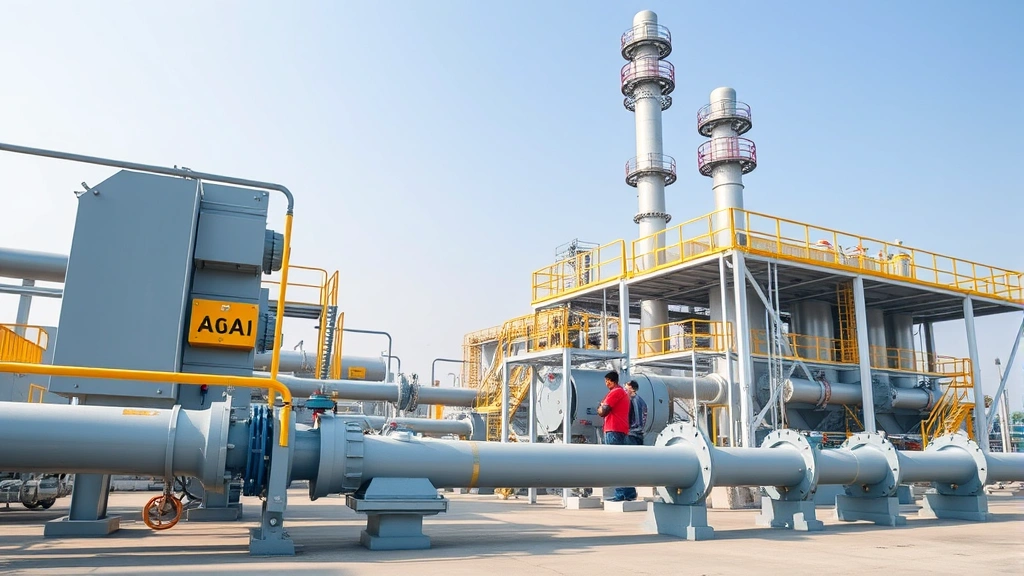
Walton Gas Limited is a subsidiary of the Walton Group, one of Bangladesh’s largest conglomerates with interests in electronics, renewable energy, and consumer goods. The company primarily distributes liquefied petroleum gas (LPG) and compressed natural gas (CNG) to residential, commercial, and industrial customers throughout Bangladesh. Understanding their operational structure is crucial for evaluating their environmental impact and sustainability initiatives.
The company operates through a network of distribution centers, retail outlets, and partnership arrangements with various stakeholders in the energy sector. Walton Gas has positioned itself as a modern energy provider, emphasizing convenience and accessibility for consumers transitioning from traditional cooking fuels. However, positioning as modern doesn’t automatically equate to being environmentally sustainable—a critical distinction we must examine throughout this review.
Walton Group’s broader portfolio includes interests in green technology innovations transforming our future, which provides some context for their environmental positioning. The parent company has invested in solar energy projects and renewable initiatives, suggesting at least some commitment to sustainability at the corporate level. However, these investments don’t necessarily reflect Walton Gas’s specific environmental practices or commitments.

Environmental Impact of Natural Gas
Before evaluating Walton Gas specifically, we must understand the environmental profile of natural gas itself. Natural gas is often marketed as a “cleaner” fossil fuel compared to coal or oil, and in some respects, this claim has merit. When burned for energy, natural gas produces approximately 50% fewer carbon dioxide emissions than coal and about 30% fewer emissions than oil.
However, the complete environmental picture of natural gas is considerably more complex. Methane, the primary component of natural gas, is a potent greenhouse gas—approximately 28 to 34 times more effective at trapping heat than carbon dioxide over a 100-year period. Methane leakage during extraction, processing, transportation, and distribution represents a significant environmental concern. Studies indicate that methane leakage rates can substantially offset the climate benefits of natural gas compared to other fossil fuels.
The extraction process for natural gas often involves hydraulic fracturing (fracking) in some regions, which raises additional environmental concerns including water contamination, induced seismicity, and habitat disruption. While Walton Gas primarily distributes LPG and CNG rather than engaging in extraction, understanding these upstream environmental impacts is important for comprehensive sustainability assessment.
Key environmental considerations for natural gas include:
- Methane emissions during extraction and transportation
- Combustion emissions when used as fuel
- Infrastructure requirements for safe distribution
- Non-renewable nature of the resource
- Potential for accidents and environmental contamination
Walton Gas’s Sustainability Practices
Examining Walton Gas’s actual sustainability practices reveals a mixed picture. The company has implemented several measures designed to improve operational efficiency and reduce environmental impact, though comprehensive sustainability reporting remains limited.
Walton Gas has invested in modern distribution infrastructure designed to minimize leakage and improve safety. Their retail network emphasizes customer convenience through multiple distribution points, reducing transportation distances for some consumers. The company has also adopted safety protocols and quality control measures that indirectly support environmental protection by preventing accidents and contamination.
However, transparency regarding Walton Gas’s environmental commitments presents challenges. Unlike major multinational energy companies that publish detailed sustainability reports aligned with global reporting standards, Walton Gas provides limited public information about their carbon footprint, emissions reduction targets, or long-term environmental strategy. This lack of transparency makes comprehensive evaluation difficult for environmentally conscious consumers.
The company’s website and public communications emphasize product quality, customer service, and market expansion rather than environmental stewardship. While business growth is important, the absence of prominent sustainability messaging or environmental commitments suggests that eco-friendliness may not be a primary corporate priority.
Carbon Emissions and Climate Considerations
The climate impact of Walton Gas must be evaluated across multiple dimensions: direct operational emissions, upstream emissions from their supply chain, and downstream emissions from consumer use of their products.
Direct Operational Emissions: Walton Gas’s distribution operations generate emissions through vehicle fleets, facility energy consumption, and potential fugitive emissions from storage and distribution infrastructure. Without published data on their operational practices, precise quantification remains difficult, but typical gas distribution operations contribute meaningfully to carbon footprints.
Upstream Emissions: The natural gas and LPG that Walton Gas distributes originate from extraction and processing operations. While Walton Gas doesn’t control these upstream operations directly, they bear some responsibility for their supply chain’s environmental impact. The company could improve this dimension by prioritizing suppliers with strong environmental practices and transparent reporting.
Downstream Consumer Emissions: The most significant environmental impact occurs when consumers burn Walton Gas products for cooking, heating, or vehicle fuel. While natural gas produces fewer emissions per unit of energy than coal, it remains a fossil fuel contributing to atmospheric carbon dioxide accumulation. As Bangladesh experiences increasing energy demand, the cumulative impact of expanded Walton Gas distribution contributes to growing national carbon emissions.
Bangladesh faces particular vulnerability to climate change impacts including sea-level rise, extreme weather events, and agricultural disruption. Paradoxically, while the nation suffers disproportionate climate impacts, expanding fossil fuel infrastructure like Walton Gas distribution networks contributes incrementally to the global problem. This represents a challenging tension between meeting immediate energy needs and addressing long-term climate imperatives.
Comparison with Alternative Energy Sources
Evaluating Walton Gas’s eco-friendliness requires comparison with available alternatives. Several energy options present different environmental profiles:
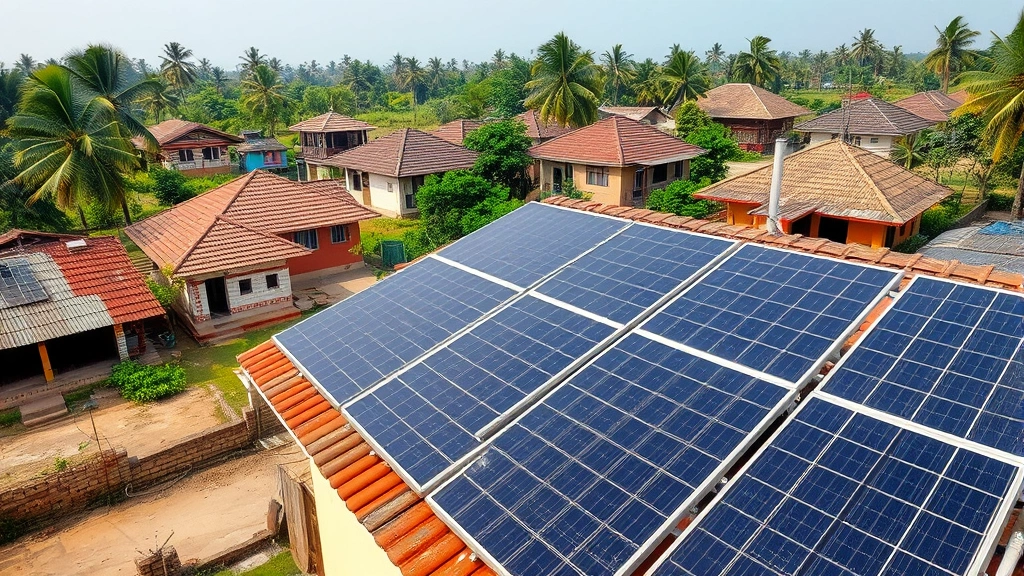
Solar and Renewable Energy: Solar power, wind energy, and other renewables produce electricity without direct carbon emissions during operation. For cooking and heating applications, renewable energy sources can eliminate fossil fuel dependence entirely. Bangladesh possesses significant solar potential, particularly in rural areas where Walton Gas may not reach. Sustainable energy solutions emphasizing solar adoption would provide superior environmental outcomes compared to expanded natural gas distribution.
Biogas and Biomass: Renewable gas alternatives derived from agricultural waste, municipal waste, or dedicated energy crops offer lower-carbon options than fossil gas. Walton Group’s agricultural connections could theoretically support biogas development, though the company hasn’t emphasized this direction.
Electric Cooking and Heating: Modern induction cooktops and electric heating systems powered by renewable electricity sources provide cleaner alternatives to gas-based cooking. While requiring infrastructure investment, electrification represents a long-term sustainability solution superior to expanded fossil fuel distribution networks.
Energy Efficiency: Reducing overall energy consumption through efficiency improvements, insulation, and behavioral changes provides the most immediately accessible sustainability option. Walton Gas could support this approach by promoting efficient appliances and consumer education, though such initiatives remain largely absent from their public messaging.
The comparison reveals that Walton Gas, while potentially cleaner than coal-based alternatives, represents a transitional solution rather than a long-term sustainable energy path. Its role should ideally be as a bridge fuel during transition toward renewable energy dominance, not as a permanent infrastructure investment.
Regulatory Compliance and Standards
Walton Gas operates within Bangladesh’s regulatory framework for energy distribution and environmental protection. The company must comply with Bangladesh Standards and Testing Institution (BSTI) requirements for product quality and safety, as well as environmental regulations established by the Department of Environment.
However, Bangladesh’s environmental regulations remain less stringent than those in developed nations, and enforcement capacity is sometimes limited. This regulatory environment, while legally sufficient, doesn’t necessarily drive the kind of ambitious sustainability practices that characterize leading global energy companies. Walton Gas meets minimum compliance requirements without necessarily exceeding them to achieve environmental excellence.
International standards like ISO 14001 (Environmental Management System) and ISO 50001 (Energy Management System) provide frameworks for companies seeking to demonstrate environmental commitment. Walton Gas’s adoption of such standards remains unclear from publicly available information. Major multinational energy companies increasingly pursue such certifications to demonstrate accountability and environmental seriousness.
The absence of published third-party environmental audits or certifications suggests that Walton Gas hasn’t prioritized formal environmental management systems. Such transparency would strengthen their environmental credentials and provide consumers confidence in their sustainability practices.
Consumer Considerations and Recommendations
For environmentally conscious consumers currently using Walton Gas or considering their services, several considerations emerge from this expert review:
Current Consumers: If you presently use Walton Gas, several strategies can reduce your environmental impact. First, prioritize energy efficiency by using modern appliances, proper insulation, and conscious consumption habits. Reducing total energy use is more impactful than the energy source itself. Second, consider your long-term energy transition strategy. Rather than investing heavily in gas-dependent appliances, plan for eventual transition to renewable electricity-based alternatives. Third, principles of sustainability suggest supporting companies with transparent environmental practices—consider providing feedback to Walton Gas requesting improved sustainability reporting and commitments.
Prospective Customers: If you’re selecting an energy provider, evaluate whether natural gas truly meets your needs or whether alternatives might serve better. For cooking, modern induction cooktops powered by renewable electricity offer superior environmental outcomes. For heating, solar thermal systems or heat pumps provide alternatives. For vehicle fuel, advantages of electric vehicles increasingly outweigh CNG options as battery technology improves and electricity grids decarbonize.
Broader Recommendations: Environmental advocates and policymakers should recognize that while Walton Gas may be preferable to coal-based energy, it shouldn’t be viewed as a long-term sustainability solution. Bangladesh’s energy strategy should prioritize renewable energy expansion, efficiency improvements, and electrification rather than expanding fossil fuel infrastructure. Supporting SustainWise Hub Blog content and resources on sustainable energy transitions can help inform better decision-making.
Walton Gas represents a pragmatic energy solution for Bangladesh’s current development stage but shouldn’t be mistaken for an eco-friendly option. True sustainability requires transitioning beyond all fossil fuels toward renewable energy systems. The company’s role should be as a temporary bridge during this transition, not as a permanent energy infrastructure investment.
FAQ
Is Walton Gas cleaner than coal?
Yes, natural gas produces approximately 50% fewer carbon dioxide emissions than coal when burned for energy. However, this doesn’t make Walton Gas truly eco-friendly—it’s simply less harmful than coal. Methane leakage and other environmental concerns mean natural gas remains a fossil fuel contributing to climate change, albeit less severely than coal.
Does Walton Gas publish environmental reports?
Walton Gas does not publish comprehensive sustainability or environmental reports comparable to major multinational energy companies. This lack of transparency makes it difficult for consumers to assess their true environmental practices and commitments. Interested consumers should request such reporting from the company.
What’s the methane leakage rate for natural gas distribution?
Methane leakage rates vary significantly by system and geography, typically ranging from 1-3% of distributed gas. While this may seem small, given natural gas’s potency as a greenhouse gas, even modest leakage rates substantially impact climate outcomes. Walton Gas’s specific leakage rates remain unpublished.
Should I switch from Walton Gas to alternatives?
If feasible alternatives exist in your area—particularly solar cooking systems, efficient electric appliances, or renewable electricity options—these generally offer superior environmental outcomes. However, individual circumstances vary. Evaluate your specific situation, available alternatives, and long-term plans before making transitions.
Is LPG more eco-friendly than CNG?
Both LPG and CNG are fossil fuels with similar environmental profiles, though CNG produces slightly lower emissions per unit of energy. Neither represents a genuinely eco-friendly option; both are transitional solutions pending renewable energy adoption.
How does Walton Gas compare to international energy companies?
Major multinational energy companies increasingly publish detailed sustainability reports, set carbon reduction targets, and invest in renewable energy. Walton Gas lags in these areas, though this reflects its regional focus and development stage rather than necessarily indicating worse environmental practices. Greater transparency would improve comparability.
What environmental certifications should Walton Gas pursue?
ISO 14001 (Environmental Management System) and ISO 50001 (Energy Management System) certifications would demonstrate environmental commitment. Additionally, third-party audits of emissions and leakage rates would enhance credibility. Such initiatives remain absent from Walton Gas’s current practices.
Can natural gas support Bangladesh’s climate goals?
Bangladesh has committed to reducing emissions and transitioning toward renewable energy. While natural gas may temporarily support this transition as a bridge fuel, it shouldn’t form the basis of long-term energy strategy. Renewable energy expansion must remain the primary focus.


