Gas Water Heaters: Are They Eco-Friendly?
When considering home energy efficiency, water heating represents one of the largest energy expenses in most households, accounting for approximately 17-25% of residential energy consumption. Gas water heaters have long been a popular choice due to their lower upfront costs and faster heating capabilities compared to electric alternatives. However, the environmental impact of these systems deserves careful examination. Understanding whether gas water heaters are truly eco-friendly requires analyzing their carbon footprint, operational efficiency, and how they compare to renewable energy options.
The debate surrounding gas water heaters involves multiple factors: natural gas sourcing and extraction, combustion emissions, energy efficiency ratings, and the broader context of climate change. As households increasingly seek to reduce their environmental footprint, making informed decisions about water heating systems becomes crucial. This comprehensive guide explores the environmental implications of gas water heaters, their efficiency metrics, and practical alternatives for eco-conscious homeowners.
Environmental Impact of Natural Gas Extraction
Understanding the ecological consequences of gas water heaters begins with examining how natural gas reaches your home. Natural gas extraction involves hydraulic fracturing (fracking) and conventional drilling methods that disturb ecosystems, consume vast quantities of water, and can contaminate groundwater with chemicals. The extraction process alone generates significant environmental concerns beyond the actual combustion of the fuel.
Methane leakage represents a critical environmental issue in the natural gas supply chain. Methane, the primary component of natural gas, is a greenhouse gas approximately 28-34 times more potent than carbon dioxide over a 100-year period. Leaks occur throughout the extraction, processing, transportation, and distribution infrastructure. Studies indicate that methane leakage rates range from 1-5% of total gas production, though some research suggests higher percentages in certain regions. These emissions occur before the gas even reaches your water heater, already contributing significantly to your home’s carbon footprint.
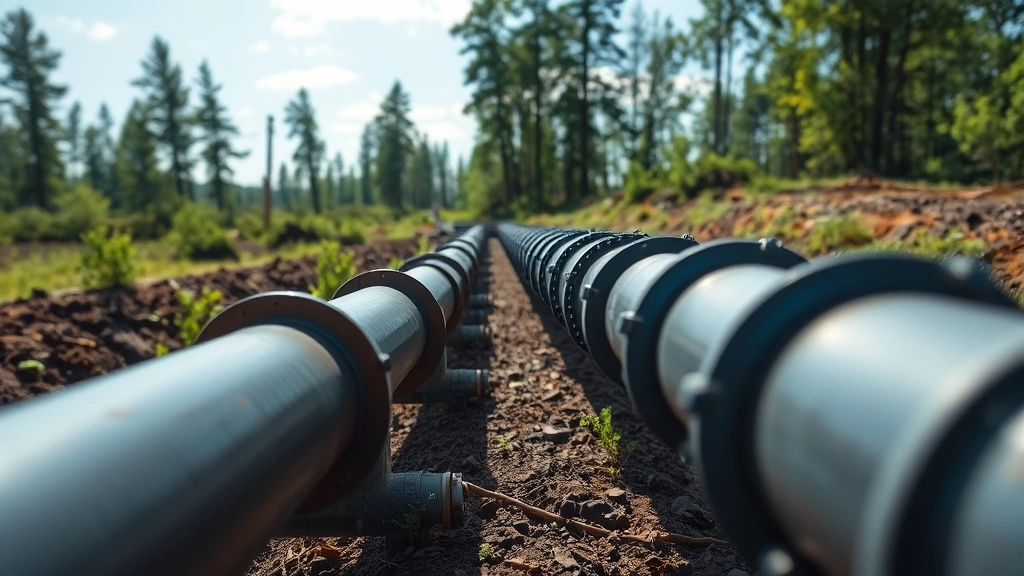
The infrastructure required for natural gas delivery—pipelines, compressor stations, and distribution networks—represents substantial environmental investments. Construction of these systems disrupts habitats, requires ongoing maintenance, and poses risks of catastrophic leaks. Additionally, natural gas extraction often occurs in sensitive ecosystems, affecting wildlife migration patterns and biodiversity. When examining whether gas water heaters are eco-friendly, this upstream environmental damage must be considered alongside operational emissions.
Carbon Emissions and Climate Footprint
A typical gas water heater produces approximately 4,500-6,000 pounds of carbon dioxide equivalent annually, depending on usage patterns and system efficiency. This represents a substantial portion of residential greenhouse gas emissions. The combustion process itself generates CO2 directly, but the complete lifecycle assessment includes extraction, processing, transportation, and distribution impacts.
When you explore sustainable energy solutions, comparing gas water heaters to alternatives reveals significant emission differences. An electric water heater powered by grid electricity produces lower emissions in regions with renewable energy sources, while in areas dependent on fossil fuels, the advantages diminish. However, even in fossil fuel-heavy grids, electric resistance heating typically produces fewer emissions than gas combustion when accounting for efficiency losses.
The climate impact extends beyond direct emissions. Natural gas production contributes to deforestation in some regions, reduces soil carbon sequestration, and disrupts wetlands that naturally capture carbon. These indirect climate impacts make the true carbon footprint of gas water heaters substantially higher than simple combustion calculations suggest. Research from the Environmental Protection Agency demonstrates that reducing household gas consumption, including water heating, represents one of the most effective strategies for residential carbon reduction.
Energy Efficiency Ratings Explained
Gas water heaters are rated using the Uniform Energy Factor (UEF), which measures how efficiently the system converts fuel energy into hot water. Standard gas water heaters typically achieve UEF ratings between 0.59-0.65, meaning they waste 35-41% of energy input as heat loss through the tank and exhaust. High-efficiency condensing models can reach UEF ratings of 0.90 or higher by capturing heat from exhaust gases before venting.
Understanding these efficiency metrics helps consumers make informed decisions. A water heater with a UEF of 0.65 versus 0.90 represents a 38% difference in energy consumption. Over a 10-year lifespan, this efficiency gap translates to significant energy waste and associated emissions. The Energy Guide label on water heaters displays estimated annual operating costs, providing practical insight into long-term expenses and environmental impact.
Tankless gas water heaters offer improved efficiency compared to traditional storage tanks, eliminating standby heat loss and providing hot water on-demand. These systems achieve UEF ratings between 0.82-0.94, reducing energy consumption by 24-34% compared to conventional models. However, they still rely on natural gas combustion and associated extraction impacts. Choosing higher-efficiency gas water heaters represents a practical improvement over standard models, though it doesn’t fundamentally address the environmental concerns inherent to fossil fuel dependence.
Gas vs. Electric Water Heater Comparison
Comparing gas and electric water heaters requires examining regional electricity sources and system efficiency simultaneously. In regions with substantial renewable energy generation, electric water heaters powered by wind, solar, or hydroelectric sources produce dramatically lower emissions. Conversely, in areas dependent on coal or natural gas power plants, the emissions advantage diminishes significantly.
Electric resistance water heaters convert approximately 90% of electrical energy into heat, while gas systems achieve only 60-65% efficiency. This efficiency advantage means electric heaters require less total energy input to produce equivalent hot water. However, electricity generation losses at power plants and transmission losses over distribution lines reduce this advantage. On average, electric water heaters produce 25-50% fewer emissions than gas models when considering the complete energy chain, even in regions with mixed energy sources.
Heat pump water heaters represent a hybrid approach, using electricity to move heat rather than generate it directly. These systems achieve efficiency ratings 2-3 times higher than electric resistance heaters, making them substantially more efficient than both gas and conventional electric options. They require moderate electrical input to transfer heat from the surrounding air into water, reducing emissions by 50-60% compared to gas systems. Understanding these comparative metrics helps homeowners evaluate which green technology innovations best suit their environmental goals.
Heat Pump Water Heaters as Alternatives
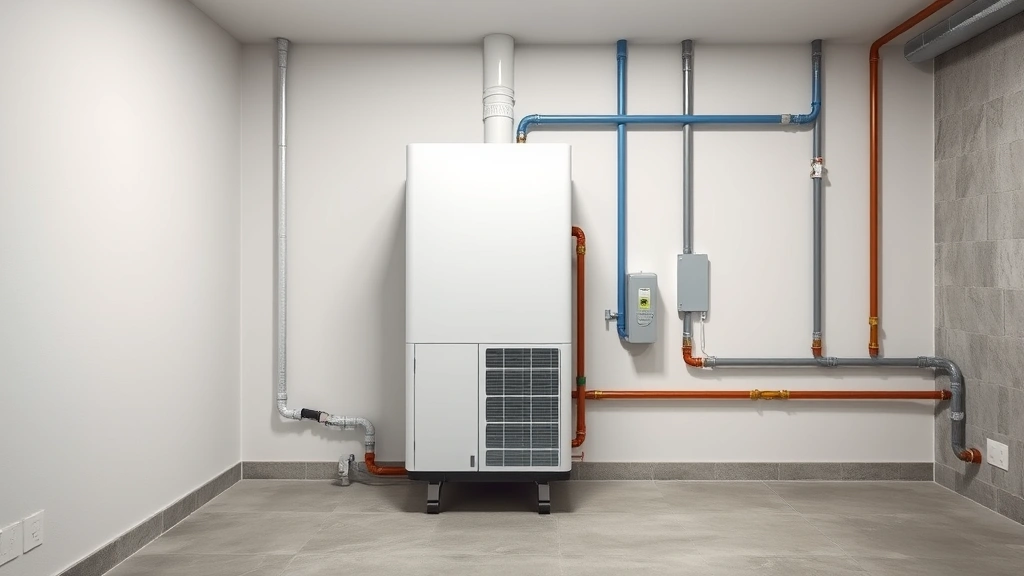
Heat pump water heaters (HPWHs) represent one of the most promising alternatives to gas systems, offering substantially improved environmental performance. These systems use electricity to extract heat from ambient air and transfer it to water, requiring approximately one-third the electrical energy of conventional electric heaters. In terms of emissions reduction, HPWHs typically cut water heating emissions by 50-60% compared to gas water heaters, even in regions with fossil fuel-dependent electricity grids.
Installation considerations include space requirements, as HPWHs need adequate air circulation around the unit and function optimally in temperatures above 50°F. Many models can be installed in basements, laundry rooms, or utility spaces with sufficient airflow. The upfront cost typically ranges from $1,500-$3,000 installed, compared to $800-$1,500 for gas heaters, though federal tax credits up to $2,000 can offset this premium in the United States.
Performance metrics demonstrate HPWHs’ superiority in most climate scenarios. A typical household using a heat pump water heater reduces annual water heating emissions from approximately 5,000 pounds CO2 equivalent to roughly 2,000 pounds. Over a 15-year lifespan, this represents avoiding 45 metric tons of carbon dioxide emissions. When powered by renewable electricity sources, HPWHs approach near-zero operational emissions, making them genuinely eco-friendly alternatives to fossil fuel-dependent systems.
Solar Water Heating Solutions
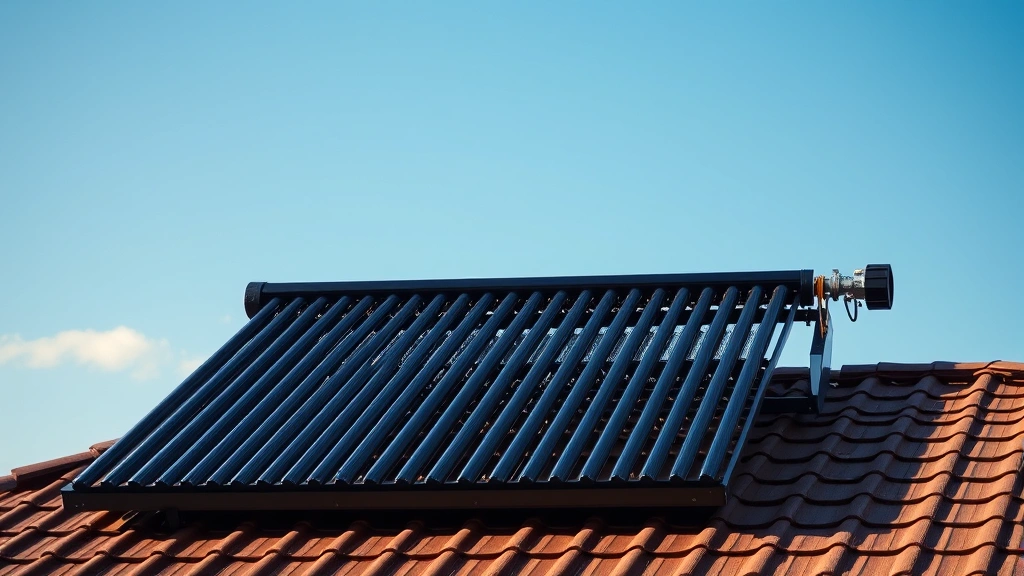
Solar water heating systems represent the most environmentally friendly approach to residential hot water production, capturing free thermal energy from the sun. These systems consist of solar collectors mounted on roofs or walls, heat transfer fluid circulation, and storage tanks. Modern solar water heaters can provide 50-90% of annual hot water needs, depending on climate, season, and system design.
The environmental benefits of solar water heating are substantial. Once installed, these systems produce hot water with virtually zero operational emissions and zero greenhouse gas impact. Manufacturing and installation create initial embodied carbon, but systems typically offset this environmental debt within 2-3 years of operation. Over a 25-year lifespan, solar water heaters avoid 100+ metric tons of CO2 equivalent emissions compared to gas systems, making them genuinely sustainable solutions.
Practical considerations include climate suitability, roof orientation, and space availability. Solar water heaters perform optimally in regions with consistent sunshine, though modern systems function effectively even in cloudy climates. Installation costs range from $3,000-$6,000 before incentives, with federal tax credits covering 30% of expenses. Combining solar water heaters with backup systems (gas or electric) ensures year-round hot water availability while maximizing renewable energy utilization.
Improving Gas Heater Efficiency
For homeowners unable to immediately transition from gas water heaters, several strategies can improve efficiency and reduce environmental impact. Insulating the tank with a water heater blanket reduces standby heat loss by 25-45%, lowering annual energy consumption without system replacement. Insulating hot water pipes minimizes heat loss during distribution, maintaining water temperature and reducing energy needed to reheat water.
Installing low-flow showerheads and faucet aerators reduces hot water demand, directly lowering gas consumption. A family reducing hot water usage by 20% through behavioral changes and fixture upgrades can avoid 1,000 pounds of annual CO2 emissions. Adjusting water heater thermostats to 120°F instead of 140°F balances comfort with efficiency, reducing energy consumption by approximately 6-10%.
Regular maintenance including flushing sediment, inspecting anode rods, and checking burner efficiency ensures systems operate at peak performance. Sediment accumulation reduces heat transfer efficiency and forces the system to work harder, consuming additional gas. Professional maintenance annually can extend system lifespan and maintain efficiency ratings, maximizing the useful life of existing equipment before replacement becomes necessary.
Cost-Benefit Analysis for Eco-Friendly Upgrades
Transitioning from gas water heaters to eco-friendly alternatives requires evaluating lifecycle costs, environmental impact, and long-term financial benefits. While upfront costs for heat pump or solar systems exceed gas heater prices, operational savings and incentives often justify the investment within 7-10 years.
A comprehensive cost-benefit analysis for heat pump water heaters reveals that despite higher initial expenses, annual energy savings of $200-$400 create payback periods of 5-8 years. Federal tax credits, state rebates, and utility incentives can reduce net costs by 30-50%, accelerating payback timelines. Over a 15-year period, heat pump water heaters typically cost less than gas systems when accounting for operational expenses and environmental benefits.
Solar water heater economics similarly favor long-term investment. While installation costs range higher ($3,000-$6,000), 30% federal tax credits and state incentives reduce net expenses. Annual operational savings of $300-$600 create payback periods of 6-12 years depending on local energy costs. Over 25-year system lifespans, solar water heaters produce net savings of $5,000-$10,000 while avoiding substantial emissions.
When examining principles of sustainability, the financial and environmental calculations align favorably toward renewable alternatives. Government incentive programs, including Department of Energy rebates and state-specific programs, significantly improve economic viability. Consulting with local energy efficiency programs can identify available incentives and qualified installers for sustainable water heating upgrades.
Returning to the central question of whether gas water heaters are eco-friendly, the evidence suggests they represent a carbon-intensive choice compared to available alternatives. While more efficient than some older systems, modern gas water heaters still produce substantial greenhouse gas emissions throughout their lifecycle. Homeowners genuinely committed to environmental responsibility should consider transitioning to heat pump, solar, or other renewable water heating solutions. For those maintaining gas systems temporarily, implementing efficiency improvements and planning future upgrades toward sustainable alternatives represents a practical pathway toward reduced environmental impact.
FAQ
Are tankless gas water heaters more eco-friendly than traditional storage tank models?
Tankless gas water heaters offer modest environmental improvements over standard storage tanks, achieving 24-34% better efficiency by eliminating standby heat loss. However, they still depend on natural gas combustion and associated extraction impacts. While tankless models represent an upgrade within the gas heater category, they remain significantly less eco-friendly than heat pump or solar alternatives. Tankless systems produce approximately 3,500-4,500 pounds of annual CO2 emissions compared to 4,500-6,000 for traditional gas heaters, demonstrating meaningful but limited improvements.
How do I know if my region’s electricity grid supports switching to electric water heating?
Research your regional utility’s energy sources through their website or by contacting customer service directly. Most utilities provide detailed information about electricity generation sources, including percentages from renewable, natural gas, coal, and nuclear sources. Regions with substantial wind, solar, hydroelectric, or nuclear generation (typically 40%+ renewable) make electric water heaters environmentally advantageous. Even in regions with mixed energy sources, electric systems generally produce fewer emissions than gas alternatives. Online carbon calculators can estimate your region’s specific emissions impact for electric versus gas water heating.
What temperature setting is most eco-friendly for gas water heaters?
Setting water heater thermostats to 120°F balances safety, comfort, and efficiency while reducing energy consumption by 6-10% compared to 140°F settings. This temperature prevents scalding injuries, minimizes legionella bacteria growth risk, and reduces heat loss from the tank. For households with young children or elderly residents, 120°F provides appropriate safety margins. Every 10°F reduction in water heater temperature roughly decreases energy consumption by 3-5%, making thermostat adjustment one of the simplest efficiency improvements available.
Do solar water heaters work during cloudy days or winter months?
Modern solar water heaters function during cloudy conditions, though with reduced efficiency. Solar collectors capture diffuse radiation even without direct sunlight, producing hot water on overcast days at 30-50% of peak performance. Winter performance depends on climate and collector design, with systems in cold regions typically providing 20-40% of annual heating needs during winter months. Most installations include backup gas or electric systems ensuring year-round hot water availability. Advanced solar systems with thermal storage tanks optimize performance across seasons, maximizing renewable energy utilization while maintaining consistent hot water supply.
Can I retrofit my existing gas water heater with efficiency improvements?
Yes, several retrofits improve existing gas water heater efficiency without replacement. Water heater blankets reduce standby losses by 25-45%, costing $20-$50 installed. Pipe insulation minimizes distribution losses for approximately $15-$30. Installing a timer or smart controller optimizes heating cycles, reducing unnecessary energy consumption. These improvements typically cost under $100 total and can reduce annual energy consumption by 10-15%, avoiding 600-900 pounds of CO2 emissions annually. However, these modifications represent temporary solutions; eventually upgrading to heat pump or solar systems provides substantially greater environmental benefits.
What is the lifespan of heat pump water heaters compared to gas models?
Heat pump water heaters typically last 10-15 years, similar to or slightly shorter than gas water heaters which average 10-15 years as well. However, many HPWHs come with extended warranties (up to 10 years on compressors) and perform reliably with proper maintenance. Regular maintenance including drain flushing and filter cleaning extends lifespan and maintains efficiency. While initial cost exceeds gas heaters, HPWH operational savings over their lifespan typically offset higher upfront expenses, and environmental benefits significantly exceed financial considerations for eco-conscious households.
Are there financing options available for upgrading to eco-friendly water heaters?
Multiple financing pathways exist for sustainable water heater upgrades. Federal tax credits provide up to $2,000 for qualifying heat pump water heaters and 30% of solar system costs. Many states offer additional rebates ranging from $500-$2,000 for heat pump systems. Utility companies frequently provide rebates or financing programs encouraging efficiency upgrades. Some jurisdictions offer Property Assessed Clean Energy (PACE) financing allowing homeowners to repay upgrade costs through property tax assessments. Check Energy.gov and your state’s energy office website for current incentive programs and financing options in your area.


