Is Weber Natural Gas Grill Eco-Friendly? Facts Inside
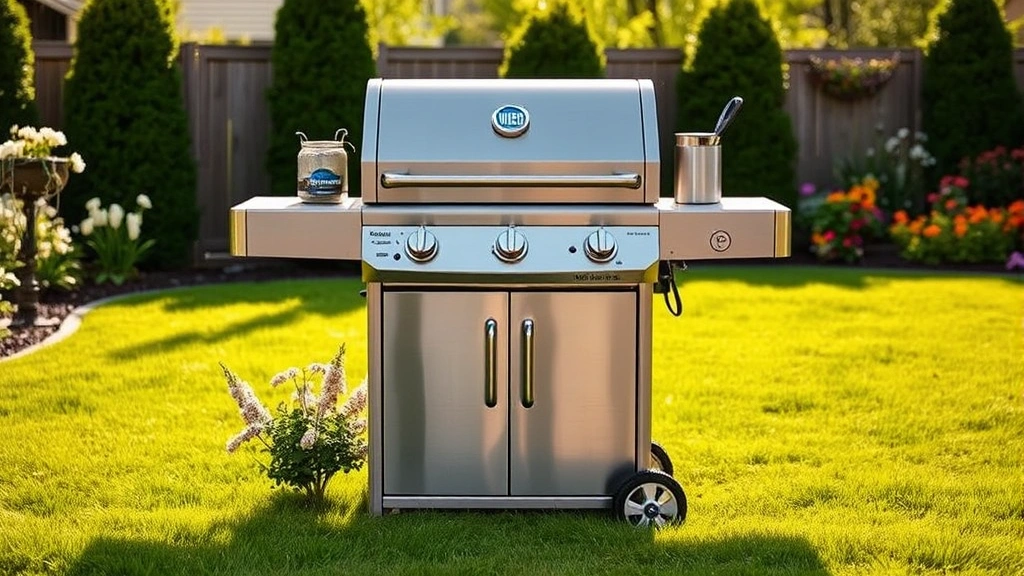
When considering outdoor cooking equipment, many homeowners wonder whether a Weber natural gas grill aligns with environmental values. The answer isn’t straightforward—it depends on how you evaluate efficiency, emissions, and lifecycle impact. Natural gas grills occupy a middle ground in the sustainability spectrum: they’re cleaner than charcoal but less efficient than electric alternatives. Understanding the environmental implications of your grilling choice requires examining fuel consumption, carbon emissions, manufacturing processes, and maintenance practices.
This comprehensive guide explores the eco-friendly aspects of Weber natural gas grills, comparing them to other cooking methods and revealing actionable ways to minimize your grilling footprint. Whether you’re a seasoned griller or considering your first outdoor cooking investment, you’ll discover practical insights to make informed decisions about your backyard sustainability.
Environmental Impact of Natural Gas Grills
Natural gas grills present a complex environmental profile. On one hand, natural gas combustion produces significantly fewer pollutants than charcoal burning, which releases particulate matter and volatile organic compounds into the atmosphere. On the other hand, natural gas extraction, processing, and transportation carry their own environmental costs, including methane leakage—a greenhouse gas roughly 80 times more potent than carbon dioxide over a 20-year period.
Weber, as a leading manufacturer in the grilling industry, designs natural gas grills with efficiency in mind. Their burner systems are engineered to maximize heat distribution while minimizing fuel waste. However, the overall sustainability of your Weber natural gas grill depends on several factors: how frequently you use it, how well you maintain it, and whether your region’s natural gas comes from renewable sources or conventional extraction.
The manufacturing process of Weber grills involves steel production, which is carbon-intensive. Approximately 1.9 tons of CO2 are emitted per ton of steel produced. A typical Weber grill weighs between 80-150 pounds, meaning production generates roughly 70-285 pounds of CO2 equivalents before the grill reaches your backyard. This embodied carbon is a critical consideration when evaluating true environmental impact.
Natural gas grills also present potential safety and efficiency issues. Leaking connections waste fuel and increase emissions. Regular maintenance—checking seals, inspecting hoses, and ensuring proper combustion—is essential for both environmental and economic reasons. A well-maintained grill operates at peak efficiency, consuming less fuel to reach target temperatures.
Weber Grill Efficiency and Performance
Weber grills are renowned for their heat retention and distribution capabilities. The brand’s iconic kettle design and modern gas models feature innovations that enhance cooking efficiency. Stainless steel construction, insulated cooking chambers, and precision burner controls all contribute to reduced fuel consumption compared to lower-quality alternatives.
Weber’s natural gas grills typically achieve combustion efficiency ratings between 75-85%, meaning 75-85% of the fuel’s energy goes toward cooking food rather than escaping as waste heat. This efficiency rivals many home heating systems. The company’s engineering focuses on even heat distribution, reducing hot spots that lead to uneven cooking and extended cooking times—both wasteful scenarios.
Lid design significantly impacts efficiency. Weber’s lids are engineered to trap and circulate heat effectively, allowing you to cook at lower temperatures and for shorter durations. This direct efficiency improvement translates to reduced natural gas consumption and lower operating costs. Over a grill’s 10-15 year lifespan, these efficiency gains compound substantially.
The brand offers various models with different efficiency profiles. Entry-level Weber grills operate efficiently for basic grilling, while premium models include features like side burners, rotisserie attachments, and integrated thermometers that enhance cooking versatility without sacrificing environmental performance. Understanding which features you actually need prevents unnecessary consumption of resources and materials.
Comparing Fuel Types: Gas vs. Charcoal vs. Electric
To properly assess whether a Weber natural gas grill is eco-friendly, comparison with alternatives is essential. Each fuel type carries distinct environmental implications:
- Natural Gas Grills: Produce approximately 5.3 pounds of CO2 per hour of use (varies by burner size). No charcoal waste, minimal ash cleanup. Requires gas line installation or propane tank management. Operating costs range from $0.50-$1.00 per hour.
- Charcoal Grills: Generate roughly 7.9 pounds of CO2 per hour due to less efficient combustion. Charcoal production involves deforestation concerns and energy-intensive processing. Single-use charcoal creates waste, though some brands now offer sustainable, sustainably-sourced options. Ash disposal presents environmental considerations.
- Electric Grills: Produce zero direct emissions, though upstream electricity generation impacts depend on regional grid composition. In areas with renewable energy, electric grills are significantly cleaner. They’re 90%+ efficient at converting energy to heat. Limited to areas with outdoor electrical outlets.
- Pellet Grills: Use compressed wood pellets, offering carbon-neutral potential if sourced from sustainably managed forests. However, they require electricity and produce ash waste. Initial costs are higher than comparable gas models.
For most homeowners, natural gas represents a middle ground—cleaner than charcoal but less ideal than electric alternatives where feasible. The choice depends on your specific circumstances, cooking preferences, and access to different fuel sources.
Carbon Emissions and Climate Considerations
Understanding the complete carbon footprint of your grilling habit requires examining sustainability definitions that account for lifecycle emissions. A Weber natural gas grill’s climate impact includes:
- Manufacturing emissions: Approximately 70-285 pounds CO2 equivalent for production and transportation
- Operational emissions: 5.3 pounds CO2 per hour of use
- End-of-life disposal: Steel recycling potential offsets some manufacturing impact
- Fuel extraction and processing: Natural gas production adds roughly 10-15% to operational emissions
A household using their Weber grill 2-3 hours weekly (roughly 100-150 hours annually) generates approximately 530-795 pounds of CO2 yearly from grill operation alone. Over a 10-year lifespan, this totals 5,300-7,950 pounds—equivalent to driving a car roughly 1,300-1,950 miles.
This context matters: occasional grilling represents a minimal climate impact compared to daily transportation or home heating. However, if you’re committed to reducing your environmental footprint, understanding these numbers enables informed choices.
According to the EPA’s greenhouse gas emissions data, residential fuel combustion accounts for roughly 6% of total U.S. emissions. While grilling represents a small portion of household energy use, optimizing it contributes to broader sustainability goals.
Sustainable Grilling Practices
Maximizing the eco-friendliness of your Weber natural gas grill involves intentional practices that reduce fuel consumption and waste:
- Preheat efficiently: Preheat only for 10-15 minutes rather than 20-30. Modern Weber grills reach cooking temperature quickly due to superior insulation.
- Match burner size to cooking area: Use only the burners necessary for your meal. Lighting all burners for small portions wastes fuel significantly.
- Keep the lid closed: Every time you open the lid, heat escapes and cooking time extends. Minimize lid lifts during cooking.
- Maintain your grill: Clean burner ports regularly to ensure complete combustion. Clogged burners burn less efficiently and produce more emissions.
- Check for leaks: Apply soapy water to connections and look for bubbles. Even small leaks waste fuel and increase emissions.
- Use a grill cover: Protecting your grill from elements extends its lifespan, maximizing the environmental value of initial manufacturing emissions.
- Cook in batches: Plan meals to use your grill efficiently. Batch cooking reduces the number of times you fire up the grill.
- Choose local, seasonal ingredients: While not directly related to grill type, sourcing food locally reduces transportation emissions, complementing your sustainable grilling efforts.
These practices can reduce fuel consumption by 15-30%, directly lowering both your carbon footprint and operating costs. The investment in mindful grilling habits pays dividends over your grill’s lifespan.
Durability and Lifecycle Assessment
A critical but often overlooked aspect of environmental sustainability is durability. Weber’s reputation for longevity makes their grills more eco-friendly than cheaper alternatives that require replacement every 3-5 years. A Weber grill lasting 12-15 years amortizes manufacturing emissions across more cooking sessions than a low-quality grill replaced twice during the same period.
The company’s design philosophy emphasizes repairability. Replacement parts—burners, grates, thermometers, handles—are readily available and relatively affordable. This modularity extends grill life and reduces waste. Contrast this with disposable grills where a broken component means discarding the entire unit.
Weber grills’ stainless steel and cast iron components resist corrosion, maintaining functionality across decades. The warranty typically covers 5-10 years, reflecting manufacturer confidence in durability. This longevity represents genuine environmental stewardship—fewer resources consumed, less waste generated.
At end-of-life, Weber grills are substantially recyclable. Steel components (roughly 80-90% of total weight) are highly valued by recycling facilities. Stainless steel recycling recovers the material for new applications without quality degradation. This circular economy aspect offsets a portion of manufacturing emissions when you eventually retire your grill.
Making the Switch to Greener Alternatives
If you’re evaluating whether a Weber natural gas grill aligns with your sustainability goals, consider whether alternatives better suit your situation. Exploring sustainable energy solutions for outdoor cooking reveals several options:
Electric Grill Conversion: If your outdoor space has electrical access, an electric grill produces zero direct emissions. Modern electric grills achieve impressive temperature ranges and cooking versatility. The primary limitation is dependence on regional electricity grid composition. In areas with high renewable energy percentages, electric grills are substantially cleaner than natural gas alternatives.
Hybrid Approach: Many sustainability-conscious homeowners maintain multiple cooking methods. A Weber natural gas grill for frequent entertaining, supplemented by an electric or solar grill for everyday use, optimizes both convenience and environmental impact.
Solar Cooking: Solar grills and cookers represent the ultimate low-emission option, though they’re weather-dependent and slower than fuel-based alternatives. They’re excellent supplementary tools for committed environmentalists.
Exploring green technology innovations in outdoor cooking reveals emerging options like induction grills and advanced electric models that rival traditional fuel-based performance.
For existing Weber grill owners, the most sustainable choice is usually continuing to use your current equipment optimally rather than replacing it prematurely. Manufacturing a new grill generates significant emissions; maximizing the utility of your existing grill minimizes overall environmental impact.
When replacement becomes necessary, consider your region’s energy profile. In areas with abundant renewable electricity, upgrading to an electric grill makes environmental sense. In regions dependent on fossil fuel power generation, natural gas remains competitive in terms of emissions.
Exploring advantages of electric vehicles reveals a parallel principle: the sustainability of any technology depends on the energy sources powering it. Electric grills shine in renewable-rich regions but offer less advantage in areas with coal-dependent grids.
FAQ
Is natural gas better than charcoal for the environment?
Yes, natural gas grills produce approximately 33% fewer emissions than charcoal grills. Natural gas combustion is more complete and efficient, generating less particulate matter and volatile organic compounds. Charcoal production also involves environmental concerns including deforestation and energy-intensive processing.
How often should I maintain my Weber grill to keep it efficient?
Clean your burner ports and grates monthly during grilling season. Check gas connections and seals quarterly. Inspect the thermometer and internal components annually. This maintenance schedule ensures peak efficiency and reduces fuel waste by 15-30%.
Can I recycle my Weber grill when it’s no longer usable?
Yes, Weber grills are highly recyclable. Steel components comprise 80-90% of the grill’s weight and are accepted at most scrap metal recycling facilities. Contact your local recycling center for specific procedures and potential compensation for scrap material.
Is a Weber natural gas grill more eco-friendly than an electric grill?
It depends on your region’s electricity grid composition. In areas with high renewable energy percentages (over 50%), electric grills are substantially cleaner. In regions dependent on fossil fuel power generation, natural gas grills are often more efficient and lower-emission. Research your local energy mix to determine the better option.
What’s the most sustainable way to use a natural gas grill?
Maximize efficiency through practices like minimal preheating, keeping the lid closed, using only necessary burners, and maintaining your grill properly. Plan batch cooking to reduce usage frequency. Pair grilling with locally-sourced, seasonal ingredients to minimize overall food system emissions.
How does manufacturing a Weber grill impact the environment?
Manufacturing generates approximately 70-285 pounds of CO2 equivalent per grill, primarily from steel production. This embodied carbon is offset over the grill’s 10-15 year lifespan through normal use. Weber’s durability means manufacturing emissions are amortized across more cooking sessions than cheaper alternatives, making them relatively more sustainable long-term.
Are there certifications indicating a grill’s environmental performance?
While specific grill certifications are limited, look for manufacturers meeting EPA air quality standards and using certified sustainable materials. The NSF International provides product certifications for various environmental and safety standards, though grill-specific ratings are uncommon.


